
Mahjong Tournaments in Sarasota: How to Find and Join
Last updated: Nov 23, 2026
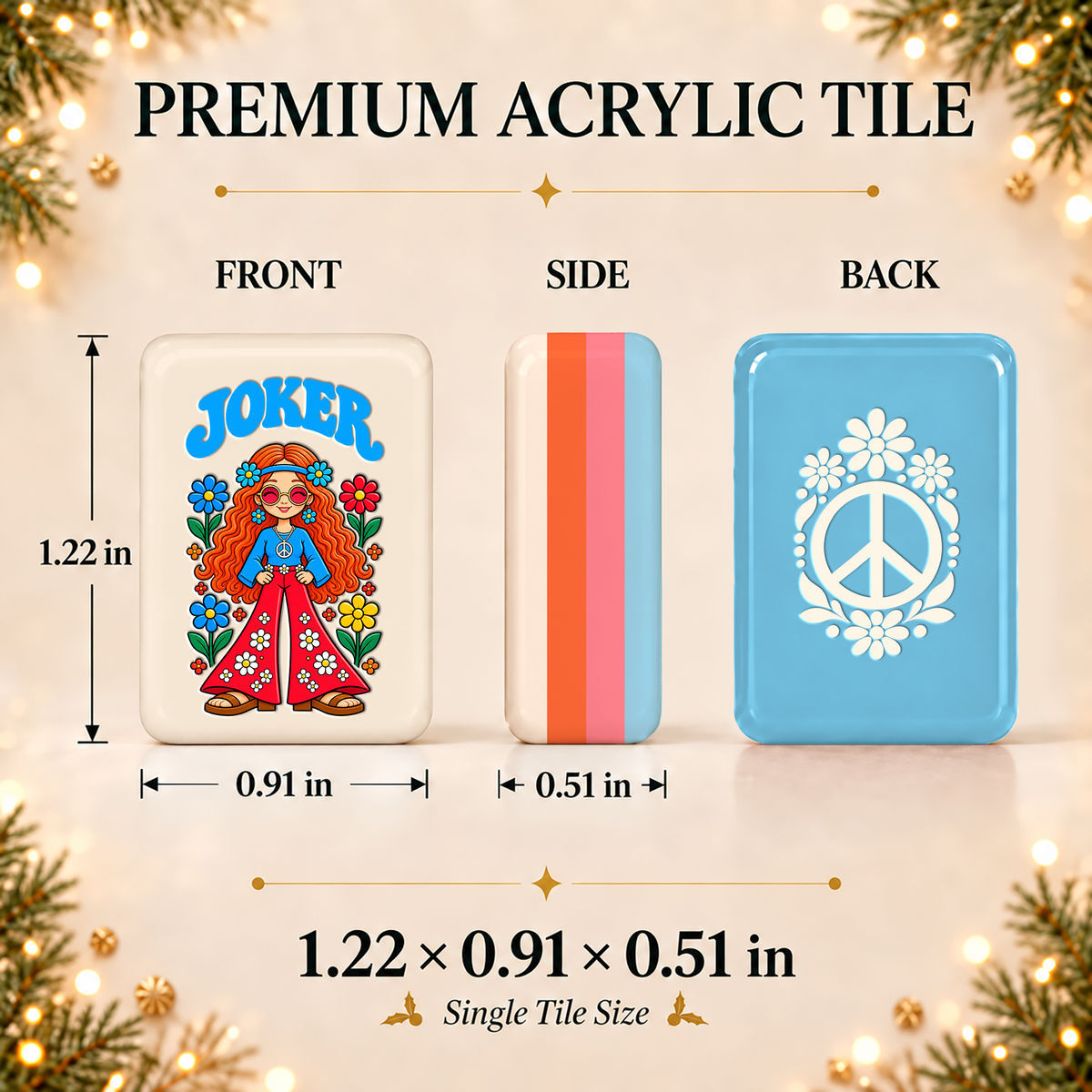
Sarasota hosts mahjong tournaments through community centers, senior centers, synagogues, and casual meetup groups—primarily American mahjong (152 tiles, no sequences, hands from the National Mah Jongg League card). Most tournaments run March through May and September through November, with entry open to beginners through advanced players; check library bulletin boards, ask at local country clubs, and search meetup platforms for "Sarasota mahjong" to find current dates and registration. Tournaments typically charge a small entry fee per player and award prizes based on final ranking; bring a mahjong set, pen, notebook, and a current year's National Mah Jongg League card (available online or from tournament organizers). Many groups loan sets to newcomers, but owning one—especially an engraved set with pushers and a mat—helps you learn the tile names and hand patterns faster, and hosting your own practice games before competition boosts your confidence.
Sarasota has a vibrant American mahjong community. Most tournaments run March through May and September through November, with entry open to beginners through advanced players; check library bulletin boards, ask at local country clubs, and search meetup platforms for "Sarasota mahjong" to find current dates and registration. Tournaments typically charge a small entry fee per player and award prizes based on final ranking; bring a mahjong set, pen, notebook, and a current year's National Mah Jongg League card (available online or from tournament organizers). Many groups loan sets to newcomers, but owning one—especially an engraved set with pushers and a mat—helps you learn the tile names and hand patterns faster, and hosting your own practice games before competition boosts your confidence.
🀄 Shop best-selling mahjong sets →
Where Do Sarasota Players Compete?
Sarasota's mahjong tournaments happen at public libraries, community recreation centers, senior activity centers, synagogue social halls, and country club game rooms. Call your local library reference desk or check the city recreation department website to ask about weekly or monthly game groups; many post flyers on bulletin boards. Country clubs often host members-only or open-to-public tournaments on weekends. Synagogues frequently sponsor mahjong socials that welcome all skill levels and all backgrounds. Search "Sarasota meetup mahjong" or "Sarasota events mahjong" online to find current groups and their meeting times.

What Skill Level Do You Need?
Tournaments in Sarasota range from beginner-friendly to highly competitive; most venues divide players into brackets by experience. A beginner group typically expects you to know basic tile recognition, understand the Charleston tile-passing ritual, and read the current year's National Mah Jongg League card (the official hand reference). Intermediate players usually have won several hands and understand hand patterns and how jokers work. Advanced or championship divisions feature players who compete regularly and score quickly. If you've played 10+ games at home with friends, you're ready for a beginner tournament; if you're new, ask the organizer whether beginners are welcome to observe or play a practice round first.
How Do You Register and Pay Entry Fees?
Contact the tournament organizer or venue directly by phone or email to ask about registration, dates, and entry fees. Most Sarasota tournaments accept walk-in registration on the day of play, though some limit tables in advance. Entry typically includes a spot at a four-player table, scoresheets, and a copy of the year's National Mah Jongg League card (if you don't have one). Bring cash and a valid ID. Ask whether the tournament provides sets or whether you bring your own; if you're loaning a set from the host, ask about its condition and whether it includes pushers and racks. Having your own 160-tile American mahjong set means you know exactly how your tiles feel and move, which reduces fumbles under tournament pressure.
What Should You Bring to a Tournament?
Pack these items in a small bag: your own mahjong set (if you own one), the current year's National Mah Jongg League card, a pen and small notebook for scorekeeping notes, a water bottle, and snacks. Wear comfortable clothes and flat shoes—tournaments can run 3–5 hours. Bring a charger for your phone if you plan to stay and socialize afterward. If you use reading glasses or bifocals, bring them; tournament lighting is usually bright but tileable tile faces are small. A mahjong mat with printed yard markings is optional but helpful if you're hosting your own practice games before you compete; it keeps tiles organized and speeds up discard and calling. Some players bring their own racks with pushers to feel at home with their hand placement; tournaments usually provide racks, but having a familiar setup reduces anxiety.
🎁 See our most-loved mahjong sets & accessories →

How to Prepare Your First Tournament
Attend at least two or three home games with the same group before you enter a tournament—this builds tile recognition speed and hand-reading confidence. Ask one experienced player to mentor you through one practice hand, explaining why certain tiles are safer to discard and how to spot winning patterns on the card. Play American mahjong at least 5–10 times before your first tournament; muscle memory and pattern familiarity matter. Memorize the basic tile suits (Bams, Craks, Dots), the 1 Bam bird symbol, and how to spot jokers and honor tiles (winds and dragons). Review the National Mah Jongg League card sections—especially the "Like Numbers" and "Consecutive Run" patterns—so you can find your hand quickly when it's dealt. Host a casual game at your home using engraved mahjong sets that help you and your guests learn tile names by sight; sets with clear tile markings and comfortable racks speed up learning. The night before the tournament, get good sleep and eat a light breakfast; tournaments test focus as much as skill.
Pre-Tournament Checklist
Step | Why It Matters | When |
Play 5–10 home games | Tile recognition and pattern spotting become automatic | 2–4 weeks before |
Memorize card sections | You'll find your hand in seconds, not minutes | 1 week before |
Misplacing a joker costs you the hand and points | 1 week before | |
Practice Charleston passing with friends | The exchange feels smooth, not rushed | 1–2 weeks before |
Own or borrow a set and handle it 10+ times | Tile weight and slide feel become familiar | 2 weeks before |
Get a good night's sleep | Mental stamina peaks when rested | Night before |
What to Check Before You Buy Your Own Set
If you're buying a set to practice before a tournament, choose a 160-tile American mahjong set with clear tile markings, comfortable weight, and decent racks. Check that all 152 playing tiles are present (count them yourself or ask the seller). Make sure the tiles show the 1 Bam bird clearly—this is the hardest tile to spot under pressure. Test the tile weight in your hand; some players prefer heavier acrylic or bamboo tiles because they slide slower and feel more deliberate. A set with engraved titles or jokes is fun for home games and helps friends learn the tiles faster by pointing to funny or personal engravings. Include a mahjong mat in your practice kit—it keeps the wall organized and the game pace consistent. Pair your set with racks and pushers so you practice holding and organizing your hand the same way you will in the tournament.
✨ Find your Mahstead set — free US shipping →
After Your First Tournament
Jot down which hands you won and which you discarded. Ask experienced players why they passed certain tiles during Charleston or why they discarded specific honors early. Request feedback on your discard strategy—often one small change (like discarding terminals before honors, or keeping pairs longer) improves your score. Return to the same venue or group within one week; repeat play with the same opponents teaches you their tendencies and speeds up your own decision-making. If you scored in the middle or lower range, it's normal—most players take 10–20 tournaments to consistently score above average. Host a small game at home using a mahjong mat and a quality set to reinforce what you learned; teaching a friend a winning hand also deepens your own understanding. Check the venue's calendar for the next tournament, and register early if there's a table limit.

FAQ
Do I need to own a mahjong set to play in a Sarasota tournament?
No. Most tournament organizers provide sets at the table. However, owning a set lets you practice at home beforehand, which improves your speed and confidence. Many players find their own set feels familiar and helps them focus during play.
What does the National Mah Jongg League card cost, and where do I get it?
The card is updated every year by the National Mah Jongg League and is available online from the League's official website or from most tournament organizers for a small fee. You'll need the current year's card to play in any American mahjong tournament.
Are Sarasota tournaments open to beginners?
Yes. Most community centers, libraries, and synagogues welcome new players and often have beginner or mixed-skill tables. Call ahead and ask whether the organizer separates players by experience level and whether they offer beginner coaching.
How long does a typical Sarasota tournament last?
Most tournaments run 3–5 hours, including a break or two. A single game takes 30–45 minutes depending on the players' experience and the table's pace. Plan for registration, practice rounds, or a break between sessions.
Can I borrow a set from a tournament venue, or should I bring my own?
Most venues loan sets; ask when you register. Bringing your own is optional but helpful if you want to practice with the exact tiles and racks you'll play with at home. A best-selling 160-tile set with pushers and a mat costs less than most venue entry fees and pays for itself through home game fun.
Do I need to know how to play before I show up?
No, but attending one or two casual home games first is wise. Ask a friend to teach you the Charleston, basic tile names, and how to read the card. Most organizers welcome absolute beginners and pair them with experienced players.


View More
View More
View More
