
Mahjong Tournaments in San Jose: Where to Play & How to Join
Last updated: Nov 23, 2026
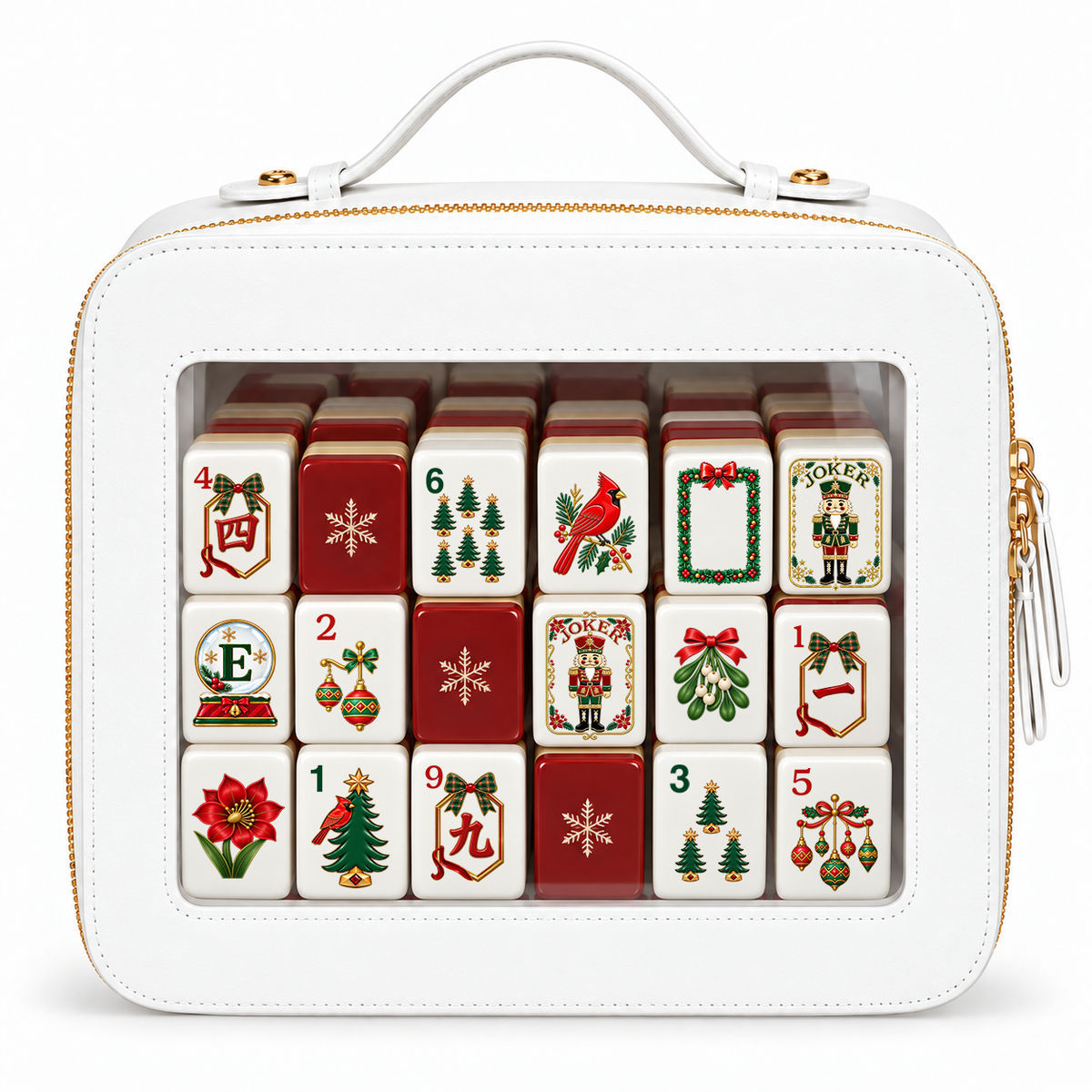
San Jose hosts American mahjong tournaments year-round through community centers, libraries, churches with active congregations, and private clubs in the greater Bay Area. Most tournaments follow National Mah Jongg League rules and run on weekends; entry is typically open to players of all skill levels, though some require proof of membership or prior tournament experience. Tournaments usually charge per player and run four to six rounds in a single day. To find current events, check community center bulletin boards, library activity calendars, Meetup.com for mahjong groups, and ask at local synagogues or senior centers—they often host or know of regular games. Before your first tournament, learn how to play American mahjong, understand the current year's National Mah Jongg League card, and invest in a reliable set with clear, readable tiles so you can keep up during fast-paced games.
San Jose has an active mahjong community with regular tournaments, casual clubs, and beginner-friendly meetups. Most tournaments follow National Mah Jongg League rules and run on weekends; entry is typically open to players of all skill levels, though some require proof of membership or prior tournament experience. Tournaments usually charge per player and run four to six rounds in a single day. To find current events, check community center bulletin boards, library activity calendars, Meetup.com for mahjong groups, and ask at local synagogues or senior centers—they often host or know of regular games. Before your first tournament, learn how to play, understand the current year's card, and invest in a reliable set with clear tiles.
Where do San Jose tournaments actually happen?
San Jose's tournament calendar centers on public community centers (check the Parks & Recreation Department website), municipal libraries, and private clubs throughout Santa Clara County. Local synagogues and churches with active membership often host invitational or open events. The Bay Area's geography means some tournaments draw from San Francisco, Oakland, and the Peninsula—a 30- to 90-minute drive—so expand your search beyond just San Jose proper. Call ahead: many venues publish schedules seasonally, not year-round. Ask the organizer whether the event is sanctioned (NMJL-rated, counts toward official rankings) or casual (fun, social, no ratings impact). Sanctioned events attract serious players; casual tournaments welcome learners.

What do I actually need to bring?
You need a personal mahjong set (152 tiles plus 8 jokers), paper and pen for scoring, your player card or ID, and snacks for a four- to six-hour day. Most tournaments provide tables, racks, and mats, but not your tiles—you must own or borrow a set. Buy or borrow early: a best-selling mahjong set with acrylic tiles is durable enough for tournament play and survives years of weekly games. Bring backup jokers (some sets include spares). Wear comfortable clothes and flat shoes; you'll sit at a table for 45 minutes per round. Many players carry a travel bag or case to protect their set during the drive. Arrive 15 minutes early to register, pay the entry fee, and meet your first table.
🀄 Shop best-selling mahjong sets →
How does tournament scoring differ from casual play?
American mahjong tournaments use the National Mah Jongg League card—issued each spring—and score by hand value, not cumulative points. When you mah jong (complete a hand), you earn points based on the hand type and difficulty level shown on that year's card. The player who dealt (East) may pay double or receive double, depending on the hand. Learn American mahjong scoring before your first event: tournaments use official hand lists, and judges will not accept hands outside them. Every round is independent—your score resets. Rankings within the tournament are usually determined by total points across all rounds or by win/loss record. Some tournaments award prizes to top finishers; others are purely social. Ask the organizer for the scoring format before you register.
What's the difference between a casual game and a tournament?
Factor | Casual Game | Tournament |
Frequency | Weekly, same group | Fixed date, often one day |
Skill mix | Usually steady | Varies; draw new opponents |
Speed | Relaxed; chatting normal | Faster; strict round timers |
Stakes | Often no money or low | Entry fee; possible prizes |
Card used | Current year's NMJL card | Current year's NMJL card |
Hands required | Same flexibility | Strict; no house rules |
Mistakes | Forgiving; replay often | Ruled on; game stands |
Casual games let you learn at your own pace and build friendships; tournaments test your speed, memory, and composure. Many players do both: casual play builds confidence, tournaments sharpen skills. If you're new, start casual. Attend two or three weekly games in your neighborhood before entering a tournament.

How do I prepare for my first tournament?
Study the current year's National Mah Jongg League card before you arrive. You don't need to memorize all hands—just get familiar with the layout so you recognize patterns quickly under pressure. Arrive well-rested; mahjong tournaments are mentally taxing. Practice how to read the mahjong card so you can spot your hand type in seconds. Understand the Charleston and how jokers work so you don't slow down your table. Play a few warm-up games the week before with people who follow tournament rules strictly. Bring a set you've played with dozens of times—not a brand-new one you're still learning. Know your best American mahjong sets so you own tiles that won't embarrass you or your opponents. If you're borrowing a set, test it weeks ahead; borrowed tiles with cracked or faded numbers slow everyone down.
✨ Find your Mahstead set — free US shipping →
How do I find and join a regular San Jose mahjong club?
Check community centers and libraries for posted flyers or ask staff directly. Search "mahjong San Jose" on Meetup.com and filter by weekly or monthly frequency. Visit local synagogues, country clubs, and senior centers—many have standing games you can join as a guest. Call ahead and ask whether the group welcomes newcomers, what the buy-in is (if any), and what tile set they use. Ask about teaching nights: many clubs dedicate one evening per month to help new players learn. Join a casual group first; build your skills and network. After three to six months, you'll hear about tournament opportunities through other players. Word-of-mouth often matters more than web listings in the mahjong community—relationships open doors.
What should you check before you buy a set for tournament play?
Tile clarity and contrast matter most. In a tournament, you have 45 minutes to complete a hand under pressure and noise. Blurry, small, or muddy numbers slow you down. Check that the 1 Bam (usually depicted as a bird) is clearly different from other Bams. Verify the Green and Red Dragons are obviously distinct. Make sure jokers are marked boldly. Acrylic tiles hold up better than bamboo for frequent play and travel. Count your jokers—a complete set has 8, but spares in a 160-tile set are a safety net if one cracks. Test the weight and balance; tiles that stick together or tumble unpredictably waste time at the table. If you're buying a mahjong set with engravings or titles, ensure personalization doesn't obscure the suit numbers or dragon symbols. Play five casual games with your set before a tournament to confirm you and your opponents can read it under normal lighting and table conditions.
🎁 See our most-loved mahjong sets & accessories →
What does a typical tournament day look like?
Arrive 15 minutes before start time. Registration takes 10–15 minutes: pay entry, receive a score sheet, and get your first table assignment. Round 1 begins; you sit with three new players, shuffle, and deal. Each round lasts 45 minutes to one hour, depending on the tournament. After Round 1, score is posted. You'll get a new table for Round 2—this rotation ensures you play against different opponents and maintains fairness. Lunch or snack break comes after Round 3 (usually). Tournaments typically run four to six rounds in one day, with a break every two rounds. Final scores are tallied and announced; top scorers may receive certificates or small prizes. The entire day usually takes six to eight hours. Bring entertainment for waiting time: a book, phone, or conversation with other players. Many players make the tournament social—it's a chance to meet the Bay Area's mahjong community.

FAQ
Do I have to be a member of a club to play in a San Jose tournament?
Most open tournaments don't require membership; you pay a day-of entry fee. Invitational or club-sponsored events may require membership or a referee's voucher. Always ask the organizer when you register.
What's the cost to enter a tournament?
Entry fees vary by venue and event type. Ask the organizer directly—costs reflect table rental, prize pools, and volunteer labor, and range widely across the Bay Area.
Can I play if I'm a complete beginner?
Yes, if you learn the rules first. Complete beginners in their first tournament will struggle with speed and card recognition. Play five to ten casual games before entering, so you're comfortable with basic gameplay and can focus on enjoying the event.
Should I use my own tiles or borrow a set?
Use your own if possible. You'll play faster with familiar tiles, and borrowed sets may have visibility issues under tournament lighting. If you must borrow, test the set at least five times in regular play first.
What happens if I forget the current year's NMJL card?
Ask the organizer if copies are provided at the tournament (many are). If not, you must bring one or be unable to verify your hand. Download or print the card before you go—don't rely on your phone's battery or internet speed.
Can I play in a tournament if I only know how to play informally, not by the official rules?
Not really. Tournaments enforce strict National Mah Jongg League rules. Before you enter, learn how to play American mahjong officially and attend at least one casual game where players follow the formal rules closely.


View More
View More
View More
