
Mahjong Tournaments in Sacramento: How to Find & Join Them
Last updated: Nov 23, 2026
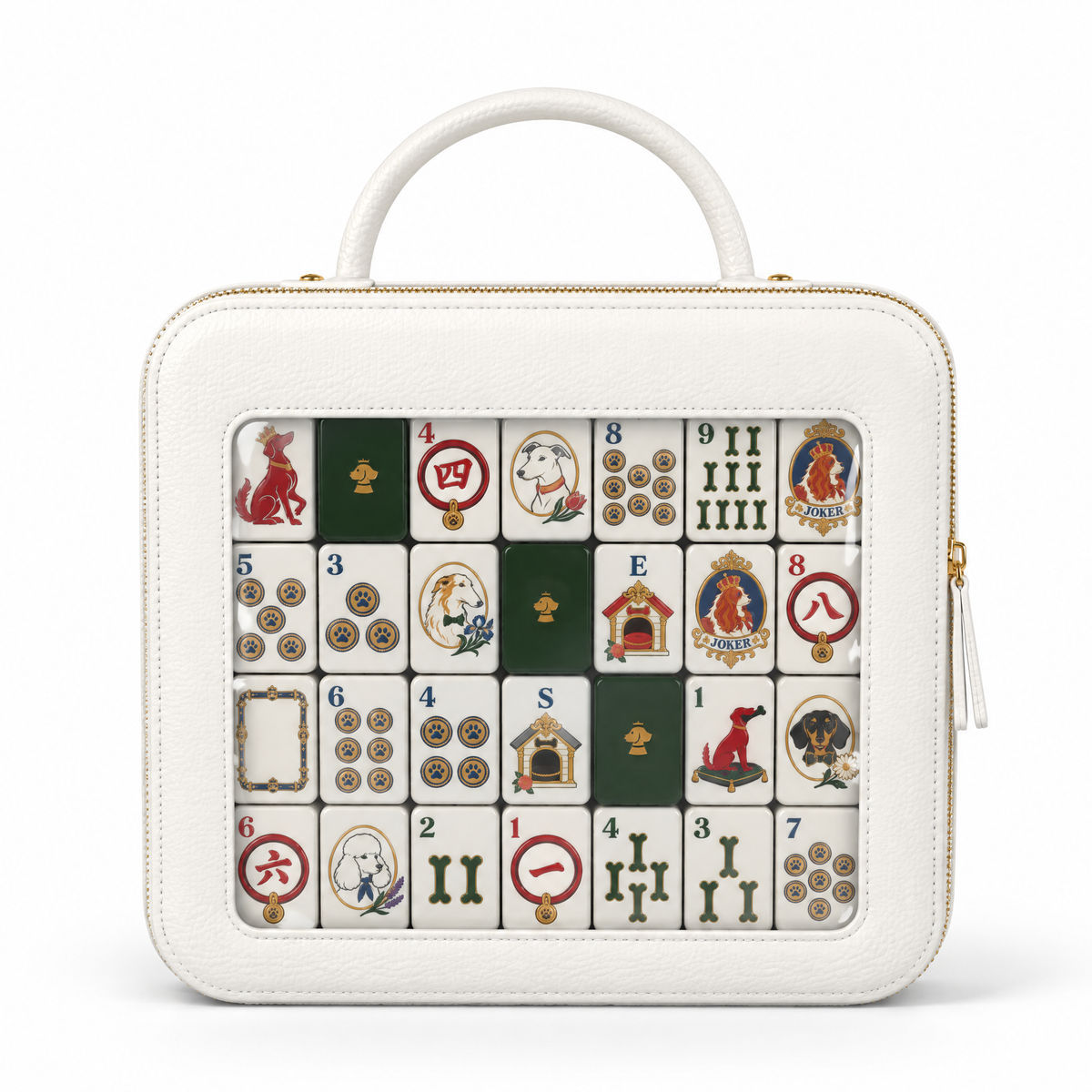
Sacramento's mahjong tournament scene centers on American mahjong played under the National Mah Jongg League card. Competitive play happens year-round through community centers, senior centers, libraries, and private clubs hosting local leagues and sanctioned tournaments. Most tournaments run weekly or monthly, with entry fees and scoring handled by organizers; some are casual, others rank players officially. To find tournaments, check community center bulletin boards, ask at local libraries about mahjong clubs, contact senior centers in midtown and suburban areas, and search online community boards and meetup platforms. Bring your own set (a 160-tile American set with acrylic tiles is durable for regular play) or arrange borrowing in advance. Tournaments typically last 2–4 hours, include 2–4 rounds, and follow the current year's NMJL card. Expect to play alongside experienced players and newcomers; many groups welcome beginners with patience and coaching.
Where do Sacramento mahjong tournaments actually happen?
Sacramento's mahjong tournaments operate through a mix of public and semi-private venues. City community centers in Midtown, South Sacramento, and outlying areas often host weekly or monthly tournaments advertised on their recreation calendars—call ahead to confirm schedules since venues and times rotate seasonally. Senior centers run some of the most active programs, offering both casual games and ranked tournaments; these welcome players of all ages. Libraries sometimes coordinate mahjong leagues in their meeting rooms and can direct you to established groups. Private clubs (country clubs, social organizations) occasionally host invitation-only or membership-based tournaments; locals at public venues can recommend which ones welcome newcomers. Check the city recreation department website, call individual community centers, and ask at local libraries for a current list of active tournaments near you.

What's the difference between casual tournaments and league play?
Casual tournaments typically meet once or twice monthly, charge a small entry fee per player, and award prizes to top scorers without recording official rankings. League play involves players registering for a season (often three to six months), competing in multiple rounds, accumulating points throughout, and culminating in a final tournament. Casual tournaments suit newcomers because they're low-pressure, drop-in friendly, and forgiving of skill gaps; league play demands consistency and deeper knowledge of how to play American mahjong and how to read the mahjong card. Ask organizers whether a group uses official NMJL scoring or house rules—this matters for strategy and tile management. Most Sacramento tournaments default to American mahjong rules; verify before attending if you've only played Hong Kong, Chinese, or Riichi variants.
🀄 Shop best-selling mahjong sets →
How do you prepare yourself and your equipment for tournament play?
Preparation starts with understanding the current year's National Mah Jongg League card—study the hand patterns, memorize a few common melds, and practice the Charleston tile-passing ritual until it feels natural. Arrive early to tournaments so you can settle in, chat with other players, and review any house rules unique to that venue. Bring or confirm access to a full 160-tile American mahjong set; acrylic tiles are tournament-standard because they're durable, audible, and easy to shuffle. Know how jokers work—they're wild but follow strict rules that vary by hand type. Study American mahjong scoring before your first tournament so you understand what scores are worth and why. Practice with experienced players beforehand if possible; most Sacramento groups host casual games you can join for free to build confidence.
What should a first-time tournament player expect?
Your first tournament will likely feel fast-paced and social. You'll draw opponents randomly or sit at assigned tables, play two to four rounds over a few hours, and rotate tables between rounds to face different opponents. Rounds typically last 45 minutes to an hour per game. The room noise level is usually moderate—people chat, tiles clack against the table, organizers call out round times. Experienced players will watch your moves; if you're learning, most will offer gentle corrections or tips, especially during casual tournaments. Scoring is announced after each round, often posted on a whiteboard or shared sheet. You may not win your first tournament, and that's completely normal—many veteran players say their early tournaments taught them more than months of home games. The social atmosphere is welcoming; players often exchange phone numbers and invite newcomers to practice games before the next tournament. Budget 2–4 hours and bring water or a snack.

How do tournament rules differ from home games?
Tournament rules follow the mahjong for beginners fundamentals but add a few strict boundaries. Hand claims have time limits—you can't pause indefinitely to verify a hand; organizers enforce a 30-second window to declare your win. Tile calling and discarding must be audible; whispered plays are disallowed. Jokers are used strategically but cannot stand alone as a single tile or occupy a pair position—tournament officials watch for this. The current year's NMJL card is the only legal reference; no house-invented hands. Hands with errors (wrong tile count, misdeclared meld) are dead and scored zero. Charleston passes must complete in a set time—usually two minutes for all passes combined. If a player violates rules repeatedly, organizers may bar them from future events. Most venues post a house-rules sheet at check-in; read it carefully. These rules exist to keep games fair and tournaments on schedule; respecting them builds your reputation as a serious player.
Tournament Factor | Casual League | Ranked/Official | Solo Play at Home |
Typical frequency | Monthly or drop-in | Weekly; full season | Anytime |
Scoring system | Often simplified or house rules | Official NMJL card | Your preference |
Rank or record kept | Usually no | Yes; season standings | No |
Skill mix | Beginners welcome; mixed | Intermediate to advanced | You set difficulty |
Entry fee | Small, per tournament | Seasonal registration | None |
Pressure level | Low; social focus | Moderate to high | None |
Best for learning | Yes; forgiving environment | No; assumes competency | Yes; self-paced |
How do you find tournaments in Sacramento right now?
Start by calling your nearest community recreation centers and asking whether they host mahjong tournaments; if yes, request the current schedule and contact info for the organizer. Check the Sacramento Parks and Recreation website and search for "mahjong" in their activity calendar. Visit your local library reference desk and ask about mahjong clubs or leagues they coordinate; librarians often maintain contact lists for local game groups. Search community bulletin boards (nextdoor, Meetup, Facebook community groups specific to Sacramento) using terms like "mahjong Sacramento," "mahjong league," or "mahjong game." Call senior centers in your neighborhood and ask if they host mahjong programs; these often have the most active play. Once you locate one group, ask for referrals to others—the mahjong community is tight-knit, and players usually know other venues. Join one casual tournament first to meet organizers and other players; they'll give you the best intel on other tournaments and practice groups.
🎁 See our most-loved mahjong sets & accessories →
What to check before you attend your first tournament
Set and tiles: Confirm whether you should bring your own set or whether the venue provides sets. If you're bringing your own, ensure all 152 tiles are present and the 8 jokers are included and distinguishable (jokers often have a unique marking or color). Acrylic tiles are preferred at tournaments—they're loud, won't warp, and shuffle smoothly.
Card and rules: Ask the organizer whether they use the current year's NMJL card and what house rules apply. Request a copy of the rules sheet before the tournament so you can study it.
Timing and location: Confirm the exact start time, end time, and number of rounds. Arrive 15 minutes early to check in, settle at your table, and ask questions.
Entry fee and prizes: Ask the organizer what the entry fee is, how many people typically attend, and what the prize structure is (if any). This helps you set realistic expectations.
Skill level: Be honest about your experience. Tell the organizer if you're brand-new; some tournaments assign beginner-friendly tables or pair you with a patient partner.
Sacramento's mahjong scene is active, welcoming, and growing. The easiest path to your first tournament is calling a community center or library to ask when the next mahjong event is happening. Prepare by studying the current NMJL card, practicing the Charleston, and understanding basic American mahjong scoring. Invest in a quality 160-tile American mahjong set with durable acrylic tiles—it will last through hundreds of games and tournaments. Most veteran players use a mahjong mat to organize tiles and a rack with pushers to speed up play, both of which are tournament-friendly. Your first tournament won't be your last once you feel the energy of competitive play and the friendships that form around the table.
✨ Find your Mahstead set — free US shipping →

FAQ
Do I have to be an expert to play in a Sacramento tournament?
No. Many tournaments welcome beginners, especially casual leagues. Arrive prepared to learn, ask questions between rounds, and accept that your first tournament is a learning experience, not a competition to win.
Can I play if I only know Hong Kong or Chinese mahjong?
American mahjong is a different game with distinct rules, hand patterns, and tile use. Study American rules beforehand or attend a practice session; most Sacramento groups are happy to teach newcomers, but tournaments move fast.
What happens if my mahjong set is incomplete or broken during a tournament?
Contact the organizer immediately. Most venues have spare sets or can pause your game while you locate tiles. Bringing a complete, tested set avoids this problem—check all 160 tiles at home before you go.
Are there tournaments specifically for beginners?
Some Sacramento community centers and senior centers run beginner-focused sessions. Ask organizers whether they offer separate beginner rounds or pair newcomers with experienced players for coaching.
How much does it usually cost to enter a tournament?
Entry fees vary by venue and tournament type but are typically modest. Contact individual organizers for their current fee structure; casual tournaments tend to cost less than ranked league play.
Can I borrow a set at a tournament if I don't have my own?
Many venues loan sets, but availability is limited. Call ahead and arrange this in advance to guarantee a set is held for you.


View More
View More
View More
