
Mahjong Tournaments in South Carolina: Your Complete Guide
Last updated: Nov 23, 2026
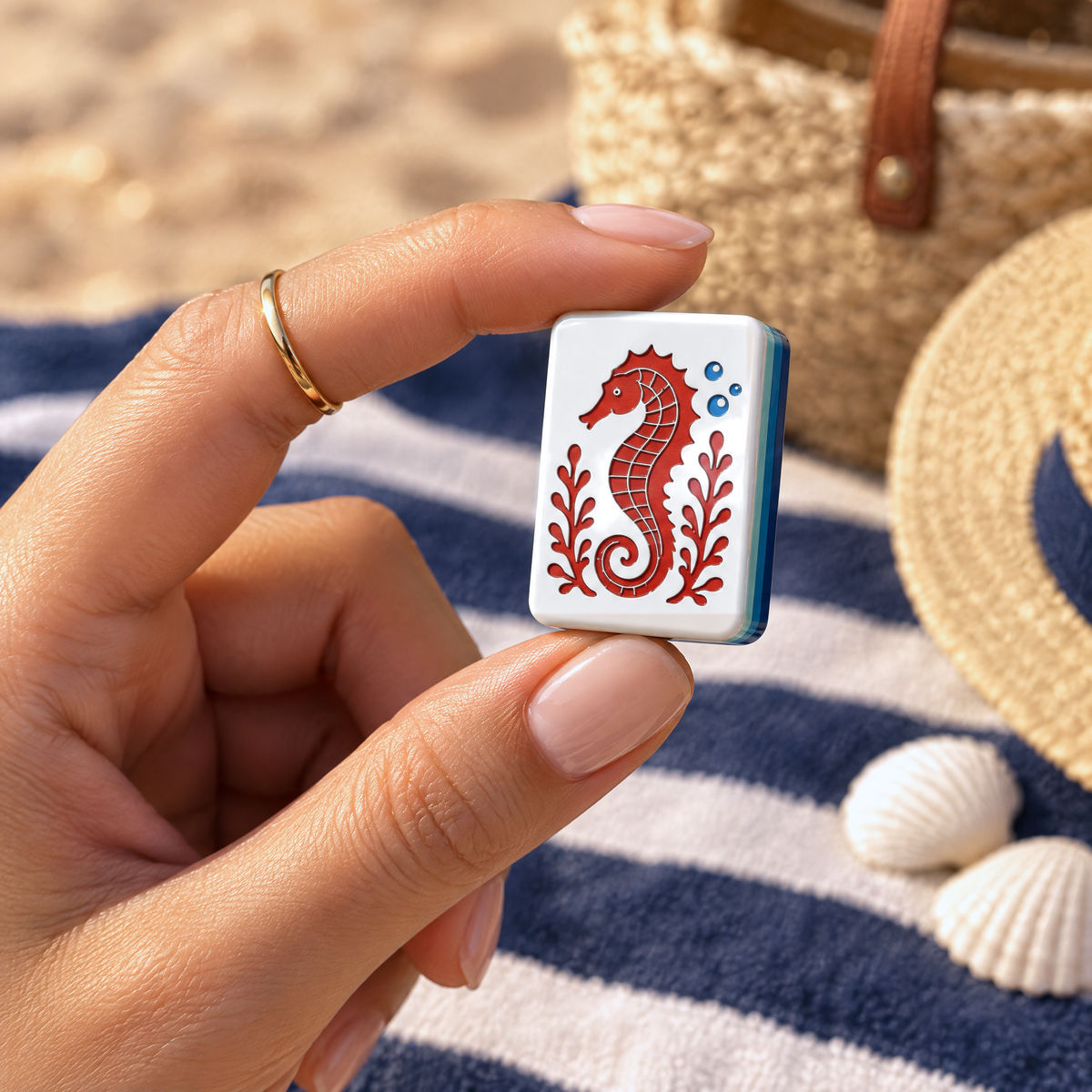
Mahjong tournaments in South Carolina range from casual club competitions to structured league play, most organized by local community centers, libraries, synagogues, country clubs, and independent meetup groups. The American mahjong scene (played with 152 tiles and the National Mah Jongg League card, updated yearly) dominates the state. Tournaments typically run as round-robin or bracket formats over 3–5 hours; entry is usually free or a small donation. To find events, search online meetup boards, call community centers in your area, ask at local Chinese restaurants or cultural centers, and join regional Facebook groups where players post schedules. Most tournaments use players' own sets or provide shared equipment. Winners often receive bragging rights rather than cash prizes. Newcomers should learn the current-year League card, practice the Charleston tile-passing ritual, and understand hand-building before attending—learn the basics at our beginner guide.
South Carolina's mahjong tournaments in South Carolina range from casual club competitions to structured league play, most organized by local community centers, libraries, synagogues, country clubs, and independent meetup groups. The American mahjong scene (played with 152 tiles and the National Mah Jongg League card, updated yearly) dominates the state. Tournaments typically run as round-robin or bracket formats over 3–5 hours; entry is usually free or a small donation. To find events, search online meetup boards, call community centers in your area, ask at local Chinese restaurants or cultural centers, and join regional Facebook groups where players post schedules. Most tournaments use players' own sets or provide shared equipment. Winners often receive bragging rights rather than cash prizes. Newcomers should learn the current-year League card, practice the Charleston tile-passing ritual, and understand hand-building before attending.
Where do South Carolina mahjong tournaments happen?
South Carolina mahjong tournaments cluster in urban and suburban areas with established Asian communities—Charleston, Columbia, Greenville, and the Lowcountry regions. Libraries, community recreation centers, synagogues, and country clubs are the most common hosts. Check your local library's event calendar online, call the recreation department, or visit synagogue websites to ask about mahjong groups; many advertise weekly or monthly games and seasonal tournaments. Facebook groups and Meetup.com often list upcoming events by region. Ask at dim sum restaurants or Asian cultural centers—players gather there and can direct you to tournaments.

What format should I expect at a South Carolina tournament?
Most South Carolina tournaments follow American mahjong rules with a round-robin or Swiss-style bracket, where players rotate at different tables over 4–6 rounds. Each game lasts 1–1.5 hours; a typical tournament runs 3–5 hours with breaks. Scoring follows the National Mah Jongg League system: winners earn points based on hand value; ties are broken by hand difficulty or agreed house rules. Bring the current-year League card (updated every spring), a pen, and small paper for score tracking. Organizers usually provide tiles and mats, but bringing your own best-selling mahjong set ensures you're comfortable and familiar with your equipment's feel.
How do I prepare for my first South Carolina tournament?
Preparation starts four weeks before the event. First, learn the current-year National Mah Jongg League card—study the hand patterns, practice reading the card quickly, and memorize how to spot a winning hand. Second, master the Charleston: the three-pass tile-exchange ritual before play; our Charleston guide covers every step. Third, play 8–10 practice games with experienced players; ask questions about hand-building, joker use, and exposure rules. Fourth, review how jokers work in American mahjong—jokers can never be a single tile or pair, and understanding this prevents rule violations. Fifth, study American mahjong scoring so you know what hands pay and why. Bring water, snacks, and a positive attitude.
🀄 Shop best-selling mahjong sets →

What equipment should I bring or buy before a tournament?
Tournament play works fine with borrowed sets, but owning your own tile set, mat, and racks speeds up your game and builds muscle memory. Here's what tournament players typically carry:
Item | Tournament Role | Why It Matters |
152-tile acrylic set | Your primary tiles; familiar weight, click, shuffle | Consistency; speeds hand-building; reduces errors |
Wooden or neoprene mat | Organized tile layout; defines your zone at table | Reduces spills; keeps game space clear for all players |
Bamboo racks with pushers | Organize your 13 tiles; pushers signal readiness | Prevents accidental exposure; professional appearance |
Drawstring or hard case | Protects tiles during transport | Prevents damage; shows tournament readiness |
Current-year League card | Printed or laminated copy | Required for hand lookup; laminated lasts all season |
We recommend starting with an engraved set from our best-selling collection—acrylic tiles are durable, easy to clean, and won't warp in humid SC summers. Pair it with a neoprene mat to match your style, bamboo racks with pushers, and a travel bag or hard case so everything arrives ready.
What mistakes do South Carolina tournament newcomers make?
First mistake: arriving unprepared on the card. The League card changes yearly; using last year's card means you won't recognize current hands and will slow down every table. Buy the current-year card in spring from the National Mah Jongg League website or local game shops, or ask tournament organizers where to get one.
Second mistake: misunderstanding joker rules. Many new players think jokers are wildcards that can replace any tile in any position—they can't. In American mahjong, jokers can only substitute for tiles in exposed sets (pungs, kongs, quints, sextets) and never for a single tile or a pair. Practice games before the tournament will drill this in.
Third mistake: exposing tiles too early or incorrectly. American mahjong only allows exposure of complete sets (3, 4, 5, or 6 identical tiles), never sequences. Exposing a hand before you're ready to win costs you the game.
Fourth mistake: poor tile organization during the Charleston. If you can't pass and receive tiles smoothly, you'll annoy your table-mates. Practice passing and receiving in sets of 3, 6, and 9 tiles until it feels automatic.
Fifth mistake: ignoring house rules. Before play begins, ask the organizer and your table if there are any local rule variations (e.g., Does a quint count as two melds? Do ties replay or split the payment?). American mahjong has regional tweaks; clarifying early prevents disputes.
What to check before you buy equipment for a tournament:
Tile count: Confirm your set is 152 tiles for play (plus spares); some retailers sell partial sets. Mahstead sells 160-tile sets, which include 152 playing tiles plus spares for durability.
Material: Acrylic tiles withstand humidity and repeated shuffling better than bamboo or bone; they're ideal for South Carolina's climate.
Mat size: Standard mats fit 36"–42" tables; check your local venue's setup to match.
Case or bag: If you'll carry your set weekly, a padded case protects tiles from cracks and discoloration.
Racks and pushers: Bamboo racks are tournament-standard; plastic works but feels cheaper and slows your play.
🎁 See our most-loved mahjong sets & accessories →
How do I find and join a regular South Carolina mahjong group or league?
Start by calling or visiting your local community recreation center, library, or synagogue and ask if they host mahjong nights or weekly games. Many South Carolina centers run free or low-cost weekly sessions; organizers can point you to tournaments. Search Facebook for "mahjong South Carolina," "mahjong Charleston," or "[your city] mahjong group"—regional groups often post event schedules and welcome newcomers. Meetup.com also lists game groups; filter by mahjong and your city. Attend a few weekly games first to build skills and friendships; most established players will invite you to tournaments once they see you're ready. Don't hesitate to ask organizers directly: "When is the next tournament?" Most communities run seasonal events (spring, fall, or holiday tournaments) and can tell you the date and registration process.
✨ Find your Mahstead set — free US shipping →

FAQ
Do I need to own my own mahjong set to play in a South Carolina tournament?
No. Most tournaments provide shared tiles and mats, or players pool equipment. However, owning your own set builds confidence, lets you practice at home, and ensures you're comfortable with your tiles' weight and shuffle feel during play.
How much does it cost to enter a South Carolina mahjong tournament?
Entry is typically free or $5–10 per player; most tournaments run on donations or are organized by nonprofits. Prize payouts are rare; winners usually earn recognition and bragging rights instead.
What is the National Mah Jongg League card, and where do I get it?
The League card is the reference guide for all legal hands in American mahjong; it's updated every spring. Buy the current-year card from the National Mah Jongg League website (nmjl.org), game retailers, or ask your tournament organizer. A laminated copy lasts the whole season.
Can I play Chinese or Hong Kong mahjong in South Carolina tournaments?
Most South Carolina tournaments use American mahjong rules (152 tiles, League card, no sequences). Chinese and Hong Kong variants are less common but may run at specialized groups; ask organizers or regional Facebook groups if those formats are available near you.
What should I do if I make a rule mistake during a tournament game?
Stop play immediately and call the table judge or organizer. Common mistakes—misreading the card, exposing a sequence instead of a pung, using a joker illegally—are resolved by resetting that turn or, in rare cases, declaring a dead hand. Judges prioritize learning over penalties for newcomers.
How do I know if I'm ready for a tournament?
You're ready when you can: (1) read the current-year League card in under 30 seconds, (2) complete the Charleston without confusion, (3) play 1–2 full games without asking "Is this hand valid?", and (4) understand joker and exposure rules. Attend 3–4 weekly practice games before your first tournament.


View More
View More
View More
