
Mahjong Tournaments in Plano: Where to Play & How to Compete
Last updated: Nov 23, 2026
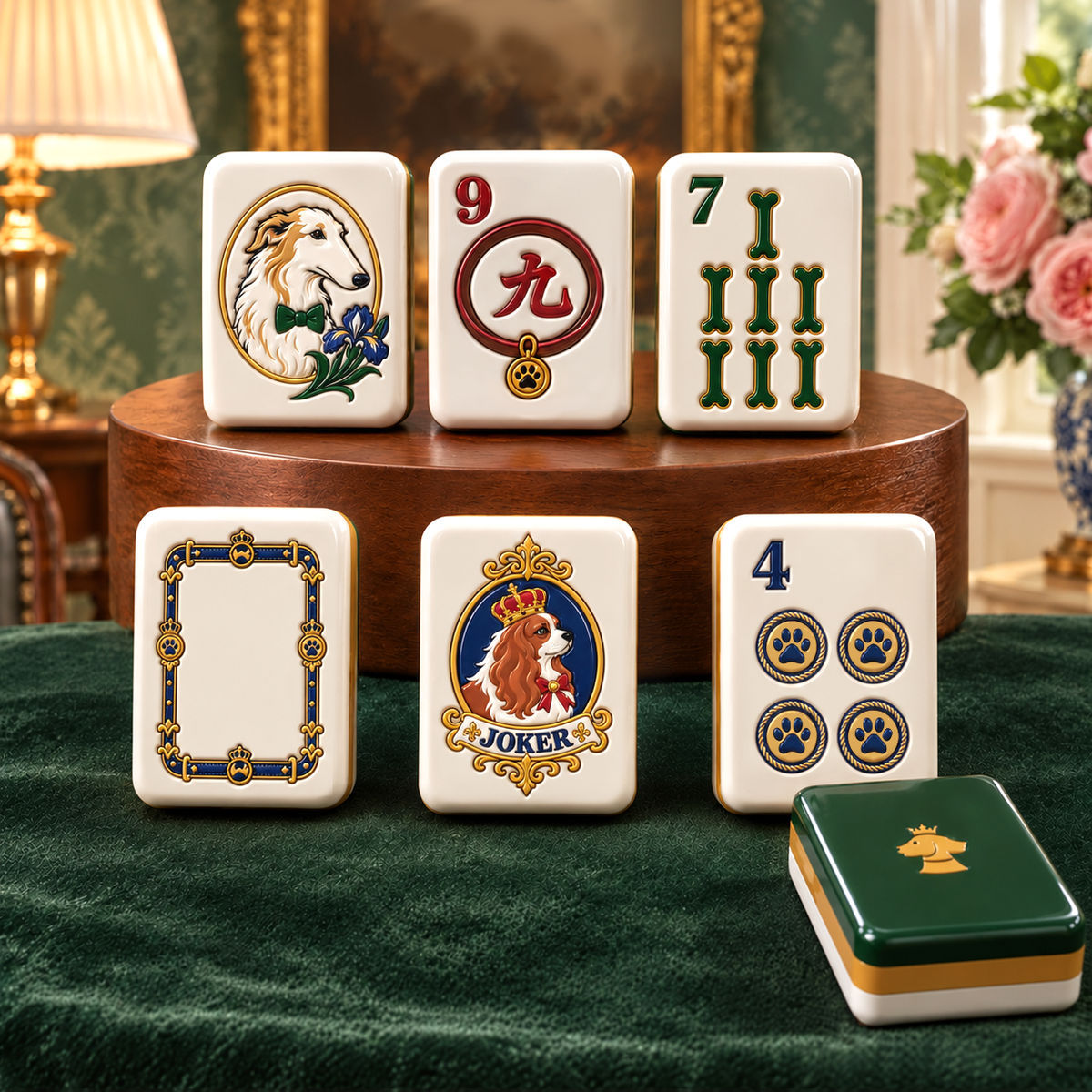
Plano-area mahjong tournaments and leagues operate year-round through community centers, libraries, country clubs, and private clubs scattered across the Dallas metroplex. Most follow American mahjong rules using the current National Mah Jongg League card (issued each spring). Tournaments typically run 2–4 hours with 3–6 rounds, cost ranges vary by venue and format, and competitive play requires knowledge of hand-reading, the Charleston tile-passing ritual, and current card patterns. Start by checking Meetup boards, library bulletin boards, and social media groups for "Dallas mahjong" or "North Texas mahjong"—these list regular meetups and sanctioned events. Many clubs welcome newcomers and offer beginner tables. If you're new to the game, mahjong for beginners covers essential rules before you enter tournament play.
Plano sits in the heart of Dallas's strong mahjong community. Whether you're a casual player eyeing your first tournament or an experienced hand looking for competitive tables, the area offers regular opportunities to play alongside serious competitors. Here's what you need to know to find and compete in Plano-area mahjong tournaments.
Where do Plano-area mahjong tournaments actually happen?
Tournaments cluster in three settings: municipal venues (community centers and libraries), private membership clubs, and ad-hoc charity events. Check your city's parks-and-recreation website first—many run seasonal mahjong leagues or partner with instructors who host tournaments. Libraries often host drop-in mahjong groups or tournament sign-ups on bulletin boards. Country clubs and private clubs in the area frequently organize member tournaments. Finally, search Meetup and Facebook for "Dallas mahjong tournament" or "North Texas mahjong league"—these pages post dates, locations, entry fees, and hand limits weeks in advance. Call ahead to confirm rules (some venues limit jokers or use house scoring tweaks) and whether tables are filled or still accepting players.

What's the difference between casual league play and sanctioned tournaments?
Casual leagues meet weekly at a fixed location, play for fun or modest stakes, and use relaxed scoring. Sanctioned tournaments (registered with the National Mah Jongg League or organized by established clubs) enforce strict rules: the current year's card only, no house variations, official joker and blank tile counts, and standardized scoring. Tournaments charge entry fees and award prizes or ranking points. If you've only played house rules—like allowing seatings not on the card, or using unlimited jokers—sanctioned play will feel stricter. The biggest adjustment is accuracy: in tournament play, an illegal hand costs you the round and often a penalty, whereas a casual game might just laugh it off. Before entering a tournament, brush up on how to read the mahjong card and confirm which variant (American is standard in Texas) the venue uses.
What should you bring to a Plano mahjong tournament?
Tournament organizers provide the mahjong set, mat, and racks unless stated otherwise. Bring a notebook to track scores, a pen, and your player ID if you're registered with the league. Wear comfortable clothing—tournaments can run 3–4 hours with minimal breaks. Some players bring water or a light snack (check venue rules). If you're nervous about set quality or unfamiliar with tournament-grade equipment, you might bring your own best-selling mahjong sets if the venue permits—though most don't allow personal sets to ensure consistency. If you're hosting a small tournament or league at home, however, a quality acrylic set with a matching mat and racks with pushers speeds play and prevents disputes over tile position.
🀄 Shop best-selling mahjong sets →

What are common tournament mistakes Plano newcomers make?
Misreading the card. Most newcomers call hands that don't match the card layout—take 30 seconds to double-check before declaring a win. Joker abuse. American mahjong limits jokers per hand (jokers cannot form a single tile or a pair). Verify the hand section on the card before assuming a joker works. Slow play. Tournaments have time limits. Learn the Charleston beforehand so you're not the player holding up the table during tile exchanges. Confusing suit names. Always say "Bam," "Crak," "Dot"—not "bamboo," "character," or "circle." Consistency prevents tile confusion. Forgetting to discard. After drawing, you must discard; failing to do so voids your turn. Playing outside the card year. Tournaments use only the current year's card (2026 for this season). Showing up with last year's card disqualifies you from sanctioned play.
Common Mistake | Why It Costs You | How to Avoid It |
Illegal hand called | Lose the round + penalty | Read card section twice before declaring |
Wrong joker placement | Hand invalid; no points | Memorize one hand type per week pre-tournament |
Slow Charleston | Table waits; time penalty | Practice tile exchanges at home first |
Using old card | Disqualification | Buy current year's card or confirm venue provides it |
Miscounting tiles | Entire hand invalidated | Use racks with pushers to see all 13 tiles clearly |
How should you prepare your first month before entering a tournament?
Week 1–2: Learn how to play American mahjong and memorize the basic suit names, wind and dragon tiles, and how jokers work. Week 2–3: Study the current National Mah Jongg League card (available free online or in sets). Focus on one or two hand categories (like "like number" or "consecutive sets"). Week 3–4: Play 4–5 casual games with experienced players—ask them to point out card errors in real time. Attend a meet-up or drop-in group to see how fast tournament play moves and get comfortable with the pace.
🎁 See our most-loved mahjong sets & accessories →
What to check before you enter a tournament
Confirm the card year. Some venues still use older cards; call ahead.
Ask about joker limits. Most tournaments allow 8 jokers in the 152-tile set; some reduce to 4 or 6. Know the house rule.
Verify entry fee and prize structure. Sanctioned tournaments are transparent about costs and payouts.
Check start time and round length. Most Plano tournaments run 25–35 minutes per round; know your schedule.
Ask whether personal sets are allowed. If you own a quality set with a good mat, you may bring it—but always ask.
Arrive 15 minutes early. Tournaments often pair players and assign seats before the first round starts.
✨ Find your Mahstead set — free US shipping →
If you're hosting a home tournament in Plano or preparing teammates for competitive play, best-selling mahjong sets paired with a mahjong mat and racks with pushers ensure everyone plays on the same professional footing. Quality tiles and clear tile storage prevent rules disputes and let players focus on strategy.

FAQ
Do I need to join a club to play in a Plano mahjong tournament?
No. Most public tournaments and drop-in leagues welcome non-members. Check Meetup, library boards, and community center listings. Membership clubs offer regular play but usually require dues or sponsorship.
What's the cheapest way to start playing tournament mahjong?
Attend free or low-cost drop-in games at libraries or community centers. Entry fees for casual league play typically range from $5–$15 per session; sanctioned tournaments are higher.
Can I use my own mahjong set in a Plano tournament?
Ask the organizer first. Most sanctioned tournaments and clubs provide sets to ensure consistency. Casual home tournaments or practice sessions welcome personal sets.
What happens if I call an illegal hand in a tournament?
You lose that round and sometimes incur a penalty (vary by venue rules). Your hand is dead, tiles are discarded, and play continues. Some venues also dock a point or require you to pay a small penalty.
How do I find a beginner tournament in Plano?
Contact local community centers and libraries; many offer "beginner bracket" tournaments or coach newcomers in drop-in groups. Meetup groups often have beginner-friendly events tagged clearly.
Can I use house rules I learned at home in a Plano tournament?
No. Tournaments enforce the National Mah Jongg League card and standard American mahjong rules only. House variations (like allowing off-card hands or unlimited jokers) are not permitted in sanctioned play.


View More
View More
View More
