
Acrylic vs Plastic Mahjong Tiles: Which Should You Buy?
Last updated: Nov 23, 2026
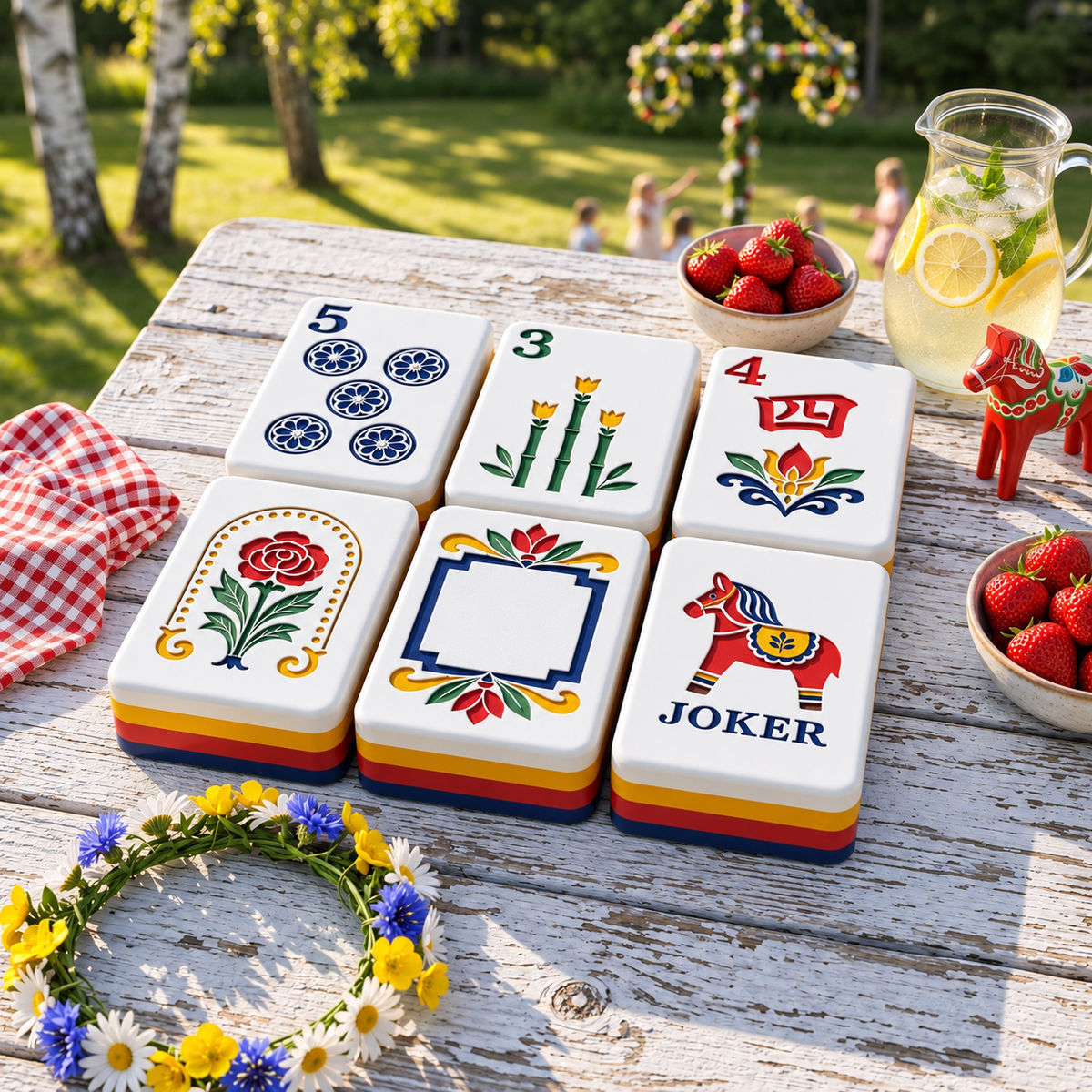
Acrylic tiles are heavier, quieter, more durable, and feel premium during play; plastic tiles are lightweight, cheaper, and perfectly fine for casual games. Acrylic is cast or injection-molded with solid color throughout the tile; plastic is typically lighter resin. Acrylic tiles last through hundreds of games without chips or fading; plastic can develop wear spots and may warp if stored in heat. Most weekly players and serious hosts prefer acrylic for the tactile experience and longevity. Plastic works well for travel, beginners, or players on a tight budget. Both materials let you engrave custom designs. Our best-selling mahjong sets showcase both options so you can compare in person before deciding.
When you sit down to your first game or your five-hundredth, the tiles in your hand tell you everything about the set—whether you've invested in acrylic or settled for plastic. Both will carry you through a hand, but the difference becomes clear after the first hour of play.
What's the actual difference between acrylic and plastic tiles?
Acrylic tiles are cast or injection-molded from polymethyl methacrylate (acrylic resin) or similar compounds; they're solid throughout and often have embossed or engraved designs that cut into the material. Plastic tiles are typically made from lighter polyresin blends that cost less to produce and ship. Acrylic tiles weigh noticeably more—a full set feels substantial in the rack. Plastic tiles feel hollow by comparison. When you draw a tile from a plastic rack, it makes a thin click; acrylic tiles produce a deeper, more satisfying sound. This difference shapes how serious players experience the game: acrylic creates the sensory feedback that keeps the table engaged.

Why do experienced players choose acrylic?
After hosting weekly games for years, we've watched players' preferences settle toward acrylic for one reason: it doesn't degrade. Acrylic tiles resist chips, cracks, and the cloudy wear spots that appear on plastic after 50 or more games. The engraved or embossed details stay sharp. Color doesn't fade. Plastic tiles, especially if stored in a warm car or garage, can warp slightly or develop a sticky surface. An acrylic set from five years ago plays identically to a new one; a plastic set from five years ago may have uneven surfaces or faded symbols. The cost difference is real, but so is the gap in lifespan. If you host monthly or weekly, acrylic pays for itself in durability and the pleasure of consistent play.
🀄 Shop best-selling mahjong sets →
When is plastic the right choice?
Plastic tiles make sense if you're a beginner learning the rules, travel frequently with your set, or have a strict budget. A plastic set is cheaper upfront and lighter to carry. If you play once or twice a year at a friend's house, plastic won't let you down—it'll do the job. Some players prefer plastic for travel specifically because a lost or damaged tile costs less to replace or ignore. Plastic also works well if you're uncertain whether mahjong will stick as a hobby; investing in acrylic before you've played ten times is premature. Once you know you love the game and play regularly, upgrade to acrylic.
How much does material choice affect the price?
Acrylic sets cost more to manufacture, ship (weight adds up), and design with custom engravings. Plastic sets are cheaper on the shelf, but when you factor in replacement costs over five years, the per-game price may be similar or higher than acrylic. See current price on the product page for specific models, but expect acrylic to run higher upfront. If you play weekly, divide the set cost by the number of games you'll play per year—acrylic often works out cheaper per session over a 3-5 year span.

What design and customization options exist for each material?
Both acrylic and plastic tiles accept engraving and embossing. Acrylic tends to show engraved details more crisply because the material is denser and the design cuts deeper. Plastic engravings can fade or fill with dust over time. Our engraved American mahjong sets come in acrylic with custom designs ranging from family names and monograms to logos and seasonal themes. If you want your set to look distinctive and stay that way, acrylic holds custom work better. Plastic custom sets exist but are less common among serious players because the customization doesn't age as well.
Quick comparison: acrylic vs. plastic at a glance
Criterion | Acrylic | Plastic |
Weight per full set | 2–3 lbs (substantial) | 1–1.5 lbs (light) |
Sound during play | Deep, satisfying click | Thin, hollow click |
Durability (years of weekly play) | 5+ with minimal wear | 2–3 before visible wear |
Chip/crack risk | Very low | Moderate (esp. in heat) |
Engrave detail retention | Sharp and permanent | May fade or fill |
Upfront cost basis | Higher | Lower |
Travel-friendly | Yes, but heavier | Yes, lighter |
Best for | Serious, regular players | Beginners, casual, travel |
🎁 See our most-loved mahjong sets & accessories →
What should you check before you order?
Material confirmation: The product page should clearly state "acrylic" or "plastic." Don't assume. Some sellers mix terminology; if you see "resin" or "polymer" without "acrylic," ask the seller to clarify.
Tile weight: Pick up or request details on the full set weight. Acrylic sets typically weigh more than 2 pounds; plastic sets under 1.5 pounds signal a lighter material.
Surface finish: Ask whether tiles are embossed (design raised above the surface) or engraved (design cut into the tile). Embossed plastic shows wear quickly; engraved acrylic stays crisp.
Engrave durability: If you want custom designs, request samples or photos of older engraved sets. Acrylic engravings should look as clear in a 2-year-old set as in a new one.
Climate consideration: If you store your set in a garage, attic, or car in summer, acrylic is more resistant to warping. Plastic can become sticky or slightly misshapen in heat.
Replacement tile availability: Ask whether the seller stocks spare tiles in the same material and finish. Mixing acrylic and plastic tiles is noticeable and uncomfortable.
Our mahjong titles collection lets you filter by material and see exact specifications before checkout. We include detailed product descriptions so you know what you're getting.
The real question: do you play often?
The choice between acrylic and plastic hinges on one factor: frequency. If you play weekly or host regular games, acrylic is worth the investment. If you play a few times a year or are just starting out, plastic is sensible. And if you're a traveler or prefer carrying something light, plastic works fine for occasional play. The best set is the one you'll actually use—and the material won't stop you from winning.
✨ Find your Mahstead set — free US shipping →

FAQ
Can I mix acrylic and plastic tiles from different sets?
You can, but don't—the weight, sound, and surface feel will be noticeably different during play. It disrupts the table's rhythm and can make shuffling uneven. If a tile breaks, replace it with the same material as the rest of the set.
Do acrylic tiles get cloudy or stained over time?
No, if they're true acrylic cast tile. Plastic can become cloudy or sticky, especially in hot storage. Acrylic stays clear and smooth unless physically scratched. Our sets are stored and shipped in conditions that protect them.
Are there eco-friendly options between acrylic and plastic?
Most mahjong tiles are petroleum-based polymers. Neither acrylic nor plastic is "eco-friendly" in a traditional sense. If sustainability matters, buy once and keep it for decades—acrylic's longevity means fewer replacements, so fewer tiles in landfills.
Can I engrave both acrylic and plastic equally well?
Acrylic holds engraved detail much more sharply and permanently. Plastic can be engraved but the design may fade or accumulate dust in the grooves. For custom, personalized sets, acrylic is the better choice.
What's the typical lifespan of a plastic mahjong set?
With casual play (2–4 times per year), 5–7 years. With weekly play, 2–3 years before visible wear. Acrylic sets routinely last 10+ years with the same weekly use.


View More
View More
View More
