
Mahjong Tournaments in Orlando: Where to Play & How to Compete
Last updated: Nov 23, 2026
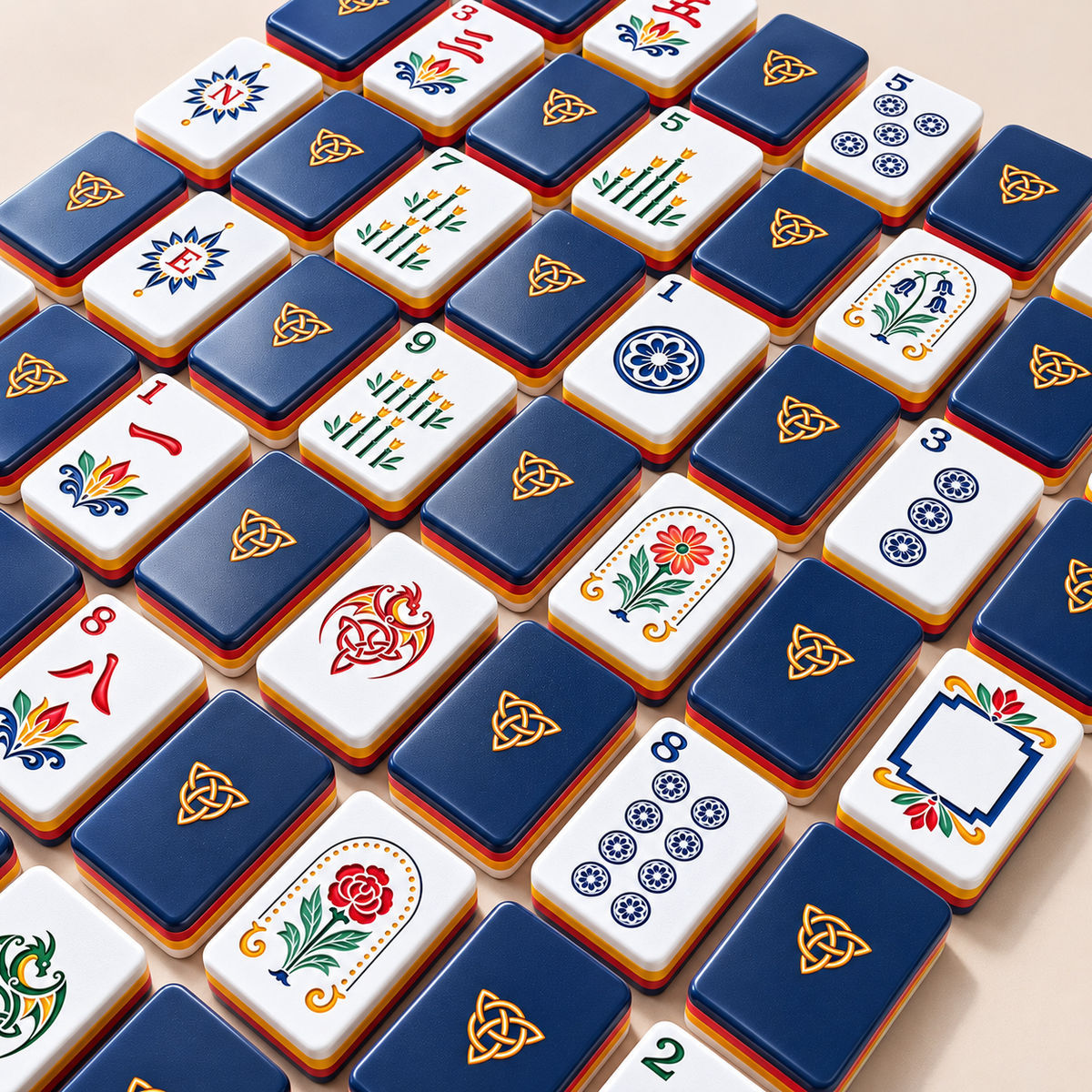
Orlando mahjong tournaments happen year-round at community centers, libraries, recreation departments, and private country clubs—search "mahjong" + your neighborhood on Meetup or call your local library's events line. American mahjong tournaments follow the National Mah Jongg League ruleset and card (reissued annually each spring), with players competing for cash prizes, trophies, or friendly recognition. A typical tournament runs 4–8 rounds over a half day or full day; entry is usually casual (no formal registration required weeks ahead). Tournaments welcome beginners through advanced players, often split into brackets by skill level. Check with synagogues too—they're historic mahjong hubs. Bring your own set or borrow from the host; many use acrylic American mahjong sets for durability and cleanliness. Start with one local game to learn the pace before committing to a tournament.
Orlando's mahjong scene is alive. Players gather weekly at community spaces, and tournaments pop up seasonally. If you're curious where to find your first game or how tournament play differs from kitchen-table mahjong, this guide covers the real logistics.
Where do most Orlando mahjong tournaments happen?
Community centers, public libraries, and recreation departments host the majority of Orlando-area tournaments. Your city's Parks & Recreation department often maintains a calendar of mahjong events; call or check their website. Libraries frequently partner with senior centers or arts programs to run afternoon or evening games. Private country clubs, Jewish community centers, and senior living communities also host member tournaments—if you know someone who plays, ask for a referral. Meetup.com and Facebook groups for "Orlando mahjong" or "Central Florida mahjong" often list upcoming games with venue details, but verify the date a week before because tournaments reschedule. Many host venues provide a few sets, but bringing your own ensures you know your tiles.
🀄 Shop best-selling mahjong sets →

How are tournament rounds scored and structured?
Orlando tournaments follow American mahjong scoring rules and the current National Mah Jongg League card. Each round (typically 2–4 hands per round) is scored individually—a win pays points based on the hand type and conditions (like quint or no jokers). After all rounds, players are ranked by total points; ties go to the player with the highest single-hand score. Some tournaments run "Swiss-style" pairings (similar skill levels matched each round) rather than fixed tables, which levels the field for newer players. Entry fees vary but are usually minimal for casual community events. Prize pools reward top three finishers with cash, gift cards, or vouchers. Ask the organizer beforehand whether the tournament is beginner-friendly and whether you need to know the card cold or if printed copies are provided at the table.
What do I need to bring to my first tournament?
Bring the current-year National Mah Jongg League card (printable free online, or buy a compact deck copy at the venue). Wear comfortable clothes and shoes—you'll sit 3–4 hours. Bring water, a light snack, and a notepad if you like to track scores personally (scorekeepers manage official sheets). If you own a mahjong set with pushers and racks, bring it to keep your tiles tidy and yourself sharp; hosts usually provide basics, but your own gear is welcome and familiar. Bring cash for entry and any prizes you win. A pen is handy for filling out score cards. Most venues provide water and restroom access. Arrive 10 minutes early to meet the organizer, learn the table assignment, and ask any rule questions—tournament hosts expect newbies and are usually welcoming.
What to bring | Why it matters | Common mistake |
Current-year Mah Jongg League card | Required to verify hands; outdated cards cause disputes | Showing up without one; organizers have spares but it slows your start |
Comfortable seating clothes | Long rounds; cramped shoulders hurt focus | Wearing jeans with no stretch; you'll regret it by round 3 |
Water bottle | Hydration keeps your mind sharp in competition | Dehydration causes mental fatigue; the venue drinks cost extra |
Cash for entry/prizes | Most tournaments are cash-based | Assuming you can pay by card; many small venues are cash-only |
Your own tiles & racks (optional) | Familiarity boosts confidence; some venues require sets | Assuming the host has enough sets; early arrival secures one |
How is a tournament different from a weekly home game?
Tournament play is faster-paced and more formal than weekly kitchen games. Players are strangers or light acquaintances, so table talk is minimal—no chatting about hands in progress or offering unsolicited tips. Scoring is tracked publicly and verified by a scorekeeper or the table; no handwaving over who owes whom. A tournament table plays by a strict round timer (often 45 minutes to 1 hour per round), while home games drift and pause. You won't reshuffles after a kong or play house rules; everything is by the current-year National Mah Jongg League card and official American mahjong rules. Most players expect silence except for necessary calls ("pung," "kong," "wall," "ready"). The competitiveness is friendly but real—people are playing to win. For beginners, this environment is actually less scary than it sounds: players see new faces every season and handle mistakes without drama.
🎁 See our most-loved mahjong sets & accessories →

What rules or etiquette surprises new tournament players?
New players often breach tile-touching protocol: once a tile is drawn, it's committed; you can't put it back. Once a tile is discarded to the wall and released, it's committed too. During the Charleston (tile-passing phase before play), you must pass exactly the number called and in the direction given. Calling a hand—saying "ready" or "mahjong"—locks you in; you cannot change your hand after that call. Jokers cannot be used as a single tile or a pair; they substitute only within melds (pungs, kongs, quints, sextets) shown on the card. If you win with an illegal hand, the win is voided and you pay all three opponents. Scoring discrepancies are resolved by checking the card together; no arguing past that. Many tournaments have a dealer rotation; one player is the official scorekeeper, and you rotate roles. Ask which house rules (if any) apply—some venues allow "dead" players to take a break between rounds; others require you to play all rounds. Most venues post a one-page rules handout at signup.
How do I level up from beginner to competitive?
Start by playing one tournament per month for three months—you'll absorb pace, strategy, and card patterns through repetition. Study the American mahjong card in sections; don't memorize all hands at once. Watch how experienced players build; notice they hold tiles open (exposable) longer and avoid dead melds. Play weekly home games between tournaments to stay sharp. Replay your own hands mentally after the round—did you miss a pung? Could you have won on a different hand? Join online mahjong forums or local Facebook groups where players post strategy tips. Many Orlando venues run beginner clinics or workshops in fall and spring; attend one if offered. Bring a mat if you play at home; seeing your tiles clearly during practice speeds up your recognition. Most competitive players trained through 50–100 casual games before entering their first serious tournament.
✨ Find your Mahstead set — free US shipping →
What to check before you buy your own set for tournaments
If you plan to attend multiple tournaments or host home games, owning a quality mahjong set pays off fast. Verify the set has exactly 152 playing tiles plus spares (no fewer). Check that tiles are acrylic or engraved—not soft or flaking—so they survive shuffling without wear. Ensure racks and pushers are included; they're essential for tournament play and not easily replaced. Buy a set with clear, large numbers; dim tiles slow down pattern recognition during timed rounds. Confirm the set includes the Charleston guide or reference card printed on the mat or in the bag—helpful if you're new. If you're gifting a set to a tournament buddy, choose one from our best-selling collection with a design they'll enjoy using week after week.

FAQ
Do I need to be an expert to enter an Orlando mahjong tournament?
No. Most tournaments welcome beginners and often divide players into skill brackets. Arrive early, mention you're new, and the organizer will pair you with a compatible table. Your first tournament is learning; winning comes later.
How much does it cost to enter a mahjong tournament in Orlando?
Entry fees vary by venue and event type. Community center tournaments typically charge a modest fee per person; call your local recreation department for current amounts. Prize pools reward top finishers but are usually modest in casual leagues.
Can I use house rules or a homemade card in a tournament?
No. All official tournaments use the current-year National Mah Jongg League card and standard American mahjong rules. Using an outdated card or house rules disqualifies your hand. Print or buy the current card before you play.
What if I don't own a mahjong set—can I still play in a tournament?
Yes. Most tournament venues provide sets for use during the event. Arrive early to claim one. Owning your own set is optional but handy if you want to practice at home beforehand.
How long does a typical mahjong tournament last?
Most Orlando tournaments run 4–8 rounds over 3–5 hours, depending on the format. Check the venue's event posting for the exact start and end time. Bring snacks and water for staying comfortable.
Where can I find the National Mah Jongg League card for 2026?
The card is issued each spring by the National Mah Jongg League. Print it free from their website, buy a deck copy at your tournament venue, or order a laminated pocket version online. Many players carry the pocket version for reference.


View More
View More
View More
