
How to Choose a Mahjong Travel Bag: Size, Material & Budget
Last updated: Nov 23, 2026
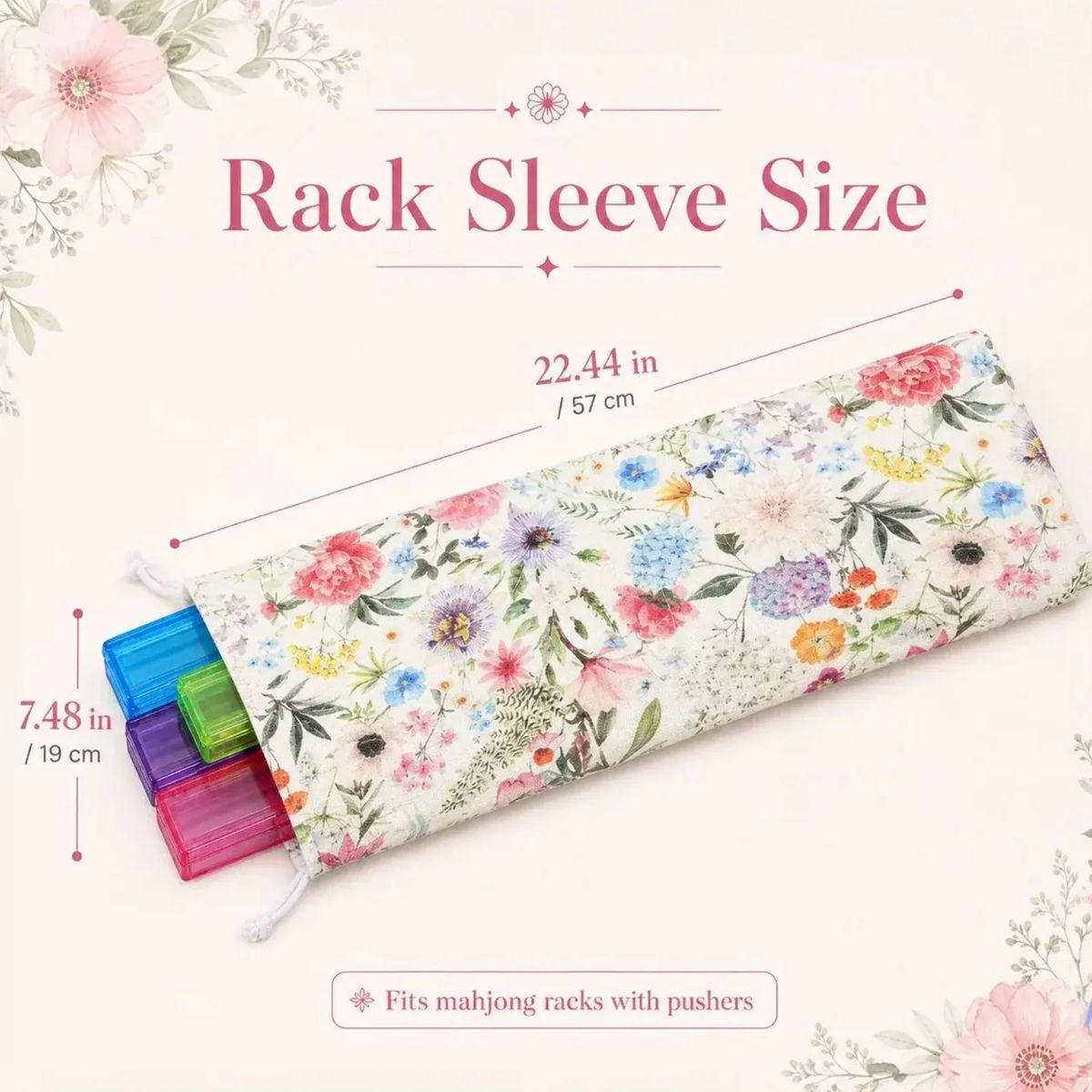
A mahjong travel bag is a protective case designed to hold a 160-tile set, mats, racks with pushers, and dice—everything you need to host or join a game away from home. Bags range from small drawstring pouches (for tile sets only) to large structured carriers with compartments for a full setup including a mat. Most players choose a bag that fits their 160-tile set plus at least one rack and dice; mats often travel separately or roll flat alongside. Quality varies by material—nylon and canvas offer durability at entry level, while padded options add protection for frequent transport. When shopping, compare interior dimensions to your set's box, check for reinforced handles, and decide whether you want side pockets for scorecards or a shoulder strap. We've seen players buy too-small bags and struggle to fit pushers; measure your largest item first. See our mahjong bags and cases collection for current options. 🀄 Shop best-selling mahjong sets →
What size bag do I actually need?
Mahjong travel bags come in three rough sizes: personal (holds set only), standard (set + one rack + dice), and deluxe (set + two racks + mats + accessories). A personal bag fits a 160-tile set in its box or as loose tiles in a drawstring; these are lightest and cheapest but limit what you carry. Standard bags accommodate a full set, one rack with pushers, and a pouch of dice and scorecards—this covers 80% of casual players. Deluxe bags have rigid frames and multiple compartments; they'll hold two racks, a rolled mat, and extras, but weigh more and cost more. Before ordering, measure your set's box (typically 6–7 inches wide × 3–4 inches tall) and your longest rack (usually 8–10 inches). If you host or travel to tournaments, go standard or deluxe; if you carry only a set to a friend's house weekly, personal works fine.

Does material really matter for protection?
Yes. Canvas and nylon are breathable and affordable but offer minimal impact protection; tiles shift inside unless they're tightly packed. Padded nylon or polyester adds a 0.25–0.5 inch foam layer that absorbs drops and jostling—essential if you travel by car or take your set on planes. Canvas with internal dividers (stitched pockets for each item) keeps tiles from sliding and cracking corners. Some players report that unpadded bags work fine for short trips and indoor storage, but padded bags outlast them during frequent transport. If your set has hand-engraved or custom tiles from our mahjong titles collection, invest in padded; replacement tiles are irreplaceable sentimental items.
How much should a travel bag cost?
Entry-level bags (personal drawstring or simple nylon) start low and go up moderately; premium padded carriers with rigid frames cost more. The price list at our travel bag collection shows current options. Most players spend proportionally to their set's value and frequency of travel—a bag protecting a standard playing set used weekly justifies padded material, while a backup set might use a cheaper pouch. Don't assume the most expensive bag is best; compare interior dimensions, handle durability, and whether side pockets are features you'll use. A mid-range padded bag often outperforms a cheap rigid one because the foam protects better than hard plastic.
What design works best for your lifestyle?
Think about your transport method. Car-only players benefit from a large structured bag (rigid frame, wheels optional) that sits safely in a trunk. Weekly game attendees prefer a shoulder strap or backpack straps for hands-free carrying. Traveling by plane? Choose compact and padded—fits overhead bins and survives baggage handling. Tournament players often prefer rolling hard cases (more expensive) or multi-compartment backpacks (lighter, packed more tightly). Home-only storage calls for a simple fabric bag; no jostling means less padding needed. Our bags and cases guide covers these scenarios in detail. Match the bag style to where your set spends most of its time between games.
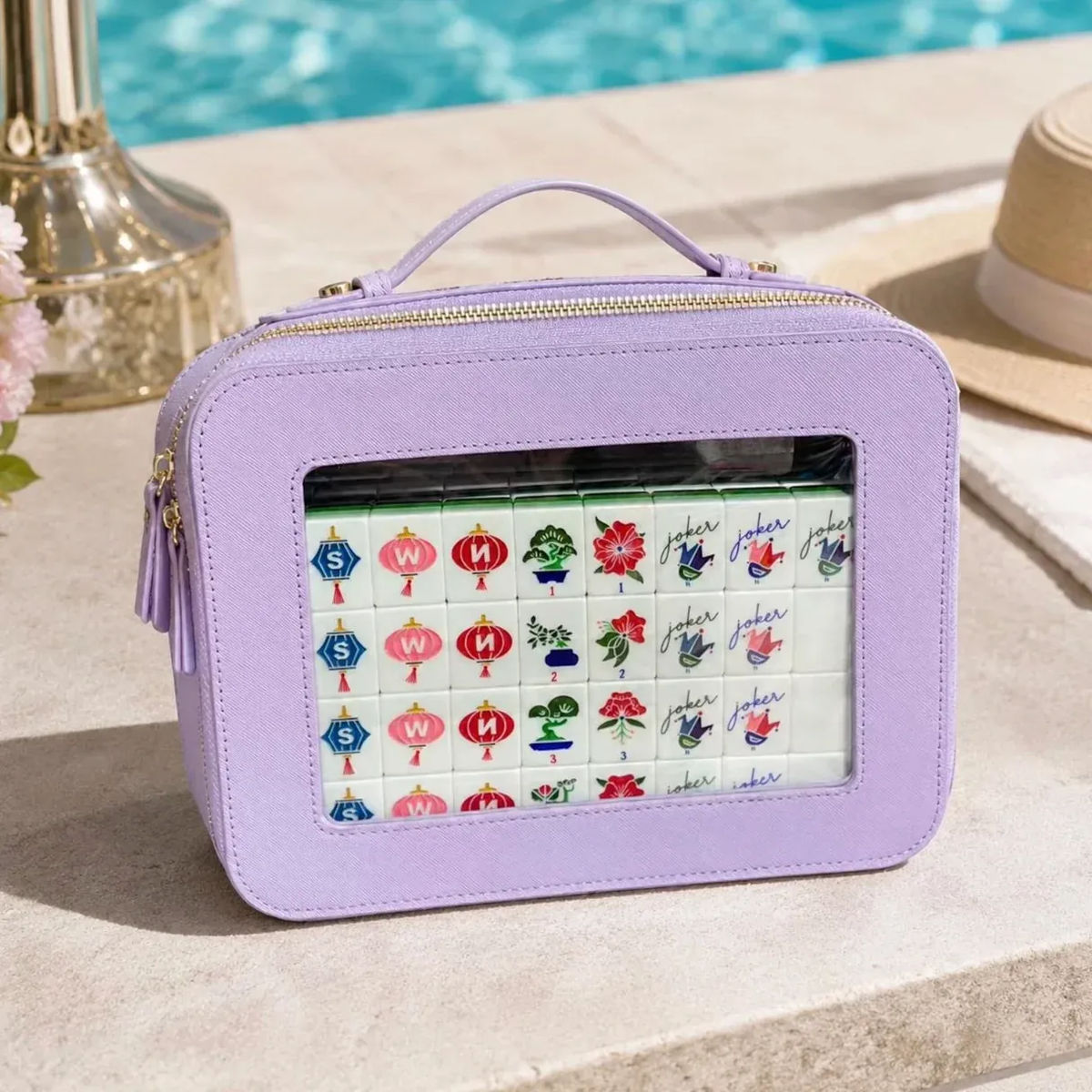
What should you check before ordering?
Use this checklist to avoid costly mistakes:
Measure your set's container. Width, depth, and height in inches—compare to the bag's listed interior dimensions. Leave 0.5–1 inch wiggle room; too tight damages tiles, too loose means sliding.
Count what you'll pack regularly. Set, one or two racks, dice, mat (rolled or flat)? Make sure compartments exist for each or plan how to arrange them without crushing.
Test the handles or straps. Reinforced stitching at stress points (corners, shoulder attachment) matters. Handles that rip in two months are false economy.
Check for ventilation or breathability. Canvas and mesh prevent mildew if your game space is humid; waterproof nylon works for wet climates but traps moisture indoors.
Look for dividers or pockets. Internal structure keeps dice from rattling into tiles, scorecards from bending, and racks from shifting.
Verify weight before buying if you carry it often. Heavy padded bags add 2–3 pounds; that compounds over time.
Bag Type | Best For | Durability | Protection | Portability |
Drawstring pouch | Set only, home storage | Low–Medium | Low | Lightweight, compact |
Canvas with dividers | Weekly casual play | Medium | Medium | Easy to carry, washable |
Padded nylon (shoulder) | Weekly player, short trips | High | High | Comfortable strap, bulkier |
Structured multi-compartment | Tournament or frequent travel | Very high | Very high | Heavier, rigid frame |
Rolling case | Regular distant travel | Excellent | Excellent | Heavy, needs flat surface |
🎁 See our most-loved mahjong sets & accessories →
Real-player mistakes to avoid
We've watched people buy a bag only to regret it. Don't buy a "compact" bag thinking you'll fit a full set plus racks—measure first. Don't assume a bag labeled "mahjong" will fit your exact setup; interior dimensions vary. Don't choose a bag based on color alone—a pretty design means nothing if the handle tears after six months. Don't ignore side pockets; they're not luxury, they're the difference between finding your dice in five seconds or five minutes. And don't pack a wet or damp set into a non-breathable bag; moisture encourages mold on wood or bamboo tiles. We've also seen players buy oversized bags and regret the weight—remember, you're carrying this weekly or monthly, so think about cumulative fatigue.
How a bag connects to the rest of your setup
Your travel bag's size and capacity shape how you host or play away. If your bag fits only a set and one rack, you'll rely on a shared mahjong mat at the host's home. If it holds a mat and two racks, you're self-contained and can play anywhere. A mat alone rolls into most bags, but mats paired with racks and sets need compartments. When choosing a bag, think about what you also need to carry—if you have a best-selling set you love, measure it first, then find a bag that fits that set comfortably, plus the racks and mat you'll take. Undersized bags create tension; oversized ones waste money and weight. The bag is the servant of your setup, not the other way around.
Maintenance: keeping your travel bag functional
A padded bag lasts years if you care for it. Empty it after each game to prevent tile dust from settling inside seams. Wipe nylon exteriors with a dry cloth; wash canvas by hand with mild soap and air-dry (never machine-wash with other items—loose tiles will scratch). Check stitching at handles monthly; small rips spread fast. Store empty bags in a cool, dry place; humidity and heat degrade foam and can warp frames. If a shoulder strap loses padding, reinforce it with a temporary wrap of athletic tape or consider a backup bag. Most players get 5–10 years from a well-maintained padded bag; drawstring pouches last 2–3 years before seams weaken.
✨ Find your Mahstead set — free US shipping →

FAQ
Can I use a regular luggage or camera bag instead of a mahjong travel bag?
Yes, if the interior fits your set and has soft pockets to prevent tile damage. Many players use small laptop cases or camera bags successfully. The advantage of a dedicated mahjong bag is compartments sized for racks and dice; a generic bag requires more careful packing.
What's the difference between a travel bag and a home storage bag?
Travel bags prioritize durability and portability (padded, handles, compact). Home storage bags prioritize cost and space efficiency (fabric pouches, stackable). Travel bags work for storage, but home bags won't survive regular jostling in a car or plane.
Should I buy a bag that fits my current set or one that might fit future sets?
Buy for what you have now plus one racks and dice—your standard carry. If you later buy a second set, a second smaller bag costs less than oversizing your primary bag, which adds weight you use 80% of the time unnecessarily.
How do I prevent tile noise when my bag's in a car?
Wrap your set box in a microfiber cloth or soft towel inside the bag; the padding plus cloth dampens rattle. Soft compartments (not hard dividers) absorb vibration better. Some players wrap dice in socks to mute them separately.
Can I wash a travel bag's exterior if it gets dirty?
Canvas and nylon can be hand-wiped or gently wiped with a damp cloth and air-dried flat. Avoid machine washing, which can stress seams and handles. For stubborn stains on canvas, mild soap and a soft brush work; rinse thoroughly and air-dry completely before packing tiles.
What's the warranty or return policy on a mahjong travel bag?
Check the current policy on the product page before ordering. Most bags are returnable if unused; used bags typically cannot be returned due to hygiene. We ship free across the US, so factoring shipping costs into your decision is unnecessary.


View More
View More
View More
