
Mahjong Tile Back Colors: Guide to Designs & Choices
Last updated: Nov 23, 2026
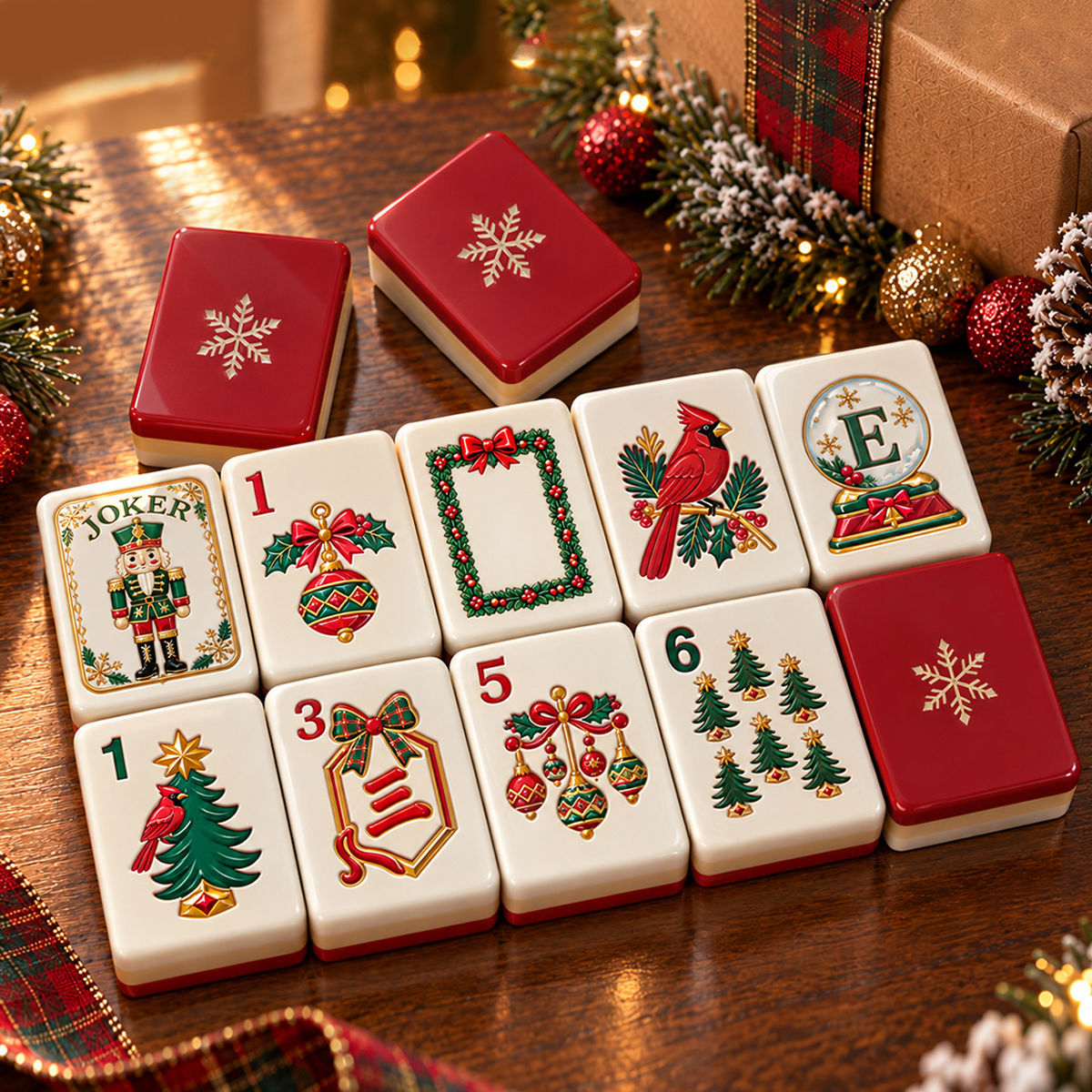
Mahjong tile back colors range from traditional solid tones—ivory, jade green, red—to modern patterns and custom engravings. Most American mahjong sets feature acrylic tiles with uniform back designs in one or two colors; the back is purely aesthetic and does not affect gameplay. Tile backs serve two functions: they hide the face during shuffling and dealing, and they set the visual tone of your table. When choosing a set, consider your table mat color, lighting, and personal style. Solid backs photograph well and work in any décor; patterned or engraved backs add personality and make sets memorable gifts. All back designs come with a full 152-tile set that plays identically—back color is never part of the hand or scoring rules in American mahjong.
The back of your mahjong tiles is the first thing your guests see when you unbox a set. A thoughtful tile back can tie your entire game experience together—from the mat beneath them to the hands you call. Here's what we've learned from hosting weekly games and building sets for players across the US.
Why does tile back color matter if it doesn't affect the game?
Tile back color affects table presentation, not gameplay. In American mahjong, the back of every tile is identical and hidden during play; only the face matters for hands and scoring. Tile backs become visible during the shuffle, Charleston, and setup—moments when they create a first impression. A cohesive back color ties in with your mat, racks, and overall aesthetic. If your mat is deep blue, bright white tile backs can clash; forest green or navy backs harmonize. Back design also matters for durability: solid finishes hide wear better than patterns, and engraved designs stay crisp longer than printed ones because the color is embedded into the acrylic.

What are the most common tile back colors?
We see five main categories in sets we build and hear about from our community:
Ivory or cream: Classic, neutral, works with any mat. Reads as timeless and pairs well with traditional décor.
Jade green or forest green: Evokes the heritage of the game; popular in sets emphasizing Asian aesthetics.
Burgundy or deep red: Bold and warm; complements gold or brass hardware in racks and cases.
Black or charcoal: Modern, high-contrast; shows designs and engravings clearly.
White or pearl: Bright and contemporary; popular in minimalist or Western décor.
Each color is available in our collection of engraved American mahjong sets. Solid backs require no maintenance; patterned or engraved backs—whether floral, geometric, or personalized text—add character but show fingerprints more readily on lighter shades.
How do you choose a tile back color for your home or game space?
Start with your table mat. If you own a mat already, gather it and hold sample tiles against it in the room where you play, in both daylight and lamp light. Back colors shift under different lighting; ivory that looks warm in sunlight can appear yellow-tinted under tungsten bulbs. Next, consider contrast: dark-backed tiles pop against light mats, and light backs anchor dark mats visually. If you're building a set to match racks, pushers, or a dice tower, check those colors first. Many players choose backs that match their mat trim or border rather than the main playing surface. If you host frequently and photograph your game for social media, test which back color shows detail and engravings most crisply in your phone's camera. Finally, ask yourself whether you prefer a cohesive, single-color aesthetic or a two-tone design (e.g., ivory back with a green border). Both work; it's a personal choice that depends on your table style.
🀄 Shop best-selling mahjong sets →
Can you customize or change tile back colors on an existing set?
No. Tile backs are part of the acrylic molding and engraving process; they cannot be changed or repainted after manufacturing without risking damage to the tile face or compromising the durability of the acrylic. If you inherit or buy a used set with backs you don't love, your only option is to pair it with a mat or table cover that works around the existing color. Some players do this successfully by choosing mat fabrics in contrasting or complementary tones. If you're ordering a new set, now is the time to specify back color and design. Many sets come with options ranging from solid color backs to custom engravings—text, initials, patterns, or logos. We recommend deciding on back design before ordering; it takes only a moment and ensures your set reflects your taste from the moment it arrives.

What design trends are popular now?
Over the past few years, we've noticed three shifts in what our players request:
Personalization: Engraved initials, family names, or year-of-purchase on the back. These sets become keepsakes and gift-worthy.
Minimalist solids: Clean, single-color backs with no pattern. They age well, photograph cleanly, and appeal to players who prefer modern aesthetics over ornate designs.
Heritage patterns: Subtle geometric or floral motifs that nod to the game's history without being loud. These add visual interest without compromising the professional look of the table.
Novelty backs—bright neons, cartoon imagery, oversized logos—remain niche. Most serious players return to timeless designs after a season or two because they host varied groups and want a set that works year-round.
✨ Find your Mahstead set — free US shipping →
How do tile back colors compare across different mahjong traditions?
American mahjong (which uses 152 tiles with 8 jokers) treats tile backs as pure aesthetics. Chinese mahjong and Hong Kong mahjong, which use 136 or 144 tiles and different hand rules, similarly prioritize back uniformity but have distinct traditional back colors: Chinese sets often feature red or gold backs, while Hong Kong sets favor jade or beige. Riichi mahjong (Japanese) typically uses back designs featuring the Japanese bamboo or plum motifs. These traditions don't mix in practice—players in a given region tend to use sets aligned with their local rules and aesthetics. If you're learning American mahjong, stick with American sets; the 152-tile count and back uniformity are designed for the National Mah Jongg League card and American hand compositions. Switching tile back colors mid-game is never necessary, but swapping traditions mid-game breaks hand compatibility entirely.
Aspect | Solid Back Color | Engraved or Patterned Back |
Visual impact | Clean, professional, timeless | Personal, memorable, distinctive |
Durability | Hides scratches and dust well | Shows wear and fingerprints more; lasts equally long if acrylic-embedded |
Photography | Reads well in most lighting | Detail requires good lighting; stunning in overhead or studio shots |
Pairing with mats | Works with any mat color | Requires intentional mat choice for harmony |
Gift appeal | Strong; pairs well with any décor | Very strong if personalized; feel bespoke |
Resale or handing down | Neutral; appeals to next owner | Sentimental; limits appeal unless family connection exists |
What to check before you buy
Lighting in your game space: View tile samples in the actual light where you'll play. Natural and artificial light shift colors dramatically.
Mat color and finish: Solid, patterned, or border trim. Get a small tile sample against your mat if possible.
Engraving clarity: If you choose a custom design, ask for a mockup or example from the maker. Text should be legible from arm's length.
Acrylic quality: Solid back colors and engravings embedded into acrylic last longer than printed or surface-applied designs. Check that back color matches the acrylic blend, not a paint or sticker.
Set completeness: Confirm that your full 160-tile set (152 playing tiles plus spares) includes the back color you're ordering. Some makers offer mix-and-match backs; confirm before paying.
🎁 See our most-loved mahjong sets & accessories →
Our best-selling collection includes sets in a range of back colors and engraving options. We ship free across the US, and every set arrives ready to play with uniform, durable tile backs that look as sharp in your tenth game as in your first.

FAQ
Does the color on the back of mahjong tiles affect gameplay or scoring?
No. Tile backs are purely aesthetic. All tiles are face-down during shuffling and dealing, and only the tile face (number, suit, wind, dragon, flower, joker) matters for hands and scoring. Back color and design never enter play.
Can I mix tile back colors in the same set?
You shouldn't. A uniform back design keeps the game visually clean and prevents accidental face-recognition during shuffle. Standard sets use one back color or one back design across all 152 tiles.
What back color hides dirt and dust best?
Darker solids (black, charcoal, navy, deep red, or forest green) hide dust better than ivory, white, or pale cream. If you play frequently in a dusty or low-light room, a darker back is more forgiving.
Should I match my tile back color to my mat?
Not required, but it often looks better. A cohesive color story—e.g., ivory tiles with a cream mat, or navy tiles with a deep blue mat—feels intentional. Contrast also works (light tiles on dark mat or vice versa); choose based on your aesthetic preference.
How long does engraving or a custom design on tile backs last?
If the design is embedded into the acrylic (not printed or glued on), it lasts as long as the tiles themselves—years of weekly play without fading or peeling. Surface-applied designs may wear over time; always confirm with the maker that engravings are acrylic-embedded.
Can I change my tile back color if I dislike it after purchase?
No. Tile backs are part of the manufacturing process. If you regret the color, your best option is to pair the set with a mat or table cover that works around it. This is why choosing the back in good lighting before ordering matters.


View More
View More
View More
