
Mahjong Tournaments in Omaha: Where to Play & How to Compete
Last updated: Nov 23, 2026
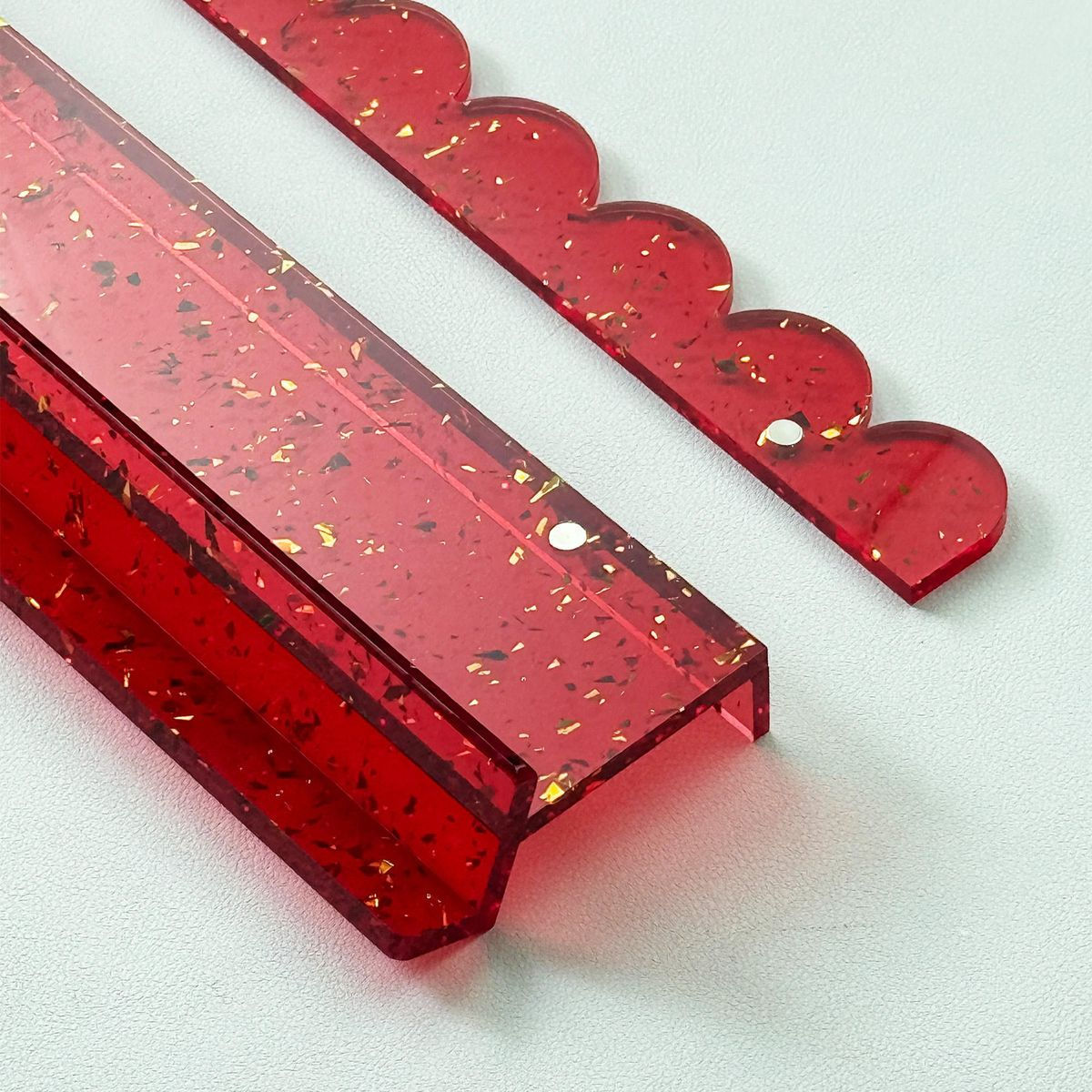
Organized mahjong tournaments in Omaha run year-round through community centers, country clubs, synagogues, libraries, and private clubs—many advertised on meetup boards, Facebook groups, and community calendars. Most follow American mahjong rules using the current National Mah Jongg League card, with games lasting 1–3 hours per round and tournaments spanning a single day or weekend series. Entry structures vary: some are free for members, others charge per session. Competitive play demands familiarity with the current year's card, hand recognition speed, tile management, and scoring—skills sharpened through practice and understanding American mahjong fundamentals. Bring or arrange equipment: quality acrylic American mahjong sets, a comfortable playing mat, and organized storage if traveling between games.
Omaha's mahjong scene reflects a nationwide resurgence in competitive American mahjong, with weekly casual groups feeding into seasonal tournaments that attract players from across Nebraska and neighboring states. Whether you're new to tournament play or a seasoned competitor, understanding where tournaments happen, how they're structured, and what preparation matters is the difference between showing up and winning.
Where do Omaha mahjong tournaments happen?
Omaha tournaments operate through established community institutions rather than dedicated mahjong venues. Check community centers (many host weekly leagues or monthly competitions), country clubs (often open mahjong nights to members and guests), and synagogues (traditional mahjong gathering places with regular tournaments). Libraries frequently post tournament schedules and club contact information. Search local meetup boards, Facebook community groups, and NextDoor for "Omaha mahjong" or "Omaha mah jongg tournaments"—group organizers post dates, venues, and entry details there. Call ahead: venues sometimes rotate locations or move tournaments seasonally. Ask whether tournaments are members-only, open-entry, or invite-only before traveling.

What's the typical tournament format in Omaha?
Most Omaha tournaments follow one of three structures: round-robin (each player faces every other player once, ranked by total score), Swiss-system (players paired by win-loss record each round), or ladder play (ongoing rankings updated after each session). A single tournament day usually runs 4–8 hours with breaks between 45-minute rounds. Players sit in random draw order each round to prevent collusion. Scoring follows the National Mah Jongg League rules—winners earn points based on hand difficulty and opponents' tiles on the rack. Some tournaments add bonus points for "hands paid in full" or speed bonuses. Ask the organizer for the specific scoring sheet before attending so you can calculate payoffs correctly.
🀄 Shop best-selling mahjong sets →
How do I prepare my game for tournament play?
Tournament mahjong demands speed, accuracy, and composure under pressure. Start by mastering how to read the current year's card—you need to recognize hand patterns within seconds, not minutes. Practice the Charleston tile-passing ritual until it flows automatically; fumbling passes costs mental energy better spent on game strategy. Learn when to call jokers and understand scoring rules so you can assess risk-reward on the fly. Play weekly casual games at least one month before your first tournament—tournament players think three moves ahead, discard strategically, and track discards to infer opponents' hands. Bring a physical copy of the current card and a notepad to review between rounds.
What equipment do I need for tournament play?
Competitive play requires reliable, standardized equipment to keep pace with experienced players. Bring a high-quality acrylic American mahjong set in good condition (chipped tiles slow play and frustrate opponents). A cushioned playing mat protects tiles and gives you a consistent playing surface—tournaments often use hard tables, so a personal mat levels the playing field. Racks with pushers let you organize your tiles efficiently and hide your hand from opponents. If you're traveling between venues or tournaments, a durable mahjong bag or case keeps equipment safe and signals you're serious about the game. Bring backup dice, a pen, and your card copy.
Item | Why It Matters | Tournament Standard |
Acrylic set | Durable, uniform tile thickness, fast play | 152 tiles, no cracks |
Pushing rack | Hand concealment, organized tile display | Adjustable height, smooth pusher |
Playing mat | Consistent tile grip, reduced table noise | Non-slip backing, felt surface |
Card copy | Rules reference, hand verification | Current year, legible print |
Notepad + pen | Scoring tracking, discard notation | Quick reference between rounds |

How do I find and join Omaha mahjong groups before competing?
Competitive success begins with regular casual play. Attend weekly club games first: they teach you the rhythm of real play, the social norms, and who organizes tournaments. Search community bulletin boards (libraries, senior centers, synagogues), Meetup.com filtered by "Omaha" and "mahjong," and Facebook groups like "Omaha Games" or "Nebraska Mahjong Players." Introduce yourself to group coordinators and ask how to join—most are welcoming and will point you toward beginner-friendly sessions before tournament rounds. Some clubs require you to bring snacks or chips (shared expense), so ask. Attend at least four casual sessions before entering a tournament: you'll learn player styles, table etiquette, and whether the competitive level matches your skill.
🎁 See our most-loved mahjong sets & accessories →
Common tournament mistakes and how to avoid them
Tournament newcomers often make predictable errors that lose points quickly. Slow discard decisions: practice tile management offline so you can discard in under five seconds during play. Forgetting the current card: some players memorize the card; most keep it visible and reference it—no shame in looking. Over-calling jokers: calling every hand wastes a turn; fold on weak hands to save energy. Tracking losses poorly: keep a small notation of what's been discarded so you can infer what's still in play. Arriving unprepared: bring your own tiles, mat, and racks—don't rely on the venue's communal equipment. Mixing up suit spellings: it's Bam, Crak, Dot (not "bamboo," "crack," "dot")—practice saying them aloud so you don't hesitate when calling. Tilting after a loss: tournament play spans multiple rounds; one bad hand doesn't define your day.
✨ Find your Mahstead set — free US shipping →
What to check before your first tournament
Confirm the entry fee, location, and start time at least one week ahead—venues sometimes move or cancel. Ask whether the tournament is American mahjong (uses the league card) or a different variant (Chinese, Hong Kong, or Riichi—which play by different rules). Verify the tile count required: American play uses 152 tiles plus 8 jokers (total 160-tile set standard). Confirm whether you're required to bring your own equipment or if the venue supplies tiles. Ask the organizer what the highest hand value pays and whether there's a cap on scoring. Arrive 15 minutes early to meet other players and calm any nerves. Bring water and a light snack—tournaments can last four to six hours. Most importantly, remember that every competitive player started where you are now, and the community values sportsmanship over score.

FAQ
Are there beginner-only tournaments in Omaha?
Many clubs run beginner and intermediate divisions separately. Ask organizers about newcomer-friendly sessions before entering competitive rounds. Casual weekly games are the best training ground; ask a club coordinator to recommend one matching your level.
What's the difference between American mahjong tournaments and Chinese or Hong Kong tournaments?
American tournaments use the National Mah Jongg League card (specific hands only, no melds outside the card, no chow sequences allowed). Chinese tournaments use traditional rules with open melds and chows. Hong Kong variants have different point systems and tile sets. Always confirm which variant the tournament plays before entering.
How much does it cost to enter a tournament in Omaha?
Entry fees vary widely—some clubs charge per session, others collect annual memberships, and some tournaments are free for members. Contact the organizer directly for current pricing. Many clubs waive entry for your first session.
Can I use a digital mahjong card on my phone during tournament play?
Most tournaments require a physical printed card—phones are often prohibited to avoid distraction and ensure fair play. Bring a laminated or paper copy of the current year's card from the National Mah Jongg League.
What should I do if I'm too nervous to play in my first tournament?
Play five to eight casual games at a weekly club first. Attend a tournament as a spectator to watch the flow. Most players are welcoming and willing to answer beginner questions. Start with a small tournament or a ladder format where you play at your own pace rather than all rounds at once.
Do I need to own my own mahjong set to compete?
Owning your own set is ideal—it ensures tile familiarity and prevents delays. Many tournaments allow shared venue sets, but bringing your own acrylic set speeds play and gives you confidence. Ask the venue before the event.


View More
View More
View More
