
Mahjong Table Cover Buying Guide: What Works
Last updated: Nov 23, 2026
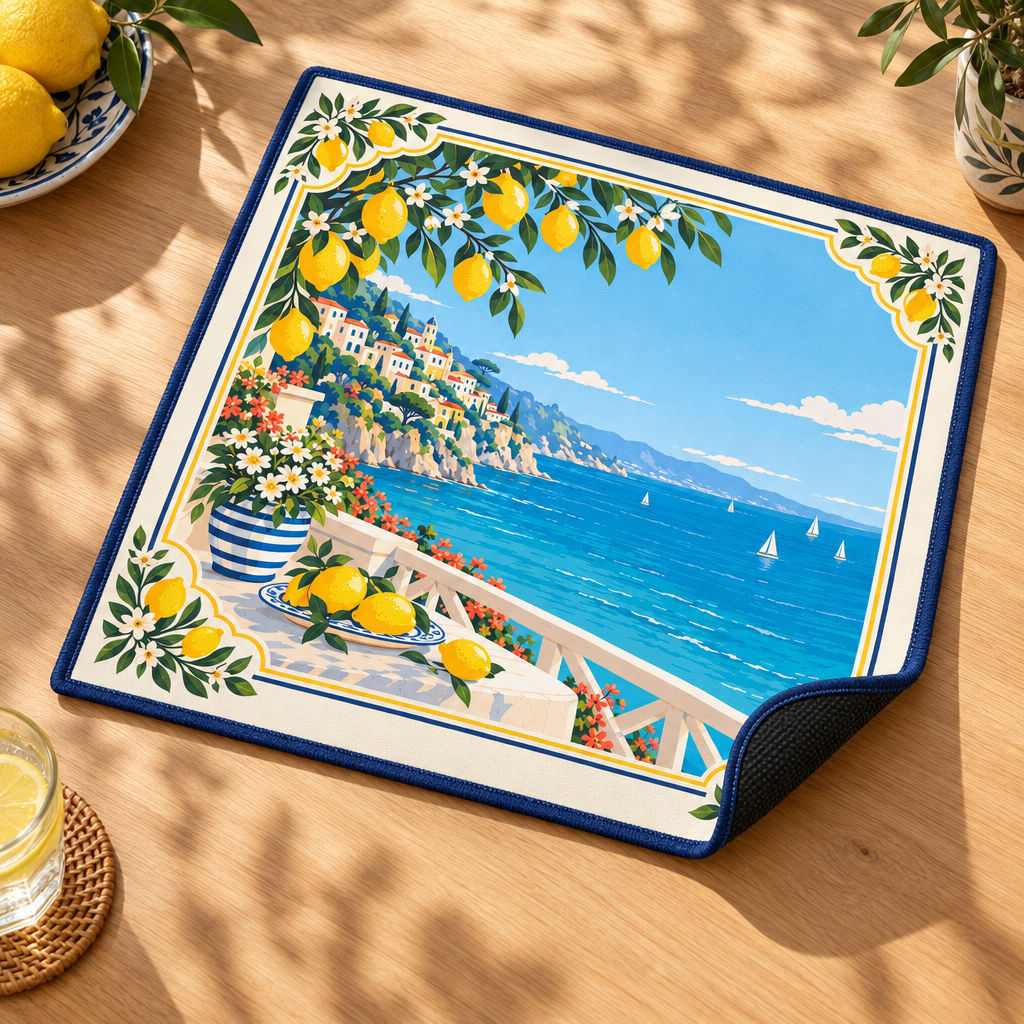
A mahjong table cover is a protective layer—usually felt, suede, or vinyl—that sits over your dining or game table during play. It shields your furniture from tile scratches, spilled water, and food marks. Some covers are portable mats you roll up; others are fitted overlays you leave in place. Our mahjong mats collection ranges from lightweight travel-friendly options to cushioned versions that double as play surfaces. Choose based on your table's size (measure your playing area first), how often you host, and whether you want a dedicated mat you store between games or a cover that lives on your table. Quality felt or suede lasts 3–5 years with normal care; vinyl lasts longer but can feel less premium. Most shoppers spend time choosing between a dedicated mat (sits only during play) and a fitted cover (semi-permanent).
What's the difference between a mat and a table cover?
A mat is a standalone playing surface you unroll for game night and roll up afterward. A cover is fitted or semi-fitted fabric that drapes over your existing table—some stay in place year-round, others you fold away. Mats travel easily and work on any flat surface; covers protect tables you use for dining too. Most weekly players use mats because they're portable, washable, and don't mark your furniture permanently. Covers work if you've dedicated one table to mahjong or want semi-permanent protection without converting your dining table into a game room every week.
🀄 Shop best-selling mahjong sets →
How do you measure your table for the right fit?
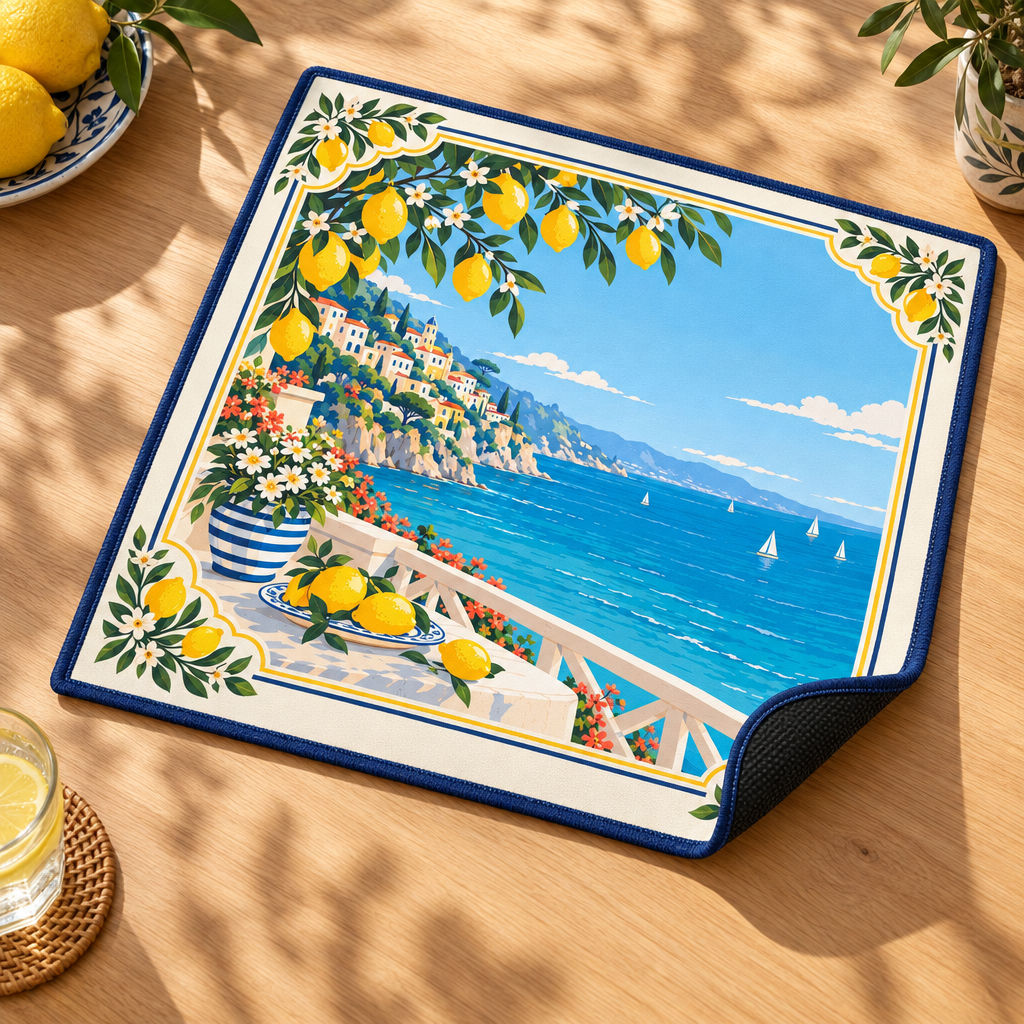
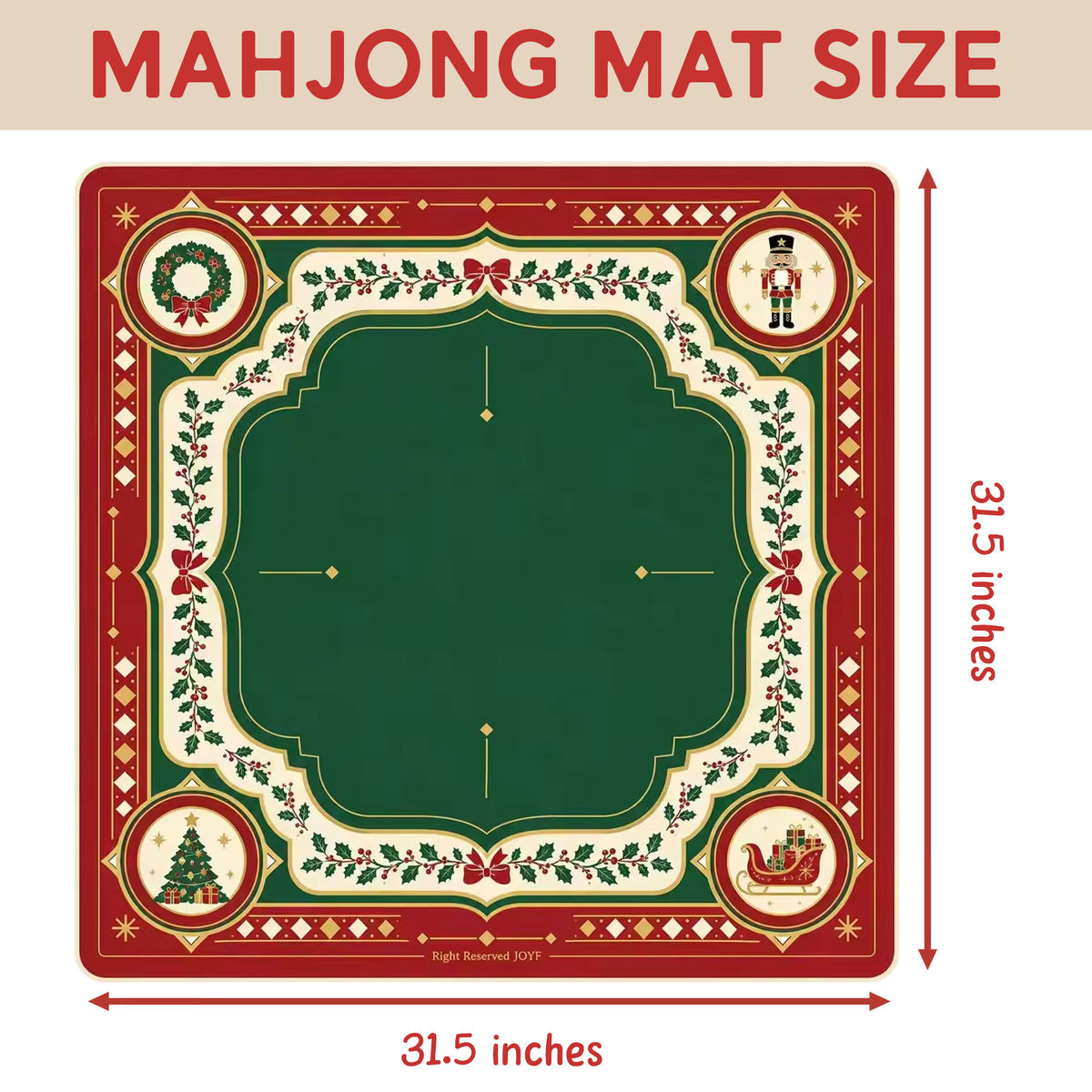
Measure the playing area where tiles sit, not the whole table. A standard four-player American mahjong game needs roughly 36 by 36 inches of open space (plus another 6–8 inches on each side for racks and comfort). Most mat sizes are listed as square dimensions (e.g., 48 by 48 inches, 54 by 54 inches). If your table is rectangular, measure the length and width separately, then choose the mat size that covers both with 2–3 inches of overhang so tiles and racks don't catch on edges. Write down your measurements before shopping—it's the single most common mistake we see (people guess and end up with a mat too small for their space).
What material should you choose for durability and feel?
Felt (wool or synthetic) is traditional, affordable, quiet during play, and easy to brush clean. It shows wrinkles if folded repeatedly but bounces back when unrolled. Lasts 3–4 years with normal weekly use.
Suede (faux microfiber) feels premium, quiets tiles naturally, and resists staining better than felt. Slightly heavier and pricier. Lasts 4–5 years; small spills wipe away without soaking in.
Vinyl or rubber-backed options are waterproof and stain-proof but can feel slippery and less authentic. Best for active households with kids or pets. Lasts 5+ years; wipe clean with a damp cloth.
Material | Feel | Durability | Stain Resistance | Best For | Care |
Felt | Soft, warm, traditional | 3–4 years | Moderate | Weekly dedicated players | Brush, light vacuum |
Suede (microfiber) | Premium, smooth | 4–5 years | Good | Hosted games, occasional spills | Wipe, spot-clean |
Vinyl/rubber | Slick, practical | 5+ years | Excellent | High-traffic homes, families | Wipe, hose down if needed |
How do you keep your mat clean and prevent wrinkles?
Roll your mat loosely around a poster tube or PVC pipe (4–6 inches in diameter) rather than folding it. Store it flat or upright in a climate-controlled closet—humidity causes mildew and permanent wrinkles. Brush felt or suede gently with a soft-bristled brush after each game to remove tile dust and food crumbs. For spills, blot immediately with a dry cloth; don't rub. Light vacuuming on low suction works for embedded dust. Never machine-wash a mat with a backing; hand-wash only if the manufacturer approves. Check our mat care guide for material-specific tips on stain removal and long-term storage. The biggest enemy of lifespan is moisture trapped under the mat during storage—always let it air-dry completely before rolling up.
🎁 See our most-loved mahjong sets & accessories →
Should you buy a mat with a design or go plain?
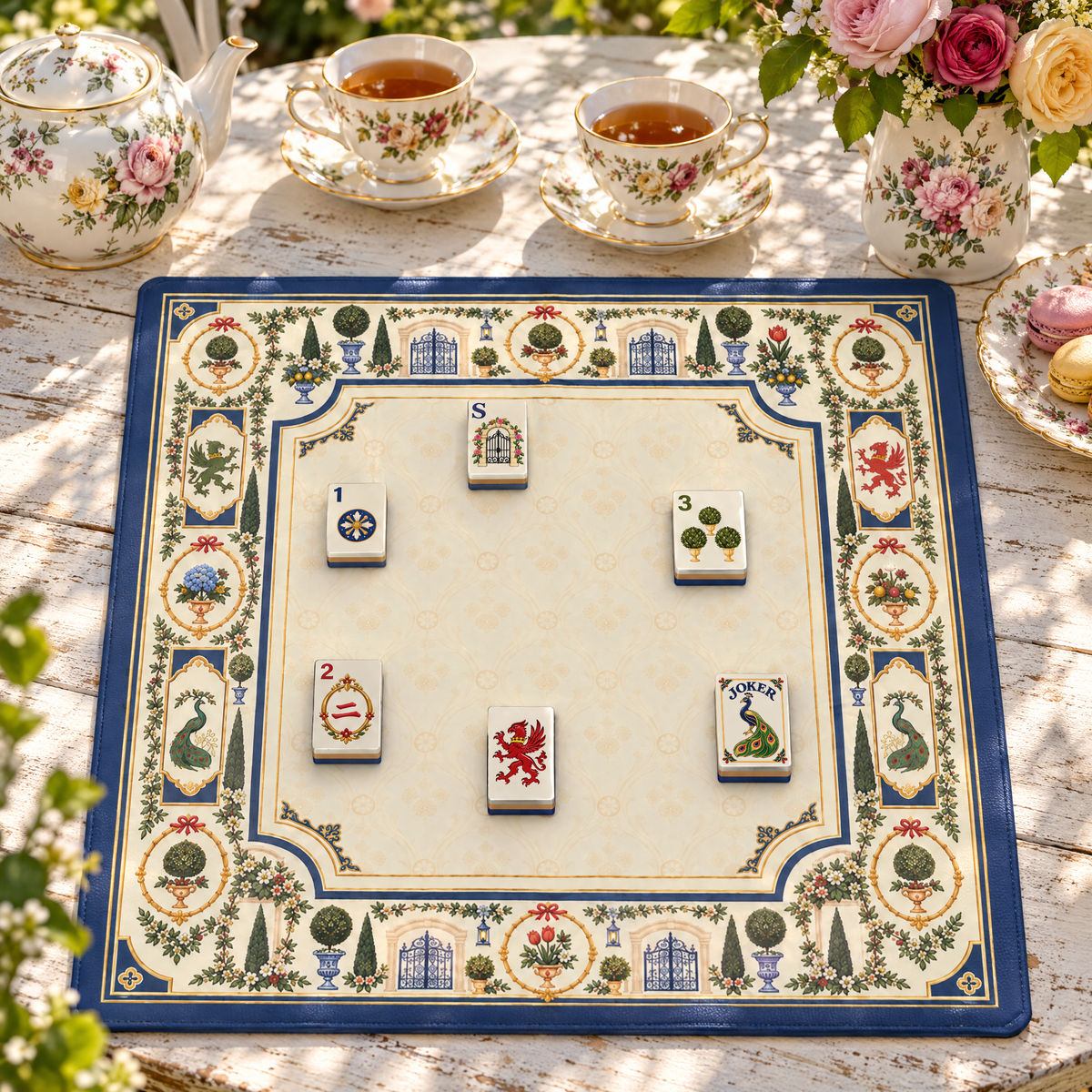
Design mats (with printed tile layouts, score pads, or directional markers) appeal to beginners and host tables where new players rotate in. They cost about 10–20% more but reduce confusion about positions and tile placement. Experienced players often prefer plain mats because the layout is muscle memory and a printed design adds visual clutter. Mats with our engraved mahjong tile designs or custom titles work beautifully if you're building a signature set—they look polished when rolled up visibly in a corner. Color choice matters: dark colors (navy, forest green, burgundy) hide dust and food marks between cleanings; light colors (cream, beige) feel more open but require more frequent brushing. Choose based on your hosting style and furniture aesthetic.
What other accessories pair with a mat or cover?
A mahjong rack with pushers keeps tiles organized and off the mat surface, protecting both. Quality pushers prevent tiles from sliding during the Charleston or discards. Travel bags and cases let you transport your mat and set together without creasing the mat. A plastic best-selling mahjong set (our 160-tile acrylic sets are durable and lightweight) combines well with a mat because acrylic tiles glide smoothly and don't scratch felt or suede the way heavier ceramic or bone tile might. If you're hosting a game where players bring their own sets, a mat becomes the unifying element that makes the table feel intentional and cared-for.
What to check before you buy
Measure twice: playing area length × width, not diagonal or whole table.
Material fit: felt for tradition, suede for slight premium feel, vinyl for heavy use.
Backing type: rubber-backed or weighted edges prevent bunching during play.
Color: dark hides dust, light feels open—match your décor or the room's lighting.
Storage plan: have a tube and dry space ready before it arrives.
Set compatibility: confirm your tile size fits the mat (most American tiles work on standard mats).
Return policy: test the feel and fit before your first game; some mats can feel too soft or too stiff in person.
✨ Find your Mahstead set — free US shipping →
FAQ
Is a mat or cover better for protecting a dining table I also use for meals?
A cover is better—it sits semi-permanently or folds away easily. A mat requires setup and storage. If your table is mostly mahjong, a mat is more practical and protects the surface just as well.
Can you use a yoga or exercise mat instead of a mahjong mat?
Not recommended. Yoga mats are too soft, compress under tile weight, and feel slippery. Mahjong mats are designed for tile grip and durability under repeated play.
How often do you need to replace a mahjong mat?
With weekly play and proper storage, 3–5 years depending on material. Suede lasts longer than felt; vinyl lasts longest. High-traffic households may need replacement sooner.
What size mat fits a standard mahjong table?
Most standard four-player games use a 48-by-48-inch to 54-by-54-inch mat. Measure your playing space first—6 inches of overhang on each side is ideal.
Can you wash a mahjong mat in the washing machine?
Never. Hand-wash only if the label permits; most backed mats must be spot-cleaned and air-dried. Check the manufacturer's care instructions before any washing.
Do you need a mat if you already have a wooden mahjong table?
Not essential, but it reduces noise, adds cushioning, and protects the table's finish. Many players use both for comfort and aesthetics.


View More
View More
View More
