
Mahjong Groups in North Carolina: Where to Play & Learn
Last updated: Nov 23, 2026
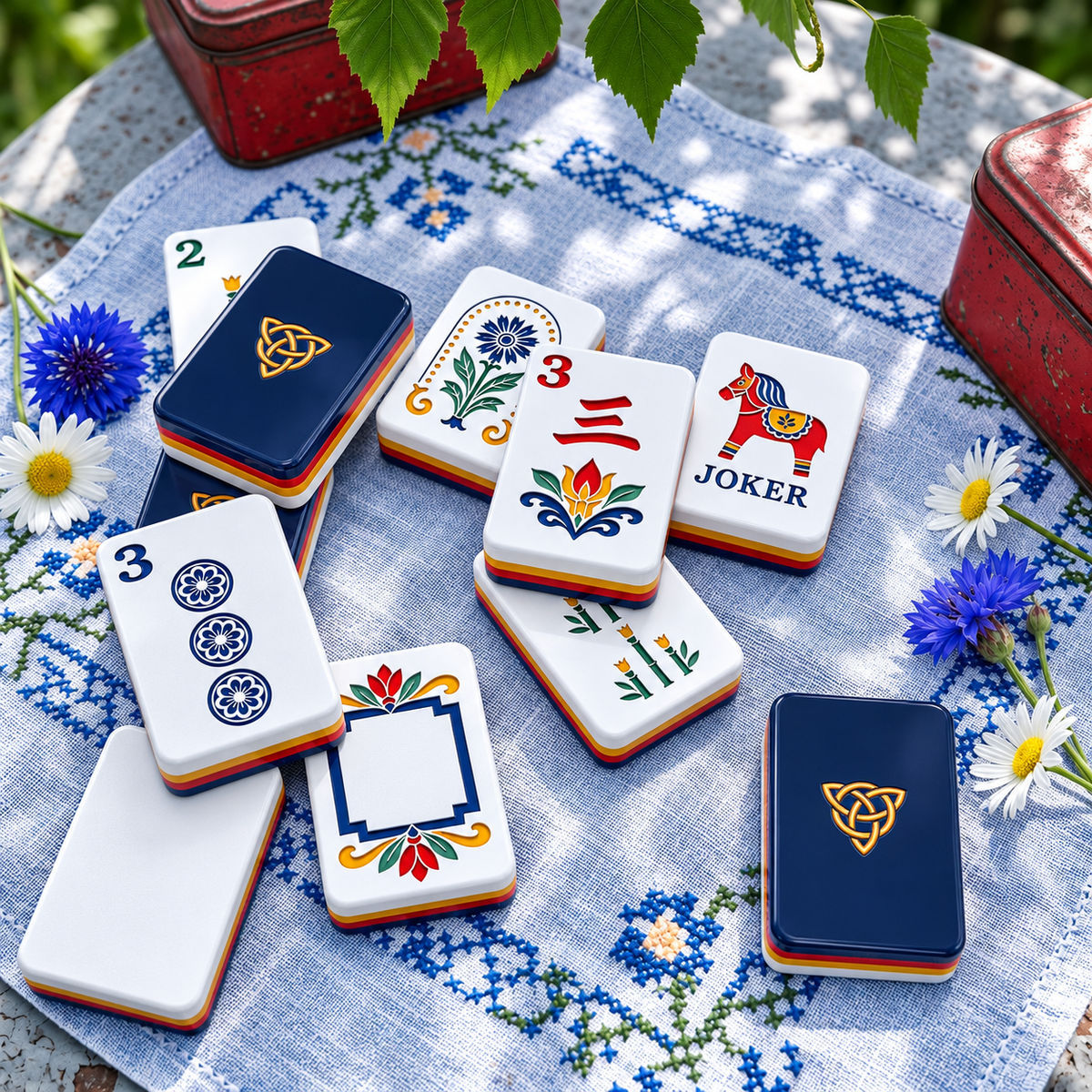
North Carolina hosts active mahjong groups in most major cities—Charlotte, Raleigh, Greensboro, and Durham all have established players. Most groups meet weekly at community centers, libraries, country clubs, or synagogues; some gatherings are open to newcomers, others require referrals from existing members. Games typically last 2–3 hours and play American mahjong (the variant using the current year's National Mah Jongg League card, not Chinese or Riichi). Cost per session ranges from free to modest table fees, covering hall rental or light refreshment. To find a group: search your city + "mahjong club" on Meetup, ask at local Jewish community centers and libraries, or post on community Facebook boards. Before your first game, learn how to play American mahjong and bring or borrow a tile set—many groups loan equipment, but having your own reduces confusion.
Where can I find a mahjong group in North Carolina?
The easiest starting points are community centers (check your city's parks and recreation department), public libraries (some host games or maintain bulletin boards with club info), and Jewish community centers, which often sponsor or host regular games. Meetup.com lists standing groups in Charlotte, Raleigh, and the Triad—search "mahjong" plus your city name. Facebook groups for your town or neighborhood sometimes advertise weekly games. If you live near a country club, call ahead; many have mahjong nights. Word-of-mouth spreads fast in the mahjong world: mention your interest to friends and local friends will often connect you to established players.

What rules and variants do North Carolina groups play?
Nearly all North Carolina groups play American mahjong, the only variant that uses the seasonal National Mah Jongg League card issued each spring. American mahjong differs from Chinese, Hong Kong, and Riichi versions: no sequences (chows), only pungs (3 identical tiles), kongs (4), quints (5), and sextets (6); jokers are wild and cannot form a single tile or pair; hands must match the card exactly. A few groups in college towns or areas with Asian populations may offer Chinese mahjong on alternate nights, but expect American as the standard. Before attending, ask the group host which variant they play and whether they have spare best-selling mahjong sets you can use, or plan to bring your own 160-tile acrylic set.
What should I bring to my first game?
Most North Carolina groups expect players to bring or arrange their own tile set; check with the host first. A standard American mahjong set contains 152 playing tiles plus 8 jokers, plus spare pieces. Beyond the set, bring: a current-year National Mah Jongg League card (the rulebook for legal hands), a pen, and a small notepad for scoring. Many seasoned players invest in a mahjong mat to protect the table and organize the game layout, and a rack with pushers to hold and move tiles comfortably. Some groups provide these, but owning your own means you're never dependent on someone else's setup. If you attend regularly, a personal travel bag or case keeps everything organized between sessions.
🀄 Shop best-selling mahjong sets →
How do I learn before showing up to a group?
Start by reading how to play American mahjong and familiarize yourself with the Charleston (the tile-passing ritual that starts every game). Study how to read the mahjong card—the card lists every legal hand, organized by pattern type, and becomes second nature after a few games. Watch online tutorials (YouTube has walkthrough videos of real games). Then contact a local group and ask if they accept newcomers; most do. Attend as an observer first if nervous, or jump in with an experienced player guiding your first round. North Carolina groups are generally welcoming, especially to people willing to learn the rules and show up regularly.
What's a realistic timeline to become competent?
Most newcomers understand basic tile-reading and hand-chasing within 1–2 sessions. Learning hand-combinations, strategic tile discarding, and reading opponents' calls takes 4–8 weeks of weekly play. Mastery of scoring and advanced strategy develops over 3–6 months. The good news: you don't need to be expert to have fun. North Carolina's community groups expect a learning curve and are patient with newcomers who follow the core rules and take their turn promptly. Attend weekly, keep notes of hands you see, and ask experienced players questions between rounds. Within a month you'll feel confident; within three months you'll anticipate trends.
Getting Started Checklist | Why It Matters |
Find a group via Meetup, library, or JCC | Ensures you play with consistent, friendly people |
Read American mahjong rules online | Prevents confusion and speeds up learning |
Bring or borrow a 160-tile acrylic set | Keeps everyone on the same page; acrylic is durable |
Have a current-year League card | Hands must match the card; outdated cards create disputes |
Attend the same day/time each week | Builds friendships and develops muscle memory |
Learn the Charleston before game one | You'll be part of the ritual and won't slow down play |
Invest in a mat and rack after 4 weeks | Comfort and consistency boost your game and confidence |

What should I check before I buy my own set?
Once you've played a few times and confirmed you want to continue, invest in an engraved American mahjong set that reflects your style—many North Carolina players choose personalized tiles as a keepsake or gift for fellow enthusiasts. Check that the set has exactly 152 playing tiles (108 suit tiles, 16 winds, 12 dragons, 8 flowers) plus 8 jokers; sets labeled "160-tile" include spare pieces but play with the same 152 core tiles. Acrylic sets are louder (tile clack is part of the charm) and more durable than bamboo; they're also easier to read in any light. Verify that number tiles are clearly marked (some vintage sets use small symbols that strain the eyes). If you play with others who have different sets, stick with one set for consistency—switching mid-season is disorienting. A mahjong mat tailored to North Carolina's climate (humidity in coastal areas and summer heat can warp bamboo storage boxes) protects your investment.
🎁 See our most-loved mahjong sets & accessories →
Common mistakes newcomers make (and how to avoid them)
Mistake 1: Arriving unprepared. Many new players show up without knowing the card or Charleston. Fix: Watch a 10-minute YouTube overview the night before.
Mistake 2: Forgetting joker rules. Jokers are wild but cannot form a single tile, a pair, or any exposed quint or sextet by themselves. Fix: Review how jokers work before your first game.
Mistake 3: Buying the wrong size set. Some sets are compact (hard on eyes in dim light) or loose (tiles slide during shuffling). Buy from a trusted maker and ask your group which size they prefer. Ask about tile size before purchasing; standard American tiles are roughly 1 inch wide.
Mistake 4: Not asking questions. If you don't understand a call or a hand, speak up. Every group member was a beginner once.
Mistake 5: Skipping practice. Playing online or on an app one week before attending helps enormously—your hands will feel familiar and your confidence will show.
The North Carolina mahjong culture and what to expect
North Carolina's mahjong community is warm and multigenerational. Games in Raleigh, Charlotte, and Greensboro draw retirees, professionals, college students, and families. Many groups have been meeting in the same location for 10+ years, creating a social fabric beyond tiles. You'll hear lively banter, occasional friendly dispute over scoring (normal), and genuine celebration when someone wins. Bring a sense of humor and patience. Games sometimes run long if someone is close to mah jongg (the winning hand)—that's the magic of the game. Expect to meet people you'll genuinely enjoy; many mahjong friendships last decades. If you're moving to North Carolina or new to the area, a mahjong group is one of the fastest ways to build a local circle.
✨ Find your Mahstead set — free US shipping →
Ready to join a game?
Start this week by searching Meetup.com for "[your city] mahjong," then read the mahjong for beginners guide. Email the host and express interest. Attend once, no commitment. Most groups welcome observers. If you fall in love with the game (and many do), invest in a personal set and mat—you'll use them weekly for years. North Carolina's groups are waiting for you.

FAQ
Do I need my own mahjong set to attend a North Carolina group?
No—most groups welcome newcomers and loan sets, or you can borrow from a friend. However, owning a set within your first month is practical, especially if you attend weekly.
Which variant of mahjong do North Carolina groups play?
Nearly all play American mahjong, using the current-year National Mah Jongg League card. Some large cities have separate Chinese or Riichi groups, but ask the host first.
How much does it cost to play in a North Carolina mahjong group?
Most groups charge no membership fee or a modest fee (per session or monthly) that covers hall rental and refreshment; ask the host. There are no betting stakes in formal group play.
Can I learn American mahjong online before attending a group?
Yes. YouTube tutorials, blogs, and online tile-matching games teach the basics quickly. Plan to spend 2–3 hours learning before your first group session.
What's the best way to find a mahjong group if I live in a smaller North Carolina town?
Check Meetup, your local library bulletin board, community Facebook groups, and Jewish community centers. If nothing exists locally, neighboring towns often have groups; many players drive 30–45 minutes to weekly games.


View More
View More
View More
