
Mahjong Tournaments in Massachusetts: Where to Play & How to Compete
Last updated: Nov 23, 2026
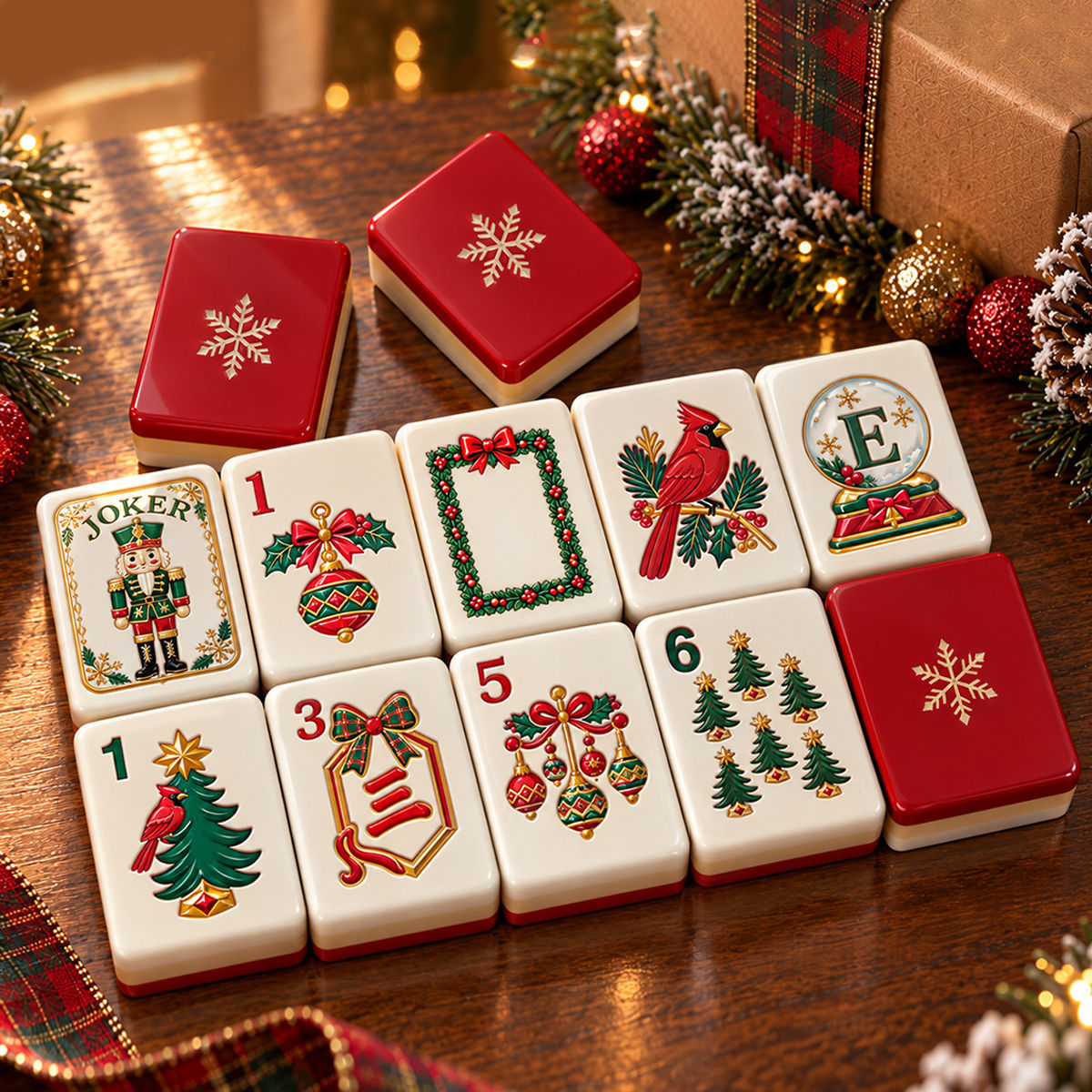
Massachusetts hosts American mahjong tournaments through the National Mah Jongg League (NMJL), which sanctions official tournaments statewide. Tournaments typically run year-round, with clusters in spring and fall, held at community centers, synagogues, country clubs, and senior centers across the state. Most tournaments use the current year's NMJL card and follow standard American mahjong rules—152 tiles, 8 jokers, one Charleston, no calling chows. Entry fees vary by event and venue. To compete, you'll need an NMJL card (issued each spring), a 160-tile set with jokers, and a mat for personal play. Start by contacting local libraries, synagogues, and recreation departments to ask about registered tournaments, or check meetup boards and community bulletin boards for tournament schedules and contact information.
Massachusetts has a thriving mahjong community centered around organized tournaments and regular leagues. Whether you're in Boston or western Massachusetts, here's how to find competitive play and prepare for your first tournament.
Where are NMJL-sanctioned tournaments held in Massachusetts?
Organized mahjong tournaments in Massachusetts happen primarily through NMJL-registered venues. Look for tournaments at community centers (especially in Boston, Worcester, and Springfield areas), Jewish community centers and synagogues, country clubs, senior centers, and retirement communities. The NMJL website lists affiliated clubs and tournament dates; you can also call local recreation departments, libraries, and cultural organizations directly to ask if they host or know of upcoming tournaments. Many venues run monthly or seasonal events. Some charge a small entry fee to cover table rental and organization, while others are free or donation-based. Check a venue's website or call ahead—scheduling changes seasonally.

How do I enter a Massachusetts mahjong tournament?
To enter, you'll need a current-year NMJL card (the membership and reference guide issued each spring), which lists all legal hands for that year. Register directly with the venue or tournament organizer—most accept sign-ups in person or by phone a week or two before the event. Bring your membership card on tournament day. You'll typically be assigned to a table with three other players in a bracketed or round-robin format. Organizers rotate tables between rounds so you play with different opponents. Most Massachusetts tournaments run 3–5 rounds (each round is roughly 90 minutes), and winners are determined by highest cumulative score. Read the specific tournament rules beforehand; some venues have house rules or scoring adjustments. Arriving 15–20 minutes early ensures smooth check-in.
What are the main differences between casual play and tournament rules?
Casual home games often skip or shorten the Charleston (tile-passing phase), relax the current-year-card requirement, or allow house variants. Tournament play enforces strict NMJL rules: a full Charleston (three exchanges of fourteen tiles per player, one exchange of same tiles back), mandatory use of the current-year card, and no unofficial hand patterns. Scoring is recorded precisely; ties are broken by secondary scoring criteria. Jokers follow rigid rules: they may only appear in melds of three or more identical tiles (pungs, kongs, quints, sextets) and never as a single tile or pair. Disputes are settled by consulting the NMJL card and the tournament director's interpretation. Speed is less emphasized in tournament play than accuracy—players are usually given 90 minutes per round, so no one rushes. If you play casually at home, practice tournament discipline beforehand: use only that year's card, enforce Charleston fully, and practice reading the card quickly to avoid slowing down your table.

What equipment do I need to compete?
You'll need a 160-tile American mahjong set with jokers (the standard for American play), which includes 152 playing tiles and spare jokers. Bring a personal mat so you recognize your tiles easily—many players invest in an engraved mat personalized with their name or family name, making it easier to keep track of your hand during play. A quality set with clear tile markings and a non-slip mat surface reduces mistakes and speeds up your game. Check our best-selling mahjong sets to ensure your tiles are tournament-grade—crisp numbers and symbols, durable acrylic or laminate, and consistent sizing. If you transport your set to tournaments, a dedicated bag or case protects it from damage and keeps you organized. Racks with pushers are optional but helpful; they keep your hand neat and prevent accidental tile reveals during play.
Item | Why it matters for tournaments | What to look for |
160-tile set | Standard for American play; 152 tiles used per game, 8 jokers | Clear markings, consistent tile thickness, 4 copies of each number |
NMJL card (current year) | Required reference; tournament director enforces hand patterns from it | Spring issue; must be current year (2026 for this season) |
Personal mat | Reduces tile misreads; speeds hand organization | Non-slip surface, adequate space for 14 tiles plus discards |
Bag or case | Protects set and mats during travel | Durable, waterproof, fits your complete kit |
Racks with pushers | Optional but improves hand visibility | Lightweight, smooth pushers, holds 14 tiles securely |
🀄 Shop best-selling mahjong sets →
How do I prepare strategically for my first tournament?
Practice reading how the mahjong card works and identify hands quickly—speed matters. Play regularly with friends using the current year's card so you recognize patterns instantly. Learn how jokers work precisely: they substitute only within complete melds and never fill a single tile or pair position. Understand American mahjong scoring so you know which hands are higher-scoring and which discard early to block opponents. Attend a few casual tournaments first to get comfortable with the pace and rule enforcement. Bring a notepad to jot down scoring after each hand so you track your cumulative points. Arrive early to your venue, introduce yourself to organizers and other players, and ask about local conventions or house rules specific to that tournament. Many Massachusetts players are welcoming and will help you settle in.
🎁 See our most-loved mahjong sets & accessories →
What should I check before I buy equipment for tournament play?
Verify that your set contains exactly 152 playing tiles plus 8 jokers (160-tile total). Check that all tiles are identical in size and thickness; mismatched tiles slow play and cause frustration. Ensure numbers, symbols, and suit marks are crisp and legible from arm's length—blurred or faint markings lead to misreads and disputes. Test your mat or table cover for grip; tiles should not slide when you arrange your hand. If buying online, confirm the retailer includes clear product photos showing tile detail and offers free US shipping so you can inspect before a tournament. If you own an older set or borrowed one, play a test game with your intended tournament group first to catch any issues. Learn more about choosing quality American mahjong sets before committing.
Finding Your First Tournament
Start by contacting community centers, libraries, and synagogues in your area—ask staff directly if they host or know of mahjong tournaments. Check Meetup.com for local mahjong groups; many advertise monthly tournaments. Call the NMJL or visit their website to request the list of affiliated Massachusetts clubs. Senior centers often run tournaments and welcome players of all skill levels. Once you've found a tournament, call the organizer, confirm the date and entry fee, ask about the format (round-robin, bracketed, etc.), and inquire whether beginners are welcome. Most tournaments do accept new players; organizers pair tables by skill level when possible.
✨ Find your Mahstead set — free US shipping →
What to check before you buy:
Tile legibility: Can you read all numbers and suit symbols clearly at arm's length?
Set completeness: Does your set include 152 tiles plus 8 jokers (160 total)?
Tile uniformity: Are all tiles identical in size, thickness, and finish?
Mat grip: Does your mat or table cover keep tiles in place without sliding?
Spare jokers: Are extra jokers included in case one is damaged?
Shipping: Is the set shipped with protective packaging?
Set origin: Is it an authentic American 160-tile set (not a Chinese or Hong Kong variant)?

FAQ
Do I need to be a member of the NMJL to play in tournaments?
You need the current-year NMJL card (the hand reference guide issued each spring), which costs a small amount. Most tournament venues sell cards on-site if you don't have one; otherwise, you can order it through the NMJL website. The card is required to reference legal hands during play.
Can I play in tournaments if I've only played casually at home?
Yes. Massachusetts tournaments welcome players of all skill levels. Your first tournament may feel fast-paced, but organizers usually pair beginners together. Play a few casual games using the current-year card first to build confidence, and arrive early to ask the tournament director any rule questions.
What happens if I make a mistake during a tournament hand?
If you reveal tiles by accident, call the tournament director immediately. The director will rule whether play continues or the hand is voided. If you misread a discard and call the wrong hand, the director verifies the call against the card; if invalid, you forfeit your turn. Play carefully, but directors are there to help resolve disputes fairly.
How much does it typically cost to enter a Massachusetts tournament?
Entry fees vary by venue and format. Some tournaments are free or donation-based; others charge a small amount to cover table rental and organization. Call the specific venue or tournament organizer for exact fees, which are typically modest.
Should I buy my own mat or can I borrow one at a tournament?
Bring your own mat if you can. A personal mat helps you recognize your tiles quickly and reduces confusion. Many players invest in a personalized or clearly marked mat. Venues do not always provide mats, and borrowing one mid-tournament can slow you down.
What is the Charleston and how is it different in tournaments?
The Charleston is the formal tile-exchange phase at the start of each hand. In tournament play, you pass three sets of fourteen tiles to one neighbor, then one set back—exactly as printed in the NMJL rules. In casual home games, players sometimes skip it or do shortened versions. Learn the full Charleston before your first tournament to avoid delays.


View More
View More
View More
