
Where to Play Mahjong in San Diego: Clubs, Lessons & Game Nights
Last updated: Nov 23, 2026
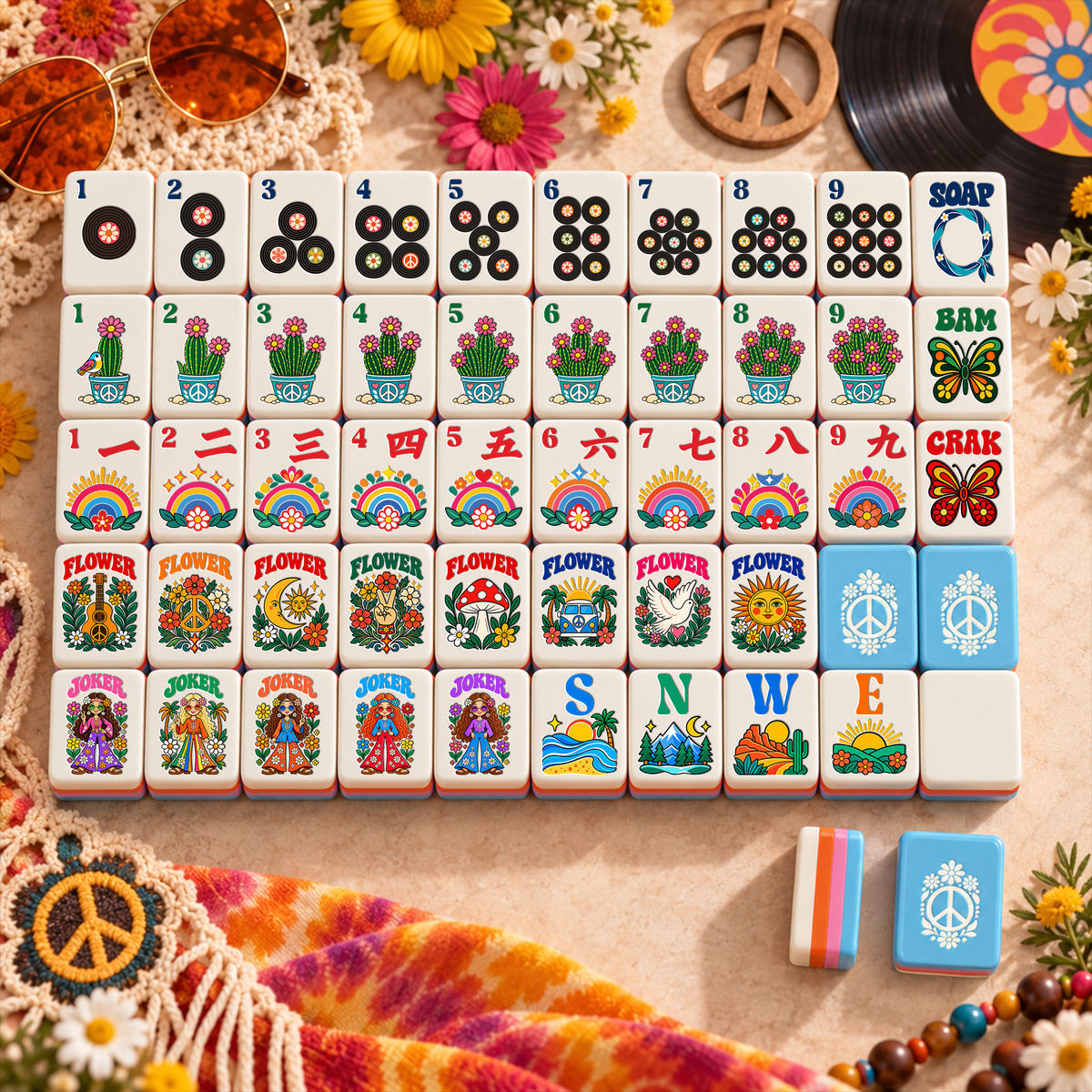
San Diego's mahjong scene lives in community centers (check your neighborhood recreation department), public libraries (many host weekly or monthly groups), synagogues and Jewish community centers, country clubs with social programs, and private meetup groups organized through Meetup or Facebook. Most games run weekday afternoons or weekend evenings; American mahjong is the standard variant in Southern California. Beginners often start at library sessions or community center classes where instructors teach the Charleston, tile recognition, and hand-reading from the current National Mah Jongg League card. Players typically bring or share a 160-tile acrylic set and a mat; scoring is tracked on paper or a small notepad. Expect to find games at all skill levels—from complete beginners to players competing in regional tournaments. The best entry point is your local community center's activity guide or a simple online search for "mahjong near me" combined with the neighborhood name; libraries often post group meeting times on their event calendars, and synagogues welcome both members and visitors.
San Diego's mahjong community lives in community centers, libraries, synagogues, and private clubs spread across the metro area. Most games run weekday afternoons or weekend evenings; American mahjong dominates Southern California. Beginners often start at library sessions or community center classes where instructors teach the Charleston, tile recognition, and hand-reading from the current National Mah Jongg League card. Players typically bring or share a 160-tile acrylic set and a mat; scoring is tracked on paper or a small notepad. Expect to find games at all skill levels—from complete beginners to players competing in regional tournaments. The best entry point is your local community center's activity guide or a simple online search for "mahjong near me" combined with the neighborhood name; libraries often post group meeting times on their event calendars, and synagogues welcome both members and visitors.
How do I find mahjong games actually happening in San Diego right now?
Start with your local community center's activity guide—most recreation departments post seasonal class schedules online with instructor names, meeting times, and skill levels. Call ahead to confirm a game is running this week; schedulers sometimes pause for holidays. Public libraries often host open mahjong afternoons or leagues; check their events page or call the branch directly. Meetup.com and Facebook groups tagged "San Diego mahjong" surface private groups that post weekly meeting locations—read recent posts to see which games still meet regularly. Synagogues and Jewish community centers welcome visitors; their front desk or member services email can connect you to group organizers.

What's the difference between a beginner-friendly game and a competitive one?
Beginner games, usually held at community centers or libraries, move slower, pause to explain hand-reading from the card, and use simplified scoring or no scoring at all. Players learn the Charleston, recognize tile suits (Bams, Craks, Dots), understand pungs and kongs, and practice calling tiles without pressure. Competitive games, often private or at country clubs, expect players to read the card independently, execute the Charleston without reminders, track scores precisely, and play at standard pace. Intermediate groups meet somewhere in between—they keep score but explain rules when needed and welcome newer players who ask. When you call or email, ask directly: "Is this beginner-friendly?" and "Will I slow the game down if I'm learning?"
Which San Diego neighborhoods have the most active mahjong groups?
Neighborhoods with larger older adult populations and strong Jewish community presence—including central and north coastal areas—tend to host the most frequent games. However, mahjong clubs and library programs exist citywide; even smaller branches often run monthly sessions. Rather than betting on geography, search community center and library websites for your specific zip code first, then expand to neighboring areas if nothing appears. A 15-minute drive to a game that meets every week beats a 5-minute walk to one that meets quarterly. Synagogues and JCCs in mid-town and La Jolla neighborhoods are reliable central meeting points; ask the front desk for referrals to local player networks.
What do I need to bring to my first game?
Wear comfortable, washable clothes—tiles and napkins leave small marks. Bring a notepad and pen to track scores, even if the table uses a printed scoresheet. If you own a best-selling mahjong set, bring it; if not, most players share sets or the organizer provides one. Some groups meet at restaurants or coffee shops and expect a small meal or drink purchase. Check the listing or call ahead about table setup: does the venue provide a mat and racks, or should you bring your own? Most games last 2–3 hours; plan for that plus 20 minutes of setup and socializing. Bring payment for your buy-in if the game uses one—ask the organizer what's standard for that group.

How do I learn American mahjong rules before showing up to a game?
Read our guide to how to play American mahjong to understand the Charleston tile-passing ritual, pung (three matching tiles), kong (four matching), and the core concept that all hands must come from the current year's National Mah Jongg League card. Then study what's in an American mahjong set—learn the three suits (Bams, Craks, Dots), winds, dragons, and how jokers work as wildcards. Practice reading the card using our article on how to read the mahjong card. Most groups email a beginner cheat sheet or one-page rule summary; ask the organizer to send it before your first visit. Watch one full round without playing to see the pace and rhythm. No group will penalize you for asking "Can you show me that hand on the card?" during play.
Group Type | Where to Find | Pace & Pressure | Best For |
Community center beginner class | City/county recreation website | Slow, pause-to-explain | First-timers, learners |
Library open game | Library events calendar | Relaxed, mixed levels | Casual players, flexible schedules |
Synagogue/JCC league | Call front desk or member email | Moderate, social scoring | Community connection, steady commitment |
Private Meetup group | Meetup.com or Facebook | Varies by group | Finding your regular crew |
Country club game | Club membership or referral | Faster, traditional scoring | Experienced players, tournament prep |
🀄 Shop best-selling mahjong sets →
What to check before you buy or bring your own set to a San Diego game
Ask the organizer: Does the venue provide a 160-tile acrylic set, or should you bring one? Some groups prefer players to rotate sets so everyone learns to handle different tile styles. If bringing your own, choose a best-selling mahjong set with clear, large engraved characters (especially if anyone at the table has vision challenges). Check the set includes 160 tiles (152 playing tiles plus spares) and verify jokers are included—American mahjong requires 8 jokers in play, and many newer players accidentally use sets with missing jokers. If you plan to play weekly, invest in a quality set that won't chip or fade. Ask if the venue has a mat and racks with pushers available; if not, a protective mahjong mat guards tiles and keeps the game quiet and organized. A cloth travel bag makes transport easy if you're moving between different game locations.
🎁 See our most-loved mahjong sets & accessories →
How often should I expect to play, and what's the real time commitment?
Community center beginner classes typically run 1–2 hours weekly for 4–8 weeks; after that, you can join open-play afternoons or transition to a league. Library games usually meet once or twice monthly and last 2–3 hours. Synagogue leagues often run 12–16 weeks per season (fall through spring) with games every week or every other week. Private Meetup groups vary widely—some meet weekly, others monthly; ask the organizer about their schedule before attending. Most players in San Diego treat mahjong as a committed hobby: they pick one or two regular games and show up most weeks. A single game costs nothing (if organized by a community center or library) or a modest table fee (typical at private groups). Competitive leagues may charge a seasonal entry fee; ask upfront. The real commitment is mental—learning to read the card and recognize tiles takes 6–8 weeks of regular play.
✨ Find your Mahstead set — free US shipping →

FAQ
Can I play mahjong in San Diego if I've never played before?
Yes. Community center beginner classes and library open games welcome first-timers with no experience. Start with a structured class; instructors teach the Charleston, tile recognition, and hand-reading. Most groups allow absolute beginners to observe one round free before committing to play.
What variant of mahjong do San Diego players use—American, Chinese, or something else?
American mahjong dominates Southern California. Players use a 160-tile acrylic set, follow the National Mah Jongg League card updated each spring, and never use sequences (chows). Some advanced players may explore other variants, but ask the organizer to confirm if you have a preference.
Do I need to own a mahjong set to play in a San Diego group?
No. Most community centers, libraries, and synagogues provide sets for beginners. If you play regularly, owning your own set is convenient—many players bring their own to every game. A 160-tile acrylic set with clear engraving is standard.
How much does it cost to play mahjong in San Diego—is there a buy-in or fee?
Community center and library games are free or include a minimal room fee (a few dollars). Synagogue leagues may charge a seasonal entry fee to support the organization. Private Meetup games and country club tables sometimes use a small per-game ante for prizes, or scoring only. Ask the organizer before attending.
What's the best way to meet other regular San Diego mahjong players outside of a structured class?
Attend open-play sessions at libraries or community centers regularly, introduce yourself during breaks, and exchange phone numbers or email addresses. Join Meetup.com groups and attend their games to find your crew. Synagogues and JCCs have member networks—ask the front desk to introduce you to organizers or regular players who might invite you to private games.
How long does a typical mahjong game last?
A single round (one hand) takes 15–25 minutes depending on player pace and experience. A session of three or four rounds lasts 1.5–2 hours plus setup time. Most organized groups plan for 2–3 hours total; casual games at home can go longer.
Are there mahjong tournaments in or near San Diego where I can compete?
Yes, the National Mah Jongg League runs regional tournaments throughout Southern California, typically in spring and fall. Local synagogues and Jewish community centers sometimes organize smaller league tournaments. Search online for "NMJL tournaments Southern California" or contact your local JCC for upcoming events. Most tournaments require NMJL membership and expect players to read the card fluently.


View More
View More
View More
