
Mahjong Tournaments in Los Angeles: Where to Play & How to Join
Last updated: Nov 23, 2026
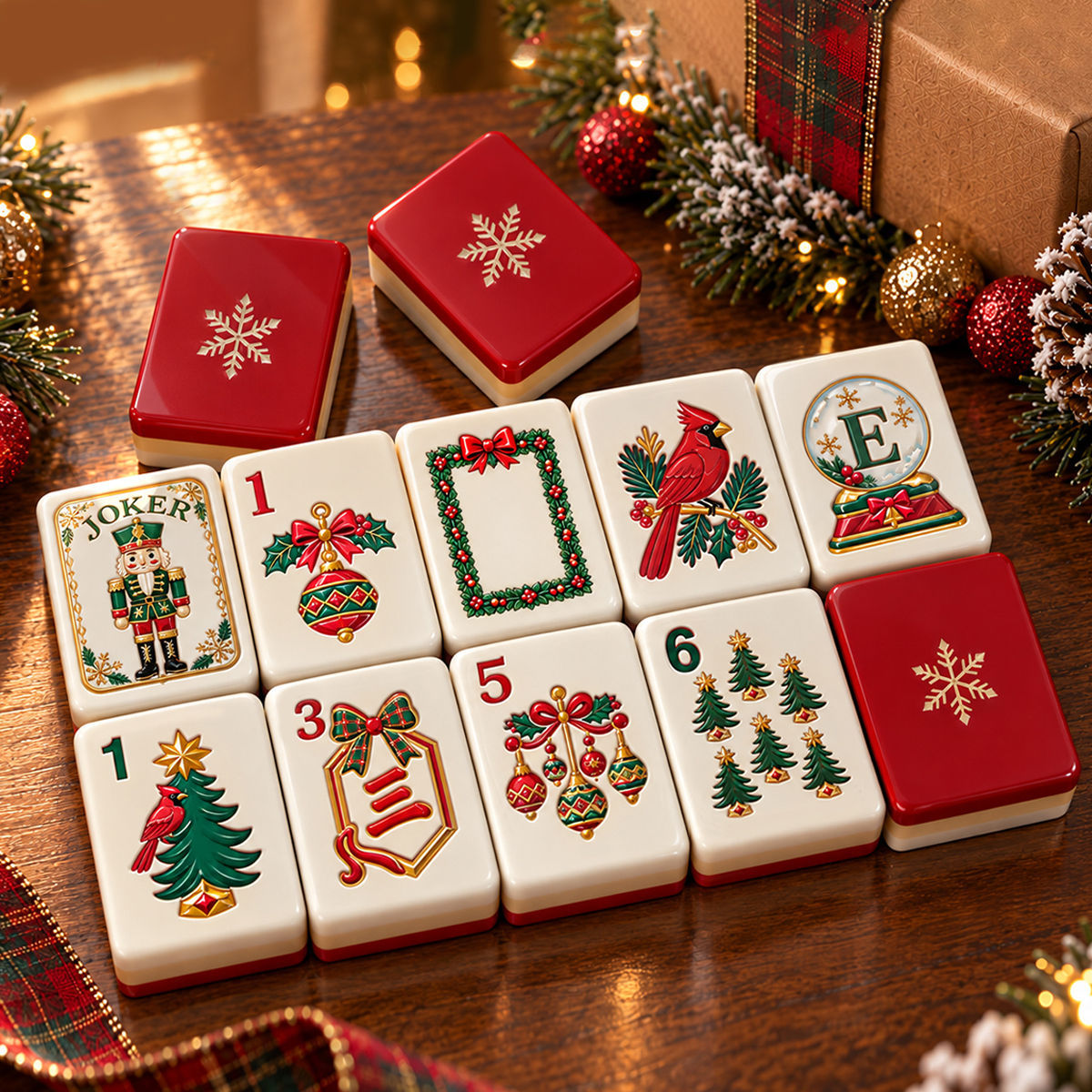
Los Angeles hosts mahjong tournaments year-round through community centers, senior programs, cultural organizations, and private clubs scattered across the metro area. Most tournaments follow American mahjong rules with 152-tile sets and hands pulled from the current National Mah Jongg League card. Tournament seasons typically run September through May, mirroring the League's card calendar. Entry fees vary by venue (from casual house games with no fee to organized league play), and most run four-round or six-round formats on weekends. To find tournaments: check community center bulletin boards, search library websites for game groups, contact synagogues and Buddhist temples with cultural programs, browse neighborhood Meetup boards, and ask at senior centers. Serious players bring their own acrylic tile sets, racks with pushers, and a personal mat to ensure consistency; check that best-selling mahjong sets meet tournament standards before your first event.
How do I find mahjong tournaments near me in Los Angeles?
Start with community centers in your neighborhood—most host weekly games or can refer you to active groups. Call ahead to confirm tournament schedules, as dates shift seasonally. Libraries often maintain bulletin boards or digital calendars listing game meetups; librarians frequently know local coordinators by name. Synagogues and Buddhist temples in LA regularly run mahjong programs with both casual nights and tournament brackets; these are excellent entry points for beginners. Search Meetup.com for "mahjong Los Angeles" or your specific neighborhood and filter by distance; serious players post regular game schedules there. Senior centers across LA run dedicated mahjong leagues with multiple skill levels—age restrictions vary, so call first. Ask your current game group directly; word-of-mouth networks in LA's mahjong scene are strong and often lead to invitations to larger events.
🀄 Shop best-selling mahjong sets →

What's the difference between casual games and tournament play?
Casual games (typically Thursday or Friday evenings in living rooms) use house rules, play at a relaxed pace, and often skip strict scoring. Tournament play enforces American mahjong rules strictly: only hands from the current year's National Mah Jongg League card are valid, the Charleston is always used before the first hand, and scoring follows the League's official guide. Tournaments run timed rounds (usually 20–30 minutes per hand), use neutral walls or tables, and require players to use standard 152-tile acrylic sets. Casual games let jokers and house variations slide; tournaments do not. Most LA venues offer both: a 7 p.m. casual group and a 9 a.m. Saturday tournament in the same room. If you've never played in a tournament, attend a casual game first to learn the rhythm before committing fees.
What gear do I need to bring to a tournament?
Bring a 160-tile acrylic American mahjong set—tournaments do not allow bamboo or wood sets because tiles vary in weight and damage easily. Pack your set in a dedicated bag or case to prevent loss or chipping during transport across LA traffic. A personal mat is optional at league tournaments (tables are provided) but essential if you play in neighborhoods without fixed venues. Bring racks with pushers if your set does not include them; they speed play and prevent accidental tile exposure. Carry the current year's mahjong card in a sleeve to avoid bending. A notepad, pen, and calculator help you track scores if scorepad software is not used. Dress in layers; some LA venues run cold AC. Do not bring beverages directly to the table—tournaments enforce strict no-drink-near-tiles policies.
Gear | Why it matters for tournaments | What happens if you skip it |
160-tile acrylic set | Consistent tile weight & durability | You cannot join; only acrylic allowed |
Racks with pushers | Speeds play; prevents accidental calls | Slower rounds; risk of misseals |
Personal mat (optional) | Comfort on unfamiliar tables | None—provided at most venues |
Bag or case | Protects tiles during LA commute | Chips, cracks, missing jokers |
Current year's card | Only hands from this card are legal | Hands you memorized may not be valid |

How are tournaments scored and ranked in LA?
Most American mahjong tournaments in LA use round-robin or bracket scoring: you play 4–6 rounds against different opponents, earn points per hand won, and rankings are posted after each round. The National Mah Jongg League scoring system applies: a winning hand earns points based on its position on the card (typically 20–70 points depending on difficulty). If you win multiple hands in a round, your points accumulate. Ties are broken by head-to-head record or playoff rounds. Some venues use traditional Hong Kong or Chinese scoring rules for cultural events; always confirm the ruleset when you register. Prizes are rarely cash (mahjong is technically a game of skill, and prize money is restricted in many California venues); instead, winners receive gift certificates, trophies, or invitations to exclusive games. Your first tournament result does not lock you into a level—many venues allow ladder play where you advance or drop based on performance each month.
What should I know before entering my first LA tournament?
Arrive 15 minutes early. Tournaments start on time; late arrivals may forfeit their first round. Confirm the entry fee, tile set standard (always 152-tile acrylic), and house rules specific to that venue—not all LA tournaments play identically. Ask whether jokers are allowed as wild tiles in all hand types or only certain categories; this varies by venue. Clarify tie-breaking rules: some venues replay a full hand, others use scorecard math. Bring your own set unless the venue explicitly provides loaner sets; do not assume. Verify the current year's National Mah Jongg League card is in use (it changes every spring, and old cards are not valid). If you finish a hand early, stay silent until all players have either won or passed; do not coach or comment on other hands. Respect the 20-minute round timer and do not ask for extensions. Most LA tournament hosts are welcoming to newcomers; introduce yourself to the organizer and ask for a brief rule orientation if you are nervous.
🎁 See our most-loved mahjong sets & accessories →
What to check before you buy tournament gear
Before you invest in a set specifically for tournaments, attend 2–3 casual games first to confirm you enjoy American mahjong's pace and rules. If you decide to compete, buy a 160-tile acrylic set from a trusted maker; cheaper sets often have uneven tiles that slow play or break in transit. Test your racks with pushers at home before a tournament—some are taller or narrower than others and may feel awkward on unfamiliar tables. Avoid buying a mat until you know whether your tournament venue provides tables; many do, and carrying a mat across LA is unnecessary weight. If you travel to multiple venues weekly, a travel bag or case is genuinely worth the cost; loose tiles rattle and get lost. For LA's warm weather, choose a mat in a light color if you play outdoors; darker mats absorb heat and slow play. A card sleeve is cheap and prevents your card from wrinkling or tearing mid-tournament.
✨ Find your Mahstead set — free US shipping →
How does LA's tournament season align with the National Mah Jongg League card?
The National Mah Jongg League releases a new card every spring (typically March or April). Most LA tournaments switch to the new card immediately; hands from the previous year's card become invalid. This means August through early September is a "dead zone"—few tournaments run because organizers wait for the new card. Tournament activity peaks October through May. If you practice hands in summer, remember they expire once the new card drops. Some casual games continue playing old cards informally, but all official tournaments in LA require the current year's card. The League card change is the single most important date for LA's mahjong calendar. Join a local Meetup group or newsletter to get the 2026 card release date and tournament reopening announcements.

FAQ
Do I need to be a member of the National Mah Jongg League to play in LA tournaments?
No. League membership is optional and costs money. Tournaments use the League's card (released free online each spring), but you do not join the League itself to play. Most casual and competitive LA tournaments welcome non-members. Ask the host if you are unsure.
Can I use a borrowed or loaner mahjong set at a tournament?
Check with the tournament host first. Most allow it if the set is 152-tile acrylic and complete. Do not borrow a bamboo or wooden set; tournaments reject them due to durability and weight inconsistency. Bringing your own set is always safer.
What if I don't know anyone in LA and want to find a beginner tournament?
Start at a community center or library in your neighborhood; they run mixed-skill games where beginners play alongside experienced players. Online Meetup boards filter by "beginner-friendly." Many LA hosts intentionally reserve Saturday mornings for newer players. Call ahead to confirm.
Do LA tournaments enforce the Charleston tile-passing ritual, and is it different in tournaments vs. casual games?
Yes, every LA tournament enforces the Charleston before the first hand. The procedure is identical to casual play: pass three tiles right, three across, three left, then optional passes. Skipping the Charleston disqualifies your hand. It's not different in tournaments; it's mandatory everywhere.
Are there separate tournaments for different mahjong variants (Chinese vs. American) in LA?
Most LA tournaments run American mahjong only (152-tile sets, current League card, no chows). Some cultural centers occasionally host Chinese or Hong Kong mahjong nights, but these are rarely advertised as "tournaments"—ask at Buddhist temples or Chinese senior centers if interested. American mahjong tournaments dominate LA's calendar.
What happens if I call a hand I think is on the card, but it's not actually there when checked?
You lose that hand. All players may read the mahjong card together to verify; if your hand is not found, you score zero for that round. This is why practicing with the current year's card before your first tournament is critical.


View More
View More
View More
