
Mahjong Tournaments in Fort Lauderdale: How to Find & Join
Last updated: Nov 23, 2026
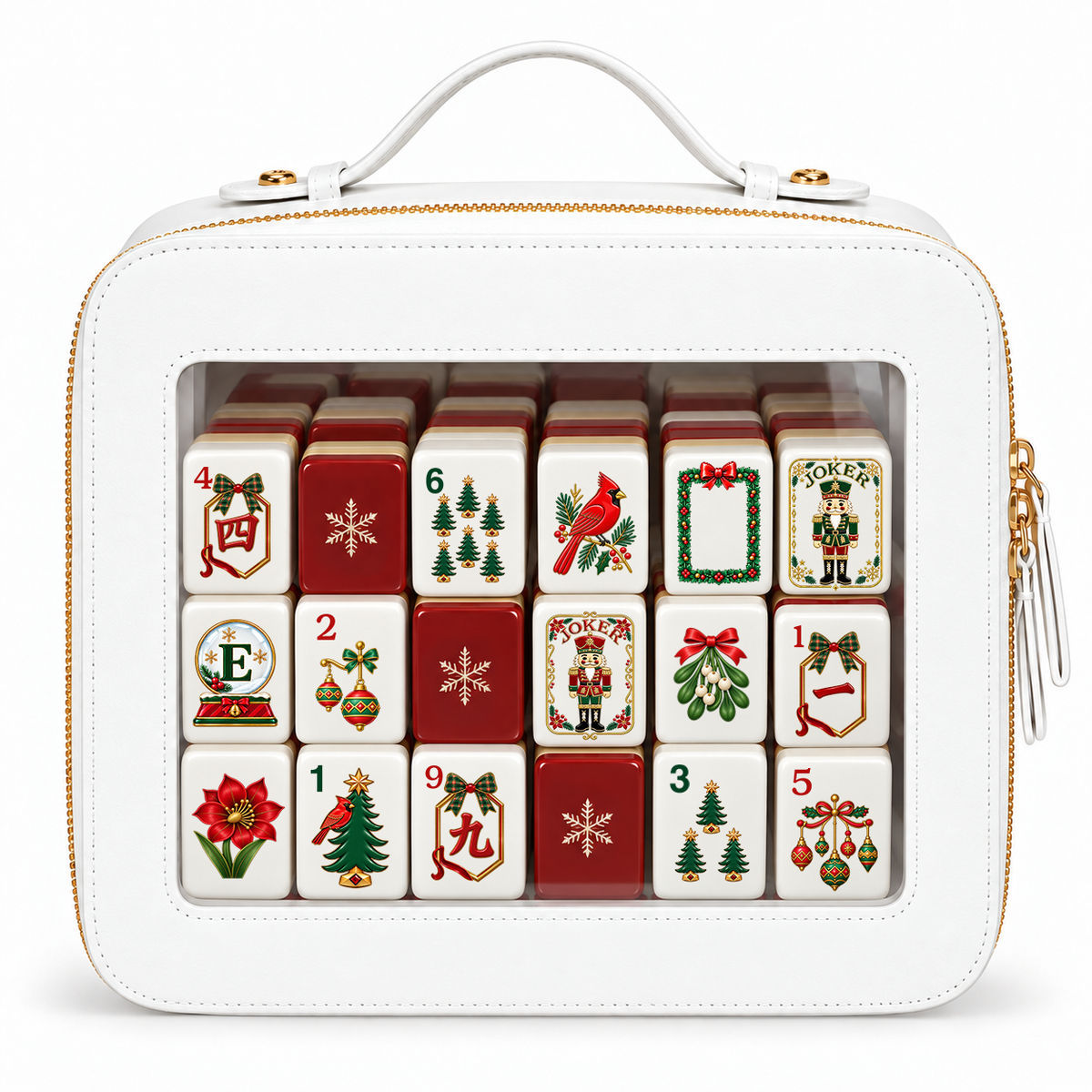
Fort Lauderdale hosts mahjong tournaments through community centers, country clubs, synagogues, and private game groups—most play American mahjong year-round. Start by checking your local community center bulletin boards, library event listings, and searching Meetup for "mahjong Fort Lauderdale" groups. Tournaments range from casual Thursday-night games to structured weekend events with entry fees and prizes; most welcome beginners if they know the basics of how to play American mahjong. Contact host venues directly to confirm schedules, house rules, and tile set standards (most use or accept a full 152-tile American set). Preparation includes mastering the Charleston, learning how to read the mahjong card, and owning a reliable set—our best-selling mahjong sets are tournament-grade acrylic.
Where do most Fort Lauderdale tournaments happen?
Fort Lauderdale tournaments cluster in three venue types: public community centers (often free or low-cost, weekly games), country clubs and golf clubs (members-only or guest play), and synagogues with active game programs (usually welcoming to non-members). Check the Parks & Recreation department website, call ahead to community centers in your zip code, and ask at local temples and churches—many host Tuesday or Thursday evening games. Private groups also meet at homes or rental halls; the best way to find them is Meetup, Facebook community boards, or word-of-mouth at coffee shops in neighborhoods with older, established residents. Most tournaments operate spring through fall, with summer breaks common in South Florida heat.

What should you know before entering your first tournament?
Bring three things: a full 152-tile American mahjong set in good condition, a current National Mah Jongg League card (updated yearly each spring—check the League website), and cash for any entry fee or game buy-in. Arrive 10–15 minutes early to confirm your seating, confirm the house rules (scoring, tile passing protocol, kong rules vary slightly), and meet your three opponents. Expect games to last 45–75 minutes per round, with breaks between rounds. Most tournaments run 4–6 games per session. Wear comfortable clothes, bring water, and silence your phone. If you've never played in a tournament before, tell the organizer—experienced players usually pair newer players with calm, patient opponents.
How do you prepare your tiles and table?
Before tournament day, inspect your set for missing or chipped tiles—a replacement tile spotted wrong mid-game can cost you a game or your reputation. Clean acrylic tiles with a soft, slightly damp cloth and air-dry. Pack your set in a travel bag or case with padding to avoid movement or damage in transit; South Florida humidity can swell wooden racks, so acrylic racks and cases handle the climate better. Bring a small notepad and pen to jot down hands played and scoring adjustments. If you own a mahjong mat, roll it separately and pack it last so it stays crease-free. If the venue provides a table, ask if it's level—a tilted table makes tile racking unfair. Many players bring racks with pushers for consistency; check the tournament rules to confirm racks are allowed (most are).
What to Pack | Why | Notes |
152-tile set | Tournament standard; missing tiles disqualify a hand | Inspect for chips before leaving home |
Current NMJL card | Hands valid only from current year's card | Updated each April; old cards invalid |
Travel bag or case | Protects tiles in transit and heat | Acrylic cases handle humidity best |
Racks & pushers | Keeps hand organized and reduces mistakes | Confirm venue allows them |
Notepad & pen | Track scores and house rules | Useful if disputes arise |
Cash | Entry fees, buy-ins, snacks | Ask host for fee amount in advance |
🀄 Shop best-selling mahjong sets →
What rules often trip up new tournament players?
The most common mistakes: using a joker as a single tile (not allowed in American mahjong), discarding a tile and immediately taking it back (illegal), exposing a chow (sequences don't exist in American mahjong—only pungs, kongs, quints, and sextets are valid). Another trap is misreading the hand card—the National Mah Jongg League card has dense sections, and one wrong digit can invalidate an entire hand. Before calling mahjong, verify all seven melds match exactly what the card shows. If you're unsure, ask another player at the table to review your melds quietly before announcing. Know the house rules on bonus payments for limit hands (not all tournaments score them equally) and whether kong bonuses are paid. Ask questions beforehand, not mid-game.

How do you score and pay out at Fort Lauderdale tournaments?
American mahjong scoring is detailed and rule-bound—hand values range from 30 points (a simple pung hand) to 960+ for limit hands. Most tournaments score hands according to the current year's National Mah Jongg League rules, with the winning player collecting payment from each of the three losing players based on hand value and agreed multipliers. Common payment: each loser pays the winner the hand's point value (or a fixed amount, like 25¢ per point). Some tournaments use cashless scoring (points tracked on a sheet, settled at the end) to avoid mid-game cash exchanges. Always confirm the scoring method and multiplier before the first hand is played. If a hand disputes arises, most tournaments have a designated referee (often the host) who checks the card and makes the final call.
🎁 See our most-loved mahjong sets & accessories →
What's different about Fort Lauderdale's mahjong culture compared to other Florida cities?
Fort Lauderdale's mahjong scene skews toward traditional American mahjong players (mostly age 55+) with strong ties to the National Mah Jongg League. The community is stable, rule-conscious, and competitive—tournaments here enforce strict card reading and tile management. You'll find fewer younger or casual players here than in Miami, where Chinese-variant and social play is more common. Fort Lauderdale games move at a steady, deliberate pace; speed is not the goal. The culture emphasizes etiquette (quiet table, no phone use, respectful handling of tiles) and fairness. Most hosts run nonprofit or community-benefit games, so winnings stay modest and the focus is on skill and friendship. If you're relocating to the area or new to mahjong, this stability is an advantage—you'll play the same rule set across venues and build a reliable player network.
✨ Find your Mahstead set — free US shipping →
What to check before you buy your tournament set
Tile quality and uniformity. All 152 tiles must be identical in size, weight, and thickness—mismatched tiles can be called out by other players and damage your credibility. Acrylic tiles are tournament-standard because they're durable, consistent, and handle humidity without warping. Avoid sets with thin or lightweight tiles; they feel loose in racks and invite scrutiny.
Joker and blank count. A 160-tile tournament set has 8 jokers and spare tiles; confirm the set matches your venue's standard. The number of jokers matters for house rules on quints and sextets.
Rack condition. If racks are included, check that pusher handles move freely, numbers are clear, and nothing rattles. A broken pusher mid-tournament is a distraction.
Storage and protection. Buy a travel case or bag if your set doesn't include one—exposure to sunlight, heat, and humidity in South Florida will fade tiles and warp wooden cases. Acrylic cases last longer.
Verification of hand card. Purchase or confirm your venue supplies the current year's National Mah Jongg League card—old cards are worthless in tournaments.
Getting started: A beginner's checklist
[ ] Research local venues: community centers, synagogues, country clubs, Meetup boards
[ ] Read mahjong for beginners to learn the basics
[ ] Master the Charleston and how jokers work
[ ] Buy or borrow a 152-tile tournament-grade set; test it at home first
[ ] Get the current year's National Mah Jongg League card
[ ] Attend one casual game before entering a tournament
[ ] Learn American mahjong scoring and house rules at your chosen venue
[ ] Pack tiles in a protective case or bag
[ ] Arrive early to your first tournament; introduce yourself to the host

FAQ
Can I play in a Fort Lauderdale tournament if I'm a complete beginner?
Yes, but only after learning the rules. Most venues won't seat someone who doesn't know how to build a hand or recognize valid melds. Attend a beginner's social game first, then join a tournament when you can play smoothly.
Do I have to own my own mahjong set for tournaments?
Yes. Tournaments require a full 152-tile American set that you bring. Venues don't lend sets. Invest in a reliable acrylic set; they last decades and are tournament-standard.
How often do Fort Lauderdale tournaments run?
Most venues host weekly games (Thursday or Tuesday evenings are common). Some run monthly tournaments on weekends. Call ahead to confirm the schedule; it may change seasonally or for holidays.
What's the typical entry fee or cost?
Costs vary by venue and format. Casual group games usually have a small buy-in per game. Larger organized tournaments may charge a flat entry fee. Contact the host for exact amounts before attending.
What happens if I dispute a hand or scoring?
Stop play, call over the host or a designated referee, and show them the hand card. The referee checks the tiles against the card and makes a final ruling. Write down the decision for future reference in case the same situation arises.
Are there rules specific to Fort Lauderdale tournaments, or do all American mahjong tournaments follow the same rules?
All American mahjong tournaments use the National Mah Jongg League rules and card. Minor variations exist (bonus payments, kong rules, payment multipliers), so ask your host to confirm their house rules before your first game.


View More
View More
View More
