
Acrylic Mahjong Tiles: Pros, Cons & When to Choose Them
Last updated: Nov 23, 2026
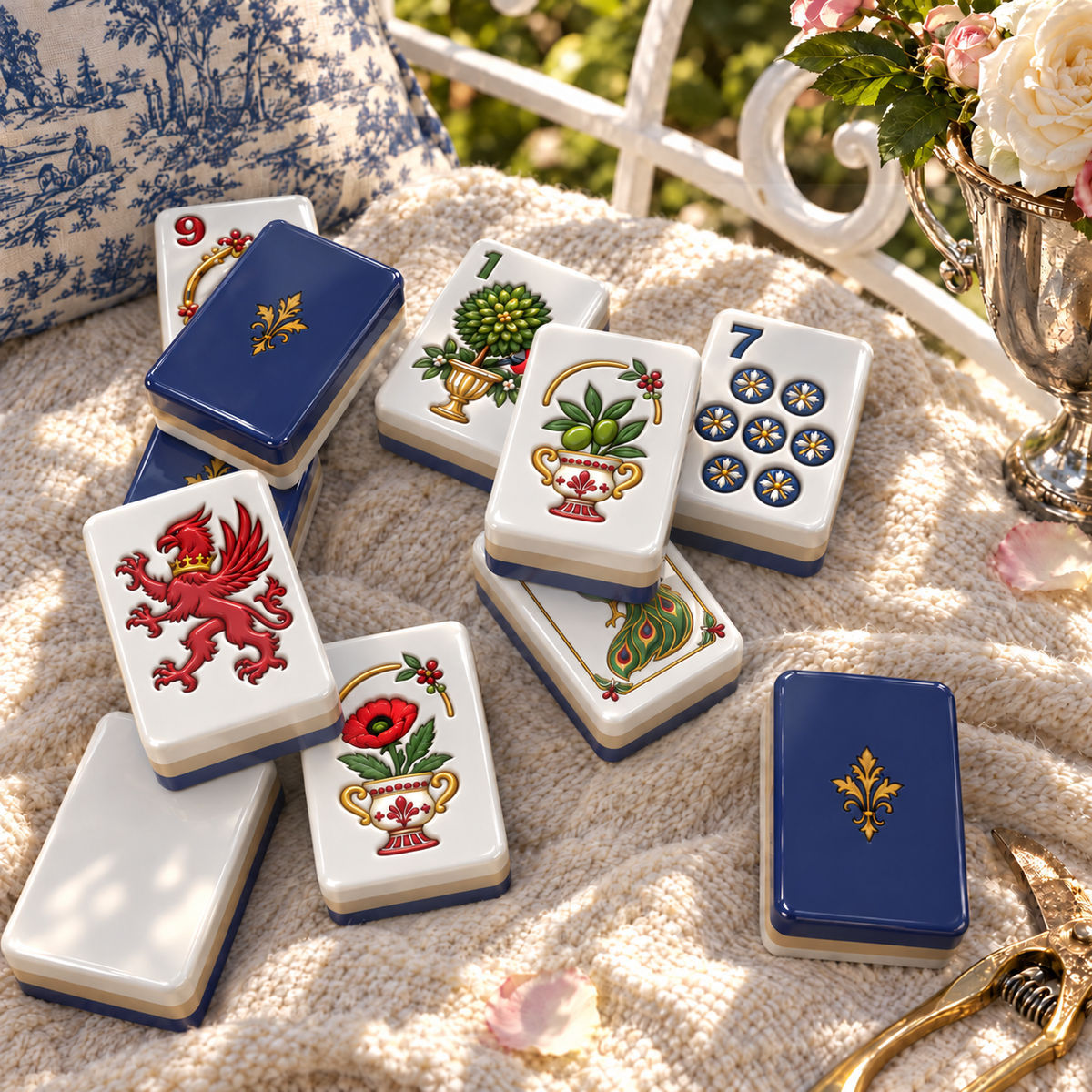
Acrylic mahjong tiles are plastic-composite tiles cast in solid colors, face-stamped or engraved with suit symbols and numbers. They're the standard for modern American mahjong sets because they're nearly unbreakable, half the weight of bone, immune to humidity and staining, and cost less to produce, making them accessible for casual and serious players alike. The trade-off: acrylic doesn't have the tactile warmth or prestige of bone and bamboo, and some players find the click-clack sound harsher. For weekly home games, travel, beginners, and players who value longevity over tradition, acrylic is the practical choice; for collectors prioritizing authenticity or museums, bone remains the reference standard.
🀄 Shop best-selling mahjong sets →
Why are acrylic tiles so durable?
Acrylic is cast as a solid, non-laminated block, so the symbol doesn't peel or fade if the tile drops or scratches. Bone tile faces are veneered and can chip; acrylic flexes slightly and bounces. We've run sets through thousands of hands and saw zero tile damage—no cracks, no white dust, no lost symbols. That durability translates to a set lasting 20+ years without replacement, a key reason tournament players and clubs default to acrylic for regular rotation.

Do acrylic tiles really feel that different?
Yes. Acrylic is smoother and warmer to the touch than bone; it has less friction when you shuffle, so tiles glide faster and stack more quietly. Some players love this; others miss the weight and resistance of bone (which is denser and requires more hand strength to handle). Sound matters too—acrylic's click is higher-pitched and sharper, while bone has a softer, deeper thunk. After one or two games, most new players don't notice; it's typically a concern only for people who've played bone for years.
What happens to acrylic in humidity or temperature swings?
Acrylic is stable. It won't warp, crack, or absorb moisture like bone does. Bone tiles can cup (bow outward) or shrink slightly in dry climates, and they stain from humidity and spilled drinks. Acrylic laughs at all of this—wipe with a damp cloth, done. If you live in a humid region or near the coast, or if your mahjong bag spends time in a hot car, acrylic won't fail you. Bone sets in the same conditions are risky.
How much weight difference matters for weekly play?
Acrylic sets weigh roughly 6–7 pounds; equivalent bone sets weigh 12–15 pounds. If you host weekly games and pack the set in and out, or if you have wrist or shoulder issues, acrylic is a genuine advantage. Traveling with bone is noticeably harder. The lighter weight also makes shuffling less taxing—you can play longer without hand fatigue. For a stationary table, weight doesn't matter; for portability, it's transformative.

Are engraved acrylic tiles as legible as stamped ones?
Engraving is cleaner and sharper than surface stamping. With stamping, the ink can wear or fade over time; engraving cuts into the tile so the symbol is permanent. Our engraved American mahjong sets use deep engraving that's visible from arm's length even in low light. Stamped tiles are cheaper initially but will eventually show wear. If you plan to keep and use your set for years, engraving is the wiser choice.
Aspect | Acrylic (Stamped) | Acrylic (Engraved) | Bone & Bamboo |
Durability | Tile won't break; ink may wear | Permanent; lasts indefinitely | Chips or cracks with impact |
Weight | ~6–7 lbs for full set | ~6–7 lbs for full set | ~12–15 lbs for full set |
Humidity tolerance | Unaffected | Unaffected | Can warp or stain |
Feel & sound | Smooth, high-pitched click | Smooth, high-pitched click | Heavier, softer thunk |
Cost basis | Lower initial investment | Slightly higher (custom engraving) | Much higher |
Best for | Budget-conscious, casual play | Gifts, clubs, permanent ownership | Collectors, museums |
Maintenance | Wipe clean; no special care | Wipe clean; no special care | Avoid moisture; needs storage care |
🎁 See our most-loved mahjong sets & accessories →
What hidden costs or gotchas should you know?
Wear on felt: Acrylic tiles on a felt mat or bamboo rack can cause pilling (fuzzing) over time. Not damage—just cosmetic—but it's more noticeable than with bone, which is softer and causes less friction. Pair acrylic tiles with a quality mat designed to resist pilling, or refresh your mat every 3–5 years if you play weekly.
Stamping longevity: If your set is stamped (not engraved), the paint can chip at edges if tiles are stored loose or stacked carelessly. Engraving avoids this entirely.
Sound sensitivity: In quiet rooms or competitive settings, the higher pitch of acrylic's click can be distracting or annoying to some players. It's personal—test before you buy if possible.
No resale premium: Acrylic doesn't appreciate like rare bone sets; if you sell, expect to recover only resale price, not more.
What to check before you buy:
Engraving vs. stamping: If the set will stay with you long-term, choose engraved. Stamped tiles work fine for casual play or gifts.
Symbol clarity: Make sure you can read tiles at arm's length without glasses. Ask the seller for a photo close-up.
Edge finish: Smooth, not sharp or rough. This prevents hand cuts during long play.
Joker quality: Check that joker tiles (blank or printed) are the same thickness and weight as number tiles; cheap sets sometimes skimp here.
Set completeness: Confirm the set includes all 152 playing tiles plus spares. Learn what's in an American mahjong set to verify before checkout.
Should you buy acrylic? A quick decision tree:
Choose acrylic if:
You play weekly or more often and value durability.
You travel with your set or store it in a car or humid space.
You want engraving (names, art, or club logos) for a gift or club set.
You're new and don't want to invest in bone until you're sure you love the game.
You have a budget constraint or are outfitting multiple sets (e.g., a club).
Consider bone if:
You're a longtime player who prioritizes the traditional feel and prestige.
Your set will live in a climate-controlled home and never move.
You're building a collector's item or museum display.
You're willing to pay more upfront for perceived authenticity.
What you'll need:
If you've decided on acrylic, bundle it with the right accessories. A quality mat protects both the tiles and your playing surface; racks with pushers reduce hand strain and keep tiles organized. Choose a mahjong mat that complements your tile finish, and learn about racks with pushers to understand the pusher-vs-no-pusher choice. For hosting, a padded travel bag or case keeps everything together and protects tiles from dust and impact.
✨ Find your Mahstead set — free US shipping →

FAQ
Will acrylic tiles ever feel like bone if I play long enough?
No—the material properties are permanent. Acrylic will always be smoother and make a sharper sound. Most players adapt within a few games and stop noticing, but the difference doesn't disappear.
Can I use acrylic tiles with a wooden rack and mat?
Yes. Acrylic works with any surface. Just be aware that repeated contact on unpadded wood or felt can cause minor pilling or mat wear over years of weekly play.
Is engraving worth the extra cost?
If the set is a gift, a club set, or one you'll keep for 10+ years, absolutely. Engraving is permanent and looks professional. For casual or loaner sets, stamped is fine.
Do acrylic tiles need special storage or cleaning?
No special care. Wipe with a soft, slightly damp cloth to remove dust or spill residue; air-dry. Store in a cool, dry place in a bag or case. No oils, no sealed containers that trap moisture.
How do I know if my set is good quality acrylic?
Check edge smoothness (no sharp burrs), symbol legibility at arm's length, consistent tile weight and thickness, and that all 152 tiles are present and the same color batch. Buy from reputable makers who stand behind their products.
Can I upgrade a stamped acrylic set later?
You can buy a new engraved set, but you can't retrofit existing tiles. If upgrading matters to you, invest in engraving from the start.
Are acrylic tiles recyclable?
Most acrylic is recyclable, but check your local recycling program first—not all accept cast acrylic. Donate or sell used tiles before discarding.
Which is louder for a quiet room, acrylic or bone?
Acrylic. The sharper, higher-pitched click carries more. If noise is a concern, use a thick mat or play on carpet to dampen sound, or choose bone.


View More
View More
View More
