
Mahjong Tournaments in Dallas: Where to Play & How to Start
Last updated: Nov 23, 2026
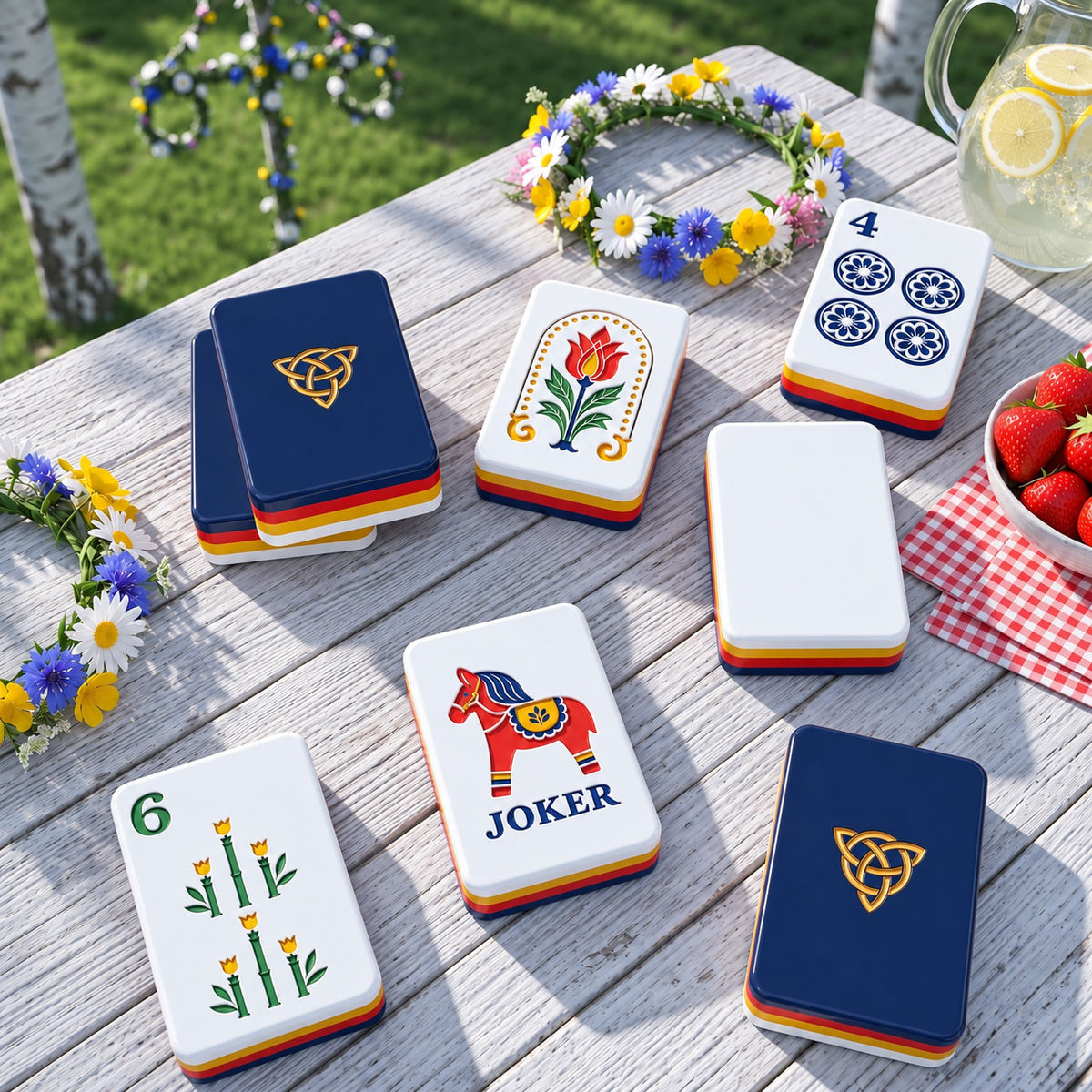
Dallas hosts mahjong tournaments year-round through community centers, senior programs, and private clubs. Most events run during weekday afternoons or weekend afternoons, lasting 2–4 hours per tournament round. Tournaments typically follow American mahjong rules using the current National Mah Jongg League card, and entry fees vary by venue. To find events, check your local library, community center bulletin boards, and online meetup platforms under "mahjong" or "mah jongg"—many host beginner-friendly rounds alongside competitive divisions. Tournament play requires you to know how to read the League card, understand joker rules, and execute the Charleston properly. Mahstead's best-selling mahjong sets ship with clear acrylic tiles that meet tournament visibility standards, making them ideal for practicing before you compete.
Where Do Dallas Players Compete?
Dallas mahjong tournaments typically happen at senior living communities, Jewish community centers, public libraries with game programs, and country clubs with social gaming. Some venues host monthly tournaments open to members and guests; others run seasonal events with prize pools. Call ahead to confirm membership requirements—many welcome visitors for a day-pass fee or require membership. Check bulletin boards and ask at local game shops, synagogues, and community centers for flyers with dates and contact information.

What Rules and Card Format Do Tournaments Use?
All American mahjong tournaments use the National Mah Jongg League card issued that year. The card dictates every legal hand—patterns, like "Consecutive Pungs" or "Like Numbers"—that you can declare to win. You must understand how the card organizes hands by category (Consecutive, Like Numbers, Quint, Sextet, etc.) and how jokers substitute within each pattern. Tournament play never allows house rules; everyone follows League standards. Before entering, study how to read the mahjong card so you can spot valid hands quickly and avoid fouling.
How Should You Prepare for Tournament Play?
Tournament mahjong moves faster than casual games because players have time limits per turn (usually 30–60 seconds). You need muscle memory for recognizing hand patterns, calling tiles accurately, and tracking discards. Host weekly practice games with friends using the current League card; this builds speed and decision-making. Understand how jokers work—they can only substitute in exposed pungs, kongs, quints, and sextets, never in pairs or single tiles. Master the Charleston tile-passing ritual beforehand so you don't fumble at the table. Bring a notebook to jot down discards if memory is your weak spot, and wear comfortable clothes because tournaments last hours.
What Equipment Should You Bring or Own?
Most tournaments provide tiles and mats, but owning your own set helps you practice and shows respect for the game. A 160-tile acrylic set with clear tiles is ideal for tournaments because acrylic tiles don't crack under repeated play and are easy to read under tournament lighting. If you travel between Dallas venues, a mahjong bag or case protects your tiles from damage and keeps them organized. Some players bring their own rack with pushers for comfort, though most venues provide them. A printed copy of the current League card fits in your pocket and lets you verify hands on breaks.
Tournament Structure & Scoring Differences by Venue
Venue Type | Typical Format | Scoring Method | Entry Fee Range | Best For |
Senior community programs | Round-robin or ladder | Points per game, monthly standings | Free–modest | Building consistency |
Private clubs | Tournament brackets | Points-based or cash prizes | Membership + entry | Social competition |
Meetup day games | Casual matches (2–4 rounds) | Friendly scoring or tracking | Drop-in | Networking, casual play |
League-sanctioned events | Multi-table flights | Strict League scoring | Varies widely | Official ranking |
🀄 Shop best-selling mahjong sets →

Common Tournament Mistakes & How to Avoid Them
Calling a hand before your tiles are ready. If you declare "mahjong" and your hand doesn't match the League card, you foul and may sit out or pay a penalty. Always verify your hand against the card before you call.
Not paying attention to the discard pile. Missed discards cost you winning tiles. Track what's been thrown by watching the table or keeping mental notes.
Mixing up joker rules in pungs vs. pairs. You can use jokers in exposed pungs, kongs, quints, and sextets, but jokers cannot form a pair or single tile. Breaching this costs your hand.
Arriving late or unprepared with the card. Print the current year's League card or bring a digital copy. Tournaments won't wait, and you'll fall behind if you're reading hands slowly.
Neglecting the Charleston. The three-pass tile exchange happens before every game. If you pass tiles incorrectly or hesitate, you'll disrupt the game and draw frustration.
Getting Started: A Step-by-Step Path to Your First Tournament
Learn American mahjong basics. Read our mahjong for beginners guide and how to play American mahjong to understand tiles, suits, and the Charleston.
Study the current League card. Download it from the National Mah Jongg League website or ask your club. Memorize hand patterns by category.
Practice with a weekly casual group. Find a meetup, library game night, or friend group and play 2–3 times before your first tournament.
Attend an open tournament as a spectator. Watch a round to see pacing, etiquette, and how hands are verified.
Register for a beginner-friendly tournament. Most venues have novice brackets with lower pressure and patient players.
Bring a notebook and the League card. Track your discards and verify hands before calling.
🎁 See our most-loved mahjong sets & accessories →
What to Check Before You Enter Your First Tournament
Confirm the year and version of the League card the venue uses; some venues lag by a season.
Ask about time limits per turn and penalties for fouling or calling incorrectly.
Check if the venue provides tiles and racks or if you need to bring your own.
Verify membership or day-pass requirements and any costs before showing up.
Bring water, snacks, and a charged phone for longer tournaments; games can run 2–4 hours.
Arrive 15 minutes early to settle in, review the card, and meet other players.
✨ Find your Mahstead set — free US shipping →

FAQ
How often do Dallas mahjong tournaments happen?
Tournament frequency varies by venue. Senior communities and clubs typically host monthly or quarterly events. Some meetup groups play weekly casual games. Check your local library, community center, or online meetup boards for current schedules—venues post dates 2–4 weeks in advance.
Do I need to be an expert to enter a tournament?
No. Most venues offer beginner-friendly brackets. Tournaments separate players by skill level or offer newcomer rounds with slower pacing. Your first tournament should match your experience level; ask the organizer where you fit before registering.
What's the difference between tournament play and casual games?
Tournaments use strict League rules, time limits per turn, and official scoring. Casual games let players relax, take breaks, and sometimes modify rules. Tournament play is faster and expects you to know the card and make decisions quickly.
Can I bring my own mahjong set to a tournament?
Most venues provide tiles, but bringing your own set (acrylic, clear tiles) shows serious commitment. Call ahead to confirm the venue allows player-owned sets. If you compete regularly, owning a reliable set makes practice easier and speeds up game setup.
How much does it cost to enter a Dallas mahjong tournament?
Entry fees vary widely by venue—some are free through community programs, others charge a modest fee. Senior centers, libraries, and clubs often cost nothing or a small drop-in fee. Private tournament events may charge more. Contact your local venue directly for current pricing.
Should I study strategy before my first tournament?
Yes, but focus on fundamentals first: reading the League card, understanding joker rules, and executing the Charleston correctly. Once you play 10–15 games, you'll develop instinct for hand building and discard strategy. Most new players improve fastest through live practice, not theory.


View More
View More
View More
