
How Old Is Mahjong? History From Ancient China to Today
Last updated: Nov 23, 2026
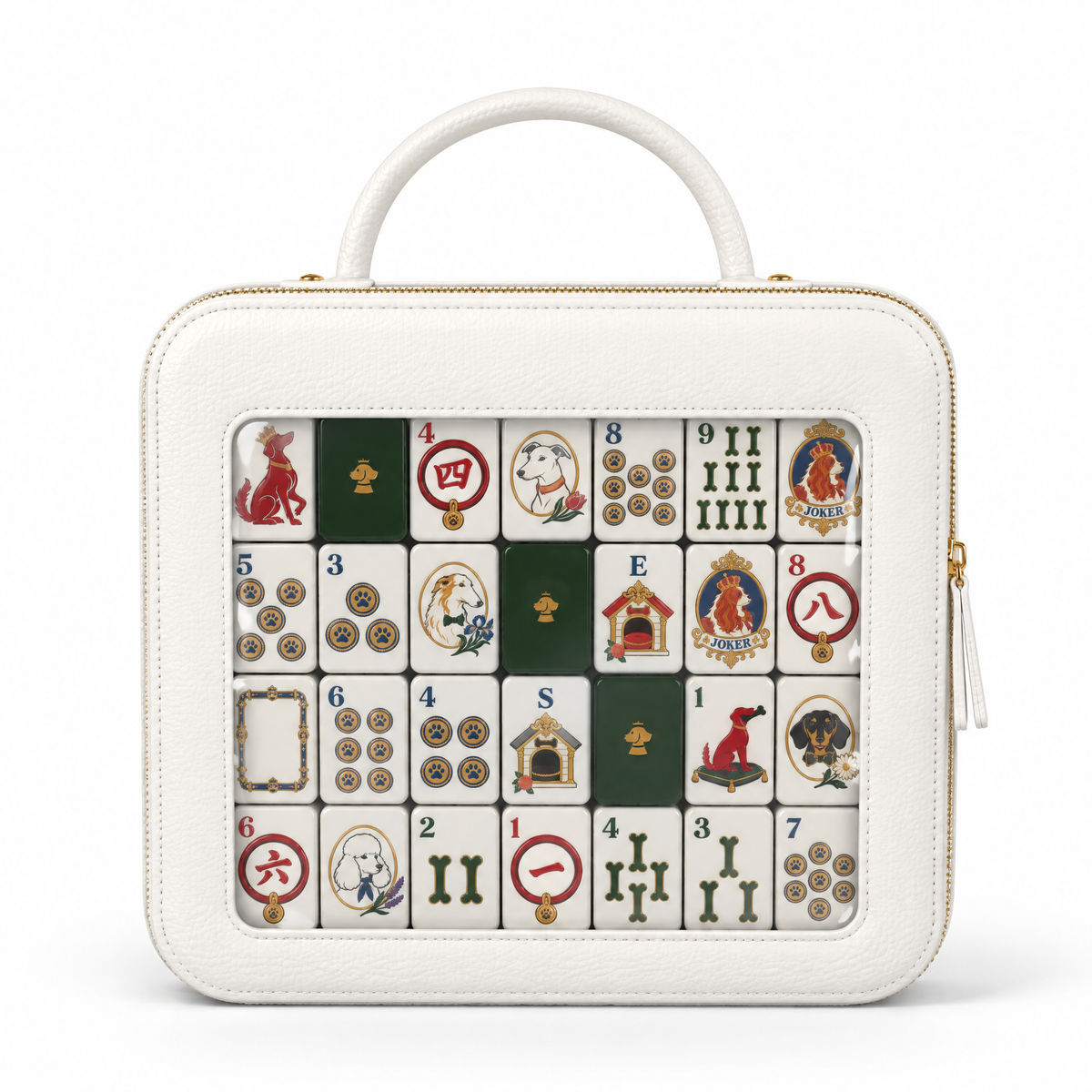
Mahjong evolved gradually from earlier Chinese tile and card games between the 9th and 19th centuries, with most historians crediting its modern form to 19th-century Shanghai. The game spread to Japan, Europe, and North America in the 1920s; American mahjong diverged into a distinct ruleset in the 1930s–40s. Today, regional variants (Chinese, Hong Kong, Riichi, Taiwanese, and American) thrive in parallel, each with its own tile count, hand structure, and scoring. Best-selling American mahjong sets use the standardized 152-tile format plus 8 jokers established decades ago. Whether you're tracing game history or learning to play, understanding that mahjong has survived empires, wars, and cultural shifts explains why weekly games still draw devoted players across generations and continents.
Mahjong's roots reach back over a thousand years to ancient Chinese games between the 9th and 19th centuries, with most historians crediting its modern form to 19th-century Shanghai. The game spread to Japan, Europe, and North America in the 1920s; American mahjong diverged into a distinct ruleset in the 1930s–40s. Today, regional variants (Chinese, Hong Kong, Riichi, Taiwanese, and American) thrive in parallel, each with its own tile count, hand structure, and scoring. Whether you're tracing game history or learning to play, understanding that mahjong has survived empires, wars, and cultural shifts explains why weekly games still draw devoted players across generations and continents.
When did mahjong actually begin?
Mahjong's exact birth is debated, but historians trace it to games played during China's 9th–13th centuries. Early tile games evolved alongside playing cards (introduced around the 10th century) and dominoes. By the 19th century, Shanghai merchants had formalized the rules and tile sets we'd recognize today. No single person "invented" mahjong—it crystallized over centuries from regional folk games, much like chess did in Europe. The modern game emerged in a specific place and time: mid-1800s Shanghai, where trade, wealth, and leisure collided.

How did mahjong reach America?
Chinese laborers and merchants brought mahjong to California in the late 1800s. The game exploded among non-Chinese players in the 1920s, especially among American women in cities with large Asian communities. Retailers and manufacturers capitalized on the craze, publishing English-language rulebooks and selling sets. By 1937, the National Mah Jongg League (NMJL) was founded in New York to standardize American play. That league still publishes the official hand card every spring—the ruleset that defines American mahjong today. The game never faded; it became generational, handed down from grandmothers to grandchildren at kitchen tables across the continent.
What's the difference between American and other variants?
American mahjong uses 152 tiles (four copies each of numbers 1–9 in three suits, plus winds, dragons, flowers, and jokers). Chinese Classical mahjong uses 144 tiles and allows sequences (chows); hands can be any winning pattern, not just those listed on an official card. Hong Kong mahjong resembles Classical but adds unique scoring rules. Riichi (Japanese) introduces a "ready" declaration and strict sequences. Taiwanese mahjong uses all 152 tiles but different hand structures. These aren't "wrong" versions—they're honest descendants of a flexible game. American mahjong's strict hand card kept it stable and teachable, which is why it survives as a living, competitive game rather than a historical curiosity.

Why has mahjong lasted so long?
Four reasons: first, it's genuinely fun—strategy, luck, and social interaction blend perfectly. Second, it's portable and affordable; any group can play with a single set. Third, it became embedded in specific communities (Chinese diaspora, Jewish American communities, suburban card clubs) where it became tradition. Fourth, mahjong adapts; when American players need new tiles or mats for weekly games, manufacturers innovate without breaking rules. The game survived the Cultural Revolution in China, decades of post-war isolation in Japan, and American cultural shifts that killed fad games. It thrived because it genuinely belonged to the people who played it.
What should you know before starting?
If you're drawn to mahjong's history and want to play, you'll need to choose your variant first—American, Chinese, or another. American mahjong is the easiest entry for English-speaking players; rulebooks are clear, the NMJL hand card is legally available, and weekly clubs exist nationwide. You'll need a set of 152 playing tiles plus 8 jokers, a mat for tile layout, a rack to hold your tiles, and the current year's NMJL card. Avoid old or incomplete sets—missing even one tile breaks the game. A new best-selling American mahjong set comes with all 152 tiles standardized, so you'll play with the same tiles players in Shanghai, Toronto, or Sydney are using. That continuity—tiles unchanged in count and design for decades—is part of mahjong's staying power.
Why Mahjong Lasted Through History | What This Means for You |
Embedded in diaspora communities (Chinese, Jewish American) | Find weekly games locally via community centers, libraries, synagogues |
Rules standardized by NMJL (founded 1937) | Same ruleset, same hand card across all American games |
Low cost, portable, no electricity needed | Play anytime, anywhere; one 160-tile set serves four players forever |
Social, not competitive-only | Suited to casual weekly games and tournament play |
Variants coexist without one "winning" version | You can explore Chinese mahjong later without invalidating American skills |
🀄 Shop best-selling mahjong sets →
What to check before you buy a set
Buying a mahjong set used to mean risking incomplete sets or cheap tiles that crack. Today, new 160-tile acrylic sets arrive complete and sorted. Check: (1) Does the set include all 152 playing tiles plus 8 jokers? (2) Are tiles acrylic or plastic (acrylic lasts decades; cheap plastic degrades). (3) Do you get a mat and rack? Many sets don't; you'll buy these separately unless bundled. (4) Is the hand card included? No—you buy the current year's NMJL card separately from retailers or the league directly. (5) Will you need a travel bag if you host weekly games? A mahjong bag or case protects tiles during transport and keeps them sorted. Avoid "vintage" incomplete sets unless you enjoy scavenging replacement tiles. A new set, mat, rack, and bag costs less than a single dinner out and lasts a lifetime.
🎁 See our most-loved mahjong sets & accessories →
Mahjong has survived nearly 1,200 years because it solves a human need: the urge to gather, think, and play for stakes that matter. That's why a Shanghai banker in 1890, a San Francisco housewife in 1925, and a Dallas player in 2026 recognize something true in the tiles. If you're curious about mahjong's history, the fastest route to understanding it is playing. Get a complete, modern set and join a weekly game. You'll learn more about the game's longevity in your first four hours of play than in any history book.
✨ Find your Mahstead set — free US shipping →

FAQ
Is mahjong older than chess?
Mahjong's roots (9th–19th century) overlap with chess's evolution in Persia and medieval Europe. No clear winner, but both are over 1,000 years old and still widely played.
Did mahjong originate as a gambling game?
Yes. Chinese tile games from the 10th century onward were played for money. American mahjong retains betting (usually friendly stakes in weekly games), though many casual groups play "for fun."
Why did American mahjong become so different from Chinese?
American players in the 1930s–40s wanted clear, standardized rules for social play. The NMJL locked in a hand card and removed sequences, making the game more predictable and teachable than fluid Chinese variants.
Can I learn American mahjong if I've played Chinese mahjong?
Yes, but expect confusion at first. Tile names are the same, but hand structure, sequences (forbidden in American play), and scoring differ completely. Many players know both and switch between them.
How do I find a weekly mahjong game in my area?
Search community centers, libraries, synagogues, and country clubs in your city for "mahjong" or "mah jongg." Meetup boards and Facebook groups often list open games. Ask if they play American or another variant first.
Why is the NMJL hand card issued every spring?
The NMJL updates the legal hand patterns yearly to keep the game fresh and prevent memorization. All American players use the same card so games are fair and comparable across clubs and tournaments.


View More
View More
View More
