
Chinese Mahjong Etiquette: Rules & Table Manners
Last updated: Nov 23, 2026
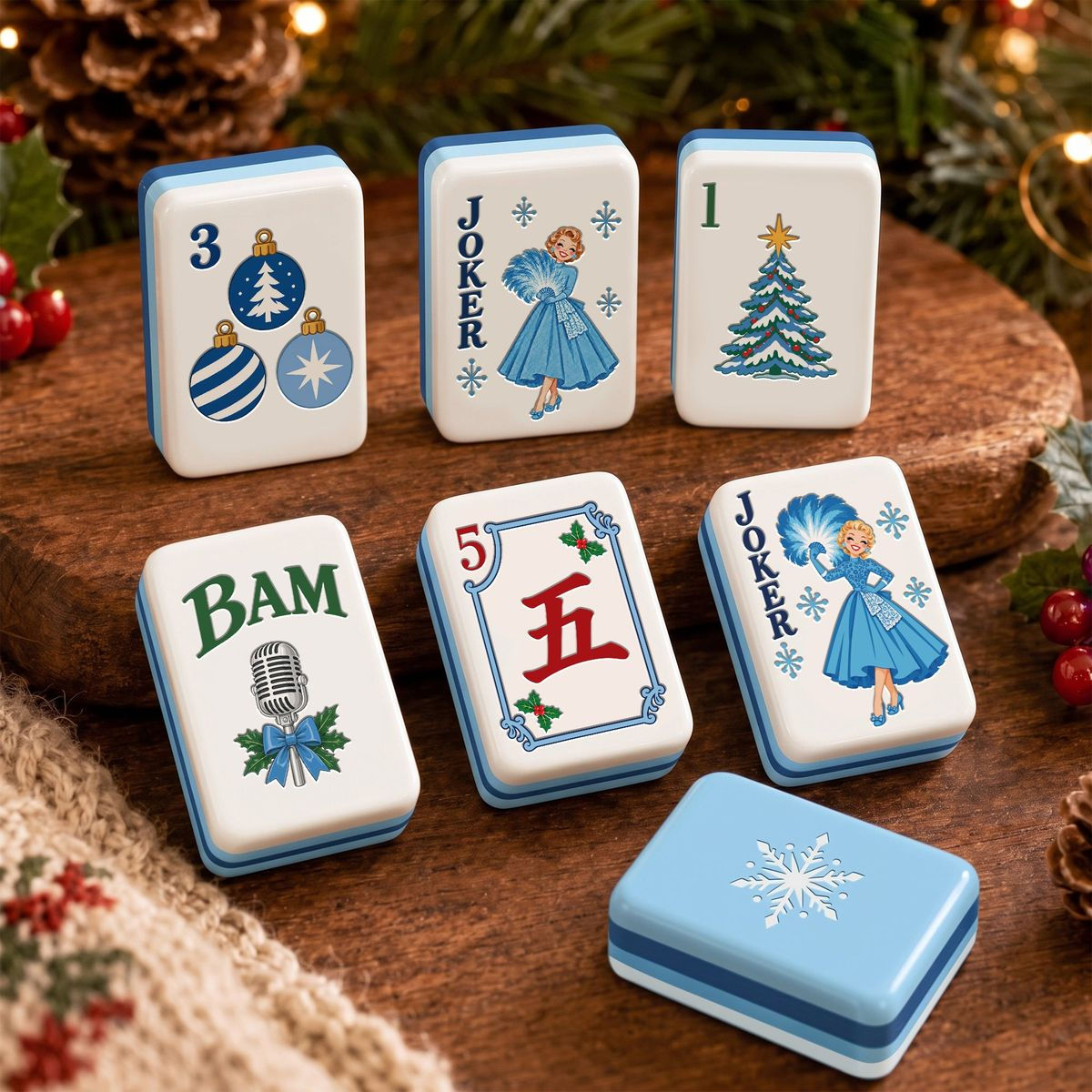
Chinese mahjong etiquette is a set of unwritten and written rules governing player conduct, tile handling, discards, and respect at the table. Core practices include drawing tiles quietly and deliberately, exposing melds cleanly, announcing your win clearly, and never touching discards or other players' walls. The game typically lasts 4–8 rounds per session. Etiquette differs sharply from American mahjong: Chinese mahjong penalizes slow play, loud discards, and "dead" hands (those that cannot win); players must keep their melds organized and declare their tile count aloud. Common mistakes include hesitating too long before discarding (considered rude), handling tiles carelessly, and failing to announce "ready hand" (ting) status. Respect for opponents and the game's pace is non-negotiable—violations can result in point penalties or removal from the table. When hosting or joining a game, arrive on time, know your local variant's scoring system, and remember: etiquette is respect made visible.
How do you handle tiles with proper respect?
In Chinese mahjong, tiles are your voice. Draw from your wall slowly and deliberately, never snatching or fumbling. Keep your hand hidden at waist level, never exposing tiles to opponents. When you pick up a tile, integrate it smoothly into your hand; don't wave it around. Discard tiles by placing them face-up in the center—never flick or throw them. Touch the discard pile only when you're ready to claim a tile; claiming carelessly signals poor focus and invites suspicion of intentional play-slowing.
Many players treat tile handling as a meditation. This pace—deliberate and quiet—shows respect for the game and your opponents' concentration. Rapid-fire draws or sloppy placement suggest you're not engaged or are trying to rush others into mistakes. If you're learning, ask for feedback on your handling; experienced players will correct you kindly if your technique disrupts the flow.

What does "ready hand" (ting) mean and why announce it?
"Ready hand" (ting in Cantonese/Mandarin variants) means you need only one tile to win—you're waiting for a specific draw or discard. Announcing ting is mandatory in most Chinese mahjong variants; failing to declare it or falsely announcing it is considered cheating. Once you declare ting, your hand is locked: you cannot change your melds, and certain aggressive plays become forbidden (you cannot alter your waiting pattern).
The announcement serves two purposes: it protects fair play and speeds up the endgame. Opponents know you're one tile away and can play defensively. If you win after announcing ting incorrectly, the hand is typically void. Always announce ting clearly and loudly—it's not optional. If you're uncertain whether your hand qualifies (in some variants, ting has strict definitions), ask the table before declaring.
How do you expose melds without breaking etiquette?
Exposing melds (pung, kong, quint, or sequence) must be done cleanly and immediately when claimed. If another player discards and you want to meld it, announce the type ("pung," "kong," "quint," "chow"), show the three or more tiles together, and place them face-up on your rack or area of the table. Do this swiftly—hesitation looks uncertain and wastes table time.
In Chinese mahjong, unlike American mahjong where jokers are flexible, sequences (chows) are rigid: 1-2-3, 2-3-4, etc., always same suit. Exposing a sequence requires showing all three tiles in order. Never expose a hand-only pung or sequence (in some variants, concealed melds score higher, so the choice to expose is strategic). Once exposed, a meld is locked; you cannot alter it. Keep exposed melds clearly visible and organized on your rack so the table can audit your hand easily at any time.
What are the penalties for slow play and dead hands?
Slow play—prolonged hesitation before discarding—is considered rude and may incur penalties. Most tables enforce a time limit (typically 10–30 seconds per turn). If you exceed it repeatedly, other players can call "time" and demand you discard immediately; some venues deduct points. A "dead hand" (a hand that mathematically cannot win with any future tiles) is penalized heavily: the player either pays all opponents a fixed amount or sits out that hand.
Declaring a hand dead is serious; false accusations can backfire (some variants penalize the accuser). Before accusing, confirm your table's variant rules and scoring system. In Hong Kong mahjong, dead hands are rare because scoring is more flexible; in Cantonese mahjong, they're stricter. If you're unsure, ask the table elder or refer player before the hand begins. Respect the pace—play decisively—and avoid creating dead hands by thinking before your turn begins.

How do winning announcements and hand verification work?
When you win (draw or claim the final tile), announce it loudly and clearly: "Win" or "Hu" (depending on your variant). Immediately expose your complete hand face-up on the table so all players can verify it. Never leave a hand hidden or half-exposed—this invites disputes and looks suspicious.
Other players have the right to audit your hand to confirm it follows the rules (valid melds, correct scoring, no duplicate tiles, etc.). If an error is found—a forbidden meld, a duplicate, an invalid hand—the win is void and penalties apply. This audit is collaborative, not confrontational; experienced players help identify errors without shaming. If you're unsure your hand is valid, ask to verify before announcing the win.
Etiquette Rule | Why It Matters | Penalty if Broken |
Draw and discard slowly | Signals respect; prevents play-rushing | Time penalty or point deduction |
Announce ting (ready hand) clearly | Protects fair play; speeds endgame | Hand void if false; loss of points |
Expose melds immediately and cleanly | Allows table to audit; ensures transparency | Hand contested or void |
Play within time limit | Maintains game pace; respects opponents | Point deduction or mandatory discard |
Never touch other players' melds or discards | Prevents cheating; keeps game organized | Warning, point penalty, or removal |
Verify hand before announcing win | Prevents disputes; ensures hand validity | Win void; all players penalized |
Keep hand hidden; never show tiles mid-round | Prevents collusion; maintains mystery | Warning or hand forfeiture |
How does Chinese mahjong etiquette differ from American mahjong?
American mahjong, based on a standardized annual card and joker-heavy melds, has looser behavioral rules. Players may hold hidden hands longer, and the game emphasizes calling exposed melds (pungs, kongs) from the hand without shame. Speed is less critical; the Charleston ritual before play allows time for strategy.
Chinese mahjong, by contrast, prizes silence, deliberation, and fast, clean play. There is no Charleston. Sequences (chows) are core melds and appear in the hand constantly. Announcing ting is mandatory; slow play is penalized; dead hands are heavily punished. The game is shorter and tighter—four rounds, not eight. If you're switching from American to Chinese mahjong, expect a steeper learning curve on etiquette than on hand combinations. Ask experienced players at your table to guide your technique, and watch before you play your first hand.
🀄 Shop best-selling mahjong sets →
What to check before you play a Chinese mahjong game
Confirm the variant. Hong Kong, Cantonese, Sichuan, and Shanghai mahjong have different scoring and etiquette nuances. Ask the host or dealer which rules apply.
Learn the local scoring system. Points, doubles, and hand values vary widely. Review a quick reference card or ask for a demo hand.
Know your table's time limit. Most casual games allow 15–30 seconds per turn; tournament play is stricter.
Arrive 10 minutes early. Use this time to observe other players' handling, meld exposure, and winning protocol.
Ask questions before the first hand. No question is dumb; uncertainty causes arguments and slows play.
Watch for "ting" calls. Listen carefully to how other players announce it and mimic their clarity and volume.
Keep tiles organized in your rack. Messy hands look careless and invite suspicion; organized hands build trust.
Never pick up discards out of turn. This is a cardinal sin and can result in removal from the table.
🎁 See our most-loved mahjong sets & accessories →
Why hosting with quality equipment matters
When you host a Chinese mahjong game, the environment shapes etiquette. A good mahjong mat with clear zones for melds, discards, and walls prevents fumbling and confusion. Racks with pushers keep tiles organized and hidden at the correct angle—this alone prevents many etiquette lapses because players handle tiles less and the table stays cleaner.
Equally, a travel bag or case shows you respect the game enough to transport tiles safely and arrive prepared. When your equipment is clean and organized, your table is calm, focused, and etiquette-conscious. Opponents see that you take the game seriously, which elevates everyone's play.
✨ Find your Mahstead set — free US shipping →

FAQ
Is announcing ting mandatory in all Chinese mahjong variants?
Yes, in most standard variants (Hong Kong, Cantonese, Shanghai). Some rare house rules allow optional ting, but this is unusual. Always confirm with your table before play begins. Failing to announce is treated as cheating.
What happens if I draw a tile but haven't discarded yet?
You've already committed that tile to your hand. You cannot put it back or exchange it. Discarding another tile in its place is your only option. Never "undo" a draw—this is considered bad faith.
Can I refuse to expose a meld I've claimed?
No. Once you've claimed a discard or drawn a tile to complete a meld, you must expose it immediately. Hiding melds is cheating and results in disqualification.
How long should I take to discard after drawing?
Most casual games allow 10–30 seconds. Tournament play is 5–10 seconds. If you hesitate longer than the table norm, other players may call "time" and demand an immediate discard. Think ahead so your turn is smooth.
What's the difference between a dead hand and a losing hand?
A losing hand is valid but didn't win—you pay opponents points. A dead hand is mathematically impossible to win; no future tile can complete it. Dead hands incur a fixed penalty to all opponents, often double a normal loss. Not all variants penalize dead hands equally.
If someone wins with an invalid hand, do I have to pay them?
No. If the hand is audited and found invalid, the win is void. Depending on the house rules, the player may pay a penalty instead. Always verify a winning hand before paying.
Can I watch without playing if I'm new?
Yes. Watching one or two complete rounds (4 hands) is an excellent way to learn etiquette without pressure. Most tables welcome observers; ask the host first.


View More
View More
View More
