
Mahjong Tournaments in Charlotte: Where & How to Join
Last updated: Nov 23, 2026
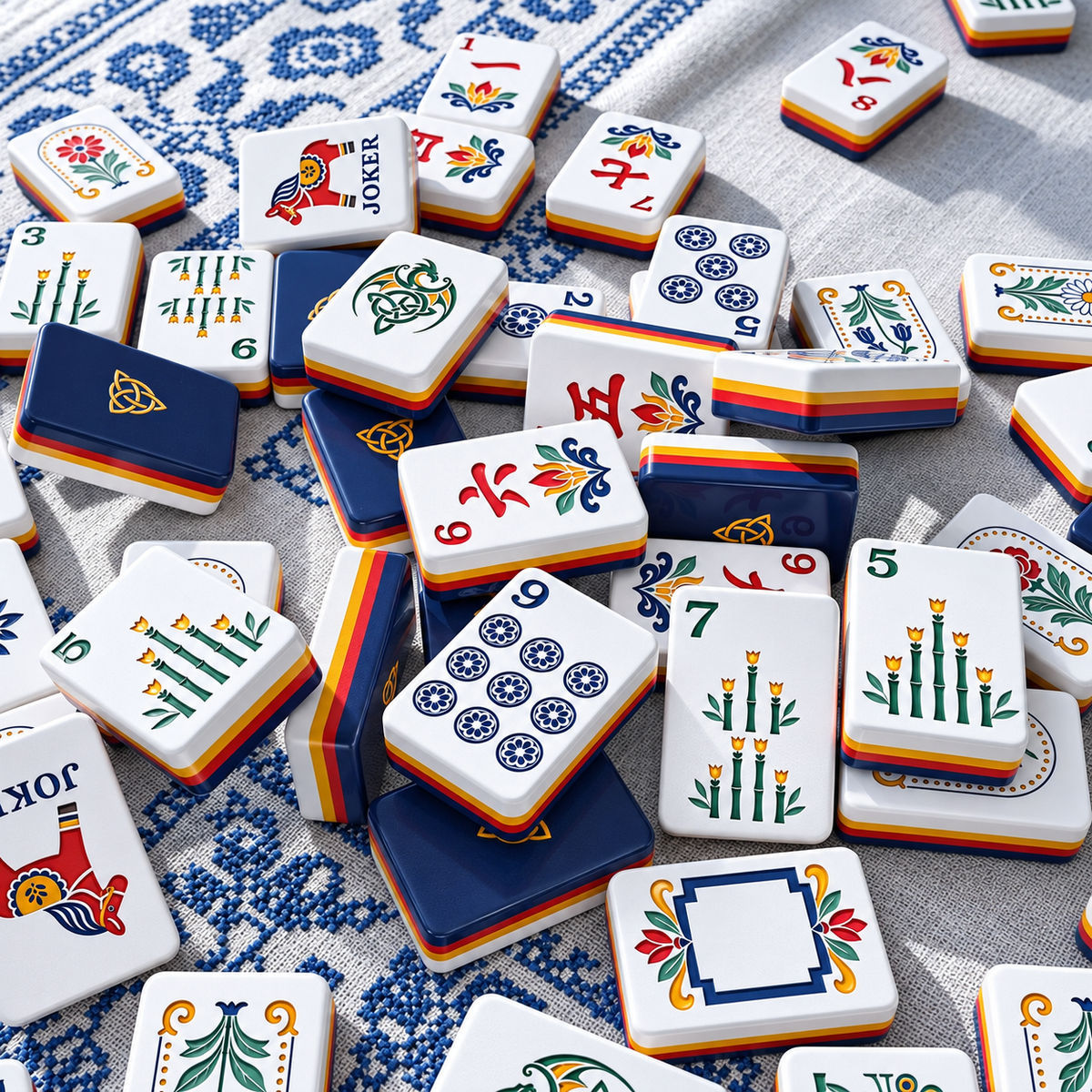
Charlotte's mahjong tournament landscape has grown steadily as the game gains popularity across North Carolina. Whether you're a newer player eyeing your first tournament or a regular wanting to compete beyond your weekly game, understanding the local scene and how to prepare makes the difference between a nervous debut and a confident outing.
Where do Charlotte-area mahjong tournaments happen?
Most American mahjong tournaments in Charlotte run through parks and recreation departments, library systems, and membership-based social clubs. Check your city's recreation center website for "mahjong tournament" or "mahjong league"—many post schedules quarterly. Public libraries often host or post flyers for local club meetings; start with the reference or community programs desk. Country clubs, senior centers, and Jewish community centers frequently organize tournaments; call their main line or visit their events page. Facebook groups dedicated to Charlotte events or North Carolina mahjong often announce tournaments weeks in advance. Meetup.com occasionally lists mahjong meetups and tournaments. Ask at any mahjong supply store in your area—staff often know the tournament calendar.

What format and rules should you expect?
Charlotte tournaments follow American mahjong rules: hands come exclusively from the current National Mah Jongg League card (published each spring), and play requires exactly 152 tiles with the standard Charleston passing ritual before each game. Tournaments typically run Swiss-style (multiple rounds with rotating opponents) or round-robin (fixed table groups), lasting 2–4 hours. Each round is usually one or two games; winners are ranked by total score across all rounds. Some tournaments allow jokers only in exposed pungs, kongs, or quints—never in pairs or singles—so clarify joker rules in advance. Scoring follows League card multipliers: hands range from 20 points to 60+ depending on the pattern. Most venues enforce a "no phones at the table" rule and expect players to move tiles deliberately and call exposures clearly. Beginner and intermediate divisions exist at larger tournaments; ask the organizer if you're unsure which level suits you.
🀄 Shop best-selling mahjong sets →
What do you need to bring or own?
You'll need a complete American mahjong set with all 152 tiles plus jokers—never bring a partial or homemade set to a tournament. Many players carry their own engraved sets in a dedicated case for comfort and familiarity; tournaments sometimes allow shared community sets, but asking in advance avoids disappointment. Bring the current year's National Mah Jongg League card (available in print or digital form). A pen and paper to track scores is useful, though many tournaments use scoresheets provided on-site. Wear comfortable clothes—tournaments run multiple rounds, and you'll be sitting for hours. Some venues provide racks with pushers and mats; others expect players to supply them or use the table edge. A padded travel bag keeps your set safe during the drive and between rounds; many tournaments draw players from across the metro area.
Equipment Type | Needed for Tournament? | Why It Matters |
Complete 152-tile set | Yes, always | League rules; no substitutions |
Current League card | Yes, always | Hands change yearly; old cards invalid |
Racks with pushers | Maybe | Comfort; venues sometimes provide |
Mat | Maybe | Tile grip & table protection; provided at some venues |
Case or bag | Maybe | Safe transport; protects your set |
Pen & paper | Maybe | Scorekeeping; often provided |
How do tournament scoring and rankings work?
American mahjong scoring begins with a base hand value (20, 30, 40, 50, or 60 points depending on the League card pattern) and multiplies by the winning player's seat wind. East typically wins 2× base; South, West, and North win 1× each (or other seat-wind multipliers apply). Payment flows directly from the three losing players to the winner. Tournament organizers tally total scores across all rounds; ties are broken by head-to-head records or playoff rounds. Some tournaments rank players into divisions after the first round, so early games influence your final opponent level. Scoring sheets are posted or emailed after final rounds; ask for your detailed score breakdown if unclear. Understanding seat-wind scoring before you arrive eliminates confusion mid-game and keeps play flowing.

How should you prepare if you're new to tournament play?
Start with weekly recreational games at a local club or friend group, not a tournament, to build fluency with the League card and basic strategy. Practice reading the card quickly—tournament play moves faster than casual games, and a slow player frustrates table mates. Play at least 8–10 games before entering a tournament; comfort with the Charleston, calling exposures, and tracking discards comes only from repetition. Study how jokers work and how to read the card so you can spot your hand types instantly. Arrive 15 minutes early to the tournament to check in, meet your first table, and settle your nerves. Bring water and a light snack; tournament venues sometimes have limited food options. Introduce yourself—most players are welcoming to beginners and understand the first-tournament jitters.
🎁 See our most-loved mahjong sets & accessories →
Common mistakes first-time tournament players make
New players often show up with an outdated League card, forgetting that the card changes every spring and old hands are invalid—always buy or download the current year's card before the tournament. Others don't allow enough time to read the card and call hands slowly, disrupting pace. Some players miscalculate seat-wind scoring or forget that jokers cannot be used in pairs or single tiles—review American mahjong scoring before you arrive. A handful bring sets with mismatched or worn tiles, which can trigger disputes; use a complete, clear set in good condition. Finally, players sometimes don't verify the tournament's joker rule in advance (some restrict joker use differently than others); one quick call to the organizer saves time. Rushing through the Charleston passing ritual or losing focus during discards costs hands and points—slow, deliberate play is expected.
✨ Find your Mahstead set — free US shipping →
What to check before you register
Call or email the tournament organizer at least one week ahead to confirm the date, start time, venue address, registration fee (if applicable), and which League card year is in use. Ask whether you may bring your own set or if the venue supplies community sets, and clarify joker rules. Check whether the tournament is beginner-friendly or if you need prior tournament experience. Confirm the venue's parking, restroom, and accessibility details. Find out if the tournament provides racks and mats or if you should bring them. Ask how many rounds to expect and the estimated finish time. Bring cash if there's a registration fee; some venues accept cards, but don't assume. Arrive with your set fully inspected—missing or chipped tiles discovered at the table cause unnecessary delays.

FAQ
Can I join a Charlotte mahjong tournament if I've only played casually?
Yes, but start with a beginner division or a casual club tournament first. Most venues welcome newer players and often have a beginner tier specifically for players with under one year of competitive experience.
Do I have to own my own mahjong set to enter a tournament?
Not always. Some venues provide community sets; others require your own. Bring your personal set if you have one—it's faster and more comfortable—but confirm with the organizer whether shared sets are available.
What is the National Mah Jongg League card and why does it matter?
It's the official list of valid hands for American mahjong, published each spring. All League-sanctioned tournaments use only the current year's card; hands from prior years are invalid, so an outdated card disqualifies you.
How much does it typically cost to enter a mahjong tournament?
Entry fees and prize structures vary by organizer and venue. Contact your local tournament hosts for current fees and prize details; many community recreation tournaments offer low or free entry to residents.
How long does a typical mahjong tournament last?
Most run 2–4 hours depending on the number of rounds and how fast your table plays. Ask the organizer for an estimated finish time so you can plan your day.
What's the Charleston, and do I need to know it before the tournament?
It's the tile-passing ritual at the start of each game—players pass three tiles to the right, then three to the center, then three to the left. Practice it in casual games beforehand; the Charleston explained covers it in detail. --- What you'll need: If you're tournament-ready and looking to build or refresh your setup, browse our best-selling mahjong sets—many players prefer an engraved personal set for durability and identity. Pair it with a padded travel bag to keep your tiles safe during the drive, and consider racks with pushers if your tournament venue doesn't provide them. All our sets are 160-tile American-standard with free shipping across the US.


View More
View More
View More
