
Mahjong Classes for Beginners in Charleston: Where to Start
Last updated: Nov 23, 2026
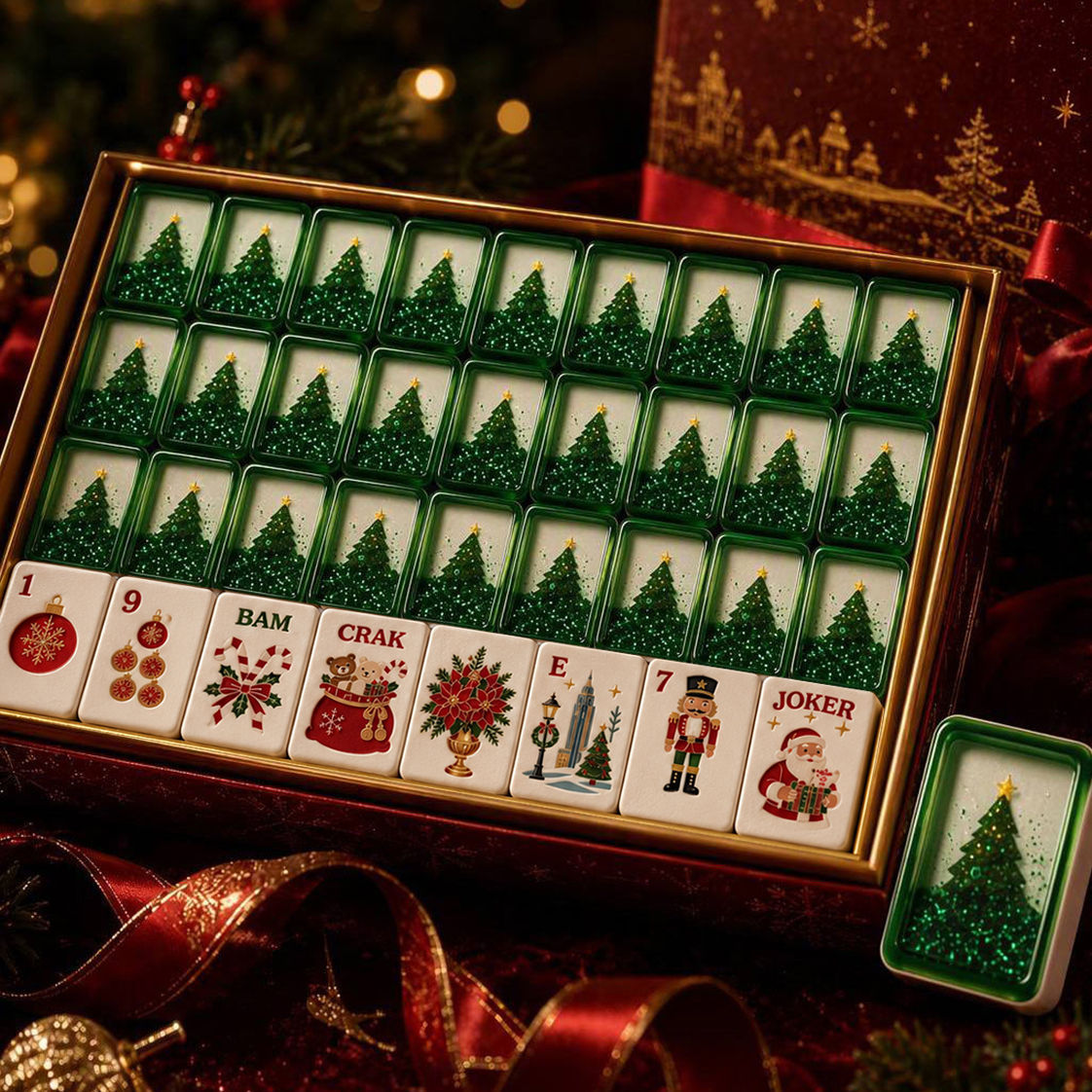
Charleston beginners can find mahjong instruction through community centers (check the Parks & Recreation department's seasonal offerings), public libraries (which often host game clubs), synagogues and faith communities with active sisterhood groups, and informal meetup boards online. Classes typically run 4–8 weeks, one or two evenings per week, and cost vary by venue. Most beginner programs teach American mahjong, use a standard 152-tile set with eight jokers, and cover the Charleston tile-passing ritual, hand recognition from the current year's National Mah Jongg League card, basic scoring, and etiquette. Avoid drop-in games at restaurants or casinos if you're a complete beginner; structured classes let you ask questions and learn at your pace. Once you've grasped the fundamentals—recognizing pungs (three identical tiles), calling melds, and reading the card—you're ready to host games at home using quality tiles, a mat to protect your table, and tile racks for cleaner play.
Where do Charleston beginners actually find mahjong classes?
Your best bet is phoning the Charleston Parks & Recreation department to ask about seasonal mahjong classes or game clubs; they typically list 6–12 week sessions starting in fall and winter. Public libraries in the greater Charleston area often host or advertise mahjong circles—call ahead to ask if they host Tuesday or Thursday evening games open to learners. Religious organizations, especially synagogues and Jewish community centers, regularly run beginner and intermediate mahjong programs; if you're in that network, ask your clergy or check bulletin boards. Meetup.com and Facebook groups dedicated to Charleston gaming communities sometimes advertise beginner-friendly games, but vet the host carefully—confirm the group welcomes newcomers and doesn't jump straight into complex scoring or speed play. For the most structured, judgment-free learning, paid classes at community centers beat casual meetups, because instructors can pause, repeat rules, and let you make mistakes safely.

What will a beginner class actually teach you in the first four weeks?
Week one focuses on tile recognition and the Charleston: students learn the three suits (Bams, Craks, Dots), winds, dragons, flowers, and jokers; then they perform the tile-passing ritual that begins every game. Week two covers hand structure and reading the current year's National Mah Jongg League card—students practice finding simple patterns (like a run of consecutive numbers or three identical tiles). Week three introduces calling and exposing melds (pungs of three, kongs of four, quints of five, sextets of six) and the rule that jokers cannot appear in a single tile or a pair. Week four usually includes one full practice game with a real scorekeeper and gentle rule correction. Instructors typically do not teach you to speed-play or memorize all 88 hand patterns; that comes later, after you've internalized the core rhythm: pass tiles, draw, study the card, call or draw, discard, repeat. Most beginner classes assume you've never played any tile game and move slowly enough that you can take notes and ask "Wait, can I use a joker there?" without feeling rushed.
What's the difference between American and Chinese mahjong—and why does it matter for Charleston classes?
American mahjong uses 152 tiles (three suits × numbers 1–9 × four copies each, plus winds, dragons, flowers, and jokers) and hands come only from the official National Mah Jongg League card issued each spring. You cannot call a chow (a sequence like 1–2–3 Dots)—you can only call and expose pungs, kongs, quints, and sextets. Jokers are wild but cannot be used in a single tile or a pair, and they can be plucked from other players' exposed melds under strict conditions. Chinese mahjong uses 144 tiles, allows chows and concealed melds, and has fewer jokers; hand patterns are not locked to an annual card. Hong Kong and Riichi (Japanese) variants differ further in tile counts, meld rules, and scoring. Charleston classes teach American mahjong almost exclusively, because it's the standard in the South and nationwide for social home play. If a class or local group describes itself as teaching "Chinese" or "Hong Kong" mahjong, ask directly—the rules are fundamentally different, and learning both at once confuses beginners. For how to play American mahjong, the league card system is core; knowing this up front saves you from joining a group that plays by a different ruleset.
What equipment do you need to start hosting games at home after a class?
You'll need a standard 152-tile mahjong set with eight jokers (acrylic, bamboo, or bone sets are all fine). Next, a protective mahjong mat keeps your table safe and gives everyone a clear, organized play surface. Tile racks with pushers help players organize their hand without dropping tiles or accidentally exposing what you're holding. A bag or case protects tiles during storage and transport. Optional but useful: a set of dice to determine who goes first, and printed copies of the current year's league card (free online) for each player. Many beginners buy a single set and mat, host weekly games, then realize they want engraved or themed sets for gifts or personality. A common mistake is buying a 144-tile set (common in Asian import stores) expecting it to work for American mahjong—it won't, because American uses 152 tiles. Always check the tile count and joker number before purchase.

How much does a beginner mahjong setup cost, and where do you find the best value?
A functional beginner setup ranges widely based on material and design. A basic acrylic set starts low and lasts years; bone or bamboo sets cost more upfront but feel more luxurious and develop patina over time. Mats vary by size (standard is roughly 30–36 inches) and can be simple nylon or brocade with a sturdy backing. Racks come as individual sets (four racks per player) or bundled with pushers. Rather than list specific prices (which change seasonally), visit product pages to see current pricing. A honest rule of thumb from our table: one durable set and one mat can serve four players for years if cared for. Buying the cheapest possible set often means warped tiles, missing jokers, or cracked racks within a year—false economy. Mid-range sets from makers who specialize in American mahjong last longer and play smoother than novelty or impulse-buy options. Once you've completed your beginner class and hosted 4–6 games, you'll have a clear sense of whether you want to invest in a prettier set for pride or gifting, or stick with your workhorse starter.
Equipment | Why it matters for beginners | What to check |
152-tile set with 8 jokers | American mahjong requires exactly this tile count; 144-tile sets don't work | Count before purchase; verify joker count |
Protective mat | Protects table; organizes four play zones; prevents tile scatter | Size fits your table; backing is non-slip |
Tile racks (set of 4) | Hides your hand; prevents tile drop and accidental exposure | Racks fit your hand size; pushers move smoothly |
Bag or case | Protects tiles during storage and travel; prevents loss | Fits all 152 tiles; zips or closes securely |
Dice (optional) | Determines seating and who draws first | Included or purchased separately |
🀄 Shop best-selling mahjong sets →
Common beginner mistakes—and how to avoid them before your first game
Mistake 1: Assuming your class will cover the entire mahjong card. Most beginner classes teach you to read the card and recognize 10–15 common hand patterns; they don't expect you to memorize all 88. Bring a printed card to every early game; looking things up is normal and shows respect for accuracy. Mistake 2: Buying tiles without checking the joker count. A 152-tile set must include exactly eight jokers, no more, no fewer. Some discount sets are missing jokers or include extras (blanks) that sit unused. Mistake 3: Playing with worn-out, cracked, or mismatched tiles. If a tile doesn't sit flat, if you can't read the symbol, or if two tiles feel different, the game falls apart. Ask your instructor or a veteran player to inspect your set before your first home game. Mistake 4: Rushing through the Charleston. The three-pass ritual that opens every game is not optional decoration—it ensures fairness and randomness. If you skip it or hurry, seasoned players will notice and may not come back. Mistake 5: Not securing your tiles or exposing your hand by accident. Tile racks and pushers prevent this; playing without them leads to spilled hands and disputes over what was drawn or discarded.
🎁 See our most-loved mahjong sets & accessories →
What to check before you buy your first set
Verify tile count: 152 tiles plus eight jokers (not 144, not 160; a 160-tile set includes spares but plays with 152).
Test for cracks or warping: Look at each tile edge; place tiles on a flat surface and check for rocking.
Confirm jokers are present: Count them separately; many incomplete sets are missing one or two.
Check rack quality: Push a test tile through a rack pusher; if it sticks or the pusher breaks, the set won't last.
Read the seller's return policy: If a tile arrives cracked or a joker is missing, you need a clear remedy.
Ask whether you need to buy racks separately: Some sets bundle them; others don't. Clarify before checkout.
Confirm free US shipping: We ship free across the US; some retailers charge shipping or require a minimum order.
From the mahjong for beginners guide, most new players benefit from starting with a solid mid-range acrylic set and a mat, then upgrading after they've played 10+ games and know their taste. Avoid "ultra-luxury" sets on your first buy; you might scratch them during early learning. Once you're comfortable with the rules and rhythm, exploring our best-selling collection will show you options for your next investment—whether a gift set, a travel case, or a second set in a different color for variety.
✨ Find your Mahstead set — free US shipping →

FAQ
Can I learn mahjong online before taking an in-person class in Charleston?
Yes. Free and paid video tutorials cover tile recognition, the Charleston, and basic card reading. Online learning gives you confidence walking into a class, but video cannot replicate the rhythm of live play or answering questions in real time. Many beginners combine 2–3 weeks of online study with a 6-week in-person class for the best results.
Do I need to buy my own tiles before the first class, or does the instructor supply them?
Most beginner classes provide tiles for in-class play. However, buying your own set before class (or immediately after) lets you practice the Charleston and hand-building at home, which accelerates learning. Check with the instructor or venue before your first session.
What if I find a casual game in Charleston but I'm worried I'm not ready?
Be honest: say, "I just finished beginner class—I know the rules but I'm slow. Is that okay?" Experienced players respect humility and usually welcome learners if the game is truly casual (not wagering high stakes or speed-play). Avoid poker-style games at bars or restaurants until you've played at least 10 home games with patient people.
Is American mahjong harder to learn than Chinese mahjong?
They are equally complex but different. American mahjong requires reading an annual card and following strict meld rules (no chows); Chinese mahjong is more improvisational. Most Westerners find American easier to start because the card does the thinking—you match patterns rather than calculate hands from scratch.
After I finish a beginner class, how do I find an ongoing group to play with weekly?
Ask your instructor for player contact info or a local game list. Check community center bulletin boards for posted game times. Join online groups (Meetup, Facebook) and attend one game first to feel out the pace and stakes. Many Charleston players host home games on Wednesday or Thursday evenings; once you're known as reliable and friendly, you'll get invited.
Do I need a mahjong mat if I'm playing at a kitchen table?
No, but a mat protects your table, organizes four play zones clearly, and stops tiles from sliding. If you plan to play weekly, a mat prevents damage and reduces tile scatter. For occasional casual play, a mat is optional.


View More
View More
View More
