
Mahjong Tournaments in Charleston: How to Find & Join One
Last updated: Nov 23, 2026
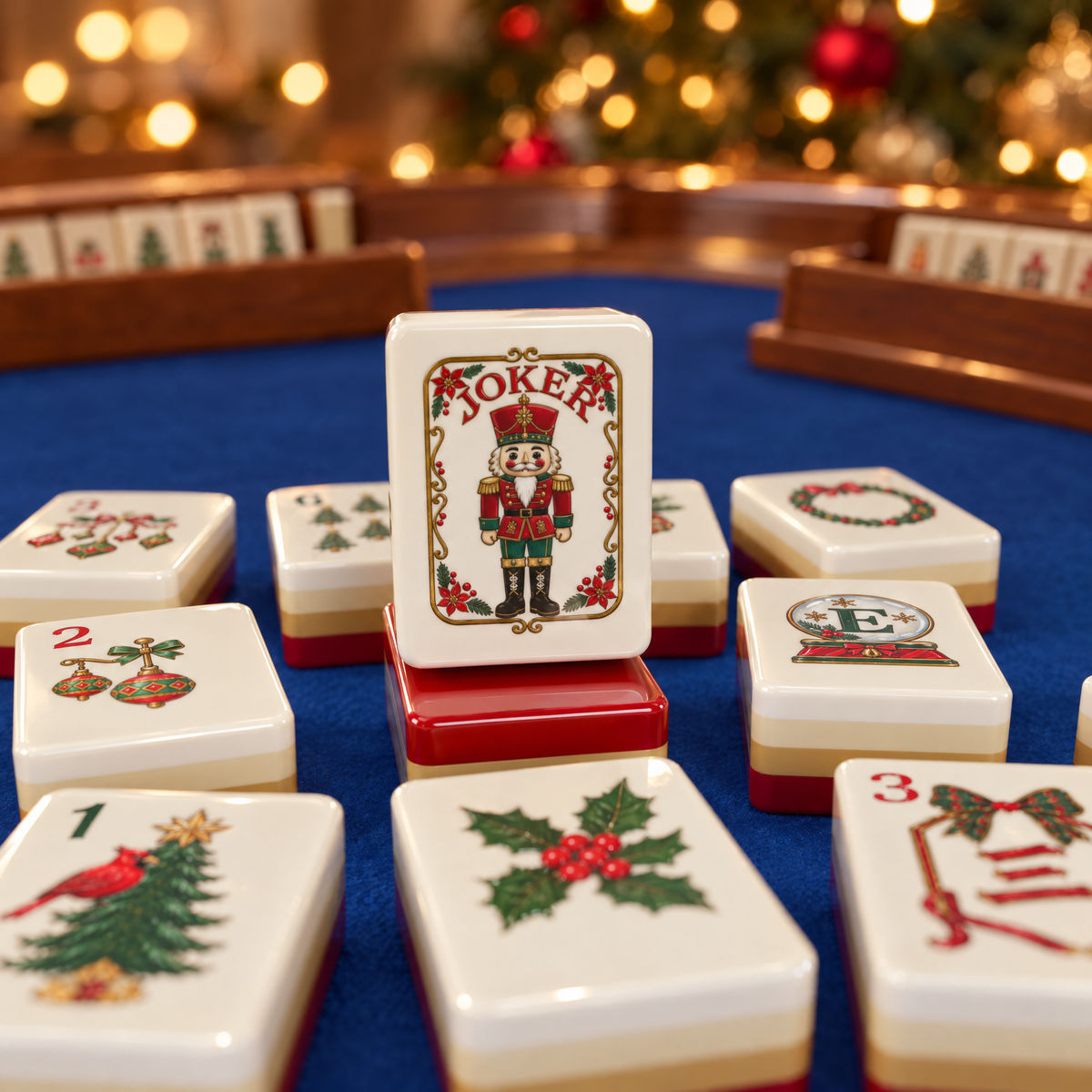
Charleston hosts mahjong tournaments through community centers, synagogues, libraries, country clubs, and informal player networks—most run American mahjong under National Mah Jongg League rules. Tournaments range from small club competitions (typically 8–16 players, 3–4 hours) to larger regional events drawing 30+ players over a full day. Entry usually requires you to bring your own tiles and mat, know the current year's NMJL card, and be comfortable with the Charleston tile-passing ritual. To find local tournaments, check community bulletin boards, meetup sites, local temple or synagogue event calendars, and ask at mahjong supply shops in the area. Most tournaments charge a small entry fee to cover space and prizes; expect a mix of competitive and social players. Preparation means practicing the current year's hands, refreshing how jokers work, and having a reliable set and mat so you can focus on your game.
Where do Charleston mahjong tournaments actually happen?
Most tournaments in Charleston run through established social venues rather than dedicated mahjong halls. Community centers, public libraries, synagogues, country clubs, and senior centers post events on their websites or bulletin boards; some also appear on regional Meetup groups and Facebook community pages. Start by calling your local library reference desk—many host or have contact info for player groups that organize quarterly or monthly competitions. Synagogues often run weekend tournaments that welcome all skill levels. Ask at any local game shop whether they know of active clubs; word-of-mouth among players is the fastest lead.

What format and rules do Charleston tournaments use?
Charleston tournaments almost always play American mahjong: 152 tiles, four players, hands drawn from the current year's National Mah Jongg League card. Most follow standard American scoring and the full tile-passing Charleston before round one begins. A typical tournament runs 4–6 rounds (each round 20–40 minutes depending on player pace), with cumulative scoring across all rounds. Some clubs use a ladder or bracket system; others are round-robin. Before entering, confirm whether the tournament follows NMJL rules, allows joker swaps (standard in American mahjong), and what happens in a draw—house rules vary, so ask the organizer in advance.
How do I prepare for my first tournament?
Preparation Step | What to Do | Why It Matters |
Know the card | Study this year's NMJL hands before arriving | You won't have time to look up patterns mid-game |
Practice hand recognition | Drill common sections (Like Numbers, Consecutive Pungs, Winds) | Tournament pace is faster than casual play |
Verify your set | Bring tiles you've already played with; check for missing or stuck pieces | A broken tile wastes everyone's time |
Bring a mat | Use one you own, or ask organizer if one is provided | Unfamiliar mats slow you down |
Arrive early | Show up 15 min before start; ask about seating and any house rules | You'll feel calmer and catch last-minute details |
Bring water & snack | Tournaments are long; you'll think better if hydrated | Low energy = mistakes in the later rounds |
Most tournament organizers expect you to bring your own best-selling mahjong sets and mat. If you're new to tournaments, let the organizer know beforehand—they often pair newer players with patient opponents in early rounds.
What should I expect in scoring and round structure?
American mahjong tournaments track points won per hand, not wins per round. If you go out (declare mahjong), you score points based on the hand pattern; if another player goes out against you, they score and you lose points. After each round, players rotate seats (typically moving one seat clockwise) so everyone plays against different opponents. Cumulative score across all rounds determines the winner. Some clubs add playoff rounds if scores are tied; others crown the highest cumulative score outright. Ask the organizer before round one how ties are broken and whether there's a tiebreaker round.

How competitive are Charleston tournaments, and what's the vibe?
Charleston's tournament scene mixes serious players and social ones. Smaller club events (8–12 players) tend toward friendly, teaching-oriented play; larger regional tournaments may include more experienced competitors. Most organizers actively welcome beginners—it's part of growing the game locally. You'll rarely encounter hostile play, but you will see sharp, fast decision-making at higher-stakes tables. If this is your first tournament, say so when you register; organizers often honor requests to sit with a calmer group. The competitive edge keeps the game alive, but the culture is fundamentally collaborative: everyone benefits when new players show up.
What to check before you buy or bring your set
Tile count and condition: Your set must have all 152 playable tiles plus jokers, with no cracks, stains, or stuck pieces. Even one missing tile will end your game mid-round. If you're shopping for a tournament set, choose from engraved American mahjong sets or our best-selling collection—both ship complete with proper tile counts and durability for tournament play.
Mat and rack: Bring a mat you've used before so you know how the tiles move on it. If you use racks, make sure pushers work smoothly; a stuck rack slows the whole table. Racks with pushers let you organize your hand fast, which is essential in tournament rounds.
Bag for transport: A padded travel bag keeps tiles safe on the way and protects your equipment from the next player's carelessness.
Joker count: American mahjong uses 8 jokers always—no more, no fewer. A 160-tile set has the right joker count built in. Double-check before you leave home.
Know the current year's card: Bring it printed or have the image on your phone. The NMJL issues a new card every spring; old hands don't count. Organizers sometimes provide cards at the table, but don't count on it.
🎁 See our most-loved mahjong sets & accessories →
How to find tournaments if you're new to Charleston
Step 1: Check community boards. Visit or call your local library, community center, and city recreation department. Most keep a calendar of club meetings and tournaments. Public libraries often have flyers for mahjong groups or can direct you to contact info.
Step 2: Search online meetup sites. Search "[your neighborhood] mahjong" or "mahjong group Charleston" on Meetup, Facebook Groups, or Nextdoor. Filter by distance and active members. Many groups post regular game nights and announce tournaments there.
Step 3: Contact synagogues and country clubs. Mahjong runs deep in Jewish culture, and many synagogues host tournaments or ladies' leagues. Country clubs and senior centers also run seasonal events. Call directly—staff can connect you to the game chair.
Step 4: Ask at local game shops. If there's a board game or card shop nearby, ask whether they stock mahjong sets and whether they know of local tournaments. Players often leave flyers or cards with organizers.
Step 5: Show up to a regular game night first. Most clubs let newcomers join a casual game before signing up for tournaments. This lets you meet players, ask questions, and get a feel for the pace and house rules.
✨ Find your Mahstead set — free US shipping →
Common tournament mistakes—and how to avoid them
Forgetting the current year's card. Hands from last year don't count. Print the new NMJL card and keep it in your bag. If you're unsure how to read it, study our how to read the mahjong card guide before your first tournament.
Arriving late. Tables fill fast; latecomers may be bumped to a waiting list or sit out a round. Arrive 15 minutes early, especially for your first event.
Playing with an unfamiliar set or mat. Tournament time moves quickly; fumbling with new equipment costs you focus and points. Practice with your set at home first.
Not knowing house rules. Every club has small rule variations—what counts as a dead hand, how ties are broken, whether a retracted discard is allowed. Ask the organizer or table before round one starts.
Mixing up American and Chinese rules. If you've played Riichi or Hong Kong mahjong, unlearn chows (sequences). American mahjong only uses pungs, kongs, quints, and sextets—no sequences. Practice the how to play American mahjong rules before competing.
🀄 Shop best-selling mahjong sets →

FAQ
Do I need to be an expert to enter a Charleston mahjong tournament?
No. Most clubs welcome intermediate and beginner players; many organizers pair newer players with patient opponents in early rounds. Call ahead and let them know your skill level—they'll seat you accordingly and make sure you feel comfortable.
What does it cost to enter a tournament in Charleston?
Entry fees vary by venue and organizer. Small club tournaments typically run $5–20 per player; larger regional events may charge more. Contact the organizer directly for current pricing and what's included (lunch, snacks, prizes, etc.).
Can I bring any mahjong set to a tournament, or does it have to be a specific brand?
Any complete 152-tile American set works. It should have clear tiles, all suits readable, and no missing or cracked pieces. Our best-selling mahjong sets are tournament-ready and ship free across the US.
How long does a typical mahjong tournament in Charleston last?
Most run 3–5 hours depending on the number of rounds (usually 4–6 rounds of 20–40 minutes each). Plan for a full afternoon or morning session. Bring water and a snack.
If I've only played casually, what's the biggest difference I'll notice in a tournament?
Pace and focus. Tournament rounds move faster; you won't have time to chat between hands or look up the card constantly. Practice hand recognition and the current year's card before you go, and bring a set and mat you've already played with so you can focus on strategy.
Are there tournaments year-round in Charleston, or only at certain times?
Most clubs run seasonal or quarterly tournaments; some host monthly games or ladders. Call your local library, synagogue, or community center to find current schedules. New tournaments often launch in fall and spring.


View More
View More
View More
