
American Mahjong Playing for Pairs: Rules & Setup
Last updated: Nov 23, 2026
American mahjong for pairs flips the standard four-player format. Each player draws 14 tiles instead of the usual 13, then draws one more per turn (rather than waiting for a discard). The wall still holds 152 tiles total, but with only two players, the game moves faster and demands sharper memory—you'll know roughly where every discard has gone. The pairs version uses the same NMJL card hands, the same joker rules (eight jokers in play, never in singles or pairs), and the same suit composition (Bams, Craks, Dots). What changes: no Charleston passing ritual (some pairs players skip it entirely, others do a simplified two-pass exchange), quicker hand concealment and longer strategic thinking between moves. Most pairs games run 15–20 minutes per hand instead of 25–35 for four, and scoring remains identical—you just divide the table differently. Mahstead sets contain all 152 playable tiles, so you're never short.
How does the tile draw work in pairs mahjong?
In four-player American mahjong, players sit around a table, each drawing 13 tiles, then one more before discard play begins. In pairs, each player draws 14 tiles at the start, creating a more balanced opening hand. When play begins, the player not drawing from the wall discards, then the drawing player takes a tile from the wall and immediately discards—no waiting for someone else's discard. This keeps the game tight and eliminates dead turns. The wall still contains exactly 152 tiles; with two players, you'll deplete it faster (sometimes winning on the 30th or 40th turn rather than the 50th–60th turn typical in four-player games).
Can you skip the Charleston in pairs play?
The Charleston—the tile-passing ritual before play—is optional in pairs and often skipped entirely. If you do pass, most pairs players use a simplified two-pass exchange: each player passes three tiles to the opponent, then passes two back. This keeps opening hands less predictable without the mechanical overhead of four-player passing. Some competitive pairs players omit it altogether to speed the game. There's no official rule; house custom sets the standard. If you and your partner are learning, skipping the Charleston lets you focus on hand-building strategy instead of ritual.
What hands work best for two players?
All NMJL card hands remain valid in pairs; you're just filling them with fewer players at the table. However, hands that require calling many discards become harder—if a hand needs three "called" exposures (pungs or kongs you claim from opponent discards), you'll wait longer for your opponent to discard the right tile. Hands built from the wall (Closed or "Like Number" patterns) shine in pairs because you control the pace. Look for hands with multiple joker slots, since you'll draw from the wall frequently and jokers accelerate progress. Hands with natural sequences of Dots or Craks (e.g., "2468 progression" patterns) also suit pairs because you'll see more wall draws before your opponent can block with strategic discards.
How does scoring change in pairs play?
Scoring per hand is identical to four-player American mahjong: a Limit win pays the same point total, a Ceiling win the same, and so forth. Where pairs differs: only two players are paying or receiving points. If you win at Limit (typically 2,000 points in current league format), your opponent pays you 2,000, not 1,000 each to multiple players. This makes pairs games swing faster in both directions—one big win can swing a session. Some pairs players adopt "match" scoring (first to seven wins, or highest score after ten hands), while others track cumulative points session-to-session. Confirm the scoring system with your partner before the first hand.
What are the biggest traps in pairs mahjong?
Trap 1: Overthinking the wall. With so many tiles drawn per hand, players sometimes assume they can wait indefinitely for a specific tile. In reality, the wall empties quickly. Play with urgency by the 25th turn.
Trap 2: Predictable discard patterns. Two players see every discard; your opponent will read your strategy faster than in a four-player game. Vary your discard order and the suits you release early to avoid telegraphing your hand.
Trap 3: Forgetting the joker cap. Eight jokers are in play total. If three are visible on the table, only five remain in the wall and your opponent's hand combined. Don't chase a hand that needs four jokers if three are already showing.
Trap 4: Calling too early. Exposing a pung or kong before you're sure of your direction wastes concealment advantage. In pairs, once you call, your opponent knows your suit focus immediately.
Trap 5: No pass strategy. If you skip the Charleston, opening hands are randomized only by the initial draw. Agree beforehand whether you'll redraw if a hand looks unplayable, or whether the draw stands.

Equipment considerations for pairs play
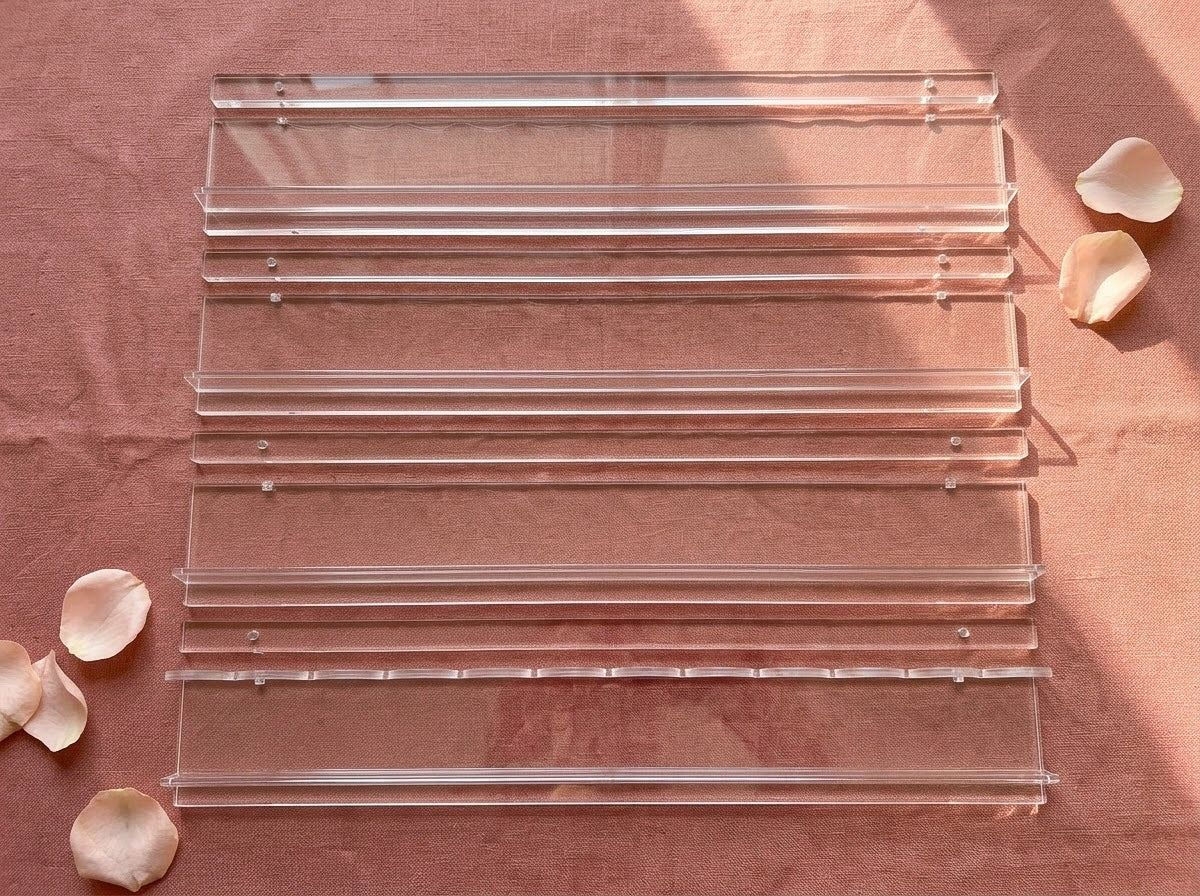
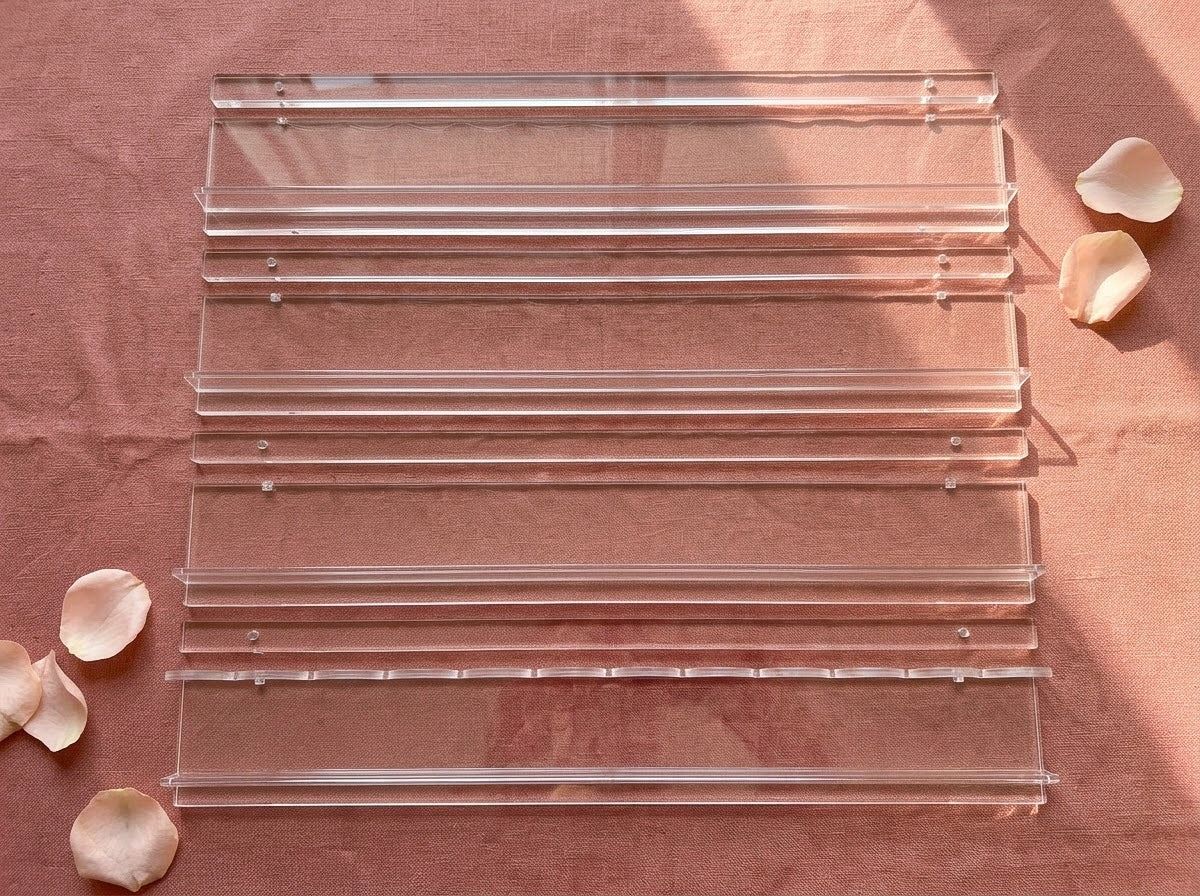
Playing two players doesn't change what tiles you need—just how you use the table. A mahjong mat with center markings helps define each player's area when you're sitting across from each other (or side-by-side) instead of around a square table. Mahjong racks with pushers are more critical in pairs because tiles move faster and you need to hide your hand better; a rack helps you conceal tile count and hand direction from a closer view. If you play at home regularly, an acrylic set—marked with house or team names—makes scoring and re-setting hands quicker because tiles are easier to spot and read. Best-selling mahjong sets include balanced color palettes and clear tile face engraving, both advantages when two players sit close.
🀄 Shop best-selling mahjong sets →
Comparison: Four-Player vs. Pairs Setup
Aspect | Four-Player | Pairs |
Tiles per player (start) | 13 | 14 |
First draw + discard | Draw 14th, then discard | Draw 14th, draw wall tile, then discard |
Charleston | Full ritual (passes both directions) | Optional; often simplified or skipped |
Wall depletion | Slow (50–65 turns typical) | Fast (30–45 turns typical) |
Hand exposure advantage | Shared—four players bury secrets | Exposed—opponent sees every discard |
Scoring per win | Winner collects from three players | Winner collects from one opponent |
Mat/rack setup | Square table, four sides | Two-player layout or across/side-by-side |
🎁 See our most-loved mahjong sets & accessories →
What to check before you play pairs for the first time
Confirm house rules with your partner. Settle the Charleston question and scoring system before drawing tiles.
Use a mat or defined play area. Pairs works best if each player's hand, discard row, and kong box are visually separate.
Use racks if hands are hard to hide. If one player can see tiles in your hand, the game collapses.
Agree on a timer or turn pace. Without four players, turns can blur; some pairs players use a 30-second rule per turn to keep rhythm.
Keep score sheet visible. Track wins and point swings so you can identify patterns later.
Have the current NMJL card on hand. Both players must agree which hands are legal; the card is the final authority.
Why pairs play tests your skills differently
Four-player mahjong forgives small memory lapses; three other players bury discards and add noise. Pairs strips that luxury. You'll remember where the 5 Bam went four turns ago, notice when your opponent stops releasing Craks, and feel pressure to decide your hand direction in 20 turns instead of 40. Pairs is a natural bridge between casual four-player games and competitive or tournament play, where memory and pattern recognition dominate. If you've never played pairs before, expect your first three hands to feel rushed—that's normal. By hand five or six, the pace becomes natural and the strategic depth emerges.
✨ Find your Mahstead set — free US shipping →
For deeper context on American mahjong fundamentals, see how to play American mahjong and how jokers work.

FAQ
Can I play American mahjong with two if I don't know the Charleston?
Yes. Most pairs players skip the Charleston entirely—just draw 14 tiles each and begin play. It simplifies the learning curve and doesn't disadvantage either player. Confirm with your partner first.
Do I need special tiles for pairs, or does a standard set work?
A standard 152-tile American mahjong set works perfectly for pairs. All tiles, rules, and hand patterns are identical; only the number of players and some procedural steps change.
How many jokers stay in play for a pairs game?
Eight jokers are always in play in American mahjong, whether four-player or pairs. They're drawn and used the same way; jokers can never form a single tile or a pair.
Is pairs faster to play than four-player mahjong?
Yes, typically 15–20 minutes per hand instead of 25–35 for four players. The wall empties quicker and there are fewer players waiting between turns.
What if one player gets too far ahead in pairs scoring?
That's common in pairs—each hand's outcome affects only two players, so swings feel sharper. Many pairs players use match format (first to seven wins) or session tracking to keep engagement even after a losing streak.


View More
View More
View More
