
Mahjong Starter Kit for Seniors: What to Buy First
Last updated: Nov 23, 2026
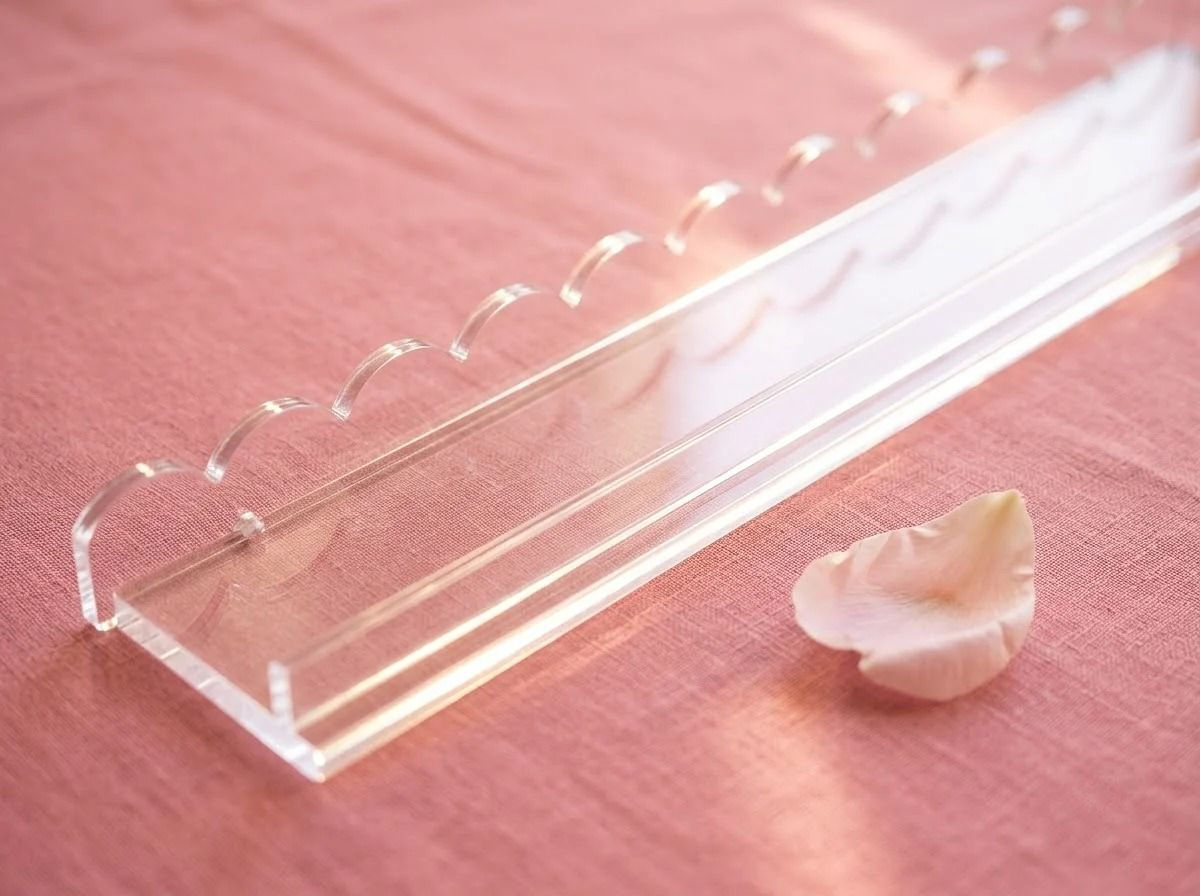
A mahjong starter kit for seniors typically includes an American mahjong set (160 tiles in acrylic), a padded mat for comfort and grip, a pair of racks with pushers to hold and organize tiles, and a storage bag or case. American mahjong is played with exactly 152 tiles plus 8 jokers; the set draws hands from the National Mah Jongg League card each season. Most kits run from budget-friendly acrylic sets to mid-range engraved designs; beginners often pair a standard set with a textured mat and basic racks. Avoid sets marketed as "universal" for multiple game types—American mahjong has specific equipment needs. We recommend starting with our best-selling mahjong sets, which bundle quality acrylic tiles with reliable design. Check tile size (larger tiles help if vision or dexterity is a concern), mat texture (prevents tiles from sliding), and whether racks have comfortable pushers before ordering. --- 🀄 Shop best-selling mahjong sets →
What exactly fits in a mahjong starter kit for seniors?
A complete starter kit contains four core pieces: a mahjong set (160 acrylic tiles), a padded mat, racks with pushers, and a travel bag. The set holds the 152 playing tiles plus 8 jokers—that's what you'll actually use in a game. The mat keeps tiles from sliding and protects your table. Racks hold and organize your hand so you don't strain your wrists. A bag protects everything during storage and travel. Each piece serves a practical purpose; nothing is decorative.
Why do seniors need larger tiles and padded mats?
Larger tiles reduce eye strain during a two-to-four-hour game session and make it easier to read numbers and suit symbols from across the table. A padded mat with good grip prevents tiles from slipping as you reach and shuffle—crucial if you have reduced dexterity or arthritis. The mat also dampens the noise of tiles clinking, which matters in shared spaces. Acrylic tiles with clear embossing (not painted) stay readable longer. When you're hosting weekly games, a comfortable mat and legible tiles keep everyone relaxed and focused on strategy, not mechanics.
🎁 See our most-loved mahjong sets & accessories →
How do you choose between budget and premium sets for beginners?
Budget acrylic sets cost less but may have smaller tiles or softer engraving that fades with use. Premium engraved American mahjong sets feature deeper embossing, larger characters, and often personalized designs—ideal if you're building a set you'll play with weekly for years. Mid-range sets balance durability and cost. For seniors, we recommend paying slightly more for readability and durability rather than saving on a set you'll struggle to see or that wears out fast. A set you'll use 40+ times a year justifies the investment.
Set Type | Best For | Durability | Why It Matters |
Budget acrylic | Casual learners, short-term | 1–2 years | Low initial cost; may fade or crack |
Mid-range acrylic | Weekly players, home games | 3–5 years | Balanced quality and price; holds up |
Engraved acrylic | Serious/longtime players | 5+ years | Deep embossing stays readable; feels premium |
Premium customized | Group sets, gifts, clubs | 5+ years | Personalized; collectible; best for long-term investment |
What makes a mahjong mat comfortable for seniors?
A good mat has a textured, non-slip surface (often neoprene or rubber-backed fabric) so tiles stay in place when you shuffle. Padding underneath protects tiles and reduces joint strain on your elbows and wrists. Height matters: a 0.25- to 0.375-inch-thick mat lets you reach tiles without leaning far. Color contrast helps—dark mats make light tiles pop; green or neutral tones reduce glare. Our mahjong mats are designed with grooves or dividers to help organize the 4 hands, which saves time and mental effort during play.
Why are racks with pushers non-negotiable for aging hands?
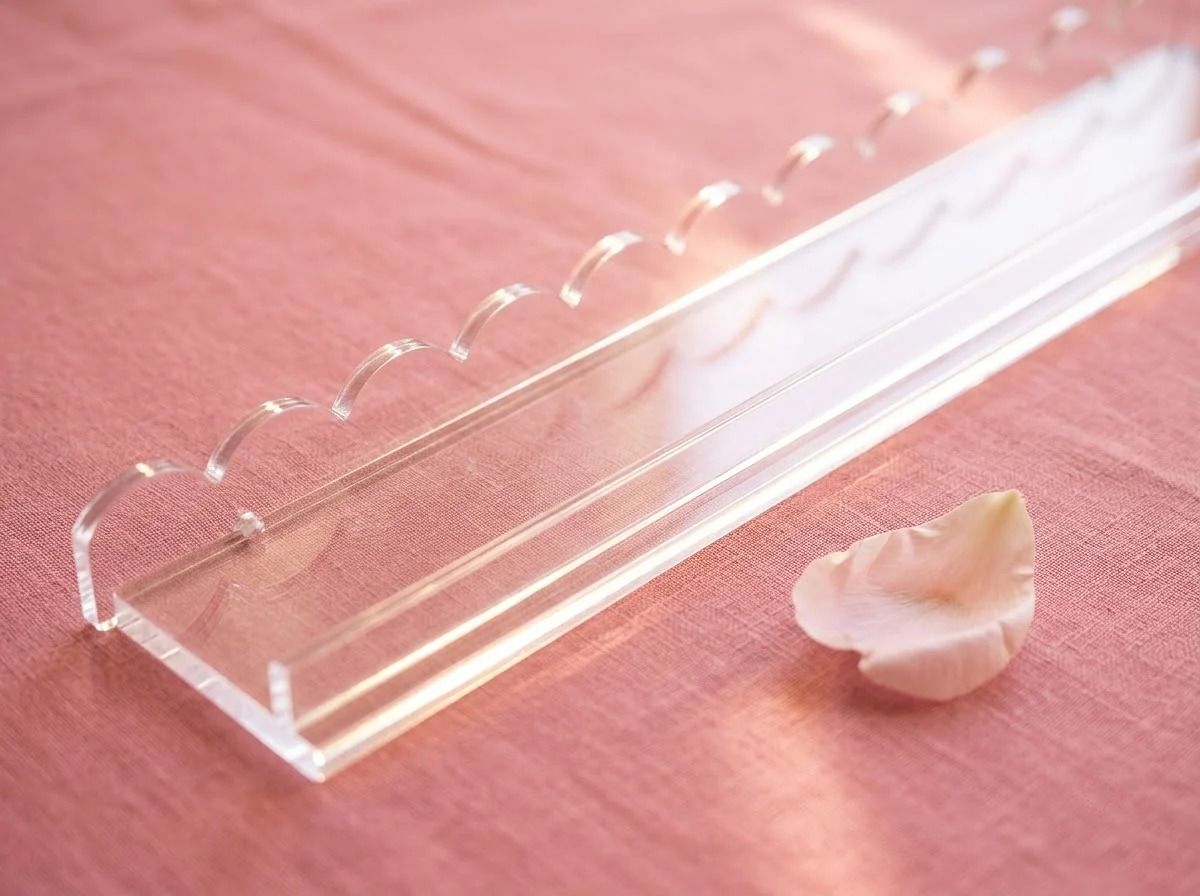
Racks hold your 13 tiles upright in a holder so you don't grip them loosely or squeeze your hands for two hours. Pushers (small sticks) let you slide individual tiles up without fumbling or dropping them. For seniors with arthritis, tremor, or reduced grip strength, racks eliminate hand fatigue and embarrassing tile spills. They also prevent peeking at your neighbors' tiles. We've watched players without racks anchor their hand, shift weight, and develop shoulder tension; with racks, they stay relaxed. Mahjong racks with pushers should have a non-slip base and smooth pusher action.
✨ Find your Mahstead set — free US shipping →
How do you pack and store your mahjong kit for regular use?
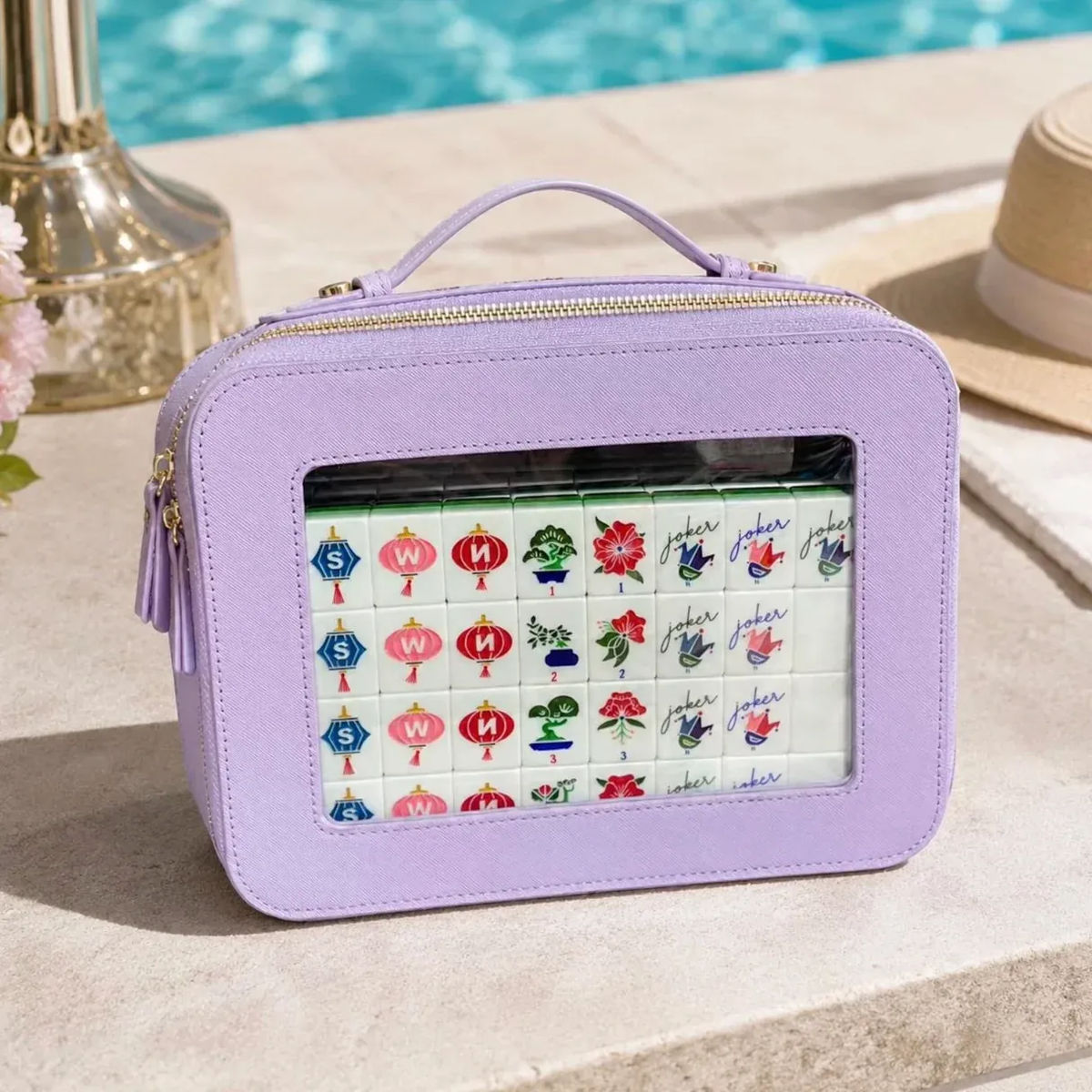
A padded bag or case keeps your set, mat, and racks clean and organized between games. Hard cases offer the most protection; soft bags are lighter and easier to carry. Look for mahjong bags and cases with internal compartments so tiles don't rattle or shift during transport. Store tiles in a cool, dry place—humidity can warp acrylic and cardboard tiles. Label your bag if you're part of a rotation group so sets don't get mixed up.
What to check before you buy: a practical checklist
Tile size: Confirm tiles are at least 1 inch × 0.75 inch (larger than Chinese sets); ask the seller if unsure.
Embossing clarity: Check product photos for deep, raised characters—not printed or shallow paint.
Mat surface: Non-slip texture (neoprene or felt-backed rubber) keeps tiles from sliding during shuffle.
Rack comfort: Pushers should glide smoothly; base should not slip on the mat.
Bag durability: Padded interior, reinforced seams, and shoulder strap or handles for easy carrying.
Return or exchange policy: Buy from a seller who stands behind the product.
Shipping: Free US shipping removes hidden cost surprises.
Real starter kits: what we recommend for three common scenarios
Scenario 1: Solo learner, home game once a week Start with a mid-range acrylic set plus a padded mat and basic racks. This gives you durability without overspending. Add a soft bag later if you join a club or travel.
Scenario 2: Hosting weekly games for four players Invest in one premium set with engraved designs—it sets a tone of care and lasts for years. Pair it with a quality padded mat (large enough for 4 hands plus the wall), four sets of racks with pushers, and a sturdy case. Your guests will feel respected.
Scenario 3: Joining an existing club Ask the club organizer what set standard they use (tile size, suit style). Some clubs share sets; others expect players to bring their own. Buy a set that matches the group's preference. Bring your own mat and racks for comfort.
Why American mahjong sets are different
American mahjong uses 152 tiles (three suits of 1–9, four each; 16 winds; 12 dragons; 8 flowers; 8 jokers), all identical to a standard. Hands come only from the National Mah Jongg League card, issued each spring—you cannot make up hands or play other variants' rules on the same equipment. This means your starter kit must include the current year's card and hands printed on your mat or a separate reference. Chinese, Hong Kong, and Riichi mahjong use different tile counts and rules entirely, so verify you're buying American tiles.
Getting started: next steps after you order
Learn the rules: Read how to play American mahjong or ask a friend who plays to teach you.
Understand the Charleston: This is the tile-passing ritual before each hand; we explain the Charleston step-by-step so you're not confused on your first day.
Read the League card: Know how jokers work and how to spot valid hands on the card.
Set up your table: Arrange the mat with your set inside the bag, racks at each seat, and a copy of the card visible to all four players.
Play slowly your first game: No one expects speed. Enjoy the social time and learn the rhythm.

FAQ
Do I need to buy four complete sets if I'm hosting four players?
No. One set of 152 tiles plus 8 jokers serves all four players. Each person holds 13 tiles; the remaining tiles form the wall. You may want four sets of racks and pushers so everyone has their own comfort setup.
What's the difference between a mat and a table cover?
A mat is a padded, textured surface that sits on top of any table and keeps tiles from sliding; it's portable and easy to clean. A table cover is permanent or semi-permanent fabric. For seniors, a mat is more practical because it's easier to manage and store.
Can I use a Chinese or Riichi mahjong set for American mahjong?
No. Chinese sets have 144 tiles and different suits; Riichi sets are designed for Japanese rules. American mahjong requires exactly 152 tiles plus 8 jokers and the specific American suits and dragons. Buy an American set only.
How do I know if tiles are large enough for my eyesight?
Ask the seller for the tile dimensions. Standard American tiles are at least 1 inch wide. If you have vision challenges, look for sets with extra-large tiles (1.25 inches or wider) or request a sample photo before ordering.
What if my racks break or wear out?
Racks are replaceable. You can buy a new pair of racks with pushers without replacing your entire set. Many players buy backup racks so they always have a comfortable pair ready.
How often should I replace my mahjong mat?
With weekly use, a quality padded mat lasts 3–5 years before the surface wears thin or the padding compresses. When tiles start sliding more easily, it's time for a new mat. Store it flat or loosely rolled to avoid creasing.
Can seniors play mahjong if they have arthritis or limited hand strength?
Yes. Racks with pushers are designed for this. They eliminate gripping and fumbling. Larger tiles are easier to see and manipulate. Take breaks between hands. Many seniors with arthritis play pain-free once they have the right equipment and table height.


View More
View More
View More
