
Mahjong Retreats in Michigan: Plan Your First Trip
Last updated: Nov 23, 2026
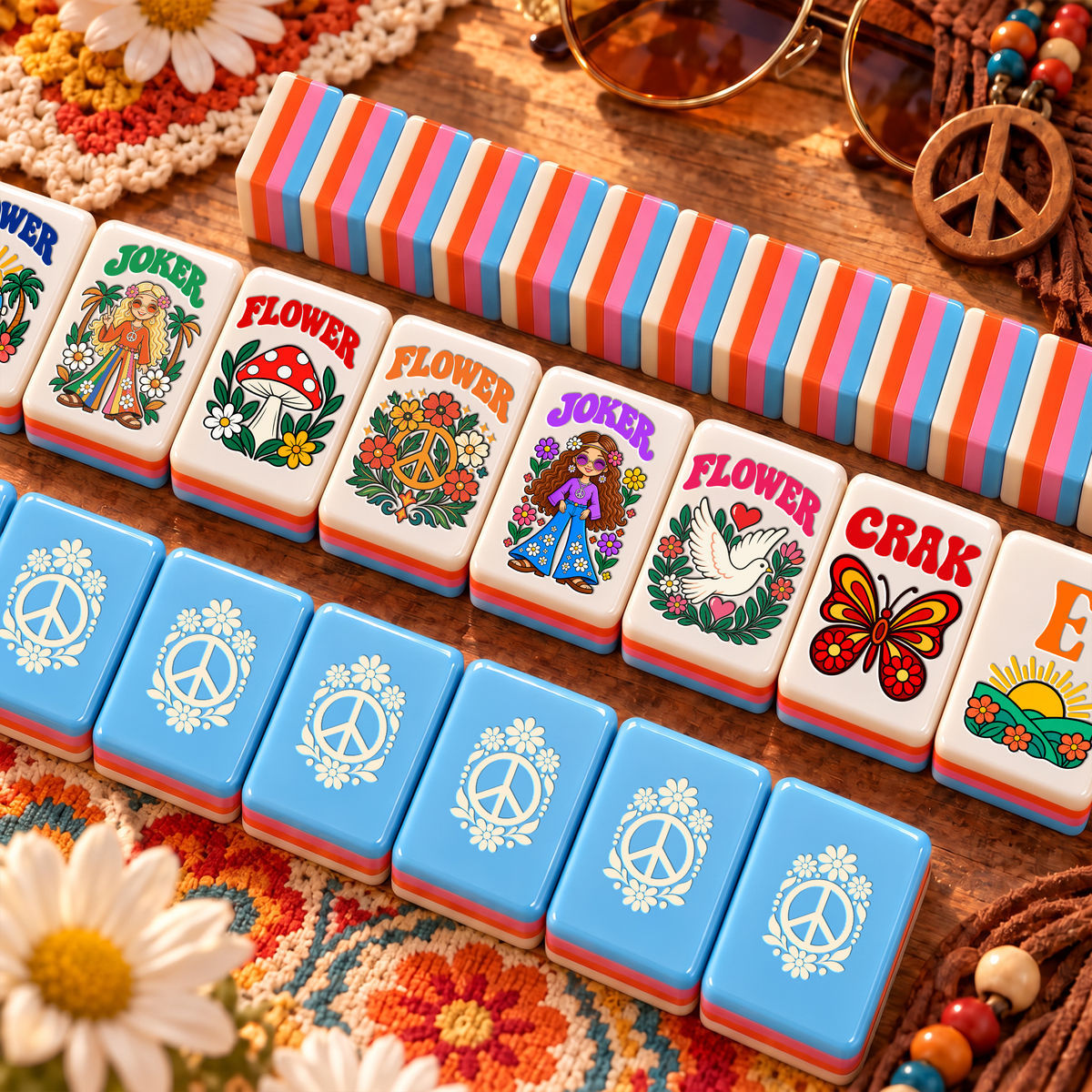
Michigan mahjong retreats range from casual weekend meetups at community centers to multi-day events organized by regional players. Most clusters form around Detroit suburbs, Ann Arbor, and mid-Michigan towns with established Jewish or Chinese community centers. Retreats typically run Friday evening through Sunday afternoon, with tables running simultaneously; expect to find both American-rules players and variants like Hong Kong or Riichi in different rooms. Costs vary by venue and whether meals are included—many are donation-based or charge modest daily fees. Before attending, confirm whether they play American mahjong (with the current-year National Mah Jongg League card) or another variant, since rules differ significantly. Bring a best-selling set if you have one, though most retreats supply shared tiles, and pack comfortable clothes for full days of play.
🀄 Shop best-selling mahjong sets →
Where do Michigan players gather for mahjong retreats?
Michigan's active mahjong scene centers on Detroit metro, Ann Arbor, and Lansing, where Jewish community centers, libraries, and synagogues host regular games and annual retreats. Search local community centers and libraries in your area—most post schedules online or keep contact lists for interested newcomers. Michigan State University towns and Kalamazoo also run casual game groups. Ask at your county library for "mahjong" or "tile game" clubs; staff often maintain bulletin boards or email lists. Meetup boards and Facebook community groups for your city or county often list current games and retreat dates. Start by searching "(Your City) mahjong" or "(Your County) community center" and call the main desk to ask whether they host or know of regular games.

What's the difference between American mahjong retreats and other variants?
American mahjong retreats use the yearly National Mah Jongg League card to define legal hands—you won't see the same hand twice within a season, and rules strictly prohibit sequences (chows) that other variants allow. If you attend a retreat without confirming the variant first, you may arrive only to find the group plays Hong Kong, Riichi, or Chinese rules, where how to play American mahjong differs in hand patterns, exposure rules, and scoring. American games require exactly 152 tiles plus 8 jokers; other variants use 144 or 136 tiles. Before registering, email or call the host and ask, "Do you play American mahjong with the National Mah Jongg League card?" A clear yes means you're in the right room; any other answer means you'll need to learn different rules or find an American-focused group.
🎁 See our most-loved mahjong sets & accessories →
What should you bring to a Michigan mahjong retreat?
Item | Why You Need It | Notes |
Current-year NMJL card | Reference legal hands & scoring | Most venues supply; bring your own backup |
Comfortable shoes | Tables run 6–8 hours daily | Non-slip soles prevent sliding on polished floors |
Water bottle | Dehydration kills focus | Refill between sessions |
Notebook & pen | Track scores & house rules | Venues often have variations |
Your own mahjong set (optional) | Familiar tile feel & size | Retreats provide shared sets; bringing one is personal choice |
Light layers | Climate control varies wildly | Community centers shift between cold AC & warm rooms |
Phone charger | Games post updates & side betting | Most venues have limited outlets |
Snacks (ask first) | Energy during long sessions | Check venue policy on outside food |
Many retreats provide lunch or light snacks, but confirm when you register. If you own a mahjong set with engraved tiles, a set, bring it only if you're comfortable with shared play—tile wear and accidental damage happen at communal tables. A padded travel bag or case protects your set during the drive.
How do you find and register for Michigan mahjong retreats?
Step 1: Identify retreat dates by contacting your nearest Jewish Community Center, Chinese Community Association, or public library—most post annual retreat schedules 2–4 months ahead. Step 2: Call or email the host organization to confirm the retreat is for American mahjong (or your preferred variant) and ask about beginner policies. Step 3: Ask whether you need a current National Mah Jongg League card before attending; most provide or sell cards on-site, but buying one in advance shows commitment. Step 4: Confirm registration deadlines, cost structure (donation vs. fixed fee), and whether meals are included. Step 5: Ask the host about skill levels—some retreat have beginner-only tables or beginner-intermediate mixing. Step 6: Request the host's email list or contact info so you hear about winter or spring events beyond the main retreat. Most hosts welcome repeat visitors and will invite you to smaller weeknight games once they know you're interested.
✨ Find your Mahstead set — free US shipping →

What rules and etiquette should a beginner know before attending a retreat?
Mahjong retreats run on unspoken rules: keep your tiles face-down until your turn, announce your melds aloud so all four players hear them, and don't touch tiles in the wall until play reaches you. Never show another player your hand mid-game, don't slow down the game by hesitating excessively, and accept the host's ruling on disputes—retreats use house rules that may differ slightly from the League card. Pay attention when others draw or declare; slow play frustrates experienced players and disrupts the table's rhythm. If you don't know a hand or rule, ask between games, not mid-play. Most retreat hosts welcome genuine questions and appreciate players who show up on time, bring a positive attitude, and don't blame the tiles. Beginners who listen more than talk, follow the pace, and stay humble get invited back.
How should you prepare if you've never played American mahjong before?
Read mahjong for beginners or watch a basic video tutorial at least one week before attending. Spend 2–3 evenings learning what's in an American mahjong set so you recognize tiles by sight: three suits (Bams, Craks, Dots), winds, dragons, flowers, and jokers. Practice how jokers work until you understand they can substitute for any tile in a pung, kong, quint, or sextet—but never in a pair or single. Study the Charleston explained so you don't panic when tiles pass around the table before the game starts. On the day of the retreat, arrive 30 minutes early to ask the host simple questions: "Is this American mahjong?" and "Should I bring my own set?" Sit at a beginner table if available; playing with patient, experienced players teaches you faster than struggling alone. You'll feel nervous, and that's normal—every player in the room started exactly where you are.
What gear do you need if you plan to join a regular mahjong club after the retreat?
After attending a retreat, you'll know whether you want to join a weekly or monthly club. If so, invest in a personal best-selling mahjong set so you're not dependent on shared tiles. A mahjong mat protects your tiles and gives you a consistent play surface when hosting games at home. Racks with pushers keep your hand organized and speed up your game—beginners who use racks play noticeably faster and make fewer tile-handling errors. A durable travel bag or case protects your investment during weekly drives to the club. You don't need all four items right away; start with a set and mat, then add a rack and case as your commitment deepens.
What to check before you buy
Tile material: Acrylic tiles are lightweight, durable, and easy to clean; bone and bamboo sets feel premium but require more care.
Set completeness: American mahjong requires exactly 152 playing tiles plus 8 jokers; confirm the set includes all four copies of each tile (never mix sets).
Rack comfort: If you have hand or wrist concerns, test a rack's weight and ergonomics before committing; lightweight aluminum racks reduce fatigue during long sessions.
Case durability: A retreat involves car travel; cheap bags fail. Look for reinforced corners, quality zippers, and interior padding.
Size consistency: All your club's sets should be similar—tiles from different manufacturers vary slightly in thickness and weight, which throws off the game rhythm.

FAQ
Do I need to own a mahjong set to attend a Michigan retreat?
No. Most retreats provide shared sets for all players. You're welcome to bring your own if you own one, but it's not required. Confirm with the host beforehand whether they encourage personal sets or prefer everyone to use house tiles.
How much does a Michigan mahjong retreat typically cost?
Costs vary widely by venue and organization. Many are donation-based or charge a modest daily fee; some retreats that include meals cost more. Contact the host organization directly for current pricing and payment details.
What if I don't know anyone going to the retreat?
Retreat hosts assign table partners to ensure beginners sit with experienced players. You won't be left alone. Many retreats host a welcome dinner Friday evening specifically so newcomers can meet players in a low-pressure setting before games start.
Can I attend a Michigan retreat if I've only learned American mahjong basics?
Yes, absolutely. Most retreats have beginner-designated tables or beginner-friendly sessions. Email the host and say you're a beginner; they'll place you at a table with patient players and may provide extra coaching. Many retreats explicitly welcome first-timers.
What happens if I want to continue playing after the retreat ends?
Ask the host for contact info for regular weekly or monthly clubs near you. Many retreat attendees form friendships and create spin-off games at each other's homes. You can also ask library staff or community center directors about year-round games in your area.
Should I buy the current-year National Mah Jongg League card before the retreat?
Bring a card or ask whether the retreat sells them on-site. Most do. Having your own card is helpful so you can reference hands during play and check scoring, but it's not mandatory—you can share a card with your tablemates during the game.


View More
View More
View More
