
British Mahjong Winning Hands: Rules, Patterns & Strategy
Last updated: Nov 23, 2026
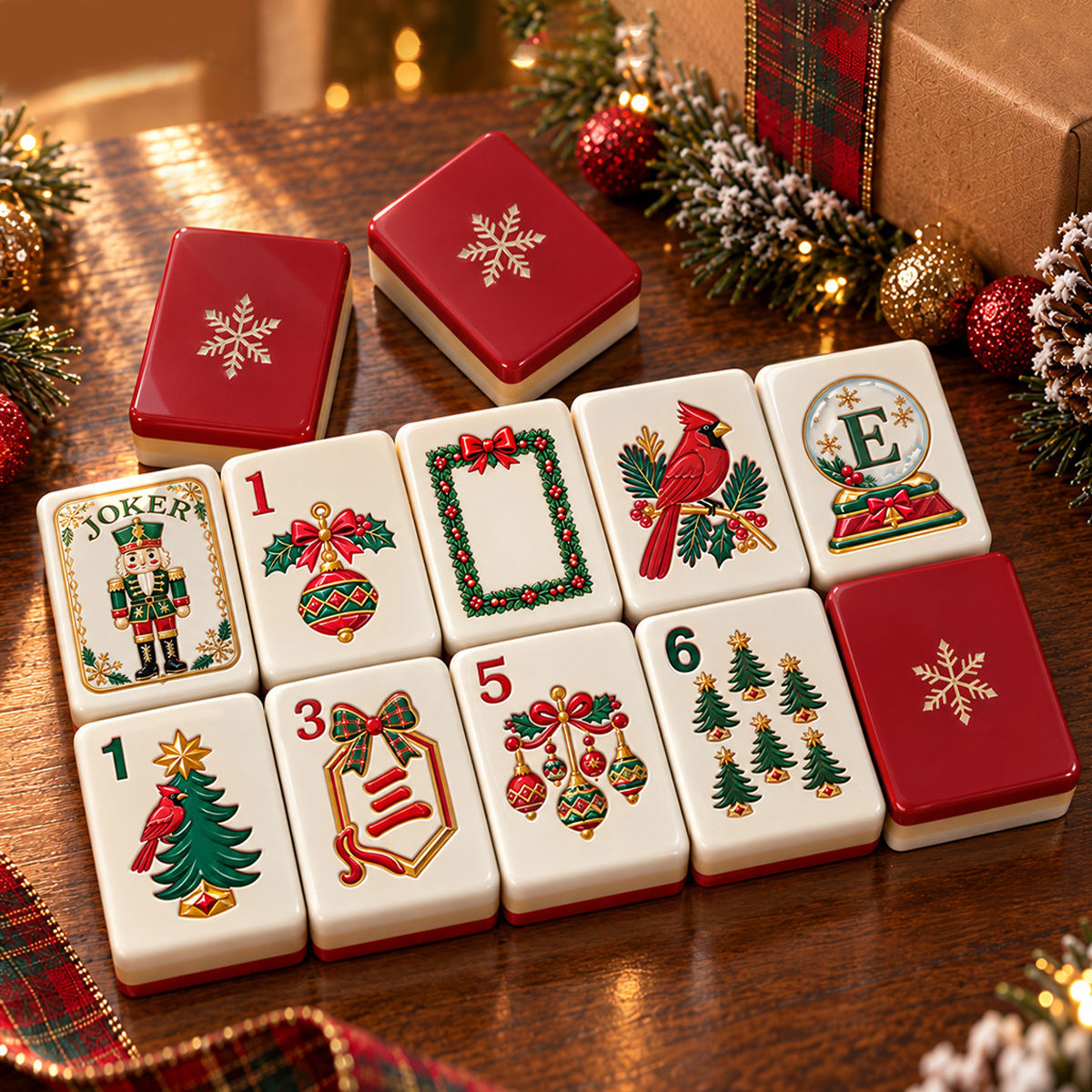
British mahjong differs from American mahjong in tile composition (no jokers, no flower tiles, simpler dragon/wind system), hand-building rules (chows and pungs both valid; sequences DO count as legal melds), and winning conditions (simpler scoring; no seasonal card required). Winning hands are built from melds (sets of three identical tiles, or runs of three consecutive tiles in the same suit) plus a pair, much like Chinese classical mahjong. Games use 144 tiles total and require between 13 and 14 tiles to declare a win. Unlike American mahjong, where you follow a printed card and cannot call or expose chows, British players use open melds (visible on table) and can claim discards into sequences. The core skill lies in reading which tiles your opponents hold, managing your hand tempo, and timing the final draw. We've hosted players from across the Commonwealth who appreciate the faster pace and lower barrier to learning; if you're new to British rules, join a local club first to absorb table conventions before investing in a set.
What tiles do British mahjong sets actually contain?
British mahjong uses 144 tiles split into three main groups: suits (Bamboo, Characters, Dots), honors (Winds: North, East, South, West; Dragons: Red, Green, White), and optional terminals. Each tile appears four times. There are no jokers, no flowers, no blanks—every tile in the set plays a role. Bamboo suit shows a bamboo plant (not a bird like American Bam 1); Character tiles display Chinese numerals; Dots are circles. Winds and Dragons follow the same design across most sets. Some British sets include a simplified wall-building mechanism or racks for tile storage, though many players prefer a felt mat and manual tile management. Unlike American sets with 152 tiles plus spares, British sets contain exactly 144 tiles, nothing more. This simpler inventory means less confusion during setup and faster hand deals.

How do you build a winning hand in British mahjong?
A winning hand needs 14 tiles arranged as four melds (sets or runs) plus one pair. A meld is either a pung (three identical tiles: e.g., three Red Dragons) or a chow (three consecutive tiles in one suit: e.g., 3 Bamboo, 4 Bamboo, 5 Bamboo). The pair is any two identical tiles. You win by drawing or claiming a discard that completes your hand. Unlike American mahjong, chows are fully legal and can be called or exposed on the table. When a player discards a tile, the next player clockwise can "claim" it to complete a meld, interrupt the turn order, and add that meld to their visible hand. This openness creates strategic tension: your opponents see what you're collecting. A single winning hand may use all four copies of a tile across your melds; the art is recognizing which discards your opponents won't claim and which tiles remain in the wall.
What's the difference between winning by draw and winning by claim?
Winning by draw means you pull a tile from the wall that completes your hand; you then declare "mahjong" and score. Winning by claim (or "kong win") happens when another player discards a tile that finishes your fourth meld or your pair, and you claim it immediately, declare, and score. Most British games reward both equally, though some regional variants prioritize draw wins slightly higher in scoring. The key difference from American mahjong: in American play, you can only expose pungs, kongs, and quints; chows stay hidden. In British play, claimed chows go on the table face-up, visible to everyone. This forces real-time tactical decisions: hold a tile and risk an opponent melds before you, or discard early and lose a point-scoring opportunity. Speed and hand-reading skill matter as much as tile luck. The player opposite the dealer (in British play, usually the dealer's left) draws first after the wall is set; play proceeds clockwise.
How does British mahjong scoring work compared to American?
British mahjong scores are far simpler than American mahjong scoring. Most scores are based on the winning tile (draw vs. claim) and whether the hand uses all simples (no terminals or honors) or includes honors. A basic win pays a fixed unit (often 1 point per player, with the losers paying the winner). Hands that include pairs of honors or terminals score higher (e.g., 2 or 4 units). There is no reference card, no seasonal tiles, no joker substitutions. No hand is "illegal" outside of very basic discard rules; almost any 14-tile arrangement of melds + pair wins. American mahjong, by contrast, requires your hand to match the current year's National Mah Jongg League card exactly, and each pattern has a specific point value printed. British play is more fluid: new players can learn scoring in one session; American mahjong requires weeks of card study. If you're comparing the two, British suits most casual social players; American suits players who enjoy pattern-matching and card mastery.
How do the four winds and three dragons factor into winning hands?
Winds (North, East, South, West) and Dragons (Red, Green, White) are honor tiles—high-value tiles that appear in many winning patterns. Collecting a pung of any single wind or dragon counts as one meld toward your 14-tile hand. Because there are only four of each tile in the set, and four players at the table, owning a pung of Winds or Dragons is often a strong early strategy. Many new British players prioritize collecting an honor pung because they're easier to spot (fewer numbers to track) and signal a conservative, safe hand. A winning hand built entirely from honor pungs and one suit (e.g., all Bamboo chows plus two Red Dragon pungs) still scores, though lower than hands mixing suits or using all simples. The dealer position (East Wind) can influence your starting luck but doesn't guarantee a win. Strategy often centers on reading which honors your opponents are collecting and blocking them by discarding honors they don't want while holding tiles that complete your own chows.
Hand Type | Composition | Skill Level | Why It Works |
Honor Pung Safe | 4 honor melds + pair | Beginner | Easiest to track; slow, visible strategy. |
Mixed Suit Fast | 2–3 chows, 1–2 pungs, pair | Intermediate | Balances speed and flexibility. |
All Simples Pure | Chows only, 1–9, no honors, pair | Advanced | Highest score; hardest to complete without revealing intent. |
One Suit + Honors | Single suit chows, honor pungs, pair | Intermediate | Focused; good for learning one suit deeply. |

What common mistakes do new British players make?
New players often hold onto a tile too long, hoping for a specific chow, when they could have claimed a discard for an immediate point. In British mahjong, offense (progressing toward a win) beats defense; players who discard aggressively often win more rounds. Another error: forgetting that melds go on the table when claimed. American players come in expecting hidden melds and miss the signal that an opponent is close to winning. Beginners also miscalculate the wall. British sets use 144 tiles; if 13 tiles remain and no one has melded, the hand is "dead wall" and no one scores. Keeping a hand open (discarding safely) until late in the hand teaches patience. Finally, new players don't track which tiles have been discarded. Successful British mahjong requires light memory: if you've seen four Red Dragon tiles go out and one sits in your hand, no opponent will complete an honor pung; safety in holding it increases.
Where can you learn and play British mahjong in your area?
British mahjong clubs exist in most mid-to-large cities, particularly in areas with Commonwealth diaspora. Search libraries, community centers, and social clubs for "mahjong" groups; many list games by variant (British, Chinese, Cantonese). University adult education programs sometimes offer intro classes. Online forums and meetup boards can connect you to local players willing to teach. The best way to start is to join a group at a regular weekly game—experienced players teach and loan sets. If you decide to invest in your own set, look for sets labeled "144-tile," "British," or "International" mahjong. Avoid American-labeled sets (they include jokers and flowers, which British play doesn't use). Once you've played 5–10 hands and know the basic rhythm, a personal set makes sense. We recommend looking for a compact, portable set if you travel to different venues; a travel-ready bag or case keeps your set organized and protected between sessions.
🀄 Shop best-selling mahjong sets →
What to check before you buy a British mahjong set
Count the tiles. A real British set has 144 tiles, no more. Many sets marketed as "144-tile" are rebranded American sets (152 tiles with flowers and jokers removed). Ask the seller for a tile checklist or manual showing exact composition. Check the tile size: British tiles vary from small (11 mm) to large (17 mm). If you have joint pain or play on a long table, larger tiles ease play. Inspect finish: bone/bamboo sets feel premium but chip easily; acrylic sets survive casual play and travel. Confirm the suit symbols match your region (some sets show Chinese characters, others English initials). Buy from vendors who list exact tile counts and materials; avoid generic "mahjong set" listings that don't specify variant. If you're shopping for the first time and want a durable, versatile set that works for learning, explore our collection of best-selling options—many support both casual and serious play.
🎁 See our most-loved mahjong sets & accessories →
How British mahjong differs from Chinese and Hong Kong variants
Chinese classical mahjong (often called "Shanghai" or "Cantonese") also uses 144 tiles and chows, but scoring systems and hand rules differ widely by region. Hong Kong mahjong adds a "limit" (ceiling on maximum score) and uses slightly different dragons/flowers. British mahjong simplifies these: no complex regional scoring, no flowers unless the set includes them as optional tiles, and fewer penalties. The core skill in all three—reading discards, blocking opponents, and timing the final draw—translates across. If you've played Chinese or Hong Kong mahjong, British rules will feel familiar in tempo but lighter in bookkeeping. American mahjong is the outlier: no chows, required reference card, joker substitutions, and fixed annual hand patterns. For players who want social, rapid-fire games without memorizing reference materials, British mahjong bridges the gap between American casualness and Chinese strategic depth.
✨ Find your Mahstead set — free US shipping →

FAQ
Can I use American mahjong sets to play British mahjong?
Not ideally. American sets include jokers and flower tiles that don't exist in British play, throwing off the 144-tile count. You'd need to remove them manually each session, creating confusion and slowing setup. Buy a proper 144-tile set if you play regularly.
Do I need a reference card to play British mahjong like American mahjong?
No. British mahjong has no card system. Hands are defined by melds and pairs; almost any valid 14-tile arrangement wins. This makes British play much faster to teach and learn than American mahjong.
What's the minimum number of players for a British mahjong game?
Four players is standard. Some regional variants allow three-player games with modified rules, but these are rare and require local group consensus. Check with your club before trying non-standard player counts.
How long does a typical British mahjong hand take?
10–15 minutes for experienced players, 20–25 minutes for beginners. American mahjong often runs 20–30 minutes per hand because players consult the reference card. British speed makes it suitable for social evenings with multiple rounds.
Can I buy a set that works for both American and British mahjong?
No. American sets must have jokers and flowers; British sets must not. The tile compositions are incompatible. Choose one variant and invest in the correct set. We recommend starting with whichever game your local club plays.
Are British mahjong tiles larger than American tiles?
Not always. Both variants use tiles in a range of sizes (roughly 11–17 mm). Size depends on the individual set design, not the variant. Choose based on table space and personal comfort, not region.


View More
View More
View More
