
Mahjong Party Ideas in West Palm Beach: Games & Setup Tips
Last updated: Nov 23, 2026
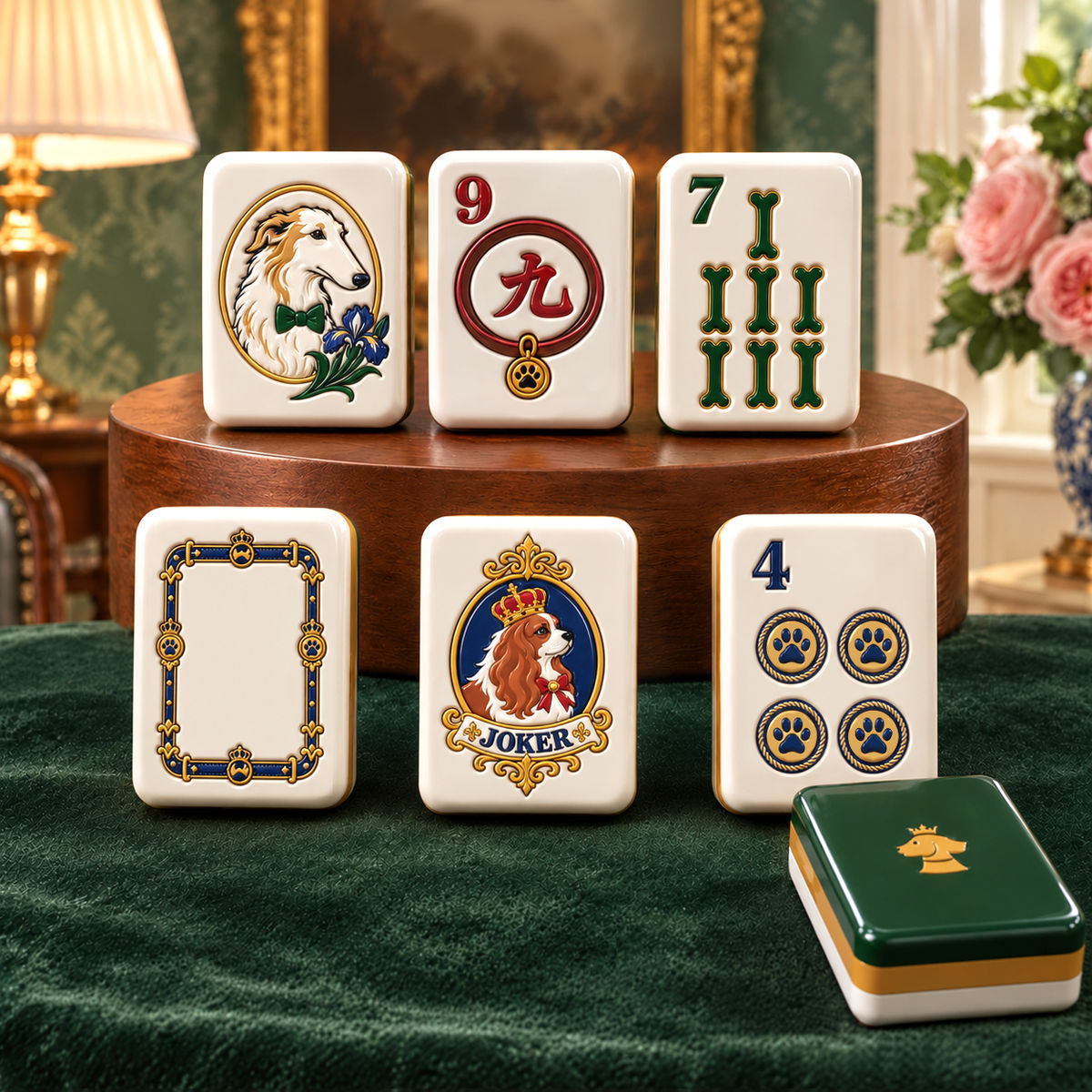
West Palm Beach mahjong parties thrive year-round in homes, community centers, libraries, and country clubs—most with air conditioning and ample table space. A standard four-player American mahjong game takes 20–45 minutes per hand, so plan 2–4 hours for a casual gathering or a full afternoon for a tournament bracket. You'll need one 160-tile acrylic set per table (152 playing tiles plus spares), a mat to protect the playing surface, racks with pushers to organize tiles and speed play, snacks, drinks, and printed National Mah Jongg League cards (updated annually). Costs vary widely depending on set quality and accessories, but our best-selling collection covers all the essentials. Avoid common mistakes: using outdated cards, mixing different tile sizes, playing without pushers (hand fatigue sets in fast), and overcrowding the table. West Palm Beach's strong mahjong community means you can find players through local libraries, community centers, synagogues, country clubs, and online meetup boards—start by asking at public venues or posting in neighborhood social media groups.
West Palm Beach's warm climate and thriving retiree population make it one of Florida's most active mahjong hubs. Unlike cold-weather regions where mahjong crowds peak in winter, West Palm Beach plays year-round. Whether you're a long-time host or planning your first mahjong night, the fundamentals of hosting—and the gear that makes it work—apply everywhere.
How many players and tables should you plan for?
American mahjong plays exactly four people at one table. If you have eight players, run two simultaneous games; if twelve, run three. For a party, we recommend 6–8 players total (one or two full tables) so no one waits too long between rotations. If you want everyone playing at once, create a rotation schedule: write each player's name on index cards and post a chart showing which three people sit out each round. Most casual West Palm Beach groups run 3–4 rounds of 30–45 minutes each, with 10 minutes for scoring and switching players. A full afternoon event (2 p.m. to 6 p.m.) fits comfortably; an evening game (6 p.m. to 10 p.m.) works if your guests are enthusiastic. For beginners, add 15 minutes per round while they learn how to play American mahjong.
🀄 Shop best-selling mahjong sets →

What venue works best in West Palm Beach?
Home games remain the most popular format—your dining table or card room gives you full control over noise, lighting, and temperature. If hosting at home, ensure your table is at least 36 inches square (48 inches is more comfortable) and sturdy enough to support four sets of racks. Community centers, libraries, and synagogues often rent small meeting rooms cheaply or free to members; call ahead to confirm table dimensions and whether food/drinks are allowed. Country clubs frequently host mahjong tournaments and casual groups; membership or guest fees vary. Parks and recreation departments sometimes sponsor beginner classes or open-play hours—check the West Palm Beach Parks and Recreation website or your neighborhood community center board. Choose a venue with good lighting, minimal distractions, and enough space for a side table (for scorecards, drinks, snacks). Avoid outdoor settings unless it's cool and stable; wind damages tiles and tile trays.
What gear do you actually need, and what's optional?
Essential gear:
One 160-tile acrylic American mahjong set per table
One mat per table (protects the surface and aids tile visibility)
Racks with pushers for each of the four players (speeds play and reduces hand fatigue)
Current-year National Mah Jongg League card (rules change yearly)
Pencil and scorecard for each table
Dice (included in most sets)
Nice to have but not essential:
A travel bag or case (makes setup faster if moving between venues)
Extra sets as backup (prevents delays if someone forgets their gear)
Tile markers or score trackers (speeds scoring for large groups)
Our best-selling collection includes complete sets with mats and racks bundled at a fair price. If your players already own sets, you might only need one extra backup set and a spare mat. Many West Palm Beach groups share gear—designate one host who keeps the sets and supplies in a closet or cabinet, ready to pull out each week.
Setup Element | Hosts 1 Table | Hosts 2 Tables | What It Does |
Acrylic sets | 1 | 2 | Core playing equipment (152 tiles + spares per set) |
Mats | 1 | 2 | Protects table, improves tile grip and visibility |
Racks + pushers | 4 sets | 8 sets | Organizes tiles, reduces wrist strain, speeds play |
League card (current year) | 1 | 1 shared or 2 | Required to call hands; updated yearly |
Scorecard + pencils | 1 per table | 2 per table | Tracks points across rounds |
Travel bag or case | Optional | 1–2 | Simplifies setup and transport |
🎁 See our most-loved mahjong sets & accessories →
What games and formats keep the energy up?
Four-player round-robin (most common): Each hand is one "game." A full round is typically 4–8 hands, depending on how fast your group plays and how tired everyone is. Players rotate positions (East, South, West, North) so each person sits in each position, which affects scoring and dealer advantage. This format is perfect for casual West Palm Beach weeknight groups.
Jackpot or cumulative scoring: Players keep a running total across all hands in an evening. High score after the final round wins the pot (or bragging rights). This format creates more drama and keeps engagement high across longer sessions.
Speed tournament (for experienced players): Set a strict 15-minute timer per hand. Players who can't call a hand or who exceed the time forfeit the round. This format weeds out the slow thinkers—fun but intense; save it for groups comfortable with pressure.
Beginner-friendly format: Play longer (45–60 minutes) with frequent breaks for teaching. Mahjong for beginners often feel rushed in short rounds; give them time to study the card and ask questions without slowing down experienced players. Pair each beginner with one veteran on the same side of the table.
Most West Palm Beach groups rotate between casual and competitive formats depending on the night's mood and who shows up.

How do you handle the Charleston and tile draws smoothly?
The Charleston—the pre-game tile-passing ritual—sets the pace for the entire session. If players don't understand the Charleston, play slows to a crawl. Before guests arrive, print a one-page diagram showing the sequence: right pass → opposite pass → left pass → optional dead wall passes. During setup, have the most experienced player lead the Charleston while others follow. For a party with mixed skill levels, designate the fastest player as the "Charleston caller" who counts down aloud so everyone passes together. This prevents the tile-pass chaos that derails West Palm Beach house games. After the Charleston, tile draws happen quickly—each player draws tiles in order from the wall, usually starting with the seating player. Use pushers to draw tiles cleanly; bare hands cause drops and fumbling. Once everyone has 13 tiles, the East player draws 14 and play begins. Sounds simple, but smooth Charlestons save 5–10 minutes per round.
✨ Find your Mahstead set — free US shipping →
Common mistakes to avoid when hosting in West Palm Beach
Using outdated League cards: The National Mah Jongg League card changes every spring. Playing with a card from 2024 or 2025 means hands that no longer exist and arguments over what's legal. Always buy a fresh card before hosting. Most West Palm Beach hosts keep the current year's card laminated and shared at the table.
Mixing tile sizes or materials: If one player brings old Bakelite tiles and another brings acrylic, the tiles don't stack uniformly on racks, scoring gets confusing, and players feel cheated. Standardize on one set per table. Acrylic tiles are durable, bright, and easy to read for aging eyes—a smart choice for West Palm Beach's older-demographic groups.
Skipping racks and pushers: Playing tiles in hand leads to dropped tiles, injuries (pinched fingers on tile stands), and slow play. Racks with pushers cost little and eliminate these headaches.
Poor lighting: Older eyes struggle in dim rooms. West Palm Beach afternoon and evening games need bright overhead lights or table lamps. Test the venue before hosting.
No scorecard system: Verbal scores lead to disputes. Use a printed scorecard template; one player (rotate each round) keeps track. Post scores between rounds so everyone sees the tally.
Overcrowding the table: A 36-inch table is cramped for four players with full racks. Aim for 48 inches or move the game to a larger surface. West Palm Beach's community centers often have adjustable tables—reserve one ahead of time.
What to check before you buy or organize your first party
Confirm the venue: Check table dimensions, lighting, and food/drink policies. Call two weeks ahead; West Palm Beach community rooms fill quickly.
Invite early: Ask players what dates work best; most West Palm Beach groups play weekly on the same night (Thursday or Sunday evenings are popular).
Test your set at home: Set up once to make sure all 152 tiles are present, pushers are smooth, and the mat fits your table. A broken rack ruins the first game.
Print extra copies of the current League card. Laminate them; wet drinks or sweaty hands destroy paper cards.
Assign a scorekeeper. Rotating every two rounds keeps it fair and shared.
Have a backup set on hand. If someone forgets theirs, you won't cancel the game.
FAQ
Where do I find other mahjong players in West Palm Beach?
Check your local library's bulletin board, community center class schedules, synagogue newsletters, and country club activity boards. Post in neighborhood Facebook groups and Nextdoor asking "Who plays mahjong?" Many groups meet weekly and welcome newcomers, especially if you offer to host.
What's the best table size for a mahjong party?
48 inches square is comfortable; 36 inches works but feels tight. Ensure the table is sturdy (tile racks and arms add weight). Most West Palm Beach community centers have adjustable tables—ask before booking.
Do I need to buy separate tiles for each player?
No. One 160-tile set contains enough tiles for exactly four players. If you host two tables, you need two sets. Never mix tile sets at one table; sizes and weights differ.
How long does a mahjong game actually take?
One hand averages 20–45 minutes for experienced players, 45–60 minutes for beginners. A full evening of 4–5 hands takes 2–4 hours. West Palm Beach groups often play 6 p.m. to 10 p.m. on a Tuesday or Thursday.
What if someone doesn't know how to play?
Pair them with an experienced player for their first two hands. Print how to play American mahjong as a one-page cheat sheet. Most West Palm Beach beginners pick it up within one evening if expectations are patient.
Can I host mahjong outdoors in West Palm Beach?
Only if it's calm (no wind to scatter tiles) and shaded (sun glare on tiles is maddening). A covered patio works; a windy beach park does not. Winter or early spring outdoor games work best; summer humidity can warp wood racks.
How much does it cost to host a mahjong party?
If you already own a set, hosting is free. Buying one set and accessories has variable costs depending on quality; see current prices on our collections page. Venue rental (if needed) runs from free at public libraries to $20–50 at community centers. Most West Palm Beach groups cover costs by sharing or rotating hosts.


View More
View More
View More
