
Mahjong Party Ideas in Orlando: Games, Themes & Setup
Last updated: Nov 23, 2026
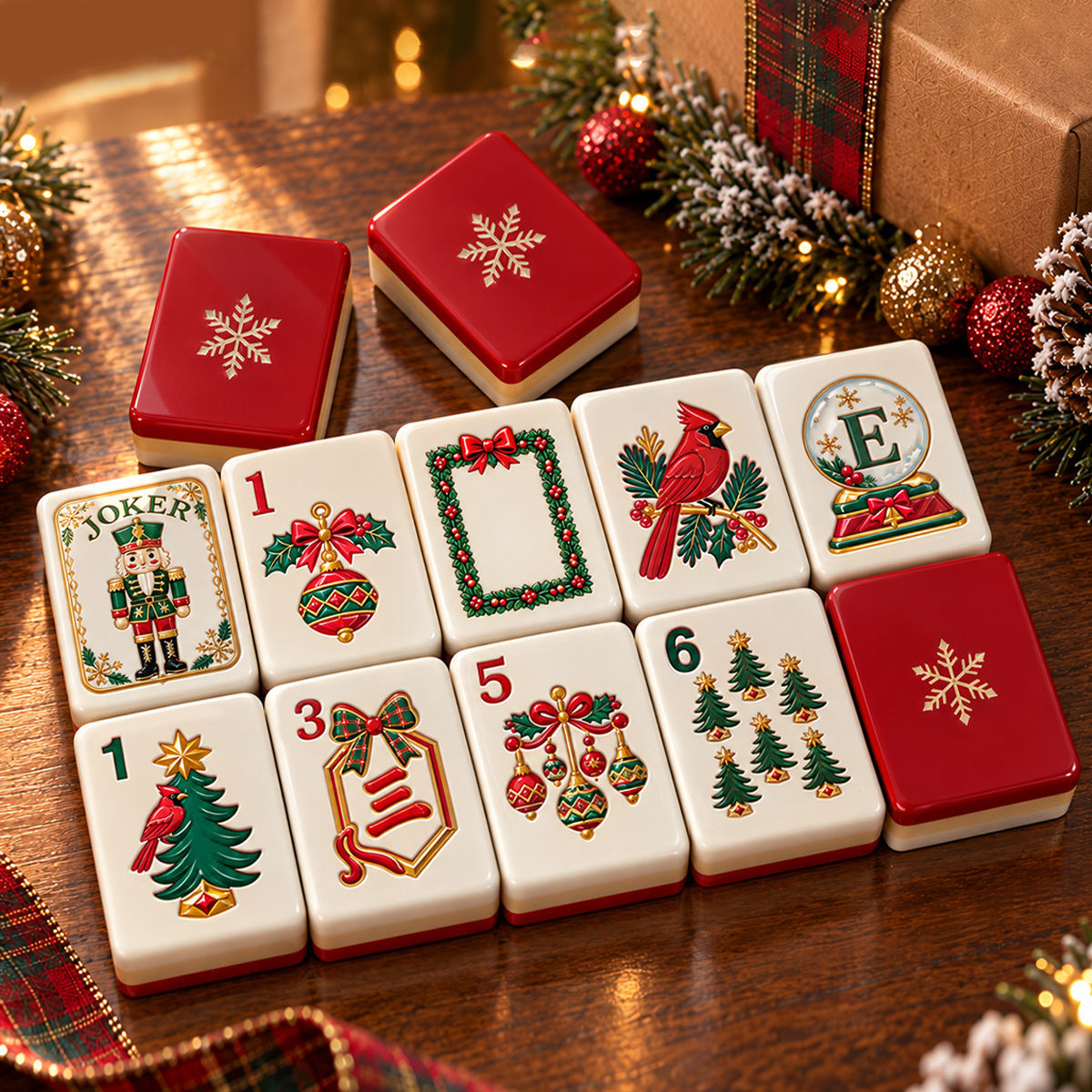
A mahjong party in Orlando starts with four players, one 160-tile American mahjong set, and a flat playing surface—ideally a mat with pushers so players keep tile racks tidy. Plan three to four hours for a casual evening: expect 45–60 minutes per round, plus setup and the Charleston (tile-passing ritual before play). Games use tiles from the current National Mah Jongg League card, issued each spring, so hands change yearly. Outdoor gatherings work well during cooler months (November–March); bring a travel case to protect your set from humidity and sun.
How do I choose a mahjong set for a party in Orlando?
You need 152 playing tiles plus 8 jokers, which come standard in a 160-tile set. Acrylic tiles suit Florida's climate better than bamboo—they resist warping from heat and humidity. Look for sets with engraved designs or custom titles if hosting regularly; they're easier to spot from across the table and feel special for guests. Choose a mat to match your set, because a padded surface protects your table and keeps tiles from sliding during shuffles.
🀄 Shop best-selling mahjong sets →

What are the best themes for an Orlando mahjong party?
Theme your party around the season, your group's humor, or a cultural celebration. Winter gatherings (November–February) suit holiday themes; pair your set with festive table linens and a holiday-inspired mat. Summer events work best indoors or poolside under a canopy. Groups who love wordplay enjoy sets with engraved titles—funny house names, inside jokes, or motivational phrases—that make each hand feel personal. Consider a "Tiles & Tapas" evening, "Mahjong & Movie Night," or a "First-Time Players Welcome" themed round where experienced players teach newcomers between games. The key: match your theme to your guest list's skill level and your venue's setup.
How do I host beginners and experienced players at the same party?
Mix skill levels by pairing each newcomer with one experienced player. Before the first hand, spend 15 minutes reviewing how to play American mahjong and the Charleston explained so everyone knows tile passing and hand calling. Print the current year's card notation (hand symbols and tile combos) so beginners can look up legal hands without slowing play. Use mahjong racks with pushers so new players don't accidentally expose tiles or lose track during draws. After the first round, most beginners catch the rhythm; keep the second round casual and let scoring wait until round three when confidence builds.
What setup and table checklist ensures smooth gameplay?
Item | Why it matters | Orlando-specific tip |
160-tile set + mat | Protects tiles; defines play zone | Keep set in a case in climate-controlled room before party |
Racks with pushers (4) | Hides tiles; speeds play; beginner-friendly | Prevents accidental exposure in humid outdoor settings |
Tile travel bag or case | Protects acrylic tiles from heat damage | Store set in AC before guests arrive; don't leave in car |
Printed card (current year) | Defines legal hands for all four players | Print two copies so players can reference without crowding |
Dice (two standard or custom) | Determines who goes first; fair for all | Pre-roll to teach new players the seating ritual |
Pad and pen | Records scores; clarifies disputes | Agree on scoring rules before round one |
Water, snacks, seating | Keeps energy up over 3–4 hours | Consider a covered patio; afternoon parties beat evening heat |
Set up your table in a low-glare, climate-controlled indoor space when possible. Arrange four seats at a table large enough for racks, the discard zone, and a center pool. Place your mat in the center to mark the active hand. Have the current year's card visible to all players—tape it to a cardboard stand so it doesn't blow away if you're outdoors. Assign one player as scorekeeper to avoid disputes. Test your racks with pushers before guests arrive to ensure everyone understands how to use them.
🎁 See our most-loved mahjong sets & accessories →

How do I adapt mahjong party ideas for outdoor or seasonal Orlando venues?
November through March: Host poolside, on a covered patio, or in a screened room where temperature and humidity stay stable. Bring a portable mat and a travel bag to protect tiles during transport. April through October: Play indoors with air conditioning; outdoor games risk tile warping and glare on acrylic. If you host at a community center, library, or synagogue (common mahjong venues in Central Florida), reserve a quiet room with a long table and good lighting. Always store your set in a cool, dry location between games—never in a car or shed. Acrylic tiles resist moisture better than bone, but Florida's humidity means keeping tiles in their case until showtime matters for longevity.
✨ Find your Mahstead set — free US shipping →
What mistakes should I avoid when hosting an Orlando mahjong party?
Mistake: Mixing hand notations from different years of the League card. Fix it: Use only the current year's card; retire old cards before the spring issue drops. Mistake: Overloading your mat with decorations, food, or drinks near the tiles. Fix it: Keep the play zone clear; set snacks and drinks on a side table at least 18 inches away. Mistake: Forgetting to explain joker rules to new players. Fix it: Learn how jokers work and teach that jokers substitute for missing tiles in exposed sets, never in pairs or single tiles. Mistake: Starting without checking your tile count. Fix it: Count to 152 tiles before guests arrive so you don't discover a missing tile mid-game. Mistake: Ignoring humidity and heat between parties. Fix it: Store your set in its case indoors; test tiles for warping before each party.
What to check before you buy a set for your Orlando mahjong party
Tile material: Acrylic sets resist Florida humidity better than wood; check that your set includes racks and pushers to keep tiles upright and protected.
Complete inventory: Confirm your set has exactly 152 playing tiles plus 8 jokers—count them before guests arrive so you never have to pause mid-game.
Mat fit: If you already have a table, measure its width and length to ensure a mahjong mat fits without crowding or hanging over the edge.
Travel-ready: If you host at different locations, invest in a durable travel case so tiles stay safe during transport across Orlando.
Current-year card: Before your first party, download or print the current National Mah Jongg League card; hands expire each spring when a new card is issued.
Return to our beginner's guide to mahjong for rules, hand notation, and scoring if your group includes first-time players. Most Orlando parties succeed when the host prepares the setup in advance, keeps distractions minimal, and reviews the Charleston and hand-reading steps before dealing the first tile.

FAQ
Can we play mahjong outdoors in Orlando year-round?
No. November–March outdoors works if shaded and cool. April–October: play indoors only to avoid tile warping, fading, and heat-induced glue breakdown in acrylic sets.
How many players do we need for an Orlando mahjong party?
American mahjong requires exactly four players. If you have two or three, learn 2 and 3 player mahjong rules, which use a modified tile draw and hand selection.
What's the fastest way to teach a beginner the rules before the party starts?
Spend 15 minutes on the Charleston (tile pass), then 10 minutes reading one hand from the card together. Play round one casual without scoring. By round two, most beginners understand the flow and can focus on winning.
Should we keep snacks and drinks on the mahjong table?
No. Set snacks and drinks 18 inches away from the play zone to avoid spilling on tiles or the mat. Designate one side table for refreshments and keep the center clear.
How do we store a mahjong set between parties in Florida's heat and humidity?
Keep tiles in their case indoors in a climate-controlled room, away from direct sunlight, windowsills, and garages. Check tiles for warping before each party. Replace any cracked acrylic tiles immediately.
Is an engraved or custom mahjong set worth it for a party host?
Yes, if you host regularly. Custom titles or funny engravings make your set memorable, easier to spot at the table, and more likely to become a neighborhood tradition—guests remember "The Wine & Tiles Set" better than a generic one.


View More
View More
View More
