
Acrylic vs Catalin Mahjong Tiles: How to Choose
Last updated: Nov 23, 2026
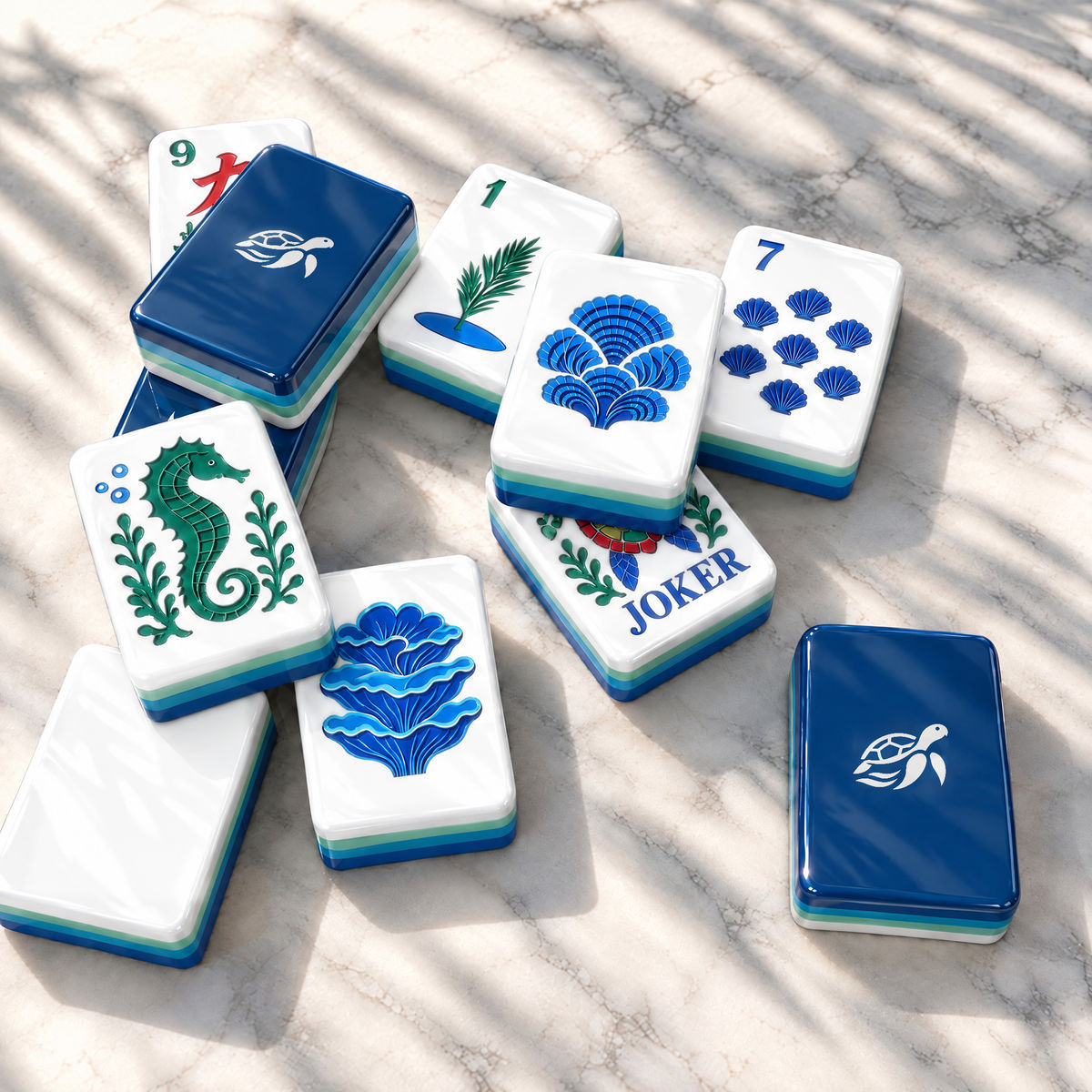
Acrylic and catalin are the two dominant tile materials for American mahjong sets today. Acrylic tiles are cast from liquid polymer, lightweight, and budget-friendly; catalin tiles are made from a thermosetting plastic that feels warmer, clicks louder, and resists staining better but costs more upfront. Acrylic dominates the US market because it's durable enough for weekly home play, affordable for gift-givers, and engraves cleanly. Catalin appeals to players who prioritize tactile richness and long-term resilience. Neither breaks easily in normal use. The choice depends on whether you prioritize cost and ease of care (acrylic) or authentic feel and minimal maintenance (catalin). Mahstead offers engraved acrylic sets in our best-selling collection, letting you customize designs while enjoying reliable play. 🀄 Shop best-selling mahjong sets →
What is acrylic, and why do most players choose it?
Acrylic is a transparent, lightweight thermoplastic polymer poured into molds and hand-painted or engraved after curing. Most American mahjong sets today use acrylic because the material is affordable, colorfast, and simple to customize with engravings or designs. Acrylic tiles feel smooth and slightly cool to the touch, stack compactly, and weigh little—making them ideal for players who move their sets between homes. The main trade-off: acrylic can absorb oils from skin over months of play, turning tiles slightly yellowed or dull if not wiped down after sessions. Acrylic is also less heat-resistant than catalin, so avoid leaving sets in hot cars. For casual and intermediate players hosting weekly games, acrylic is the practical standard because it balances playability, durability, and value.

What is catalin, and who prefers it?
Catalin (also called Bakelite-type plastic) is a thermoset polymer that hardens into a denser, more rigid structure than acrylic. The material was historically used in vintage mahjong sets and carries a warmer, slightly amber hue. Catalin tiles produce a sharper, more resonant click when mixed or discarded—a sound many experienced players associate with authentic play. Catalin resists staining and oil absorption far better than acrylic; a quick rinse keeps them pristine for years. Catalin is also more temperature-stable and less prone to yellowing. The drawback: catalin is heavier, more expensive to produce, and harder to engrave with fine detail. Players who value the sensory experience of the game—the feel, the sound, the heft—and who play weekly or more often typically invest in catalin. Tournament players and collectors often prefer catalin for its longevity and unmistakable tactile presence.
🎁 See our most-loved mahjong sets & accessories →
How do they compare in durability and care?
Both acrylic and catalin tiles resist cracking and chipping during normal home play. Acrylic is slightly more forgiving if dropped because it's softer; catalin is harder and can chip if struck at an angle. Catalin wins on stain resistance: it doesn't absorb tea, coffee, or hand oils, so a simple wipe with a damp cloth restores it. Acrylic requires more vigilance—oils and liquids can penetrate the surface over time, requiring occasional gentle cleaning with mild soap and water. Neither material should be exposed to prolonged sunlight, extreme heat, or strong solvents. Catalin lasts longer without visible aging if stored properly. For a set played weekly over 10+ years, catalin will look newer. For casual play (monthly games, gifts for learners), acrylic holds up reliably with basic care. If you travel frequently or host games in different locations, acrylic's lighter weight and lower replacement cost make it the practical choice; if you're building a keepsake set for daily home play, catalin's durability justifies the investment.
Feature | Acrylic | Catalin |
Weight | Light | Heavier |
Feel | Cool, smooth | Warm, substantial |
Sound | Softer click | Sharp, resonant click |
Stain resistance | Moderate (absorbs oils) | Excellent (repels oils) |
Durability | 5–7 years with care | 10+ years with minimal care |
Engravability | Fine detail; highly customizable | Limited detail; bolder designs only |
Cost (basis) | Lower | Higher |
Best for | Casual play, gifts, frequent travel | Serious players, collectors, heirloom sets |
What should you check before buying?
Before committing to a set, confirm the tile material by asking the seller directly—many listings don't specify. If shopping for acrylic, check whether the tiles are cast and hand-painted (more durable and colorfast) or printed (paint can wear). Look at close-up photos of the tile surface and edges; rough or poorly finished edges indicate lower quality. Ask about the jokers and spare tiles: a 160-tile set includes spares for shipping protection, but confirm they're not added to play. Request photos of the engraving quality if personalization matters to you; acrylic holds fine detail, but catalin doesn't. Test the weight and feel in hand if possible—order a single sample tile if the seller offers it. Check the seller's storage and shipping method: tiles packed loosely or in paper can shift and crack during transit. For mahjong-specific advice, consult how to choose a mahjong mat if you're also upgrading your play surface; the tile material and mat material interact to shape the overall feel. Compare the actual product photos from your seller's site—not stock images—to see how light reflects off the tile surface, which reveals quality and finish.

How does material choice affect the game experience?
The tile material shapes every sensory moment of play. Acrylic tiles are quieter, lighter to shuffle, and easier to reach across the table—ideal for newer players or high-volume casual games. Catalin tiles demand slightly more hand strength to manipulate but reward you with a satisfying click that telegraphs intentionality and rhythm. Over a two-hour game, the sound and weight of catalin create a meditative, grounded experience that many players describe as "authentic." Acrylic games feel faster, lighter, more social—perfect for mixed-skill groups or family game nights. Catalin games feel slower, more focused, often played in quieter groups. The choice isn't about which is objectively better; it's about which pace and sensory feedback match your play style. If you're hosting weekly mahjong games and your group is growing, acrylic's accessibility and low cost per replacement tile make it a safer investment. If your core group plays the same set every week and values ritual, catalin rewards that commitment with enduring quality and presence.
✨ Find your Mahstead set — free US shipping →
What does the market look like right now?
Today's mahjong market is dominated by acrylic sets because they're affordable, customizable, and sufficient for most players. Catalin sets are harder to find and more expensive, making them a niche choice for collectors and serious enthusiasts. Engraved acrylic sets have surged in popularity as gifts because engravings are crisp, personal, and fully custom—difficult to achieve in catalin. Many sellers now offer both materials, but acrylic inventory vastly outpaces catalin. If you're shopping for a specific design or engraving, you'll find more options in acrylic. If you want catalin, you may need to special-order or buy from vintage sellers. The trend is toward personalization, so expect more acrylic options with bolder, more detailed engravings as time goes on. Catalin will remain the choice for players prioritizing longevity and sensory experience over cost. Our best-selling acrylic sets reflect current market preferences, and if you prefer acrylic's practicality for hosting regular games, that's the mainstream choice today.
Quick decision framework: acrylic or catalin?
Choose acrylic if:
You're a beginner or play casually (monthly or less).
Budget matters; you want a gift under a certain price.
You move your set between homes or travel with it.
You want engravable or fully customizable designs.
You prefer a lighter set for longer playing sessions without hand fatigue.
Choose catalin if:
You play weekly or more and value long-term durability.
You care deeply about the feel, sound, and weight of tiles.
You're building a set you'll use and treasure for 10+ years.
You want minimal maintenance (catalin resists staining and aging).
You prioritize authenticity and sensory experience over cost.
The practical answer: If you're unsure, start with acrylic. It's reliable, affordable, and plays beautifully. Upgrade to catalin only after you've played weekly for 6+ months and know you want the investment.
What to check before you buy
Confirm the material in writing before purchase—don't assume from photos alone.
Request close-ups of tile edges and surface to spot rough finishing or paint wear.
Ask how many jokers and spares the set includes and verify they're not added to play.
If engraving matters, ask for sample photos of the seller's work on the same material.
Check the box and packing method—loose tiles shift and crack in transit.
Read reviews from other players, not just buyers; players will flag durability issues.
Know the return policy in case tiles arrive damaged or the feel isn't what you expected.
If you're also upgrading your mat, match the tile material to your mahjong mat choice—catalin tiles glide smoothly on certain mat textures, while acrylic benefits from a mat with grip.
🀄 Shop best-selling mahjong sets →

FAQ
Can I mix acrylic and catalin tiles in one set?
Technically yes, but we don't recommend it. The two materials have different weights, sounds, and friction. Your shuffling and stacking rhythm will feel uneven, and the visual inconsistency will distract you mid-game. Buy one material for the full set.
How do I clean acrylic vs. catalin tiles?
Acrylic: wipe with a soft, dry cloth after each game; use mild soap and lukewarm water if tiles look dull; never soak. Catalin: same routine, but catalin can handle slightly warmer water and occasional gentle soap without damage. Both should dry completely before storage.
Will acrylic tiles yellow over time?
Yes, acrylic exposed to sun, heat, or frequent oil contact will yellow slightly over 2–3 years. Store your set in a cool, dark place in a bag or case and wipe after each game to slow the process. Catalin resists yellowing far better.
Are acrylic tiles louder or quieter than catalin?
Acrylic tiles are quieter; they produce a softer sound when shuffled or discarded. Catalin tiles click sharply and resonate—many players associate this sound with authentic mahjong. If you're hosting late-night games, acrylic's quiet nature may matter to your neighbors.
Can I engrave both acrylic and catalin?
Yes, both can be engraved, but acrylic accepts finer, more detailed designs. Catalin engravings must be bolder and simpler because the material is denser and harder to cut precisely. Show your engraver a photo of your preferred design and ask which material works best.
How much heavier is a catalin set compared to acrylic?
A full catalin set weighs roughly 30–40% more than acrylic due to the denser material. For frequent travelers or players with arthritis, acrylic's lighter weight is a significant practical advantage.
Do professional or tournament players prefer acrylic or catalin?
Most tournament settings use acrylic because it's standardized, affordable, and plays consistently. Some experienced home groups prefer catalin for its feel and sound. Tournament rules don't mandate material, so acrylic's practicality dominates.
What's the typical lifespan of each material?
Acrylic sets last 5–7 years with regular play and basic care. Catalin sets last 10+ years with minimal aging if stored properly. Lifespan depends on play frequency, storage conditions, and how often you wipe the tiles—careful players extend either material's life significantly.


View More
View More
View More
