
Mahjong Party Ideas in Oklahoma City: Host Like a Pro
Last updated: Nov 23, 2026
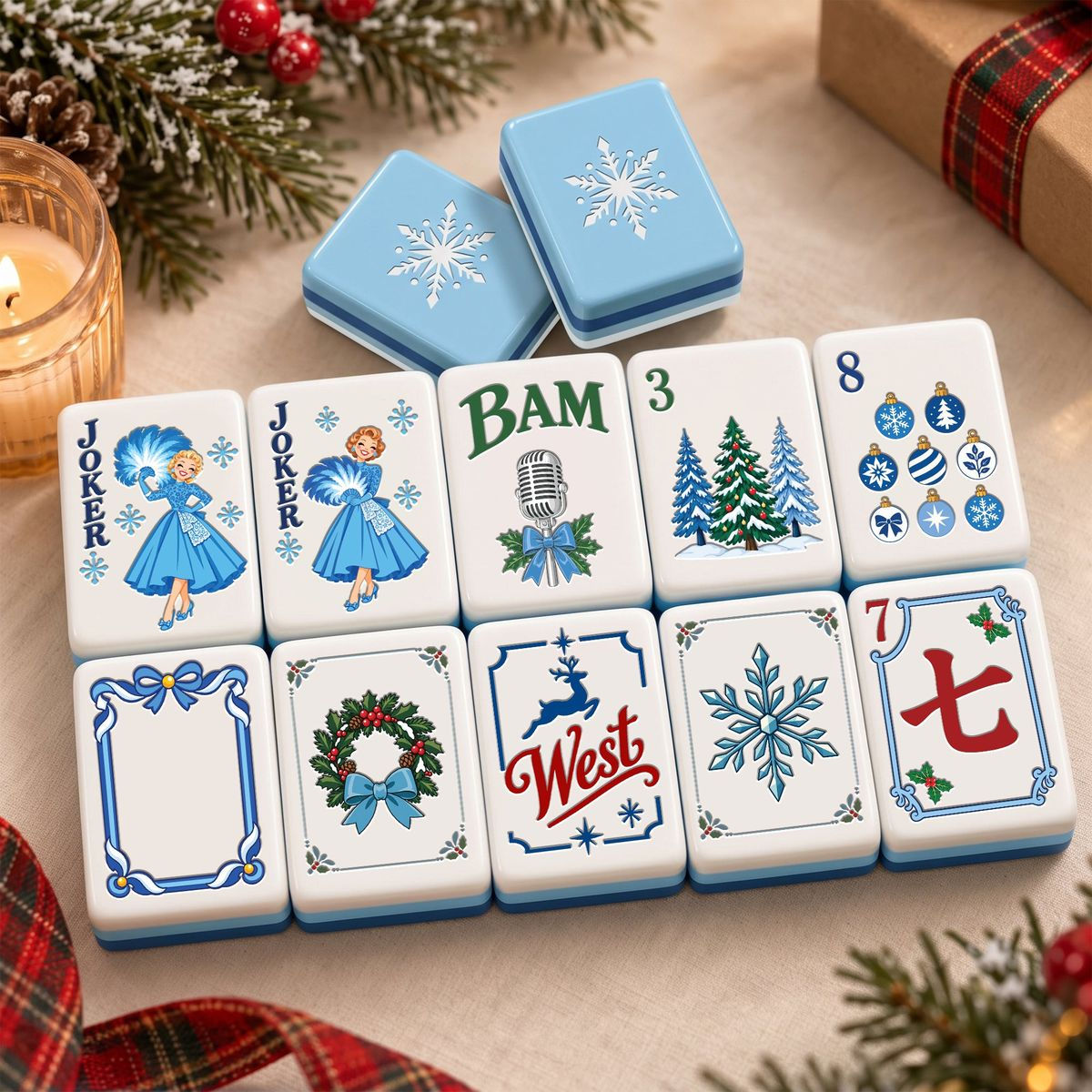
Oklahoma City hosts mahjong players across Midtown, Edmond, and Norman through community centers, libraries, and synagogues—check bulletin boards, Meetup, and Facebook groups to find existing games or post your own. A four-player American mahjong party needs one 160-tile set (152 tiles plus spares), a mat to protect your table, individual racks to hold tiles, score sheets, and the current year's National Mah Jongg League card. Plan for 2–3 hours per session; games last 10–20 minutes each. Beginners benefit from hosting at a table with good lighting and a designated scorekeeper to track rounds. The single biggest mistake is mixing rule variants—agree on American mahjong from the start, download a rules summary, and keep the card visible. New hosts often underestimate seating comfort; racks with pushers and a quality mat transform the experience from frustrating to smooth.
Where can you find mahjong players in Oklahoma City to invite?
Oklahoma City's mahjong scene lives in plain sight if you know where to look. Start with community centers in your neighborhood—OKC Parks and Recreation often runs game programs or can direct you to established groups. Public libraries, especially larger branches, post club meeting schedules and may host their own tables. Synagogues and Jewish community centers frequently welcome mahjong nights, even if you're not a member. Meetup.com and Facebook groups (search "Oklahoma City mahjong," "OKC mahjong players," or "Edmond mahjong") connect players looking for regular games. If nothing exists, post your own: "New mahjong game forming—all levels welcome, Thursdays 7pm" draws both experienced players and curious newcomers.
🀄 Shop best-selling mahjong sets →
What equipment transforms a casual game into a smooth hosting experience?
A proper mahjong setup separates "we enjoyed that" from "when's next week's game?" You need one 160-tile American mahjong set—that's 152 playing tiles plus spares in a durable case. A mahjong mat protects your dining table, defines the playing surface, and signals "this is serious." Individual racks with pushers let each player organize their hand without dropping tiles; pushers slide tiles smoothly instead of fumbling them. A printed score sheet (free online or buy a pad) eliminates mental math mid-game. The current year's National Mah Jongg League card sits in the center—every hand must match a pattern on that card. Dice (included in most sets) determine East seat and turn order. Poor lighting kills a game; position seats near a lamp or overhead light so everyone reads tile faces. A travel bag or case stores everything together, ready for your next week's hosting shift.

What's the easiest way to explain American mahjong rules to first-time players?
Tell new players: "You're building a matching hand from the card in front of us—everyone uses the same card, so it's fair. You draw one tile each turn and discard one. If your tile completes another player's hand, they win; otherwise we go around the table. No reading card? No hand. Simple." Walk them through the first hand live: deal 13 tiles to each player (from a shuffled set), show them the current card section, pick two matching patterns they recognize, and let them follow along. Skip the history and strategy talk at first—let them play two rounds before explaining advanced ideas like calling a tile (saying "pung" or "kong" when you want a discarded tile to complete a group). Watch their eyes: if they're excited, they understand enough. If they look blank, invite them to play as "observers" for one round, watching the winner's hand against the card. Read more about how to play American mahjong before your first hosting night.
🎁 See our most-loved mahjong sets & accessories →

How do you keep hosting costs reasonable while maintaining quality?
A single 160-tile set runs you one purchase—good for weekly games with the same four people or rotating groups. Mats and racks last years; one mat and four racks cover most homes. Free costs: print the card (National Mah Jongg League updates it every spring; grab it from their website or ask a player), find score sheets online, and designate one person to bring snacks on rotation. If hosting weekly, split costs among four players—each person brings one pot of coffee, a dessert, or snacks over four weeks. Engraved sets (personalized with your name or a funny title) cost a touch more but become collectible gifts and party talking points—they're not necessary, just memorable. The biggest money saver: use one good set forever rather than buying cheap sets that crack or lose tiles.
Setup Level | What It Includes | Best For | Why It Works |
Basic | Set + mat + score sheets | Teaching newcomers, casual home games | Low investment, room to grow |
Standard | Set + mat + 4 racks + case | Regular weekly host | Comfortable play, easy storage |
Premium | Engraved set + padded mat + racks + bag + scorepad | Annual tournament, lasting impression | Professional feel, durability |
What mistakes do first-time hosts make, and how do you avoid them?
Mixing rule variants. American mahjong is distinct from Chinese, Hong Kong, and Riichi—never combine them. Decide before inviting: "We play American mahjong using the National League card" and stick to it. Tell invitees so experienced players know what to expect.
Wrong tile count. A complete American game uses exactly 152 tiles plus 8 jokers. Sets sold as 160-tile include spares; do not add those spares into play. Count your set once, confirm it, then trust it.
Skipping the Charleston. The Charleston—a three-round tile-passing ritual—happens before each game. It feels fussy the first time; by game two, players love it. Never skip it; it's the heart of American mahjong. Learn the steps in our Charleston guide.
Poor seating arrangement. Seat players at a round or square table with equal leg room. Elbows need space. Low chairs or benches strain necks; use dining chairs. If someone's arm drapes over the mat's edge during their turn, the table is too small.
Forgetting snacks and pacing. Plan two 20-minute games, one 10-minute break with water and a snack, then two more games. Tired players make mistakes and quit early. A 90-minute session feels complete.
Not checking the card's year. The League card changes every spring. A 2025 card won't match a 2026 hand. Before hosting, confirm you have the current year and everyone sees the same card.
Assuming tie-breaking or scoring is obvious. A hand can be tied between two players; the official rules say East (first player) wins ties. Score correctly or players get frustrated—print a one-page scoring reference and keep it at the table.
What to check before you buy:
Your table fits a mat (most mats are 32–36 inches square; measure first).
Your storage closet holds a case (most cases are roughly 10 × 10 × 4 inches).
All four players have racks (four racks = four players; racks rarely sell individually).
Your mat is felt-backed so it doesn't slide on glass or laminate tables.
✨ Find your Mahstead set — free US shipping →
For deeper skill-building with your group, review our mahjong for beginners guide and how to read the mahjong card. Both are free, live on our site, and answer the questions players ask most often in week two. Many hosts also print a simple joker rules sheet (jokers replace any tile in a hand) and post it at the table—it stops disputes before they start.

FAQ
Is there an Oklahoma City–specific mahjong league or tournament I can join?
Oklahoma does not host a major organized league, but active community games meet year-round at libraries and community centers. Posting on Meetup or Facebook or visiting your local library's bulletin board will connect you to established players. Many travel annually to regional tournaments in nearby states.
Can I host mahjong with fewer than four players?
American mahjong traditionally requires four players. Two- and three-player versions exist but use modified rules and different tile counts. Most OKC groups stick to four-player games. See our two and three-player rules guide if your group is smaller.
How much does a quality mahjong set cost in Oklahoma City?
Prices vary by design and customization. See the current price on our best-selling sets page or explore engraved options. Local game shops in OKC may carry sets; compare designs and shipping before you buy.
What's the best way to teach a group of absolute beginners in one evening?
Play three demo hands before the real game: the first to show tile flow, the second to show calling (pung/kong), and the third to show how a winner matches the card. Keep a printed rule sheet handy and pause after each round to answer one question. Most players grasp American mahjong by game four. Patience and humor matter more than perfect explanation.
Do I need different sets for different group sizes or skill levels?
One 160-tile American mahjong set handles four players of any skill level. You do not need multiple sets. If hosting two separate games simultaneously (eight players total), you would need two sets, two mats, and two racks per set.
How do I find a mahjong mat that fits my specific table?
Measure your table length and width first. Most playing surfaces are 32–36 inches square. Review our mat selection guide to match mat size to your table, and confirm the mat's felt backing grips your table surface without slipping.


View More
View More
View More
