
Where to Play Mahjong in Salt Lake City: Clubs, Groups & Community
Last updated: Nov 23, 2026
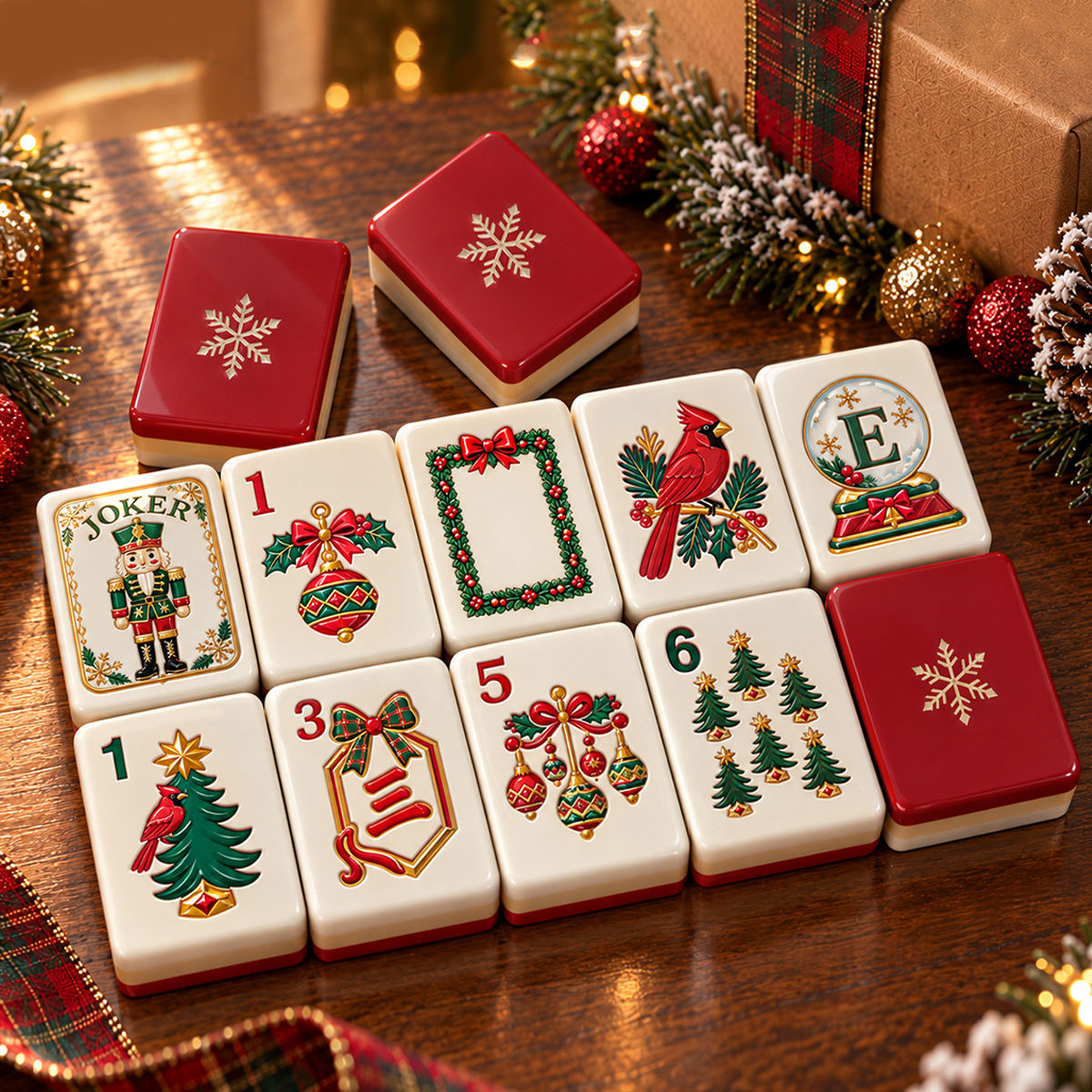
Salt Lake City doesn't have a single designated mahjong hall, but the community is strong and scattered across libraries, community centers, synagogues, country clubs and informal home groups. Start by checking the events boards at Salt Lake City Public Library branches—many host board game nights that include mahjong—or browse community center schedules under "games" or "seniors activities." Synagogues and country clubs often have regular Thursday or Friday game nights; call ahead to ask if mahjong is played. Ask your local game shop or café whether they know of weekly meetups. The fastest path is Meetup.com or Facebook groups: search "Salt Lake City mahjong" to find active players who organize games. Most groups play American mahjong on current-year National Mah Jongg League cards, welcome beginners if you bring a willingness to learn, and meet weekly or biweekly. Expect a friendly, skill-mixed table and games lasting one to two hours. Many hosts provide sets, but bringing your own ensures you're comfortable with the tiles.
Where do most Salt Lake City mahjong groups meet?
Library branches host open board game nights on rotating schedules; call ahead to confirm mahjong tables. Community centers run game programs year-round, especially in winter. Synagogues and country clubs often have standing Thursday groups. Home-based weekly games are the most common—ask around at local game shops or check Meetup. Private groups sometimes invite newcomers through Facebook or neighborhood apps. The best entry point is your local library's game coordinator or a Meetup organizer. Most groups don't require registration; just show up or message the host.

What do Salt Lake City players expect from beginners?
Most Salt Lake City groups welcome newcomers and will teach you the rules. Bring the current-year National Mah Jongg League card or ask if the host provides one. Arrive 10–15 minutes early to learn tile notation (which mahjong rookies often find confusing). You don't need to be "good"—you need to show up, stay for the full game, and be willing to ask questions. Experienced players enjoy teaching; expect gentle corrections, not criticism. Most groups are women-dominant (70–80% in many areas) and social-focused; the goal is friendship as much as play. Don't stress about scoring on your first night—focus on understanding how to read the card and what a pung looks like.
How do I know if a group is right for me?
Visit once before committing. Watch the speed: do players move slowly with lots of teaching, or fast with minimal chat? Note the tone—is the table laughing and relaxed, or serious and quiet? Ask about the ruleset: American mahjong is standard in Salt Lake City, but confirm they're not playing Hong Kong or Riichi (different games entirely). Check the meeting time and frequency against your schedule. A good group feels welcoming and plays at a pace where you're not lost. You don't need to play at the same venue every week; many players rotate among three or four groups depending on the night and company.

Should I buy my own set or rely on the host's?
Decision | Who It's For | Why It Works |
Host provides | Casual visitors, first-timers | Low commitment; test-drive before buying |
Bring your own | Weekly regulars, serious learners | Familiarity with tile weight, sound, arrangement; builds confidence |
Split hosting | Experienced players | You bring one week, host brings the next; reduces setup burden |
Buying your own set makes sense once you're playing weekly. You'll recognize your tiles faster, enjoy the ritual of handling them, and feel less dependent on someone else's organization. A mahjong set with rack and pushers removes the mental load of tile management; your brain can focus on the card instead of balancing tiles in your hands. Most Salt Lake City players own one set and use it for home games; hosts often have a spare for guests.
🀄 Shop best-selling mahjong sets →
What if I want to host my own game night?
Start small: invite three friends who've played before or are willing to learn. Set a regular day (Thursday evening works well). Provide snacks, a clean mat or table, the current-year card, a set with spares, score pads, and pens. A mahjong mat keeps tiles organized and speeds up the game—especially if your table is small or wobbly. Arrive 30 minutes early to shuffle tiles and do the Charleston. Expect the first game to take 90 minutes while players warm up. By week three, your group will hit its rhythm. Once you have a stable core, post on Meetup or a neighborhood app; players often flock to hosts who are consistent and welcoming. You don't need fancy equipment—a mat, a playable set, and a good attitude are enough to build a strong weekly game.
🎁 See our most-loved mahjong sets & accessories →
What are common beginner mistakes to avoid in Salt Lake City games?
Calling tiles before checking the card. Always look at the card first. Many newcomers hear "pung" and call without seeing if it's a valid hand. Playing too fast to keep up. Sit out the first game if you need to, or ask the host for a slower table. No one wins a ribbon; the goal is learning. Forgetting the joker rules.Jokers in American mahjong can substitute for any tile in a pung, kong or longer exposure, but never in a pair or as a single. Not tracking discards. The most common error—remember what players threw; it tells you what they don't need. Comparing yourself to others. Everyone's been confused. Players who've played for 10 years still forget the card on week one.
What to check before you buy
If you're ready to own a set, decide on size and style first. Do you want bright modern tiles, classic engraved ones, or a travel-friendly compact set? Check the number of jokers—American mahjong uses exactly 8 jokers in play; confirm the set you're eyeing has them. Consider a mat if you're hosting—it protects your table and speeds games by keeping tiles upright and organized. Think about storage—if you'll carry your set to friends' homes, a case or bag saves frustration. Plan for spares—extra jokers or blank tiles come in handy when one cracks (tiles do break after years of play).
✨ Find your Mahstead set — free US shipping →

FAQ
Do I need to know American mahjong before joining a Salt Lake City group?
No. Most groups welcome complete beginners and will teach you the basics on day one. Bring the current-year card, arrive early, and let the host know you're new. Experienced players expect to answer questions and enjoy teaching; it's part of the culture.
What's the difference between American mahjong and other versions?
American mahjong uses a standardized card (released each spring), 152 tiles with 8 jokers, and no sequences (chows). You can only expose groups of three, four, five or six identical tiles. Other variants like Chinese or Hong Kong mahjong use different hands, joker rules and tile counts. Salt Lake City groups play almost exclusively American, so you'll rarely encounter other versions.
How much does it cost to join a weekly mahjong game?
Most casual groups in Salt Lake City don't charge—they're hosted in homes or community spaces. Some country club or synagogue groups may ask a small fee to cover the space rental, but call ahead. Scoring (payment between players) varies: ask the host whether your group plays for points only, or whether winners collect small amounts from losers.
Can I join multiple groups in Salt Lake City?
Absolutely. Many experienced players rotate among three or four groups depending on the night, venue and company. This lets you find your "home" table and keeps the game fresh. Most groups are relaxed about people attending other games; just be consistent with the group you commit to.
What should I bring to my first game?
Bring yourself, a willingness to learn, and ideally pen and paper for scoring. Ask the host whether you should bring anything else—most provide the card, set and snacks. If you own a set and want to use it, ask first; some hosts prefer consistency with their equipment.
Where can I find beginner-friendly rules and practice?
Check out mahjong for beginners and how to read the mahjong card online before your first game. Watching one full round before you play is the best practice. Salt Lake City groups expect to spend 20 minutes teaching before game one starts.


View More
View More
View More
