
Mahjong Party Ideas in Honolulu: Host & Learn
Last updated: Nov 23, 2026
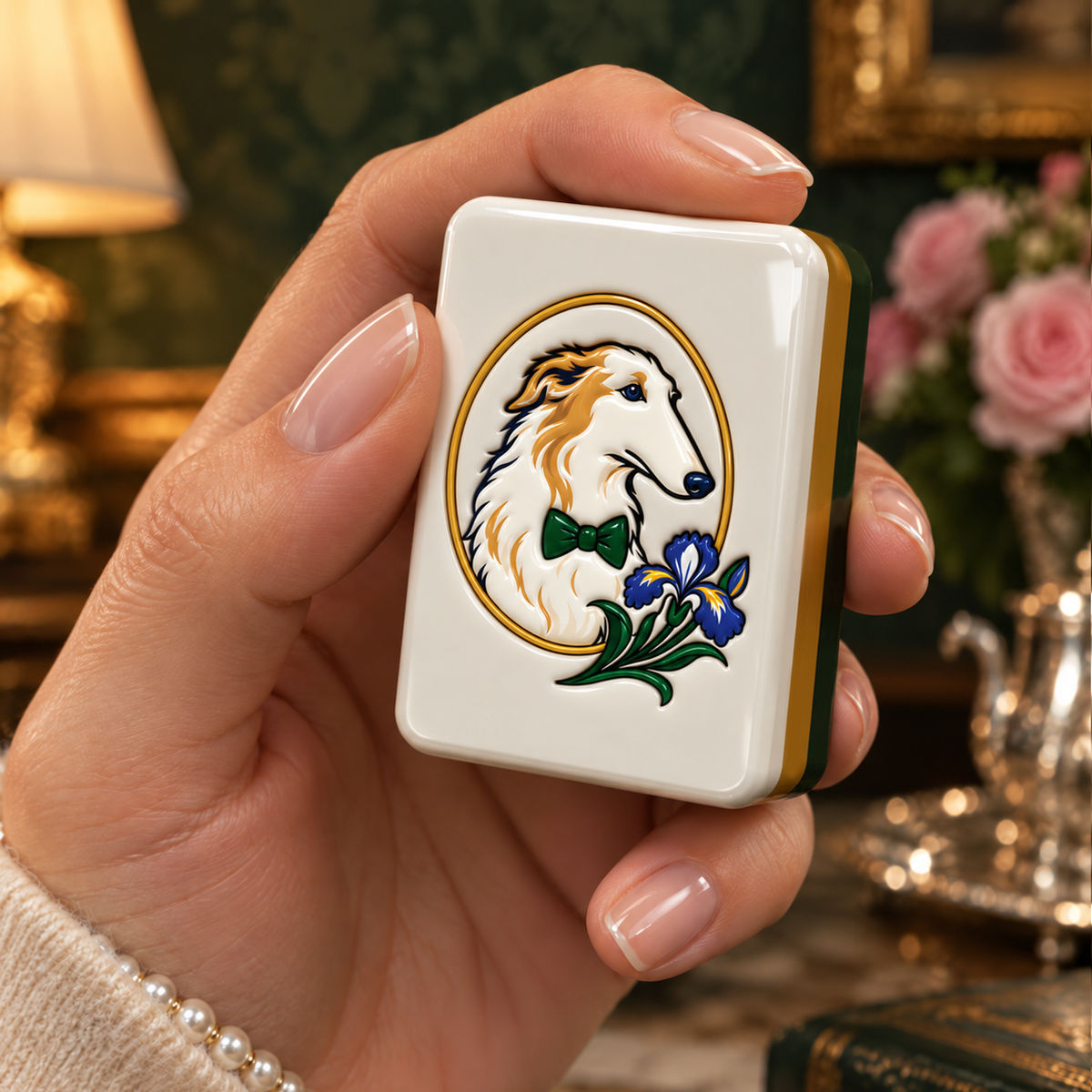
Mahjong parties in Honolulu thrive in community centers, libraries, synagogues, country clubs, and private homes. Start by finding a group through Meetup, local recreation departments, or by asking at community bulletin boards; many established players welcome newcomers to casual Thursday or Saturday evening games. A standard four-player American mahjong party runs 2–4 hours and requires one 160-tile set, a mat, pushers, racks, and snacks. Beginner games often use simplified scoring or skip the Charleston, the tile-passing opening ritual. Expect to learn the basic hand structures from the National Mah Jongg League card within your first session. Costs depend on how serious you get: casual home play with borrowed or basic sets costs nothing; hosting with personalized sets and mats adds comfort and lasting memories. 🀄 Shop best-selling mahjong sets →
How do you find an existing mahjong group in Honolulu?
Honolulu has a mature, active mahjong community. Check Meetup.com for "mahjong" and filter by your neighborhood; many groups meet weekly and welcome visitors for their first game free. Contact the Honolulu Parks and Recreation department about community center classes—these often run Tuesday or Thursday evenings and bundle learning with a social hour. Libraries, particularly Kailua and Aiea branches, sometimes host game days or bulletin boards listing private groups. Synagogues and country clubs on the island frequently host mahjong nights; call ahead to ask if they accept new players. For faster entry, ask coworkers or neighbors directly—you'll be surprised how many households in Honolulu have a set tucked away.

What's the difference between hosting a casual game and a tournament-style night?
A casual game prioritizes fun, conversation, and flexibility—players show up around 7 p.m., play 2–3 hours, settle small stakes or play for free, and adapt rules on the fly if someone forgets a detail. Tournament-style uses the current National Mah Jongg League card strictly, enforces the full Charleston, applies official scoring rules, and often tracks points across multiple games. Casual games suit beginners and neighborhood groups; tournament style serves competitive players who meet monthly or quarterly. Most Honolulu home hosts run casual games; tournament play typically happens at established venues or clubs. Start casual—you'll know within three sessions if you want to move to tournament rules. Either way, a good mat and pushers speed up play and reduce disputes over tile placement.
What equipment do you need to host a mahjong party at home?
A four-player game needs one complete 160-tile American mahjong set (152 tiles for play, plus spares). Add a mat to protect your table and make tile-sliding easier—especially important on Honolulu's humid nights when wood or laminate gets sticky. Each player benefits from a rack with pushers to hold and move tiles without fumbling; this is where a lot of new hosts underestimate comfort. A bag or case keeps everything protected if you're transporting the set between homes or storing it long-term in tropical humidity. A score pad and pencils, a timer (optional but helpful for teaching), and snacks complete the setup.
🎁 See our most-loved mahjong sets & accessories →
Item | Why It Matters | First-Timer? | Upgrade? |
160-tile set | Holds all pieces, spares included | Yes—essential | Engraved or themed design |
Mat | Protects table, eases tile movement | Yes—highly recommended | Thicker, larger, custom color |
Racks + pushers (set of 4) | Reduces fumbling, speeds play | Yes—saves time | Bamboo or premium acrylic |
Bag or case | Protects during transport, storage | Optional initially | Soft case for frequent movers |
Score pad + pencil | Tracks points clearly | Yes—free alternative to app | Printed score sheet |

How do you teach American mahjong rules at your party?
Spend the first 20 minutes walking everyone through the current year's National Mah Jongg League card—show how to read it, highlight a few "easy" hand patterns (a full pung, a pair, a simple exposed kong), and explain that a hand must match exactly. Demonstrate the Charleston (the tile-passing ritual before the game begins) once slowly, then repeat it; most confusion happens here. Teach scoring last, after a few rounds—beginners focus better on pattern matching first. Use our beginner guide as a handout or quick reference on your phone. Allow 30 minutes for the first round; speed picks up quickly. Never skip the rule that jokers cannot be used as a single tile or a pair—this trips up almost every new player. If someone's overwhelmed, let them skip scoring the first game and just focus on calling "Mah Jong" when they win.
What snacks and drinks work best for a Honolulu mahjong night?
Offer finger foods that don't require two hands: nuts, crackers, cheese, fruit, cookies. Avoid greasy chips or messy foods—mahjong tiles pick up oils and become slippery. Keep water, tea, and light beverages within arm's reach but away from tiles; a spilled drink derails the whole night in humid weather. Many Honolulu hosts serve local favorites: spam musubi, mochi, or kalua pork sliders. Beer and wine are common for evening games, but set a rule: no drinks directly on the playing surface. A small snack refresh halfway through a 3-hour session keeps energy up without disrupting the flow. Ice is your friend in Honolulu—drinks warm quickly. Simple is best: the food should never compete with the game.
What's a realistic first-timer's checklist before your party?
Set the date and send invites 2 weeks ahead. Give people time to confirm or decline; Honolulu's social calendar fills fast.
Confirm your guest count and the National Mah Jongg League card year (changed every spring). All four players must use the same card or the game won't work.
Test your mat and set. Spread all 152 tiles, ensure nothing's missing or cracked, and practice the Charleston motion with a friend so you can demo it smoothly.
Arrange seating to maximize comfort. Mahjong is played for 2–4 hours; use four chairs with back support and a table 30–36 inches high. Honolulu humidity means everyone sweats—good ventilation or AC helps.
Set a house rule about scoring. New players often forget—decide in advance: play for free, use poker chips, or track points on paper. Write it down and show everyone before you start.
Prepare a simplified version of one hand pattern from the card as an example. New players learn by seeing, not reading.
Have a phone-friendly FAQ or bookmarked guide (like our rules explainer) so you're not fielding the same question twice.
Set a start time and stick to it. Latecomers derail the Charleston; start at 7 p.m. and mean it.
What to Check Before You Buy
If you're hosting regularly in Honolulu, invest in quality mahjong sets and mats designed for American play. Generic or imported sets often contain the wrong tile mix (144 tiles instead of 152, or missing jokers), which breaks the game immediately. Acrylic tiles and mats handle humidity better than bamboo or fabric in tropical conditions. Check that your set contains exactly 152 playing tiles—no more, no less. A travel bag makes sense if you rotate between homes or store outdoors. Consider sets with engraved titles or themes; they're conversation starters and make your party feel intentional.
✨ Find your Mahstead set — free US shipping →

FAQ
Where in Honolulu do mahjong groups meet most often?
Community centers (check Parks & Recreation), libraries, synagogues, country clubs, and private homes. Meetup.com lists active groups by neighborhood. Most meet 1–2 times weekly during evening or weekend hours.
Can I host a mahjong party if I've never played before?
Yes. Read our beginner guide, watch a 10-minute tutorial online, and spend 30 minutes learning the card. Teaching others actually solidifies the rules for you. Start with casual, rule-light games.
How much does it cost to start hosting mahjong at home?
A 160-tile set runs reasonable money (see current prices on our best-selling collection). A mat, racks, and bag add comfort but are optional for casual play. Total investment is one-time and covers years of parties.
Do I need the current year's National Mah Jongg League card?
Yes. The card changes every spring; all players must use the same year's card or hands won't match. Most groups have an extra copy or can e-mail a photo. Ask before your first game.
How long does a typical mahjong party last?
Plan 2–4 hours: 20 minutes setup and rules, 30 minutes first round, 90–180 minutes of play depending on how many games and how chatty your group is. Honolulu's heat means breaks help—stop for snacks and AC.
What's the best mat for Honolulu's humid climate?
Acrylic or laminated mats handle moisture better than fabric. Choose one with non-slip backing; Honolulu's humidity makes surfaces slippery. A mat also muffles tile noise, which your neighbors appreciate. Compare styles and sizes here.


View More
View More
View More
