
Mahjong Clubs in Scottsdale: Where to Play & How to Start
Last updated: Nov 23, 2026
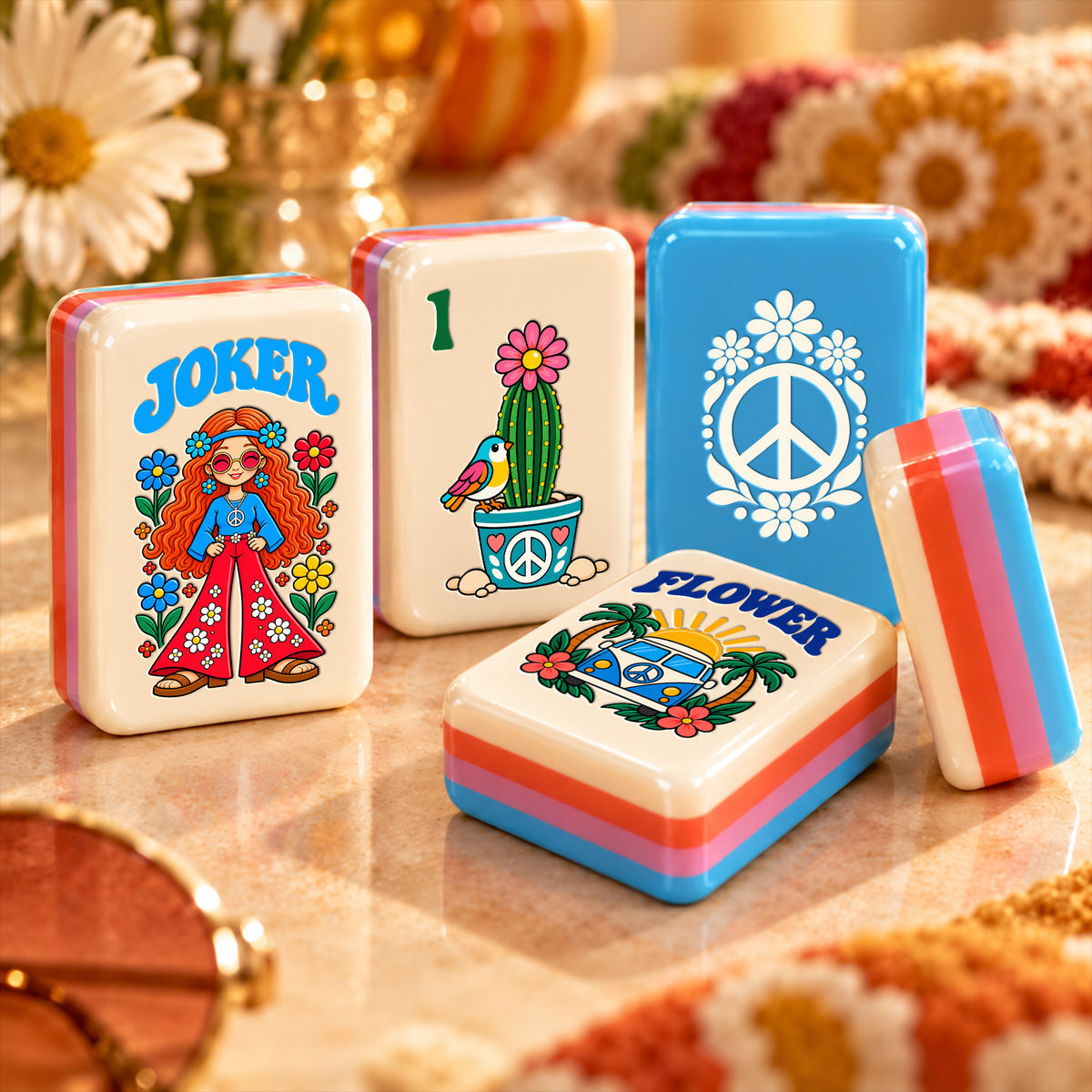
Mahjong clubs in Scottsdale meet regularly at public community centers (check Parks & Recreation schedules), libraries, synagogues, and country clubs—especially in north Scottsdale and Old Town areas. Most welcome beginners and teach American mahjong, the 152-tile variant played with the National Mah Jongg League card updated each spring. Games typically run weekday afternoons or evenings, 2–4 hours per session; beginners should expect friendly coaching and no buy-in pressure. Before visiting, confirm the club plays American mahjong (not Chinese variants), confirm start times, and ask if you should bring a set or if one is provided. Many Scottsdale groups are casual, social-first, and welcoming to newcomers—call ahead rather than dropping in, since some operate by membership roster or seasonal schedules.
Scottsdale's desert climate and active retiree community make it ideal for mahjong. You'll find players year-round, especially October through April when snowbirds arrive. The key is knowing where to look and what to bring on your first visit.
Where Do Mahjong Clubs Meet in Scottsdale?
Scottsdale clubs operate in three main settings: public community centers run by the Parks & Recreation Department (Old Town, North Scottsdale, and Scottsdale Community College areas), public libraries (Scottsdale Public Library system—call ahead for game schedules), and private clubs like country clubs and synagogues (many host afternoon sessions). A smaller number meet in senior centers or church fellowship halls. Start by calling your nearest community center's front desk and ask, "Do you host or have a bulletin board for mahjong groups?" Libraries often have bulletin boards where players post meeting times and contact info. Synagogues in the Old Town and North Scottsdale areas frequently sponsor games; check their websites' calendar or call their office. The most reliable method: search "Scottsdale Parks & Recreation classes and programs" online, filter for recreation, and look for mahjong in the season catalog (updated quarterly). If you find nothing, call the main Parks office directly—staff can direct you to informal groups that meet at rec centers but are not advertised as city classes.

What Can You Expect at Your First Game?
American mahjong clubs in Scottsdale follow standard rules: four players, one hand dealt per round, tile-passing ritual called the Charleston at the start, and hands drawn from that year's National Mah Jongg League card. Most clubs play for fun (no money or low stakes only), welcome rank beginners, and assign an experienced player to sit beside or near you for the first game to explain the Charleston, how to read the card, and basic play. Expect 2–4 hours per session; sessions usually start and end on a fixed schedule. First-timers should arrive 15 minutes early to meet hosts, ask about house rules (some groups allow jokers in different positions; others play stricter rules), and confirm whether you bring a set or use the club's house set. Clubs in Scottsdale tend to be low-pressure and social; games often include snacks, chat between hands, and genuine interest in helping newcomers. No club will judge you for learning. Learn the core rules before you arrive so you can focus on the social rhythm and the card.
How Do You Prepare Before Joining?
Preparation is simple but important. First, understand what's in an American mahjong set—152 tiles split into three suits (Bams, Craks, Dots), winds, dragons, flowers, and jokers. You don't need to memorize all tiles, just recognize that a pung is three identical tiles, a kong is four, and a chow (sequence like 1-2-3) is not playable in American mahjong (a key difference from Chinese mahjong). Second, study how to read the card—the National Mah Jongg League card is a grid of hand patterns; your job is to collect 14 tiles matching one pattern and call "mahjong." Third, watch a beginner video or ask the club host to walk you through the Charleston (the four-way tile exchange before each hand). Fourth, practice counting points; most Scottsdale clubs use official American mahjong scoring. Arrive 15 minutes early to your first session so the host or an experienced player can do a mini-teach-in. Bring a notepad to jot down house rules or clarifications. That's all. You don't need to be fast or skilled—you just need to show up curious and willing to learn.
What Equipment Should You Bring or Ask About?
Most established clubs in Scottsdale provide house sets (acrylic or bone/bamboo), racks with pushers, and mats, so you don't need to bring anything on your first visit. However, confirm this when you call. If you decide to join regularly, you have two options: buy your own set to keep at home and practice, or use the club's. Our best-selling acrylic sets are durable, lightweight, and ideal for beginners or hosts who want a set that lasts through weekly play without worry. If you'd prefer to own your set later, ask the club what they use—some groups have strong preferences for acrylic (quiet, easy to clean, no cracking) versus bone/bamboo (traditional, but heavier and prone to chipping). For hosting your own games at home once you learn, you'll eventually want a quality mat (protects tiles and saves table surface), racks with pushers (speeds up play and keeps tiles organized), and a travel bag or case if you attend multiple clubs. None of this is urgent for your first visit.
🀄 Shop best-selling mahjong sets →

Are There Different Mahjong Variants in Scottsdale?
Yes. Scottsdale clubs play almost exclusively American mahjong, the variant using the spring-updated National Mah Jongg League card, 152 tiles, and strict hand patterns. Some clubs or visiting players might mention Chinese mahjong (144 tiles, sequences called and exposed live, jokers optional, open melding rules differ), Hong Kong mahjong (similar to Chinese but with variant scoring), or Riichi (Japanese, complex betting). Ask the club upfront: "Do you play American mahjong or another variant?" Nearly all Scottsdale groups are American-only, especially in rec centers and libraries where beginners dominate. If you stumble onto a group playing Chinese or another variant, you can still attend, but the learning curve is steeper—American is the best start for Scottsdale newcomers. Don't assume all mahjong is the same; verify the variant before your first visit so you come prepared mentally.
🎁 See our most-loved mahjong sets & accessories →
How Do You Know a Club Is Right for You?
Aspect | What to Ask | Red Flag | Green Flag |
Skill Level | Do you teach rank beginners? | "You should already know how to play." | "We'll pair you with an experienced player." |
Pace | How fast does play move? | Rushing through or impatient sighs | Relaxed, 30+ min. per hand, chat between rounds |
Cost | Is there a fee or buy-in? | Surprise charges or pressure to bet | Free or low donation; clear upfront |
Schedule | What are the exact start/end times? | Vague or changes weekly | Fixed: e.g., "Tuesdays 1–4 PM year-round" |
Rules | What variant—American, Chinese, or other? | "We mix it up." (confusing for beginners) | "American, National Mah Jongg League card." |
Commitment | Do I need to join a season or attend every week? | "You're on a roster and must attend all sessions." | "Drop in whenever; no commitment required." |
The healthiest clubs make teaching and fun their priority over speed or formality. If a group feels unwelcoming, pushes you to spend money, or rushes play, try another. Scottsdale has enough active players that a good fit is nearby.
What to Check Before You Buy Your Own Set
If you decide to purchase a set after a few club visits, here's a checklist to avoid common mistakes:
Verify the count: American mahjong is played with exactly 152 tiles and 8 jokers. Sets labeled "160-tile" include 8 spare tiles (extra jokers and/or blanks not used during play). Never buy a 144-tile or 166-tile set unless you're sure the group plays a variant; 152 is standard for American.
Pick a material: Acrylic is durable, quiet, lightweight, and best for beginners or frequent play. Bone and bamboo are beautiful and traditional but heavier, louder, and prone to cracking. For weekly club play, acrylic wins.
Confirm tiles are readable: Engraved acrylic sets allow you to customize with names or year, and they age well (no paint chipping). Check that the suit symbols (Bam, Crak, Dot) are clear and not too small to read quickly.
Get a mat and racks: Buy these at the same time if you're setting up for home play or hosting. They're not optional—a mat protects your table and tiles, and racks keep hand organization smooth and fast.
Ask the club for a recommendation: Many hosts have a preferred brand or vendor. Take their advice; they've used multiple sets and know what holds up.
✨ Find your Mahstead set — free US shipping →
Scottsdale's mahjong community is welcoming and active. Your first step is a single phone call to your nearest rec center or library. Arrive with curiosity, ask questions, and enjoy the game. Most clubs welcome newcomers precisely because they love sharing it.

FAQ
How do I find a specific club meeting time if the city website doesn't list mahjong?
Call the Parks & Recreation phone line directly and ask for staff who manage rec center room rentals or drop-in programs. Informal groups often meet but aren't listed online. Libraries and synagogues are your next stops; ask staff if they know of local groups or have contact cards posted.
Is American mahjong the same as Chinese or Riichi mahjong?
No. American mahjong uses 152 tiles, a spring-updated card, four players, and no exposed sequences (chows). Chinese uses 144 tiles, open melding, and jokers work differently. Ask your club which variant they play before your first visit.
Do I need to buy a set before I start playing in a club?
No. Most clubs provide house sets for beginners. Bring nothing on your first visit—just confirm with the club host. If you join regularly, you can buy your own set later.
What's the Charleston, and why is it important?
The Charleston is the tile-passing ritual before each hand. Each player passes tiles to the right, then left, then right again. It randomizes your starting hand and is mandatory in American mahjong. Your host will teach it on your first day.
How much money should I bring to a Scottsdale mahjong club?
Most Scottsdale clubs are free or ask a small donation (under $10) for refreshments or room rental. Ask when you call. Some clubs play for stakes (low money), so clarify the group's culture upfront.
What if I'm visiting Scottsdale for just a few weeks—can I still join?
Yes. Casual drop-in clubs welcome visitors. Call ahead and ask if the group allows walk-ins or if you need to be introduced by a member. Many groups are open to snowbirds (October–April).


View More
View More
View More
