
Mahjong Party Ideas in Detroit: Games, Setup & Hosting
Last updated: Nov 23, 2026
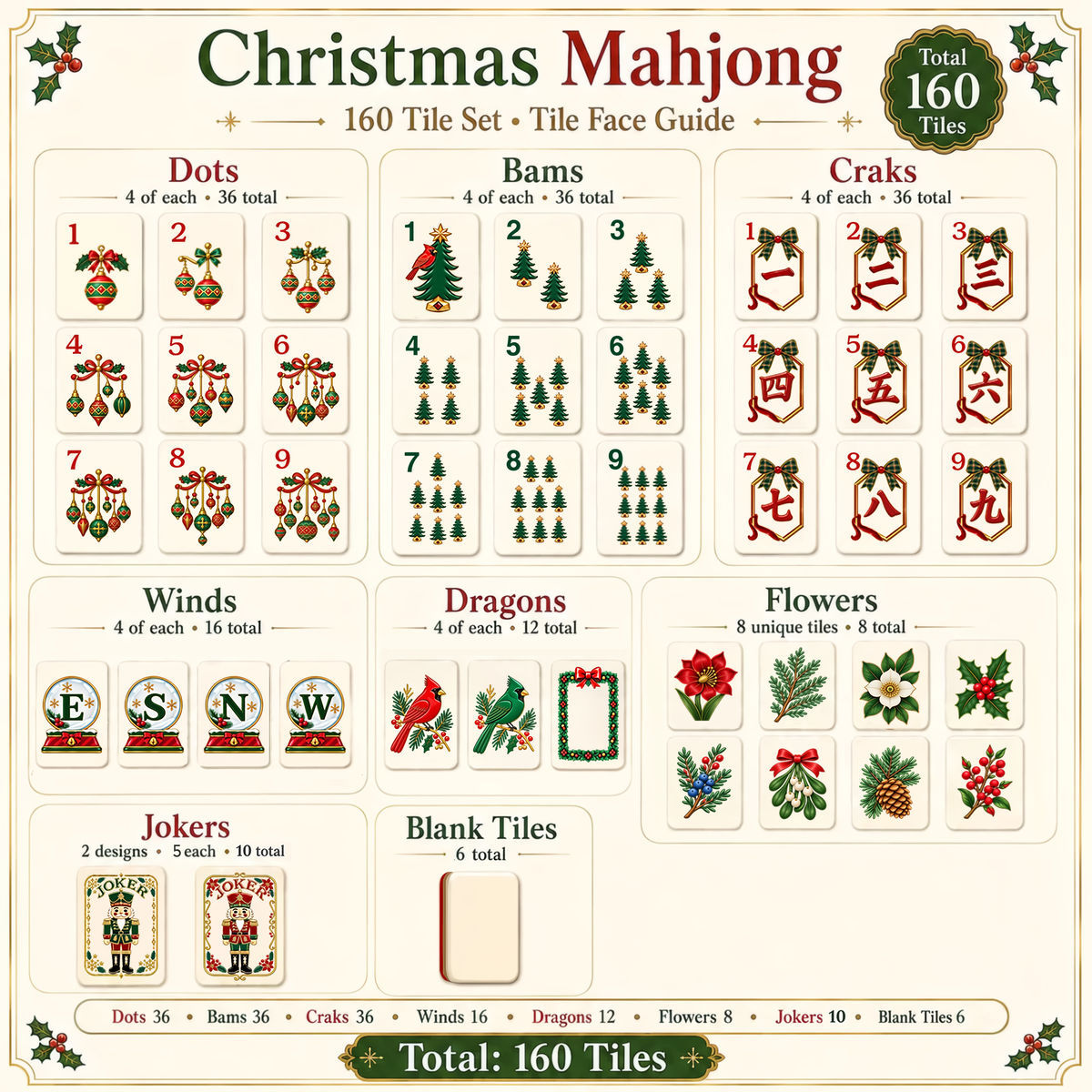
Detroit's mahjong scene thrives in community centers, synagogues, libraries, and informal home networks across neighborhoods like Cass Corridor and the Grosse Pointes. To host a party, invite 3 other players for a full American mahjong game (standard play uses 152 tiles), ensure everyone has access to the current National Mah Jongg League card, and set up a quiet table with good lighting. Plan for 2–3 hours; serve light snacks and drinks between rounds. You'll need a durable playing surface, racks to organize tiles, and a high-quality acrylic set—most Detroit hosts prefer best-selling mahjong sets that withstand weekly play. Avoid hosting with fewer than four players unless you learn 2–3 player variant rules first. The National Mah Jongg League card changes yearly, so confirm your guests use the 2026 card to avoid hand-call disputes.
Where do Detroit mahjong players gather?
Detroit's mahjong community meets through synagogues on the west side (Jewish Mahjong is deeply rooted here), community centers listed online via the City of Detroit Parks & Recreation department, and library event boards. Check the Detroit Public Library website for game nights or community bulletin boards; ask at your synagogue or country club about standing games. Many players also post on Meetup and Facebook groups dedicated to Detroit gaming. Word-of-mouth remains your fastest path—tell friends you're hosting and ask if they know active players. Start with people you trust; a stable four-player group is the foundation of every weekly game.

What's the best setup for a Detroit home mahjong night?
A proper table setup takes ten minutes but transforms the evening. Position the table in a quiet room with overhead or ambient lighting (harsh fluorescents tire eyes). Seat players so everyone faces the wall, not a window or doorway. Place the tile rack in front of each player; most Detroit hosts use mahjong racks with pushers to keep tiles organized and prevent accidental reveals. Spread the mahjong mat in the center—it protects your table and keeps tiles from shifting. Set out the current National Mah Jongg League card at each seat, a notepad for scoring, and a small discard pile area. Fill a water pitcher and leave the snacks in a nearby sideboard to minimize distractions. The Charleston (the tile-passing ritual before play begins) takes about three minutes, so allow time for it in your schedule.
How do you guide first-time players through a full evening?
Start by walking through how to play American mahjong if anyone is new. Spend five minutes explaining the Charleston—the passing sequence that feels awkward the first time but becomes second nature. Deal the first hand and play it slowly; pause to show how to read the National Mah Jongg League card and identify a legal hand. Let inexperienced players ask questions without penalty during hand one. In hand two, play at normal speed. By hand three, everyone is comfortable. Break for fifteen minutes mid-evening; people need to stretch and your tiles need a reset. Keep score on paper (not mental math) so learning players can track their progress. Experienced players rarely complain about a slower first round if the energy stays warm and encouraging.
What gear makes hosting easier—and worth the investment?
Item | Best For | Why It Works | Essential? |
High-quality acrylic tile set | Any regular home game | Tiles don't scratch; numbers stay visible after 50+ plays | Yes |
Padded tile mat | Protecting your table | Absorbs noise, prevents shifting, signals the game zone | Yes |
Racks with pushers (set of 4) | Organizing individual hands | Players never accidentally reveal tiles; pushing tiles stays smooth | Highly recommended |
Tile bag or case | Storing between games | Keeps tiles dust-free; transporting to other homes | Nice to have |
Scorepad & pen set | Recording hands & totals | No disputes about running score | Yes |
Most Detroit hosts we know play weekly and invested in a single best-selling mahjong set that's lasted three years. Acrylic tiles sound crisp (players enjoy the snap of a kong), sit flat, and feel professional—they cost more upfront than plastic, but you won't replace them. A cloth or leather bag protects your set if you travel to other homes. Racks with pushers aren't required, but they prevent rookie mistakes like a tile slipping and showing early. If you host regularly, a mat is non-negotiable—it saves your furniture and muffles the tile noise, which apartment neighbors appreciate.
🀄 Shop best-selling mahjong sets →

How do you keep the energy and pacing right over three hours?
The first hand sets the tone—keep it upbeat and clear even if it runs long. By the second hand, rhythm emerges; most hands finish in 15–20 minutes once everyone knows the card. After two hours (roughly six to eight hands), play a shorter, lighter round where players relax the rules slightly—some hosts play "exposure" games where you can see others' racks, or "no-flower" variations. Serve snacks during the break, not during play. Music at very low volume (jazz, ambient instrumental) can help; turn it off during tense endgames. Celebrate wins enthusiastically but keep losses light—someone always busts a hand or gets close and doesn't make it. Detroit players value the social part as much as the winning part, so laugh together, tell stories between rounds, and don't rush through scoring. If energy dips, that's the moment to end on hand nine rather than push to hand twelve. A satisfied three-hour night beats a dragging four-hour slog.
What are common hosting mistakes to avoid?
Poor lighting makes it hard to see tile numbers and strains eyes—always use a table lamp or overhead light. Rushing the Charleston confuses new players; slow down and talk through each step. No scorecard leads to disputes; write down every hand's winner and points. Playing with an outdated National Mah Jongg League card invalidates hands and creates chaos—check the current year before inviting anyone. Too many players (five or more) means long waits and boredom; stick to four. Distractions like television or cell phones kill focus; make the game the main event. Unclear hand calls — if someone says "mahjong," pause and verify it's legal on the card before moving on. Poor ventilation if you have smokers; ensure fresh air circulates. Not having a spare joker or two — games occasionally need to replace a damaged tile, and having backups prevents delays. Test your set before guests arrive to confirm all tiles are present and readable.
✨ Find your Mahstead set — free US shipping →
What to check before you buy gear for hosting
Before you invest in a mahjong set or mat, confirm your table dimensions (a mat typically fits 34"–36" square tables; measure first). Check that your set includes 152 playing tiles plus spares—a full American mahjong set sold for home play contains all four copies of each number and honor tile. Read the product description to confirm it's acrylic (not plastic) and that jokers are marked clearly. If you're buying from us, all our sets ship with free US delivery, so factor that into timing if you're hosting within two weeks. Test the tiles in hand (if ordering online, watch product photos) to ensure they're large enough to read comfortably and the font doesn't blur. Verify the mat material is washable cloth, not slippery plastic. Ask your group if they prefer certain tile colors (red, black, or mixed backgrounds) or engraved designs—we offer engraved American mahjong sets that add personality to a home game without compromising play. Order a month ahead of your first party so the set arrives in time to play a test round solo and become familiar with the tiles.
🎁 See our most-loved mahjong sets & accessories →

FAQ
How do I find active mahjong players in Detroit to invite to my game?
Check Detroit Public Library event listings, ask at local synagogues and community centers, search "mahjong Detroit" on Meetup and Facebook groups, and spread the word through friends. Many neighborhoods have informal standing games; one introduction often leads to others.
What's the minimum number of players I need to host a proper game?
Four players for a standard American mahjong game. If you only have three, learn 2 and 3 player rules first to avoid confusion.
Do all my guests need to bring their own mahjong set, or can they share one?
One high-quality set is sufficient for four players. Everyone shares the same tiles and plays from the communal rack system—you don't need four individual sets.
How often should I host and how long does a game actually take?
Weekly or biweekly is ideal for building rhythm. A full game is nine or ten hands, roughly 2–3 hours including the Charleston, breaks, and scoring.
Can I host if no one at my table has played before?
Yes. Start by reading mahjong for beginners together, play the first hand slowly, and allow questions. Most new groups click after two or three hands.
What if someone calls mahjong and I think the hand isn't legal—what do we do?
Check the current National Mah Jongg League card against the hand. If it's not on the card, the call is invalid and play continues. Keep the card visible to avoid disputes.
Is it rude to invite someone who doesn't know how to play?
Not at all—Detroit's mahjong culture welcomes learners. Just tell them upfront that you're a newer group so they know what to expect.


View More
View More
View More
