
Hong Kong Mahjong vs. Mahjong Solitaire: Key Differences
Last updated: Nov 23, 2026
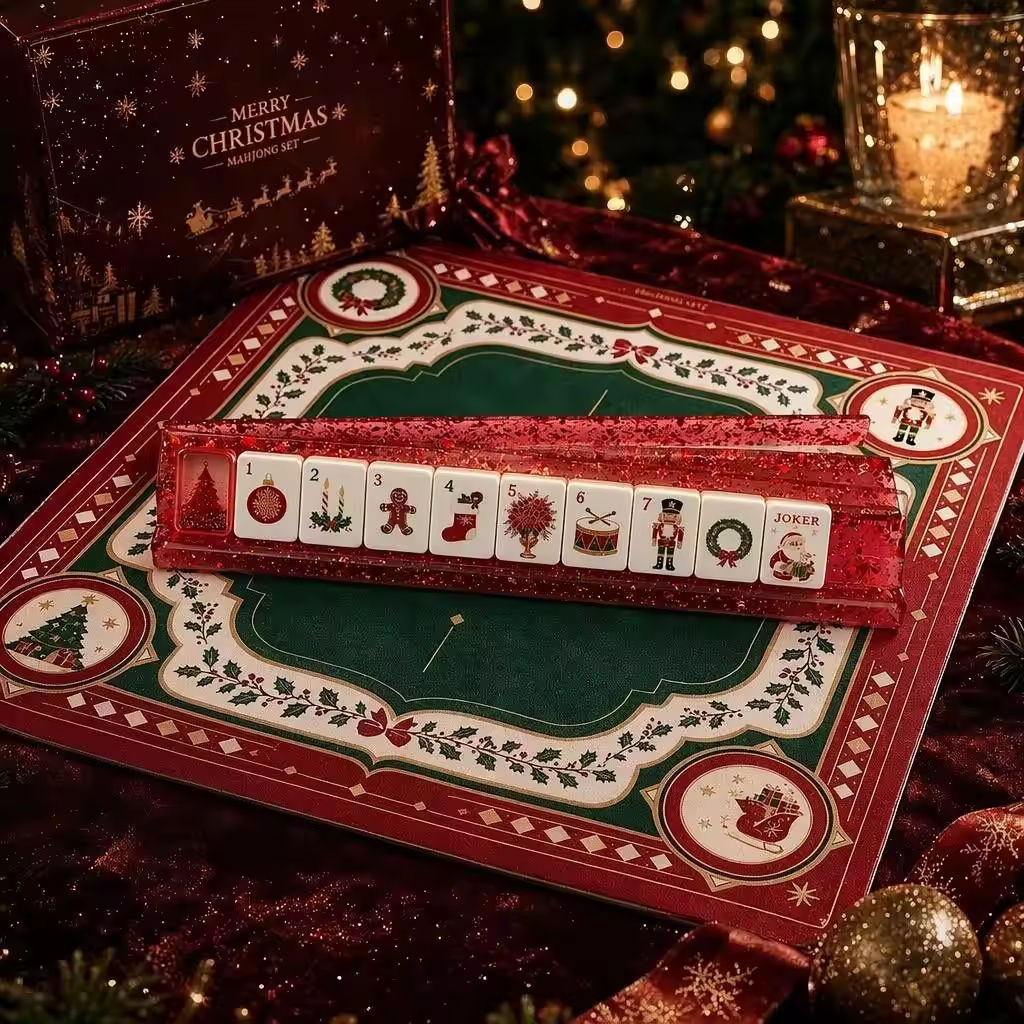
Hong Kong mahjong is a competitive four-player multiplayer game using 144 tiles (suits, honors, bonus tiles) with the goal of forming a winning hand through drawing, discarding, and claiming melds. Games last 15–60 minutes depending on skill and house rules. Mahjong solitaire (also called mahjong match or mahjong connect) is a single-player computer or tile-matching puzzle where you remove pairs of identical tiles from a fixed layout until the board clears; no game theory or negotiation is involved. Both use tiles bearing suits and characters, but Hong Kong mahjong rewards memory, hand reading, and risk calculation, while solitaire rewards pattern recognition and spatial reasoning.
Is Hong Kong mahjong played with real tiles or digital?
Both formats exist. Traditional Hong Kong mahjong uses physical bamboo or bone tiles in a four-player game around a table, with live discards and real-time calling; games run 15–45 minutes per round. Digital versions (apps, online platforms) simulate the same rules but remove shuffling and in-person bluffing. Many players prefer tiles for social play and skill expression. Physical tile sets require proper storage and maintenance; digital versions cost little and suit casual or long-distance play.

What tiles do Hong Kong mahjong sets contain?
Hong Kong mahjong uses 144 tiles: three numbered suits (Bamboo 1–9, Character 1–9, Dot 1–9) with four copies each = 108 tiles; 16 winds (four each of East, South, West, North); 12 dragons (four each of Red, Green, White); and 8 bonus tiles (4 flowers, 4 seasons). This differs sharply from American mahjong, which uses 152 tiles and requires hands validated against an annual league card. Standard Hong Kong sets are compact, often with smaller tile faces than American variants, and fit snugly into wooden racks or boxes for rapid play.
🀄 Shop best-selling mahjong sets →
How do Hong Kong mahjong hands win versus American mahjong?
In Hong Kong mahjong, a winning hand comprises 14 tiles: four melds (pung = three identical, kong = four identical, chow = three consecutive in one suit) plus one pair, or one special pattern (like all terminals, all one suit, all honors). Winning happens when you draw or claim a discard that completes your hand. American mahjong uses 13 tiles in a single meld pattern plus a pair, and your hand must match one of the year's National Mah Jongg League card patterns—meaning the same hand structure wins in Hong Kong might not be legal in American play. Hong Kong favors speed and adaptation; American rewards card mastery and pre-game planning.
Why is mahjong solitaire so different in gameplay?
Mahjong solitaire is not a game of skill against opponents—it's a puzzle you solve alone. You face a preset layout of tiles on a board (often pyramid-shaped, dragon-shaped, or freeform) and must eliminate all tiles by matching pairs. You can only remove a pair if at least one exposed face is unblocked on two adjacent sides; once both tiles disappear, new pairs beneath them may become available. There is no hand-building, no risk, no memory of discards, and no negotiation. Winning means clearing the board; losing means running out of legal moves. Most versions are digital (apps, websites) because they require instant tile removal and level generation. Solitaire suits solo play during travel or downtime, not social gatherings.
Aspect | Hong Kong Mahjong | Mahjong Solitaire | American Mahjong |
Players | 4 (simultaneous turn order) | 1 (solo) | 4 (turn-based) |
Tile count | 144 | Varies by puzzle (usually 72–144) | 152 (+ 8 jokers) |
Winning condition | Hand of 14 tiles matching a pattern | Clear all tiles from the board | Hand of 13 tiles matching league card pattern |
Speed | 15–45 min per game | 5–15 min per puzzle | 20–90 min per game |
Skill type | Hand reading, memory, risk | Spatial reasoning, planning | Card knowledge, tile counting |
Social element | High (live opponents, bluffing) | None (solo) | High (partnership, table talk) |
Physical tiles needed? | Yes, preferred | Optional (digital is standard) | Yes, required |
🎁 See our most-loved mahjong sets & accessories →

What do you actually need to play each game?
For Hong Kong mahjong: You need a set of 144 tiles, four players, a flat table, and optionally tile racks and a mat to keep pieces in place during rapid play. No card or scoresheet is mandatory, though serious players track points. Tiles should be easy to shuffle and audible—bamboo or bone sets are preferred; acrylic works but feels less tactile. You also benefit from a pushable rack if tiles are large or worn smooth (which makes them hard to distinguish by touch during blind draws).
For mahjong solitaire: You need only a device (phone, tablet, computer) with a solitaire app or browser access. No physical tiles are required. Some physical solitaire tile sets exist as toys or gifts, but they're novelty items—the puzzle format demands instant digital feedback.
For American mahjong: You need a 152-tile set (no additions needed), four players, the current year's National Mah Jongg League card, a mat, tile racks with pushers, and a flat table. American sets are bulkier and heavier than Hong Kong sets because tiles are larger and include 8 jokers. If you host weekly games, a durable rack set and a non-slip mat are investments that pay off in comfort and game speed.
Which format should you choose to learn?
If you want a social, strategic game, play Hong Kong mahjong—it's fast, teaches hand-reading quickly, and works in most Asian communities. If you prefer structured rules and partnership play, American mahjong is deeper but demands more study and an annual card. If you want a quick, stress-free puzzle to pass time alone, solitaire is ideal. Most players eventually try all three; your local community often determines which you'll play most. Check libraries, community centers, synagogues, or country clubs for beginner-friendly groups in your area. If you host weekly game sessions and have decided on American play, our engraved sets let you customize the experience while quality mats and racks elevate comfort and speed.
What to check before you buy tiles for any format
Tile size: Hong Kong tiles are typically smaller (27–30 mm); American tiles are larger (30–35 mm). Smaller hands are more comfortable with Hong Kong sets.
Material: Bamboo and bone feel premium and age beautifully; acrylic is durable and affordable. Plastic feels thin and chips easily on tile edges.
Shuffling noise: If you play in shared spaces, quieter materials (bone, resin) are courteous; bamboo and acrylic click audibly.
Completeness: Hong Kong sets must have exactly 144 tiles with no blanks or jokers. American 160-tile sets include the 152 playing tiles plus spares and ship ready to use.
Racks and storage: Hong Kong players often prefer wooden or plastic racks that slide smoothly; American players benefit from pushable racks and reinforced bags for weekly transport.
✨ Find your Mahstead set — free US shipping →

FAQ
Can I use an American mahjong set to play Hong Kong mahjong?
No. American sets have 152 tiles plus 8 jokers; Hong Kong requires exactly 144 with no jokers. The tile composition is different (American includes additional honor designations and blanks). You need a dedicated 144-tile set for authentic Hong Kong play.
Is mahjong solitaire considered "real" mahjong?
No, in the traditional sense. Solitaire is a tile-matching puzzle that borrows mahjong's visual language but abandons all core game mechanics: no hand-building, no opponents, no scoring rules, no melds. It's entertainment, not the competitive or strategic game mahjong represents. Real mahjong is multiplayer.
How long does a typical Hong Kong mahjong game take?
Most games run 15–45 minutes per round. Faster players finish in 20 minutes; slower or learning players may take an hour. A full mahjong session with breaks often spans 2–4 hours, with 4–8 games played. American mahjong games are typically longer (30–90 minutes) because hand validation and scoring take more time.
Can you teach someone solitaire if they know nothing about mahjong?
Yes, easily. Mahjong solitaire has no strategy—you only need to recognize matching tiles and spot legal pairs. A beginner can learn the rules in under a minute and play competently immediately. Hong Kong and American mahjong require weeks of study to read hands and remember melds.
Where can I find a local Hong Kong mahjong group to play with?
Check community centers, libraries, senior centers, and Asian cultural associations in your area. Online forums and meetup boards often list casual games. Many Chinese restaurants or social clubs host games on weekends. Call ahead to ask about rules (house rules vary) and whether beginners are welcome.


View More
View More
View More
