
Mahjong Open Play in West Palm Beach: Where to Play & What to Bring
Last updated: Nov 23, 2026
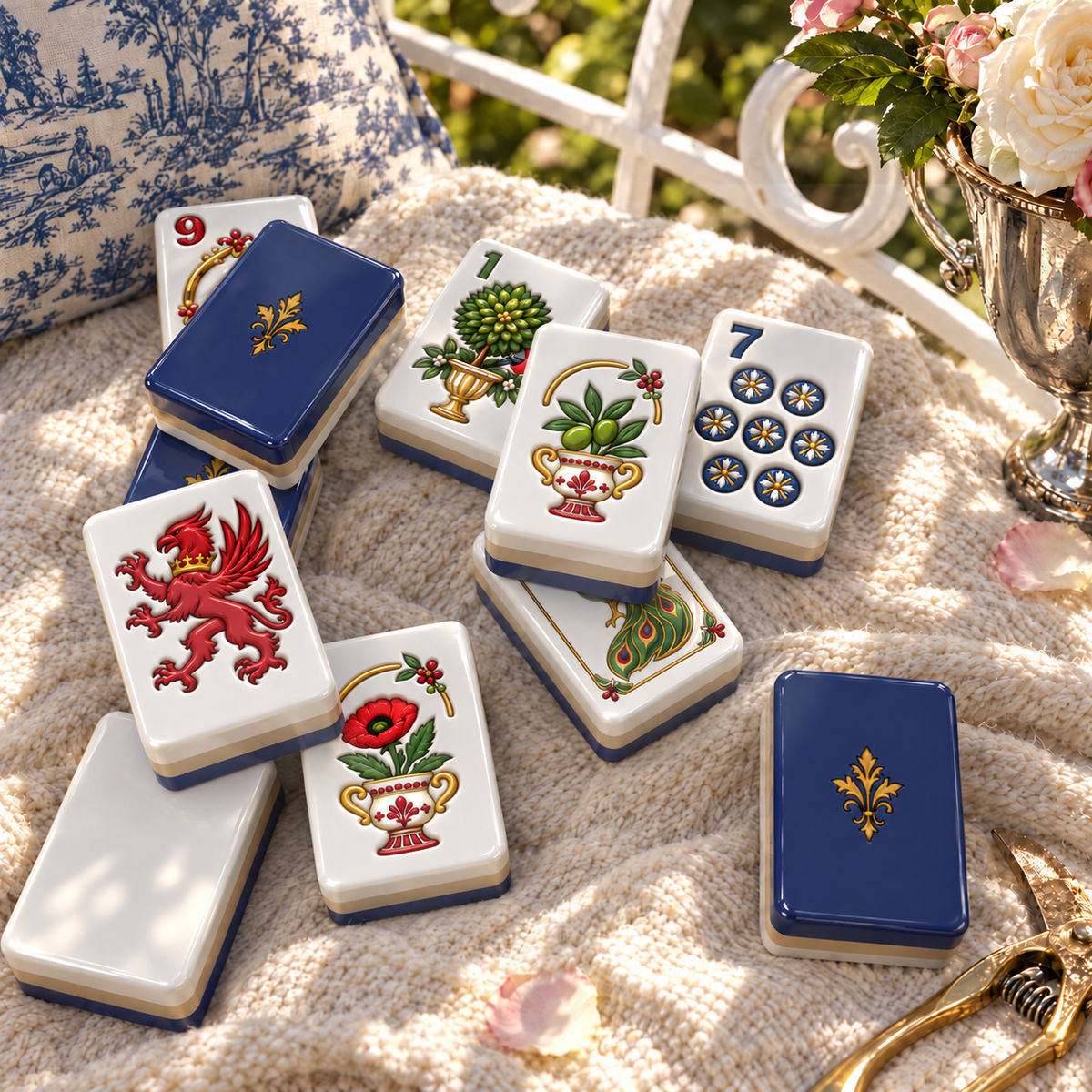
Open mahjong play in West Palm Beach happens most often at community centers, senior activity facilities, and Jewish cultural centers—ask your local library for a current directory. Games typically run weekday mornings or afternoons and on weekend evenings; most welcome drop-ins for a small fee or membership. Players use the current year's National Mah Jongg League card and 152-tile American sets. Bring 25–35 dollars in cash for table fees, arrive 10–15 minutes early, and wear comfortable clothes for a 2–4 hour session. Beginners learn fastest by observing one hand before joining; the Charleston tile-passing ritual and basic rules take 20 minutes to grasp. Check mahjong for beginners for a full primer, or visit best-selling mahjong sets to see what a standard American set contains.
West Palm Beach has an active mahjong community centered in community centers, senior activity facilities, and Jewish cultural centers—ask your local library for a current directory. Games typically run weekday mornings or afternoons and on weekend evenings; most welcome drop-ins for a small fee or membership. Players use the current year's National Mah Jongg League card and 152-tile American sets. Bring 25–35 dollars in cash for table fees, arrive 10–15 minutes early, and wear comfortable clothes for a 2–4 hour session. Beginners learn fastest by observing one hand before joining; the Charleston tile-passing ritual and basic rules take 20 minutes to grasp.
Where do West Palm Beach players gather for open mahjong?
Most open mahjong in West Palm Beach happens at community recreation centers, senior activity programs at fitness clubs, Jewish Community Centers, and country club card rooms. Libraries often post schedules or keep contact lists for local groups. Call ahead to confirm meeting times and table fees; many venues update their schedules seasonally. A few groups also use restaurant or hotel banquet rooms for weekend play. Start by contacting your nearest community center's activities coordinator or searching local Meetup groups for "mahjong" and your zip code.

What are the unwritten rules for joining an open game?
Arrive 5–10 minutes early, watch the first hand without playing, and ask where to sit when a player leaves. Bring cash (most tables use chips or settle by hand). Never touch tiles that aren't yours, ask before handling the rack or mat, and keep your hand turned face-down until called. Silence your phone, don't discuss live hands, and avoid side conversations during play. If you're unsure of a rule, ask between hands rather than mid-play. Experienced players expect beginners to announce it and will slow down; tables that don't welcome newcomers aren't worth your time.
What should you know about American vs. other mahjong variants in West Palm Beach?
West Palm Beach open play is almost entirely American mahjong—152 tiles, four players, hands from the current year's card, and the Charleston before each round. Some retired players may mention Chinese or Hong Kong mahjong rules, but those use different tile counts (usually 144) and hand structures; confirm which game the table plays before sitting. American mahjong emphasizes exposing pungs (3 matching tiles), kongs (4), and using the current published card to win—no improvised hands. If you've learned a different variant, tell the host; they'll either help you switch gears or direct you to a table that matches your experience.
What do you actually need to bring to open play?
Bring a state ID or driver's license (most venues verify age), 25–35 dollars in cash, a pen, and a notebook. Wear comfortable clothes and shoes you can stay in for 2–3 hours. Some venues provide the mahjong set, mat, and tiles; others expect you to contribute a set if you join regularly. If you want to carry your own, a mahjong bag or case keeps tiles, rack, and mat protected and travel-ready. Many West Palm Beach players bring a personal set in a soft case or hard-shell carrier.
How do scores work and what wins look like in an open game?
American mahjong scoring depends on your winning hand's pattern and which player discarded your winning tile. Wins range from 2 to 12 points (usually measured as units paid by each player to the winner). Before each game, players agree: will winners be paid 1, 2, or 3 units per point? Does the game reset at a fixed total, or play until a player reaches zero chips? Write down the scoring agreement on paper before round one—confusion kills table morale. Read American mahjong scoring to understand the card-based calculation so you can verify wins.
🀄 Shop best-selling mahjong sets →

Table: Open Mahjong Venues in West Palm Beach—What to Expect
Venue Type | Typical Schedule | Cost | Notes |
Community center | Weekday mornings, some evenings | 5–10 per drop-in or membership | Beginner-friendly, mixed skill |
Senior club / fitness | Afternoons (M–F), strict members | 0–20 membership | Often very experienced, faster pace |
Jewish cultural center | Evenings, weekend classes | 10–25 per session | Strong beginner programs, social |
Country club | Weekends, membership only | 0 (members), 30–40 guests | Competitive, higher stakes |
Meetup / casual group | Varies (check online) | 0–15 | Most flexible, newest to game |
Before Your First Open Game: Checklist
Rules & setup:
[ ] Watch how to play American mahjong video or read rules once beforehand.
[ ] Understand the Charleston (tile exchange); read the Charleston explained to memorize the steps.
[ ] Bring the current year's National Mah Jongg League card (ask the host or print a free version online).
Practical prep:
[ ] Call the venue 24 hours ahead to confirm today's game is on.
[ ] Arrive 15 minutes early; ask where beginners usually sit.
[ ] Observe one full hand (about 10–15 minutes) before playing.
[ ] Confirm the scoring agreement and chip denomination before hand one starts.
Social tips:
[ ] Introduce yourself to the host or a regular player.
[ ] Ask one person for rules help, not the whole table.
[ ] Keep your phone silent and off the table.
[ ] Thank the host and say whether you'll return (matters for future welcomes).
🎁 See our most-loved mahjong sets & accessories →
Common mistakes newcomers make—and how to avoid them
Playing before you understand the card: Most new players jump in without reading the current year's League card. Spend 15 minutes learning how patterns are printed (numbers, letters, symbols) so you can spot a winning hand. Ask a regular player to point out two sample hands on the card before play starts.
Touching or moving other players' tiles: Never reach into another player's hand or rack. If a tile is placed wrong, tell the player and let them fix it. This prevents accidental reveals and keeps the game flowing cleanly.
Misunderstanding the Charleston: The Charleston is a tile-passing ritual that happens before scoring begins. Three rounds of passing (right, across, left) follow strict rules. Practicing the Charleston explained once will save you from awkward delays at the table.
Forgetting jokers can't do everything: Jokers are wild tiles that fill gaps—but they can never form a pair, and you can't call a hand using a single tile or a pair that includes a joker. Many beginners over-rely on jokers early on. Study how jokers work so you build hands correctly.
Not settling scores before leaving: Always verify payouts with the player paying you and stay until everyone agrees the pot is square. Disputes over who paid whom kill friendships fast.
What to check before you buy your own set
If you plan to join open play regularly, you'll eventually want your own tiles. Look for a set with:
Sturdy acrylic or resin tiles that are easy to grip and shuffle; confirm they include exactly 152 playing tiles plus spare jokers.
A carrying case or bag so you can transport it safely to venues.
A mat (bamboo or cloth) that protects tiles and marks your playing area.
Number clarity: tiles should show numbers 1–9 in each suit (Bams, Craks, Dots), winds (N/E/W/S), dragons (Red, Green, White), flowers, and jokers. Engraved or embossed designs make them last and look sharp.
The best-selling mahjong sets include everything most West Palm Beach players use daily: durable tiles, racks, a mat, and a travel bag—all in one box with free US shipping.
✨ Find your Mahstead set — free US shipping →
Building relationships at the table
Open play communities thrive on regularity and respect. Show up at the same time and venue twice a month and you'll become a known face. Bring snacks to share, remember names, and laugh when you make mistakes—everyone does early on. Experienced players often appreciate newcomers who ask genuine questions and try hard to follow the rules. After a few sessions, you'll be invited to private games, group trips, or weekend tournaments if you're interested.

FAQ
Do I need to know the rules before my first open game?
No. Watch one hand without playing, tell the host you're new, and ask questions between rounds. Most players expect to coach beginners. Read mahjong for beginners the night before so you're not completely lost.
What's the age limit for open mahjong in West Palm Beach?
Most venues require 18+; some senior centers are 55+. Call ahead to confirm. Many welcome all ages at private games but public venues set their own rules.
Can I play if I only know Chinese mahjong?
American mahjong is different (152 tiles, one card-based hand set, no sequences). Expect a learning curve of 3–5 sessions. Tell the host your background; they'll pair you with patient players.
How long does a typical open game last?
Plan for 2–3 hours total: setup (5 min), Charleston (5 min), then 8–12 hands at 10–15 minutes each. Sessions sometimes run longer if players stay and restart.
What happens if I can't come back the same day next week?
Open play welcomes drop-ins; you don't need a membership or commitment. Come when you can. Most venues are grateful to have extra players and don't track absences.
Is there an open mahjong league or tournament in West Palm Beach?
Some venues host seasonal or annual tournaments; ask the host or check your community center's posted events. National tournaments exist but require membership with a league; search "National Mah Jongg League" for formal tournament schedules.


View More
View More
View More
