
Mahjong Open Play in New York: Where to Play & How to Start
Last updated: Nov 23, 2026
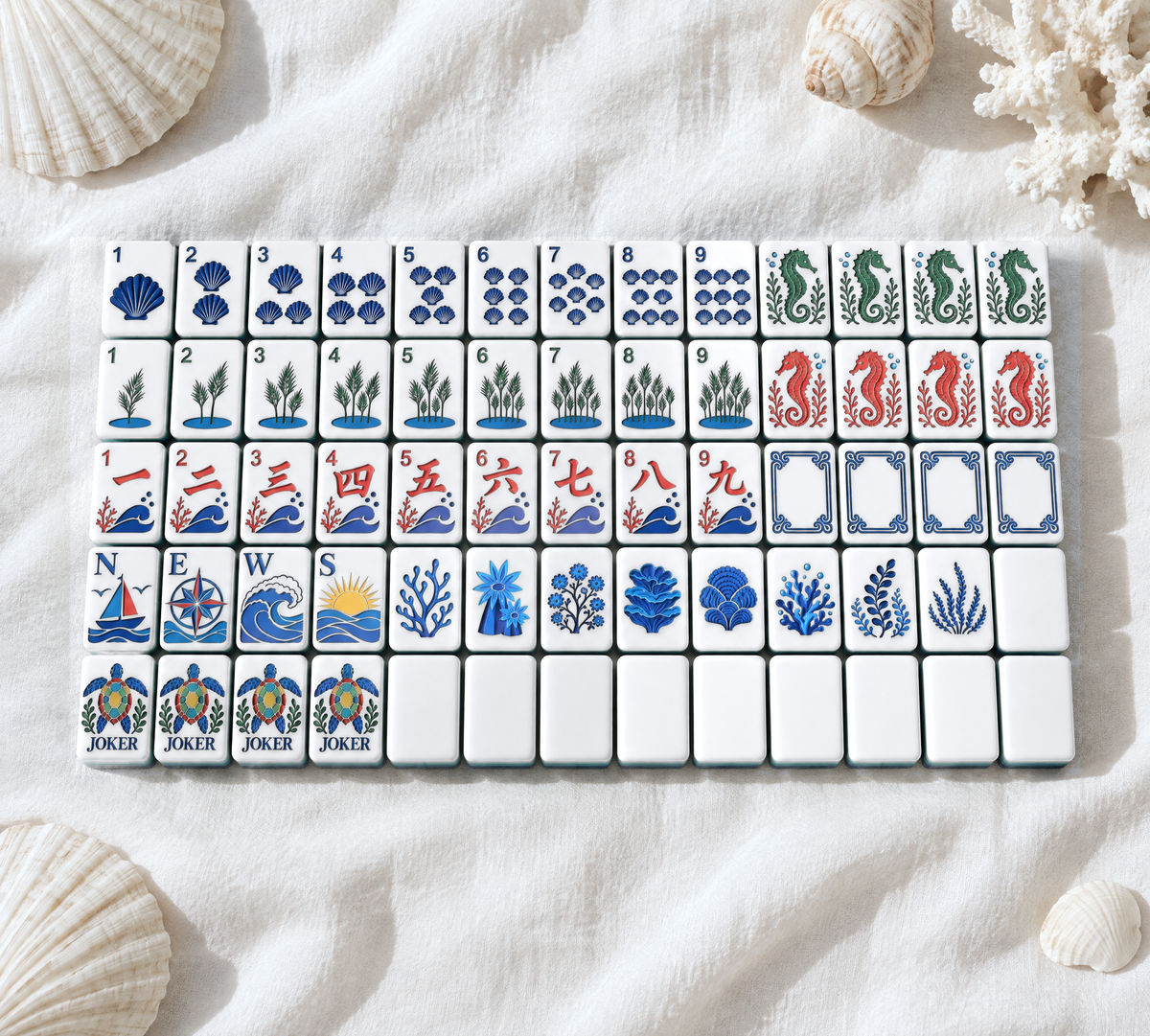
Open mahjong play in New York is available through community centers, synagogues, churches, public libraries, country clubs, and informal weekly meetups in apartments across all five boroughs. To find a game: search "mahjong" on community center websites (especially UES, UWS, and outer-borough branches), ask at your local library or synagogue, join online meetup boards filtered for New York mahjong groups, or post on neighborhood social networks. Most open games run weekly or twice weekly, typically evening or weekend afternoons, and welcome players of all levels—beginners often join established tables once they understand tile values and how to play American mahjong. You'll need a 160-tile acrylic set from our best-selling collection, a mat, rack with pushers, and familiarity with the current National Mah Jongg League card. Games typically run one to three hours; entry is free at venues, or players split costs at private tables.
🀄 Shop best-selling mahjong sets →
Where exactly do New Yorkers play mahjong open games?
Open mahjong thrives in NYC's institutional and social networks. Community centers on the Upper East Side, Upper West Side, and in neighborhoods like Forest Hills, Flushing, and Bay Ridge host structured mahjong afternoons; check their activity schedules online or call to ask which days are "mahjong day." Synagogues and Jewish community centers often host weekly games open to members and their guests. Public libraries in Manhattan and the outer boroughs sometimes host or host flyers for mahjong meetups. Country clubs with active social memberships frequently run Saturday or Wednesday game rooms. The densest open-play culture exists in Flushing, Queens—a strong hub for both American and Chinese mahjong—and in Manhattan's east side neighborhoods with large populations of longtime players. Informal home games happen every week; finding them requires asking friends, neighbors, or posting on NextDoor or Facebook community boards specific to your zip code. Start with your local rec center or library; they're the fastest entry point and usually welcoming to new players.

How do beginner players actually get into a live game?
Arriving at your first game calm and prepared matters more than skill. Before attending: read the beginner's guide, learn tile suit names (Bams, Craks, Dots) and wind tiles, and memorize how to read the current National Mah Jongg League card (just the layout, not every hand yet). Call or email the venue ahead; ask if they welcome new players, what the play style is (fast or teaching-focused), and whether you should bring your own set or if they supply tiles. Wear comfortable clothes and bring a notebook—watch the first game or two without playing, asking quiet questions. Tell the group you're new; most tables slow down and explain their choices. Watch how the dealer draws, how jokers work, and where discards land. Don't memorize hands; focus on how the card works and why players call certain tiles. Many venues have a "teaching table" or new-player night. If you feel lost, step back—no pressure. One to three sessions of watching, then sitting in as a fourth player at a slower table, and you'll understand the rhythm.
🎁 See our most-loved mahjong sets & accessories →
What should you bring or have ready before you show up?
You'll need your own tiles and accessories if you're joining a casual home group or if the venue doesn't provide them. A 160-tile acrylic American mahjong set includes everything you play with; bring it in a padded case to protect it. A mahjong mat isn't essential but protects tiles and gives you a defined play area—most NYC home games use one. Racks with pushers keep your hand organized and hidden; they're standard at serious tables. The current year's National Mah Jongg League card (issued every spring) is mandatory—print a copy or buy a laminated card from a supplier; no substitutes. Bring a pen and small notepad to track scores or note hand patterns. Wear a watch or have a phone timer ready so games run on schedule. If you're traveling to a game via public transit, a durable travel bag for your set and mat keeps everything together. Most venues provide water; bring your own snack if you like. Arrive 10 minutes early so you can set up without rushing.
Item | Why you need it | Where to get it at Mahstead | Beginner priority |
160-tile acrylic set | Four of each tile; no substitutes allowed | High—must own your own | |
Mahjong mat | Protects tiles; defines play space; hides hand | Medium—venue may provide | |
Racks with pushers | Holds 13 tiles; keeps hand private and organized | High—serious games require it | |
NMJL card (current year) | Only official hand reference; play illegal without it | Not from Mahstead; print free or buy from league distributor | Critical—non-negotiable |
Travel bag | Protects set in transit; keeps pieces together | Medium—if using transit | |
Pen & scorepad | Tracks score; documents hands for later review | Home or office supply | Low—borrowing OK first time |
✨ Find your Mahstead set — free US shipping →

What are the actual house rules you'll encounter in NYC games?
House rules vary by venue and group; most follow American mahjong standards but add local twists. Always ask before sitting down. Common NYC variations include: some groups allow you to pick discards off the discard pile after a certain point in the hand (not standard American); some let you ask "pung?" or "kong?" aloud before you commit to your draw (speeds play); some ban jokers from certain positions (stricter); some play for points only, others use a point-to-cash conversion (ask the rate before you play). Upper East Side and Upper West Side groups tend toward formal, traditional American rules with strict hand verification. Flushing and outer-borough tables often blend American and Chinese influences—watch how tiles are called and discarded before you assume. Beginner tables often allow an extra few seconds to read the card or ask "what does that mean?" Serious money games (rare among casual open play) have strict rules and penalties for slow play or exposed information. Never assume—ask: "What are your house rules? Do you allow questions? Can I ask what a hand means?" Knowing the group's style prevents awkward mistakes and lets you decide if it's the right fit.
How do you know when you're ready to join a real money game in NYC?
You're ready when you can consistently do three things without help: read the current National Mah Jongg League card in under 10 seconds, identify all four suits and winds by sight, and understand why a pung or kong is exposed and how jokers fill holes. Before you commit money, spend 3–5 sessions playing for points-only at a teaching or casual table. You should feel confident enough to manage your own hand, call tiles without asking others every time, and move at the table's pace without asking what happened two turns ago. Play one free or low-stakes game at the actual venue where you plan to play for money—same people, same speed, same rules. Ask a regular player: "Should I sit in for real next week?" and listen honestly to the answer. If you're nervous, you're not ready. If you're curious and focused, go for it. Never play for money you can't afford to lose, especially at the start. Many NYC groups have low buy-ins and teach as they play; you'll lose and learn at the same time. Start at a beginner-friendly table, not the fast money game in the back room. Once you've played 10+ times and won at least once, you've found your level.
What's the best way to level up fast once you're in the game?
Deliberate practice beats casual play. After each game, ask one experienced player: "Show me one hand you almost made—what was I missing?" Write it down. Review that hand the next day using the current year's card. Pick one section of the card per week (flowers, pungs, consecutive sets) and study it for 15 minutes before your next game. At the table, watch what other players are discarding and why; you'll start to see which tiles are "hot" (wanted by multiple people). Keep a small notebook and after each game jot down: one hand you completed, one you almost made, one tile you threw that hurt you. Review it before the next session. Join a second or third group if possible—different players reveal different strategies and hand patterns. Most importantly, play consistently; twice weekly beats once monthly. Your brain builds tile recognition and hand-reading speed through repetition, not study alone. After 20–30 games you'll start to feel the rhythm; after 50 you'll see hands forming three turns before they're made.
What to check before you buy or bring tiles to a game
Verify your 160-tile set is acrylic American mahjong, not Chinese or Riichi; count tiles if new and make sure all faces are clear and undamaged. Check that your acrylic tiles are thick enough not to chip (thin plastic cracks at tables); Mahstead acrylic sets are durable enough for weekly play. If you're buying a set for NYC play, engraved or custom designs are fun but not required—standard is fine. Make sure your mat has enough space (typically 36–40 inches per side for four players) and your racks fit comfortably; test setup at home before your first game. Bring your NMJL card in a hard sleeve—bent cards are hard to read under table pressure. Never assume a venue provides tiles; always confirm by phone or email a day before. If you're borrowing someone else's set, ask how old it is and whether tiles have been replaced (mixed sets are illegal in tournament play, though fine in casual home games). Bring a pen that writes clearly on small paper; pencil gets smudged in high-volume games. Charge your phone fully so you can note addresses and times.

FAQ
How do I know which New York community center has a mahjong game?
Check the city's Parks & Recreation website by borough or call your local community center directly and ask for the activity schedule. Libraries and synagogues also post schedules online. Search "mahjong + [your neighborhood]" on Meetup or NextDoor for groups that meet at specific venues.
Can I start playing mahjong at an open game if I've never played before?
Yes, but watch one or two games first without playing. Tell the group you're new and ask questions. Most casual open-play venues have a teaching-focused table or welcome beginners as long as you know basic tile names and card layout beforehand.
What's the difference between a community center game and a home game in NYC?
Community center games are usually slower, more formal, and welcoming to strangers; home games move faster and assume you know house rules. Both follow American mahjong rules, but ask about house variations before you sit down.
Do I have to own my own mahjong set to join an open game?
Most serious games require your own tiles. Some community centers or venues lend sets, but bringing your own 160-tile acrylic set ensures you're never waiting for equipment and lets you play whenever you want.
How much money do you typically lose or win at a casual NYC mahjong game?
Casual open play runs points-only or low-cost buy-ins (a few dollars per game). Ask the venue or host the entry cost and point conversion before you commit. Never play for more than you can afford to lose.
What's the fastest way to find an active mahjong group in my New York neighborhood?
Call your community center or library, ask at your synagogue or church, post on NextDoor with "Looking for mahjong players," or search Meetup filtered for your zip code. Most groups respond within 24 hours.
Can I play Chinese or Riichi mahjong at NYC open-play groups, or only American?
Most NYC open-play venues use American mahjong (152 tiles, National Mah Jongg League card). Chinese and Riichi games exist but are less common in casual settings; ask the venue what variant they play before you show up.
How do I know if I'm good enough to play for real money?
You're ready when you can read the card quickly, recognize tiles by sight, manage your own hand, and keep pace with the table without frequent help. Play 3–5 point-only games first, then ask a regular player if they'd recommend you for a low-stakes money game.


View More
View More
View More
