
What Is a Rack in American Mahjong?
Last updated: Nov 23, 2026
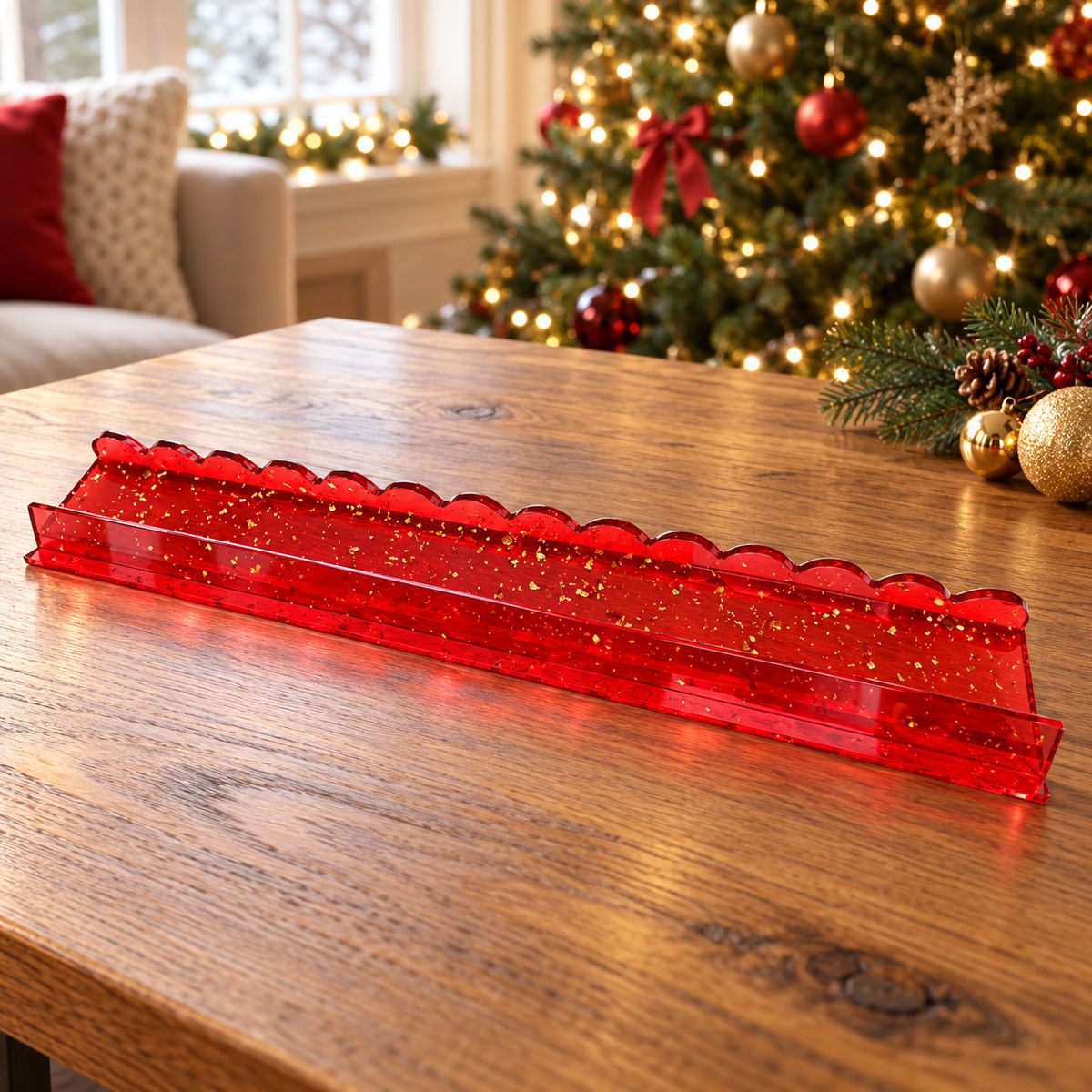
A rack is a hinged or segmented stand that sits in front of each player, holding tiles upright so only you see your hand while others see only the back. In American mahjong, you draw tiles face-down and place them on your rack in the order you receive them, typically moving them left to right as you form melds. Each player uses one rack per game; most are made of wood or acrylic and hold up to 14 tiles comfortably, though some newer designs hold more. Racks sold at Mahstead come paired with pushers—small sticks that let you nudge tiles sideways without touching them, keeping your hand neat and your play fair. A quality rack is low enough that opponents can't peek over the top, wide enough to spread tiles without crowding, and sturdy enough to last through years of weekly games.
Why do you need a rack and not just hold tiles?
Holding tiles in your hand gets tiring over a 2–3 hour session and slows play—you fumble, forget where a tile is, or accidentally expose your hand. A rack keeps tiles organized, visible only to you, and lets you compare options faster. It also prevents accidental drops and holds your tiles steady during the Charleston and while you wait. Without a rack, honest play becomes harder because you can't easily prevent others from glimpsing your tiles, and the game feels less professional.
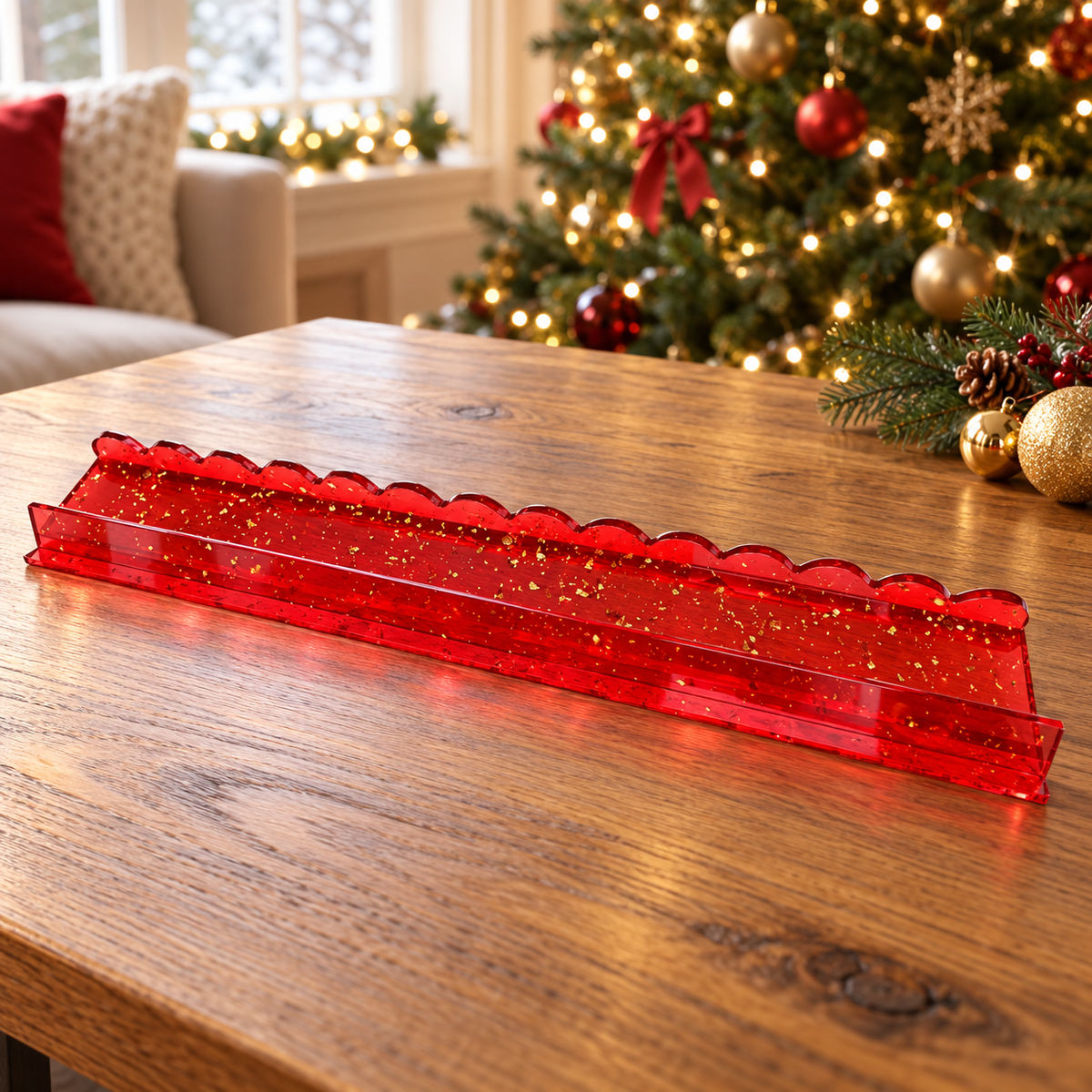
How do you use a pusher with your rack?
A pusher is a thin wooden or acrylic stick, usually 4–6 inches long, that slides between tiles on your rack. Instead of pinching a tile with your fingers—which can expose it or knock others over—you press the pusher against the back of the tile you want to move, sliding it sideways along the rack. This keeps your hands above the table and your tiles neatly aligned. Many players place the pusher in a groove carved into the rack base so it's always within reach. Learn more about racks with pushers →
🀄 Shop best-selling mahjong sets →
What's the best rack layout for reading the card?
Most American mahjong players arrange tiles on the rack left to right in the order they draw them, which mirrors how the National Mah Jongg League card shows hands (left to right). This layout makes it fast to spot patterns: you see your first few tiles at a glance and recognize if you have the start of a pung, kong, or sequence. Keep pungs and kongs you've declared in a cluster on one end of your rack and your remaining hand on the other; this visual separation helps you think clearly about what's still possible. Some players use a slightly raised rack to make the card easier to read without hunching.
How does rack size affect your comfort and play?
Standard racks hold 13–14 tiles snugly; oversized racks can hold 15–16. If you draw a 14th tile and your rack is too short, crowding makes tiles hard to read and easy to flip. An undersized rack forces you to bunch tiles, which slows your ability to spot melds and annoys players waiting for your discard. On the flip side, a rack that's too wide feels unstable or lets tiles slide around. Racks come in varied depths: shallow designs (under 2 inches) feel modern and compact, while taller racks (2.5–3 inches) give more visual separation. Choose based on the table height and your eyesight; if you're reading the card at arm's length, a taller rack helps.
What are common rack mistakes and how do you avoid them?
Mistake 1: Stacking tiles vertically in a rack. Many new players lean tiles against each other like dominoes, hiding some behind others. Result: you forget what you drew, or you knock them over reaching for one. Instead, arrange tiles flat and side-by-side so every tile is visible.
Mistake 2: Placing the rack too close to the edge. If your rack teeters on the table's rim, a bump sends tiles flying and can spill jokers (which count against you). Keep the rack 6–8 inches from the edge.
Mistake 3: Mixing up tile order during play. Once you've drawn your 13 tiles, the order on your rack matters: it tells you which tiles came from the wall, which from the discard, and which you've swapped during the Charleston. Resist the urge to rearrange before you've made your hand strategy clear to yourself.
Mistake 4: Forgetting to return the pusher to its slot. A loose pusher rolls under the table, breaks, or gets stepped on. If your rack has a pusher holder, always nest the pusher there.
Mistake 5: Leaning back and exposing your tiles to the player behind you. Once seated, keep your body centered; the rack is your privacy screen only if you stay behind it.

What materials hold up best over years of play?
Wooden racks (bamboo or hardwood) feel warm, look elegant, and age well; the wood grain deepens over time. They're quiet—no clicking or echoing—and lighter than acrylic. The downside: wood can crack if it dries out or gets wet, and carved grooves can splinter after heavy use.
Acrylic racks are durable, colorful, and easy to clean. They don't warp in humid rooms and resist stains from food or drink. Many acrylic racks come with engraved designs or personalization, making them gifts that double as heirlooms. The trade-off is that acrylic can feel cold and plastic-y, and a heavy drop might chip a corner.
Hybrid designs (wood base with acrylic tile channels) combine the best of both: wood's warmth and stability, acrylic's durability and visibility.
Material | Best for | Lifespan | Notes |
Bamboo | aesthetics, quiet play | 10+ years with care | lightweight, splits if dried |
Hardwood | heirloom sets, durability | 15+ years | heavy, ages beautifully |
Acrylic | color, personalization | 10+ years | bright, durable, lower cost |
Hybrid | all-around use | 12+ years | balance of warmth and durability |
🎁 See our most-loved mahjong sets & accessories →
How does a pusher prevent cheating or accidents?
A pusher enforces fair play by ensuring no fingers ever touch tiles in a way that could accidentally (or intentionally) flip, peek at, or nudge a hidden tile. When you move a tile with your hands, you risk lifting the next tile, exposing its face to the player across the table, or creating an opening for argument. A pusher slides a single tile cleanly along the rack without disturbing neighbors. This small barrier also protects against nervous habits—fiddling with tiles—that slow the game and distract other players. In tournament or high-stakes games, the rule is often "pusher only" once tiles are on the rack.
What's in the Mahstead rack-with-pusher collection?
Our racks with pushers come designed to pair with our 160-tile acrylic sets, with matching engraved designs and personalization options. Each rack holds 14 tiles comfortably, includes a quality pusher, and sits stable on any table. Designs range from classic solid colors to engraved titles, logos, and family names. Because we design sets and racks as a system, you get cohesion: the rack fits the set's aesthetic and size.
What to check before you buy a rack
Tile fit: Does it hold 14 tiles without crowding or leaving gaps? Place a few sample tiles in the rack and slide them side-by-side.
Height and visibility: Can you see all tile faces from a seated position? Lean back a few inches and confirm no tile is hidden by the rack's lip.
Pusher quality: Is the pusher smooth and free from splinters? Does it fit snugly in its holder so it won't rattle during play?
Stability: Does the rack sit flat and level on your table, or does it rock or shift? Nudge the corner gently; it should not slide.
Edge safety: Are all corners rounded? Fingers and forearms brush racks during a 3-hour game.
Seam integrity: If it's a hinged rack (two pieces connected), do the hinges move smoothly and lock firmly when closed for storage?
Personalization: If you're engraving a name or date, check the font size and position in a photo before production.
✨ Find your Mahstead set — free US shipping →

FAQ
Do I have to use a rack, or can I play holding tiles?
No rule forbids it, but in American mahjong at any serious table, everyone uses a rack. Holding tiles is slower, messier, and creates trust issues. You'll be expected to use a rack in clubs, tournaments, and most home games.
Can I use a rack from a different mahjong variant (Chinese, Hong Kong, Riichi)?
Yes, a rack is a rack—it holds tiles upright. But Chinese, Hong Kong, and Riichi racks are often smaller and styled for different tile sizes. An American rack works best with 160-tile American sets because the dimensions match the tile weight and size.
What if my pusher breaks or gets lost?
Many racks are sold with spare pushers, and you can order replacements. In a pinch, a smooth plastic ruler or a wooden chopstick works temporarily, though it's not ideal.
How do I clean a rack without damaging it?
Wipe with a soft, damp cloth and air dry flat. Don't soak wooden racks—dampness causes warping and mold. For acrylic, use a microfiber cloth to avoid scratches. Never use abrasive sponges or solvents.
Can I engrave a name or date on an acrylic rack?
Yes, Mahstead offers engraved racks with names, dates, and custom designs. Engraving on acrylic is permanent and adds a personal or memorial touch, making it a meaningful gift or keepsake.
Do racks come in different heights or widths?
Yes, some racks are shorter and more compact, others taller and wider. Compact racks suit small tables or travel, while wider racks give more breathing room for your tiles and pusher. Choose based on table size and your comfort.


View More
View More
View More
