
Mahjong Open Play in Miami: Where to Join & How to Get Started
Last updated: Nov 23, 2026
Open play in Miami means showing up to a regular weekly or monthly mahjong session—no membership fee, no tournament—and playing for fun or low stakes with whoever arrives. Most sessions happen at public community centers, libraries, synagogues, or country clubs in neighborhoods like Coral Gables, Wynwood, and Brickell. A typical evening runs 2–4 hours; players rotate, so you meet new people each week. To find a game, check bulletin boards at your local library or community center, ask at synagogues or Jewish senior centers (mahjong is popular in that community), or search community meetup boards online. Bring your own tile set if you have one; many groups also have spares. You'll play hands from the current National Mah Jongg League card, so learn how to read the mahjong card before your first night. Most Miami players use American mahjong rules (no sequences, jokers allowed in melded sets), though you may encounter Hong Kong or Chinese variants—ask the host which version they play. Expect a relaxed, social atmosphere; newcomers are almost always welcome. 🀄 Shop best-selling mahjong sets →
How do you find an active open play group in Miami?
Miami's mahjong scene is scattered across several neighborhoods, so your search depends on where you live or work. Check your nearest public library's bulletin board—many host or advertise mahjong nights. Call community recreation departments in Coral Gables, Wynwood, Brickell, and Aventura; they often know about regular games. Synagogues and Jewish community centers frequently host mahjong socials; a quick web search for your neighborhood's Jewish institutions will usually turn up meeting schedules. Country clubs sometimes host members-only games, but many are happy to connect you with open play elsewhere. Meetup boards and local Facebook community groups often list mahjong gatherings, though the people posting may be organizers rather than the venue itself. Once you find a candidate game, call ahead or email to confirm the time, cost (if any), and whether they welcome new players.

What's the difference between open play and tournament mahjong?
Open play is casual, social, and usually free or very low-cost—you show up, join a table, play for enjoyment or small side bets, and leave when you want. No ranking, no scoreboard, no pressure. Tournament mahjong is competitive, fee-based, scored by the National Mah Jongg League rulebook, and often held on a specific weekend with seeding, advancing rounds, and prize pools. Most Miami open play groups are purely social; if you're new to mahjong, open play is where you learn without stakes. Tournament play comes later, after you've played 10–20 sessions and feel confident with the card and American mahjong rules. Open play teaches you the rhythm of the game and lets you make mistakes safely.
Do you need your own mahjong set to play in Miami open play?
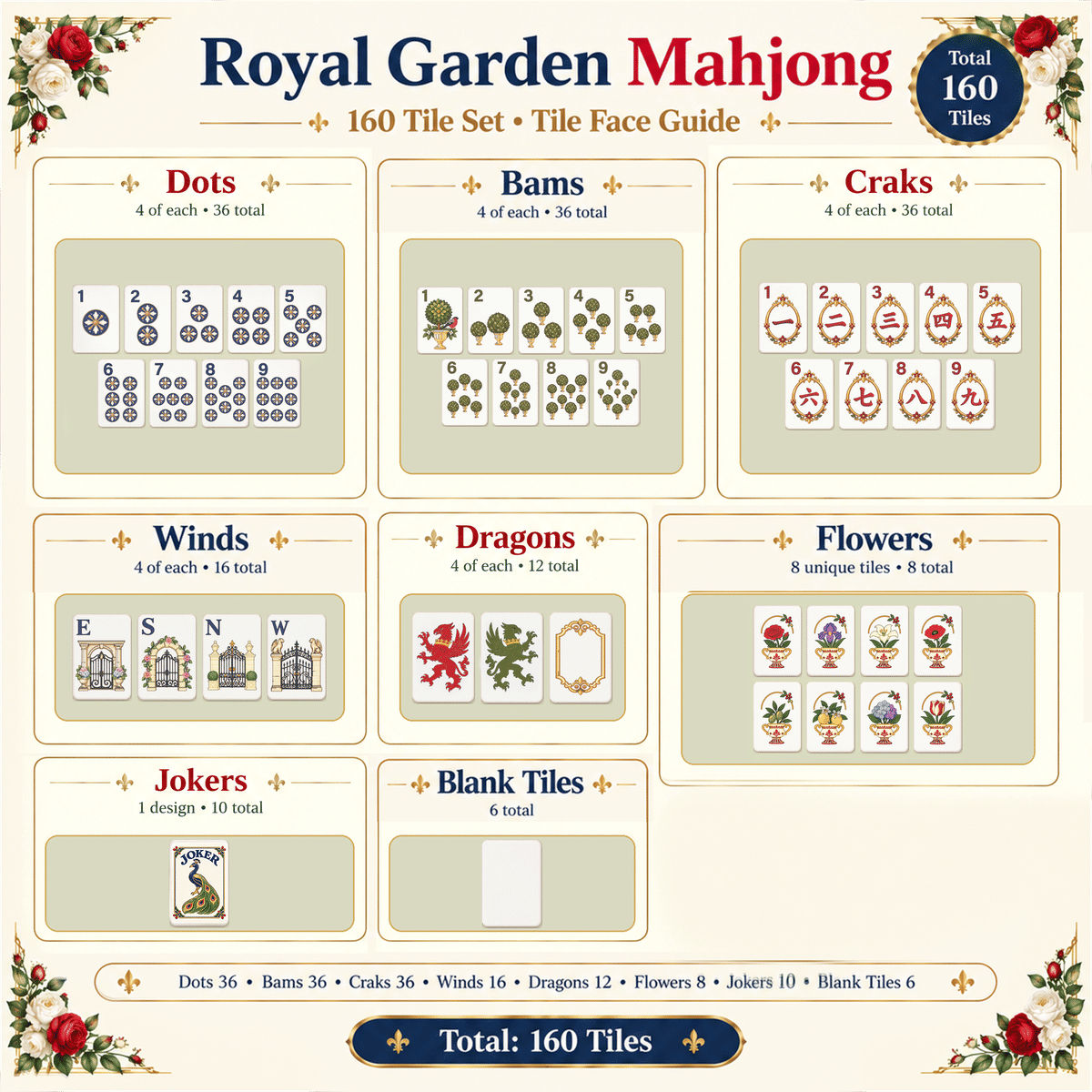
Not always—many groups have communal sets or extras for guests. However, having your own set means you control its quality, know the tile feel, and can practice at home. If you plan to play regularly (weekly or biweekly), investing in a good set from our best-selling collection makes sense. Miami's humid climate can warp or swell wooden tiles, so acrylic sets are popular here; they resist moisture and last years. A 160-tile American set (152 tiles plus spares) is the standard. If you attend a game, ask the host what type of set they use—some groups prefer heavy tiles, others lighter plastic. Before you buy, know your play style: casual weekend player, weekly regular, or you want something travel-friendly for beach area games.
Setup | Best for | Why it works |
No set (use host's) | Trying it out, once a month | Low cost, no commitment |
Standard acrylic set | Weekly player, Miami humidity | Durable, no warping, comfortable |
Engraved personal set | Regular in same group | Build community identity, easier to spot |
Travel bag + set | Multiple venues or snowbird | Play Coral Gables Tuesday, Wynwood Friday |
What equipment should you bring to your first Miami open play night?
A notebook and pen to track scoring (most casual games keep score verbally, but writing helps you learn). A copy of the current year's National Mah Jongg League card—print it at home or ask the host if they have extras. If you own a set, bring it; if not, tell the host in advance and they'll usually have one ready. Comfortable clothes and a willingness to ask questions; nobody expects a newcomer to know every hand. Some venues provide light snacks or allow you to bring your own beverage (check their rules). If you drive, arrive 10–15 minutes early to find parking and meet the organizer—first impressions matter, and asking questions early makes you a welcome return. A mahjong mat is not necessary at most open play venues (tables are usually provided), but if the group plays standing or on a soft surface, a mat protects the tiles and makes the game easier to read.

What are the unwritten rules of Miami mahjong open play etiquette?
Arrive on time—if the game starts at 7 p.m., be there by 6:50 p.m. so you can be assigned to a table. Keep your tiles quiet and organized; fast, loud games feel chaotic to newcomers. Don't drink alcohol heavily if you're playing; one glass of wine, yes; being tipsy, no—you'll make careless calls and slow the game. Never discuss another player's strategy during the hand (wait until it's over). If you win, congratulate the players; if you lose badly, laugh it off and ask what you missed. Respect the score keeper; they manage everyone's points fairly. If you're unsure of a hand or a rule, ask before discarding—don't throw a tile and then say "wait, was that valid?" Lastly, be honest about your skill level when you introduce yourself; saying "I've played five times" helps the group calibrate the energy and avoid frustration.
🎁 See our most-loved mahjong sets & accessories →
How to prepare for your first session: a quick checklist
Before you go:
[ ] Find a game online (library, synagogue, meetup board, community center)
[ ] Call the host or organizer to confirm time, location, and whether they want you to bring anything
[ ] Print or download the current year's National Mah Jongg League card
[ ] Read the Charleston so you understand the tile-passing ritual
[ ] Review joker rules (common point of confusion for beginners)
What to bring:
[ ] Notepad and pen
[ ] A mahjong set (optional; ask the host if you don't have one)
[ ] A valid ID or proof of residence (some venues require sign-in)
[ ] Water bottle and any personal beverages allowed by the venue
[ ] Comfortable clothes and a good attitude
When you arrive:
[ ] Introduce yourself to the organizer or most senior player
[ ] Ask which variant they play (American, Hong Kong, Chinese)
[ ] Observe one full hand before you sit down
[ ] Ask questions—no one expects perfection on your first night
What to check before you buy a mahjong set for open play
If you decide to buy your own set for regular Miami open play, test these before purchasing: tile weight (hold them—do they feel substantial or flimsy?), visibility of numbers and suits (glare on acrylic tiles?), and whether jokers are clearly marked (crucial in American mahjong). Acrylic tiles resist Miami's humidity far better than wood. Check that your set includes a mahjong mat or at least consider one separately if you plan to host or play on multiple surfaces. If you attend the same group weekly, an engraved set with your name or a fun phrase helps you bond with the group and makes your tiles instantly recognizable. For players who visit multiple venues (say, a game in Coral Gables and another in Aventura), a travel bag with organized compartments keeps your set safe and speeds up setup.
✨ Find your Mahstead set — free US shipping →
Getting past the first few sessions: a realistic timeline
Your first night will feel slow and overwhelming—that's normal. You'll see hands on the card, hear terms like "pung," "kong," and "quint," and watch tiles move fast. By session three, you'll recognize common hand patterns and stop asking "what's a quint?" every five minutes. By session eight, you'll start calling tiles confidently and predicting what others are chasing. By session fifteen, you'll play at the group's natural pace and begin mentoring newcomers yourself. Miami's open play culture tends to be forgiving; most regulars remember their own first night and make space for learning. Don't rush yourself to be perfect. Mahjong is a 4,000-year-old game; you don't need to master it in a month. Come for the social rhythm, the patterns, the friends, and the occasional winning hand—and the skill follows.

FAQ
Is there a cost to join open play in Miami?
Most open play groups are free or ask for a small voluntary donation (under $5) to cover space rental or refreshments. Some charge a nominal table fee if you're joining an established league. Call ahead to ask; hosts are always upfront about costs.
What do I do if I don't know the National Mah Jongg League card?
Before your first session, read the card guide and practice recognizing a few common hand sections. Print the current year's card and bring it to the game. Most hosts expect newcomers to carry the card until they memorize patterns.
Can I play if I've only played Chinese or Hong Kong mahjong before?
Yes, but tell the host immediately—American mahjong has no sequences (chows) and uses a card instead of memory. You'll learn fast, but the first session will feel strange. Many Miami groups are flexible; some even host both variants on different nights.
What happens if I make a mistake or call a tile incorrectly?
In casual open play, you simply redo the turn—no penalty. If you call a hand that's not valid according to the card, the hand is canceled and redealt. Mistakes are part of learning; experienced players are patient.
Should I bring cash to open play for betting?
Most casual Miami groups play for small stakes (a dollar or two per game) or no money at all. Clarify with the host before you arrive. You're never obligated to bet; many players enjoy the social game without stakes.
How do I know if a group is welcoming to beginners?
When you call to ask about joining, say clearly: "I'm new to mahjong—is your group welcoming to beginners?" A warm host will say yes and maybe give you tips to prepare. If they hesitate or seem unwelcoming, it's not the right fit; other groups exist.


View More
View More
View More
