
Mahjong Open Play in Indianapolis: Where to Find Games
Last updated: Nov 23, 2026
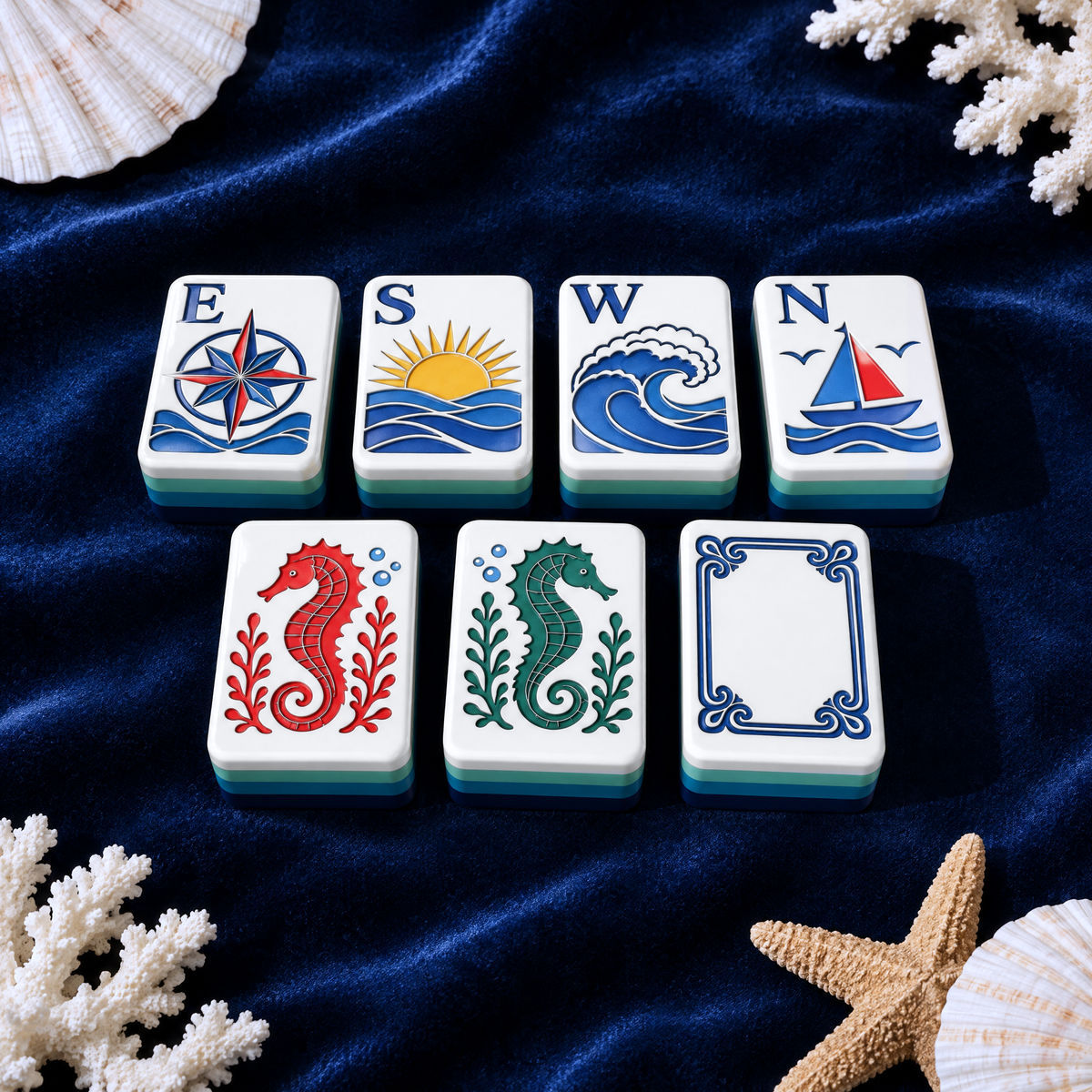
Open mahjong play in Indianapolis happens at community centers, libraries, country clubs, and private game groups that meet weekly or monthly. The easiest way to find current games is to check community center activity boards, ask at local libraries (many host or know about mahjong groups), or search social meetup platforms for "mahjong Indianapolis." Most open play is American mahjong using a standard 152-tile set plus jokers, played with the annual National Mah Jongg League card. Games typically run 2–4 hours, cost nothing or a small table fee, and welcome players of all skill levels—though you should know basic hand reading and the Charleston before showing up. Bring a notebook and a willingness to learn from more experienced players; some groups loan sets, but bringing your own best-selling American mahjong set ensures familiarity with tile weight and size.
Where do Indianapolis mahjong groups actually meet?
Community recreation departments are your fastest lead. Check the Marion County Parks and Recreation website and call branches directly—many host weekly mahjong mornings or evenings. Libraries, especially larger branches and library foundations, often list or sponsor game groups on their bulletin boards and websites. Country clubs and golf clubs sometimes have standing mahjong tables, especially on weekday afternoons. Jewish community centers, synagogues, and senior living communities frequently organize open play. Private players also post on Meetup, Facebook groups (search "Indianapolis mahjong"), and Craigslist community boards. Call ahead or arrive early to confirm the day, time, skill level, and whether you need to bring your own set or a table fee.

What skill level do I need before joining?
You need to read the current year's National Mah Jongg League card, understand how the Charleston works, recognize a pung and a kong, and know that jokers cannot fill a single tile or a pair. Most open play groups are mixed-skill; experienced players will answer questions, but if you're brand-new, learn the rules of American mahjong and practice reading a few hands before your first session. Arrive 15 minutes early, tell the host you're new, and offer to sit out the first hand to watch. You'll pick up scoring and strategy within 2–3 games. Bring a pen and paper—many players note scoring and hand types during play to build muscle memory.
🀄 Shop best-selling mahjong sets →
Should I bring my own mahjong set or use the group's?
Using the group's set for your first session is fine and takes pressure off. But if you join regularly, bring your own. Here's why: you'll learn the tile weight, shuffle pattern, and rack feel that matches your hand size—this matters more than you'd think when you're flipping through the wall or calling tiles quickly. A standard 160-tile set is portable and affordable. Many groups appreciate when members bring sets because it spreads out the wear and avoids arguments over whose tiles are marked or missing. Store your set in a sturdy mahjong bag or case if you're carrying it to games; it protects the tiles and shows other players you take the game seriously.
How do I prepare for my first night of open play?
Read the National Mah Jongg League card beforehand—study one or two simple hand patterns so you recognize them. Know the difference between a pung (three identical tiles), a kong (four), and a quint or sextet (five or six). Understand that jokers work as wild tiles but never alone and never in a pair. Arrive 10–15 minutes early. Bring cash for any table fee, a pen, paper, and your set if you have one. Introduce yourself to the host and say this is your first open play game. Watch the first hand if you're unsure. Ask questions when tiles are called—no one at a beginner-friendly table minds explaining. Wear comfortable shoes because you might stand or shift at the table for hours.
What should I bring vs. what will the group provide?
Item | Bring | Group Usually Has | Notes |
Mahjong set (152 tiles + jokers) | Optional | Yes, but not always | Bring your own if you play regularly |
National Mah Jongg League card | Yes | Sometimes | Laminated or printed; you might want your own |
Pen and paper | Yes | Rarely | Track hands and scores yourself |
Cash or payment method | Yes | N/A | For table fee (if any) or snacks |
No | Usually | Host typically has one per player | |
Comfortable clothes | Yes | N/A | You'll sit 2–4 hours |
Bring everything in the left column. The host will have racks, a table, and often provides snacks or water. If you're nervous about forgetting the rules, bring this article on your phone or a printed mahjong beginner guide.
🎁 See our most-loved mahjong sets & accessories →

What kind of American mahjong etiquette should I know?
Speak clearly when calling a tile ("I take the discard" or "Pung, 5 Craks"). Don't touch another player's wall or tiles without permission. Cover your hand so others can't see your tiles. Discard tiles face-up in a neat row so everyone can follow what's been played. If you win, announce it clearly and turn your hand face-up. If you're unsure whether a hand is winning, ask before declaring—calling a false win ends your turn and costs you points. Don't give strategic advice to other players mid-hand. If the group has house rules (some play with different scoring or wall order), ask the host before the first hand and follow their lead. Thank the host and players after the game, even if you lost.
How do I move from open play to regular games or a league?
After 4–6 open play sessions, you'll know the pace and your preferences. Ask regular players if they have a standing game you can join permanently—many seek consistent fourth players. Some Indianapolis-area groups organize seasonal play with scoring sheets and friendly competition. Ask the host or the most experienced player if they know of structured play. If you want formal league play with rankings and events, the National Mah Jongg League publishes a roster of affiliated clubs and game directors; check their website and contact clubs in the Indianapolis area directly. Formal league play has stricter rules and higher stakes, but all players start as beginners—don't be intimidated.
What makes a good home mahjong set for regular play?
A good set has clearly readable tile faces, tiles that don't chip easily, and a weight that feels natural in your hands after two hours. Acrylic tiles are durable and portable; bamboo and bone sets are heavier but traditional. Make sure the set includes all 152 playing tiles plus jokers—never play with fewer tiles, as hands won't match the official card. Look for sets that come with racks, pushers, and a mat if you're hosting or playing at home. A mahjong mat keeps tiles from sliding and makes shuffling quieter. If you're buying a set for regular open play, start with a best-selling set that includes a mat and accessories—you'll use it for years.
✨ Find your Mahstead set — free US shipping →
What to check before you buy or bring a set to open play
Tile count: Confirm your set has exactly 152 playing tiles plus 8 jokers—no blanks are added to play.
Readability: Can you and others at the table see the suit symbols and numbers clearly? Test in the room's lighting.
Condition: No cracked, missing, or worn tiles. A single missing tile ruins a game.
Fit and feel: Tiles should be comfortable to shuffle and hold. Heavy-handed shufflers appreciate lighter acrylic sets.
Racks and bag: Does your set include racks (one per player), a bag for transport, and ideally a mat? This matters if you're carrying it between games.
Card compatibility: Confirm you have the current year's National Mah Jongg League card—it changes every spring, and old cards won't match current hands.

FAQ
Can I show up to an Indianapolis mahjong open play group as a complete beginner?
Yes, but read American mahjong basics first—know the Charleston, recognize a pung and kong, and understand joker rules. Tell the host you're new. Most open play groups are welcoming and will teach you as you go.
What's the cost of joining a regular mahjong game in Indianapolis?
Open play usually costs nothing or a small voluntary table fee (ask the host). Some private clubs charge membership or hourly rates; ask when you call. Formal league play may have entry fees; check directly with the league affiliate in your area.
Do I need to own a mahjong set if I'm just trying open play once?
No. Use the group's set for your first game. If you join regularly, buy a standard 160-tile set—it's portable, affordable, and shows respect for the game.
How do I find the National Mah Jongg League card for 2026?
The League issues a new card every spring. Check their website or ask the open play host—they'll have printed or laminated copies. Many groups also sell or loan them. You need the current year's card to read hands correctly.
What's the difference between open play and league play?
Open play is casual, welcoming to all skill levels, and played at community centers or private homes for fun. League play follows strict rules, uses official scoring, and players earn rankings. Start with open play, then move to league if you want more structure.
Should I wear anything specific or bring anything besides money?
Wear comfortable clothes; you'll sit 2–4 hours. Bring a pen, paper, the current year's mahjong card, and cash for any fee. Bring your own set if you have one. A notebook helps you track hands and learn faster.


View More
View More
View More
