
Mahjong Open Play in Denver: Where to Find Games & What to Bring
Last updated: Nov 23, 2026
Denver open play happens weekly at community centers, libraries, and social clubs. Games are typically American mahjong—played with 152 tiles, one NMJL card per year, and four players. A beginner session usually lasts two to three hours; competitive play can run longer. You'll pay nothing to a few dollars per session depending on the venue's setup. Bring your own set if invited as a regular, or ask the host what's provided. Start with our mahjong for beginners guide to learn rules before your first game, and consider a travel-friendly set if you plan to rotate between venues.
Where do Denver players gather for open play?
Community recreation departments run the most reliable open-play sessions—call your local parks and recreation office to ask about mahjong nights. Libraries with meeting rooms often host groups; ask at the reference desk or check their community calendar online. Country clubs and senior centers frequently have long-standing mahjong nights. Look for casual meetup boards at coffee shops, bookstores, and cultural centers. Search "mahjong" on local meetup platforms and social media groups focused on board games or social activities in your area.

What's the difference between open play and league games?
Open play is casual, drop-in, no scoring or standing kept—players rotate in and out, stakes are low or nonexistent, and the vibe is social. League games (run by the National Mah Jongg League) follow strict official rules, use the current NMJL card, keep detailed scores, and players compete for rankings. Open play welcomes beginners; league play demands solid rule knowledge and consistent play. Most Denver open-play groups are beginner-friendly and use a house card (a printed NMJL card) that the group provides.
What should you bring to your first open-play session?
Call ahead and ask the host what to bring. Most open-play groups provide a tile set and a mat. Bring a notebook, a pen, and any personal items (water, snacks, glasses). If you own a set, ask whether bringing it helps—some hosts prefer a uniform setup, others welcome extras. Wear comfortable clothes you can sit in for two to three hours. Learn how the Charleston tile-passing ritual works before you arrive so you're not fumbling on game night.
🀄 Shop best-selling mahjong sets →
How do you find beginner-friendly groups?
Ask staff at community centers or libraries which groups accept newcomers—they often know which hosts are patient teachers. Join local online groups and post a polite message: "I'm learning mahjong and looking for a beginner open-play group in [neighborhood]." Attend once as an observer if the group allows it—most players will welcome you. Bring a friend to reduce first-day nerves. Expect a short teaching moment before the first hand. Most open-play hosts want new players; the game thrives on fresh faces.

What's the etiquette difference between casual and competitive open play?
Casual open play: chat, laugh, teach mid-game, no time pressure, players often explain their tiles. Competitive open play: quiet table, everyone knows the rules, hand is timed, questions only on rule disputes, phones away. Both are "open," but competitive groups expect solid NMJL rule knowledge—you should understand how jokers work and how to read the card. Start at a casual group. Ask the host which level suits you before you show up.
What gear helps you host or join regularly?
If you become a regular, you'll want your own set—a 160-tile acrylic set from our best-selling collection is durable and portable. A dedicated mat makes setup fast and keeps tiles from scattering. Racks with pushers let players organize tiles quickly—this speeds up learning and cuts fumbling. A padded travel bag keeps everything safe if you move between venues. If you host at home, a turntable lazy susan makes deal-passing smooth and signals respect for the game.
Beginner Starter Kit: What Works for Denver Open Play
Gear | Who It's For | Why It Helps |
160-tile acrylic set | Anyone attending 2+ times/month | Portable, durable, doesn't crack in dry Colorado air |
Mat | Hosting or traveling regularly | Defines play space, contains noise, looks professional |
Racks with pushers | Groups with mixed skill levels | New players organize tiles faster, game flows better |
Travel bag | Rotating between venues | Protects set, easy to carry, signals serious player |
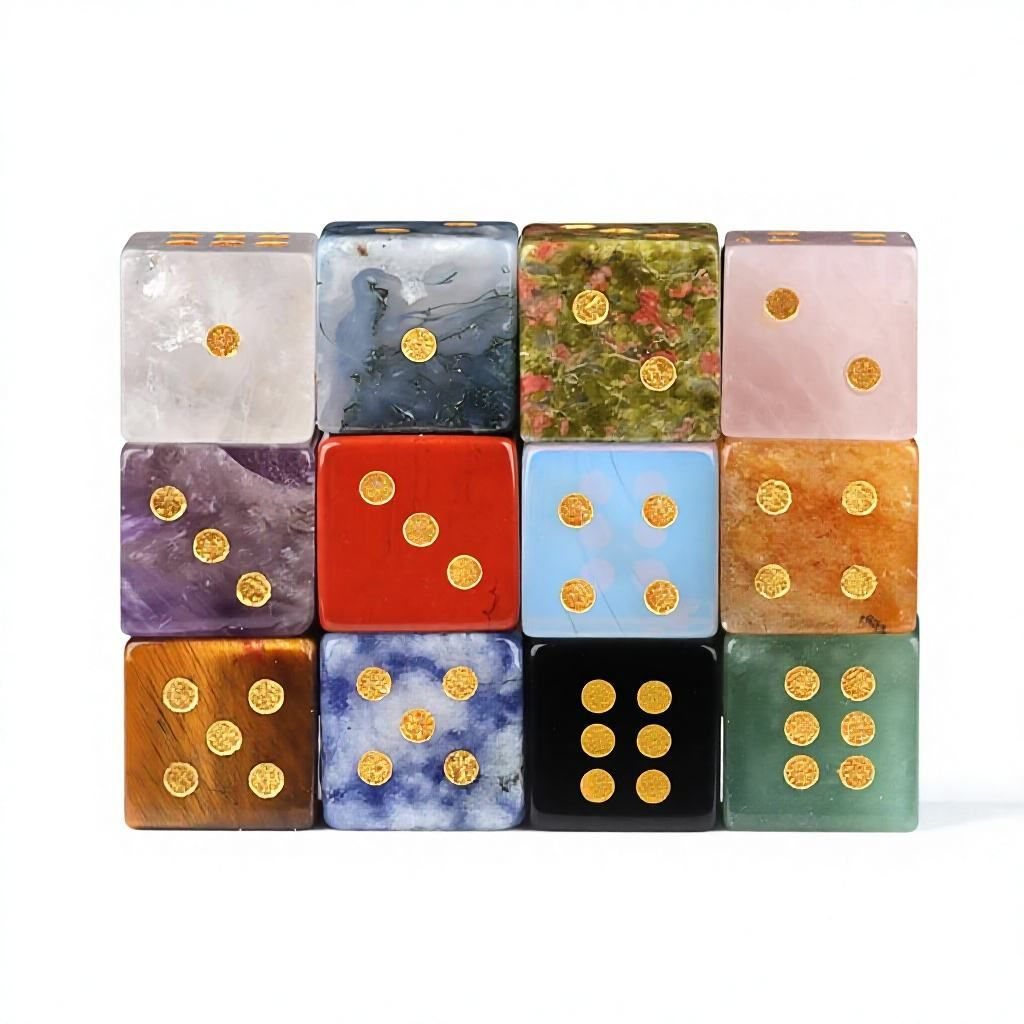
Tile dice | Any group | Randomizes dealer faster than drawing tiles |
🎁 See our most-loved mahjong sets & accessories →
What should beginners avoid on their first night?
Don't assume you know the rules—American mahjong is specific (no chows, jokers in exposed sets only, card-based hands). Don't play league-level games until you've done at least five casual sessions. Don't bring a phone to the table or check messages during play. Don't announce your hand before confirming it with the card—mistakes cost the game. Don't assume Denver uses Chinese or Hong Kong rules—open play here is almost always American. Read how to play American mahjong the week before so you walk in confident.
How to Prepare Before Your First Session: A Checklist
Call or message the host and ask whether the group welcomes beginners.
Read the rules of American mahjong—skip YouTube tutorials and stick to NMJL-based guides.
Learn what a pung, kong, and quint look like in real tiles (not just pictures).
Understand the Charleston—watch a video or ask the host to explain it.
Arrive 10–15 minutes early to meet players before tiles are drawn.
Sit quietly for the first hand and observe how tiles move and are called.
Raise your hand politely when you have a question; most hosts pause to teach.
Plan to play 3–5 hands your first time, not a full evening.
When do Denver open-play groups typically meet?
Most weekly sessions run weekday evenings (6–9 p.m.) or weekend mornings (9 a.m.–noon). Community centers often offer mid-week daytime sessions for retirees. Summer schedules sometimes shift due to facility closures or outdoor events. Check the host's calendar in advance—don't assume a group meets every week. Some groups break for holidays or take summer breaks. Call or send a message to confirm the next session before you travel.
✨ Find your Mahstead set — free US shipping →
What to Check Before You Buy Your Own Set
If you're ready to invest in your own gear:
Tile weight and finish: Acrylic tiles should feel substantial (not hollow) and have a smooth, non-slippery surface. Mahstead's acrylic tiles are cast for durability.
Storage and portability: A 160-tile set fits in a standard soft or hard case; ask whether you can store extras at the venue or need to carry everything home.
Set design: Personal preference matters—engraved sets with titles or jokes make returning players smile and signal you're a regular.
Compatibility: Confirm the set has exactly 152 playing tiles plus spares; never add extra jokers to play—American mahjong is always 152 tiles and 8 jokers.
Venue rules: Some hosts prefer uniform sets (all players use the same design); ask before buying.
#

FAQ
Do I need my own set to play open play in Denver?
No. Most venues provide sets; ask the host. If you attend regularly (2+ times per month), owning a set speeds setup and signals you're committed. A 160-tile acrylic set is portable and lasts years.
Is American mahjong the only variant played in Denver open play?
Almost always, yes. American mahjong is the standard in the US. If a group plays Chinese or Hong Kong mahjong, they advertise it. Always confirm with the host before your first game.
How much does it cost to play open play?
Most weekly sessions are free or cost a few dollars (usually under ten) to cover venue rental or snacks. No betting or gambling is required. Ask the host before you attend.
Can I play if I've never played before?
Yes, provided the group welcomes beginners—most do. Arrive early, watch the first hand, ask questions, and plan to listen more than play. Open-play groups are social; they want new players.
What's the fastest way to learn the rules before my first game?
Read a beginner's guide focused on American mahjong (not Chinese or Hong Kong). Understand what a pung, kong, and hand look like. Watch the Charleston once. Learn how jokers work. Do this the week before, not the day of.
Should I bring money for stakes or betting?
Not required. Most Denver open-play groups don't gamble; the game is social. If a group uses stakes, they tell you upfront. Never assume or agree to bet without clear agreement.
Do I need to memorize the NMJL card?
No. You'll use a printed card at the table. Early on, ask more experienced players to explain hands you see. Familiarity builds naturally after a few sessions.
What happens if I make a rule mistake during open play?
Stop, raise your hand, and ask. Open-play hosts and experienced players expect questions and will explain. A beginner's mistake rarely ends the game; most groups pause to teach.


View More
View More
View More
