
Why Retirees Love Mahjong: Brain Health, Community & Fun
Last updated: Nov 23, 2026
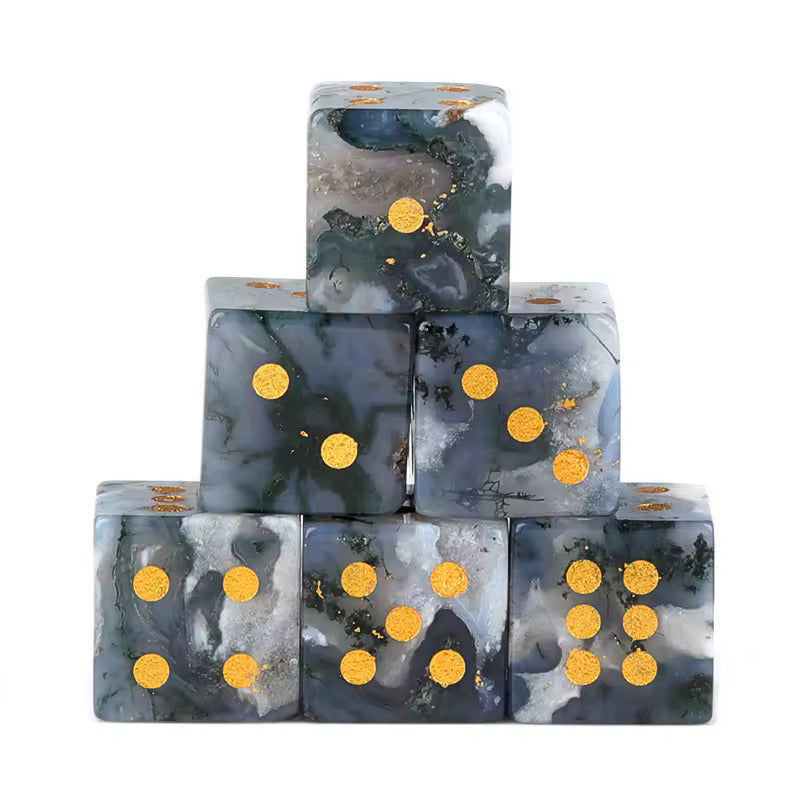
Retirees love mahjong because it combines cognitive challenge, social connection, and accessible entertainment in one game. The game builds memory, pattern recognition, and problem-solving skills—benefits backed by the attention mahjong receives from gerontologists studying cognitive resilience. Players gather weekly in community centers, clubs, and homes, trading tiles and stories for 2–3 hours at a time. American mahjong, played with 152 tiles and one year's official card, requires no special athletic ability and accommodates players of all physical mobility levels. The barrier to entry is low: a quality set costs less than a year of streaming subscriptions, and you'll use it for decades. The real draw? Retirees tell us the game gives structure to retirement, builds lasting friendships, and feels like play, not obligation.
What makes mahjong a "brain workout" for retirees?
Every hand of mahjong requires you to memorize which tiles have been discarded, calculate probability, recognize patterns on the card, and adapt strategy in real time. Retirees report that mahjong demands focus comparable to a crossword, chess, or bridge—but with less isolation. Research on games and cognitive aging suggests that activities combining strategy, memory, and social interaction may help maintain processing speed and working memory. You're not passively consuming content; you're actively making decisions. After 10 minutes, you've already engaged your prefrontal cortex (planning), working memory (tracking tiles), and visual pattern recognition (reading the card and your hand). Unlike solo mental exercises, mahjong's social element reduces stress and increases motivation to keep playing—week after week.

Why do retirees prefer mahjong to other games?
Bridge demands expertise that takes years. Poker centers on wagering. Card games require shuffling and dealing prep. But mahjong—specifically American mahjong—builds a self-contained ritual: a dealer shuffles and stacks tiles, players pass tiles three times (the Charleston), and the game unfolds in a predictable rhythm. No dealing fatigue, no money stress, no prior expertise barrier. One hand lasts 15–20 minutes; a weekly gathering spans 2–3 hours. Retirees like that mahjong respects their time and attention span, and that the same game works equally well with four friends or a formal club. The rules are learnable; the card changes every year, so there's always something fresh to master. Many players tell us they've been playing for 30+ years and still discover new hands or strategies.
How does a weekly mahjong habit structure retirement?
Retirement without rhythm becomes unmoored. Players who gather for mahjong every Tuesday, Thursday, or Saturday know the week has an anchor. They plan around it. They prepare snacks, keep their sets accessible, and text the group if they'll miss a week. That regularity—more than the game itself—helps retirees maintain routines that support physical and mental health. A standing game also means consistent friends, shared inside jokes, and accountability. "Did you see Carol last week?" becomes "I can't wait for Thursday's game." Sociologists studying aging consistently find that people with strong weekly social rituals report higher life satisfaction and fewer hospitalizations. Mahjong doesn't cause that benefit alone, but it's often the catalyst that keeps retirees connected to each other and to a reason to get up and get out.

What's the easiest way for a retiree to start playing?
Start by learning the basics through our beginner's guide or watching a clear how-to video (search "American mahjong basics" on video platforms). Then, find a local game: ask at your community center, library, synagogue, or senior center if they host mahjong or can recommend a group. Many communities have formal clubs or casual meetups through community boards. Bring a notebook and sit next to an experienced player who'll coach you through the first few hands. You don't need your own set to start—borrow or share one. Once you're hooked, invest in a quality set that will last you years, plus a mat and racks with pushers that make holding 14 tiles comfortable on arthritic hands. That infrastructure costs far less than a golf membership and yields more social payoff.
🀄 Shop best-selling mahjong sets →
What equipment makes mahjong accessible for aging hands?
American mahjong sets come as 160-tile acrylic kits—standard tiles plus spares. Acrylic tiles are lighter than bone, less slippery than bamboo, and easy to handle with arthritic fingers. A quality rack with pushers holds your 14 tiles at a comfortable angle, so you don't have to grip them tightly or lean forward. A padded mat cushions your wrists, silences tile noise, and signals to the brain that it's game time. Large-print tiles (available in many sets) spare your eyes the squint. A bag or case means you can carry your set to a friend's home without risk of tiles spilling. We've watched retirees with limited grip strength, vision loss, or back pain play comfortably when their equipment fits their body, not the other way around. Choosing the right set isn't vanity—it's the difference between playing weekly and sitting out.
Comparison: What retirees need vs. casual players
Feature | Why retirees prioritize it | Casual players | Budget-conscious | Gift-givers |
Tile size | Easier to see and grip | Standard | Standard | Varies |
Acrylic material | Lightweight, durable | ✓ | ✓ | ✓ |
Racks & pushers | Wrist comfort for long games | Essential | Optional | Often bundled |
Padded mat | Reduces noise & fatigue | Nice to have | Optional | Popular |
Carry case | Transport between homes | High priority | Lower | Luxury |
Spare jokers/tiles | Replacement when lost | Important | Not needed | Bonus |
🎁 See our most-loved mahjong sets & accessories →
What cognitive benefits does mahjong research suggest?
Studies on games and aging show that strategic, memory-intensive activities may slow cognitive decline and maintain verbal and spatial reasoning. A 2022 review in Frontiers in Aging Neuroscience noted that mahjong (often studied in Asian populations) correlates with better working memory performance in older adults, compared to controls. That said, mahjong alone isn't a cure; it's one thread in a fabric that includes sleep, movement, nutrition, and social contact. What makes mahjong special is that it bundles cognition, emotion (fun), and connection into one activity. You're not forcing yourself to do brain training; you're playing a game with friends and incidentally building resilience. Retirees who play weekly report better memory for events and conversations, higher confidence in their mental sharpness, and stronger emotional ties to their players. Those subjective gains matter as much as any test score.
What to check before you buy
Tile weight and size: Handle a set in person if possible, or read reviews from older players. Lighter tiles (acrylic) tire hands less than heavy ceramic or bone.
Rack comfort: If you have arthritis, test a rack's angle and pushers. A 20° tilt is easier on wrists than flat.
Mat thickness: A padded mat (at least ¼-inch foam) reduces wrist strain during long games.
Carry solution: If you'll transport your set, ensure your bag or case fits your car and your hands. A case with a shoulder strap beats lugging a box.
Replacement tiles: Check that the set includes spare jokers and blank tiles. You'll lose or crack tiles over years of play.
Card access: Confirm the set or seller provides the current-year National Mah Jongg League card, or tell you where to buy it separately.
✨ Find your Mahstead set — free US shipping →

FAQ
How long does it take a retiree to learn American mahjong?
Most newcomers grasp basic rules and hand recognition in 3–5 sessions (roughly 6–10 hours of play). Fluency—knowing the card by heart and reading hands quickly—takes 3–6 months of weekly play. You can enjoy games while still learning; improvement happens naturally through repetition and peer coaching.
Can you play mahjong if you have limited vision or hearing?
Yes. Large-print tiles and acrylic sets reduce eye strain. Mahjong is visual-first, not hearing-dependent, so hearing loss doesn't affect play. Mobility aids (walkers, cushions) fit naturally into the game since players sit at a table. Lighting matters; a focused lamp over the table helps all players.
What's the cost to get started with a good set?
See current price on our best-selling collection page. A basic acrylic set, mat, and racks bundle costs less than many hobbies. You'll own it for life and pass it to grandchildren if you wish.
Do you need a special table, or does a regular dining table work?
A standard dining or card table (36–42 inches square) works perfectly. Some players add a dedicated mat to protect the surface and define the play space. A mat also cushions wrists and quiets tile noise during long games.
How do I find a mahjong group in my area if I'm retired and new to the game?
Check your local community center, senior center, synagogue, or library—many host mahjong nights or can refer you to clubs. Search online for "[your city] mahjong club" or post on community boards (Nextdoor, meetup sites). Showing up with a friendly attitude beats experience; regular players welcome newcomers.
Is American mahjong different from the Chinese or Hong Kong version?
Yes. American mahjong uses one official card per year, no sequences (chows), and strategic exposed melds—very different from Chinese mahjong's chow-and-pung foundation. American is easier for beginners because hands are defined by the card, and you don't memorize 100+ hand types. Stick with American if you're starting in retirement; it's the most widely played in North America.


View More
View More
View More
