
Mahjong Lessons in Indianapolis: Where to Start & What You Need
Last updated: Nov 23, 2026
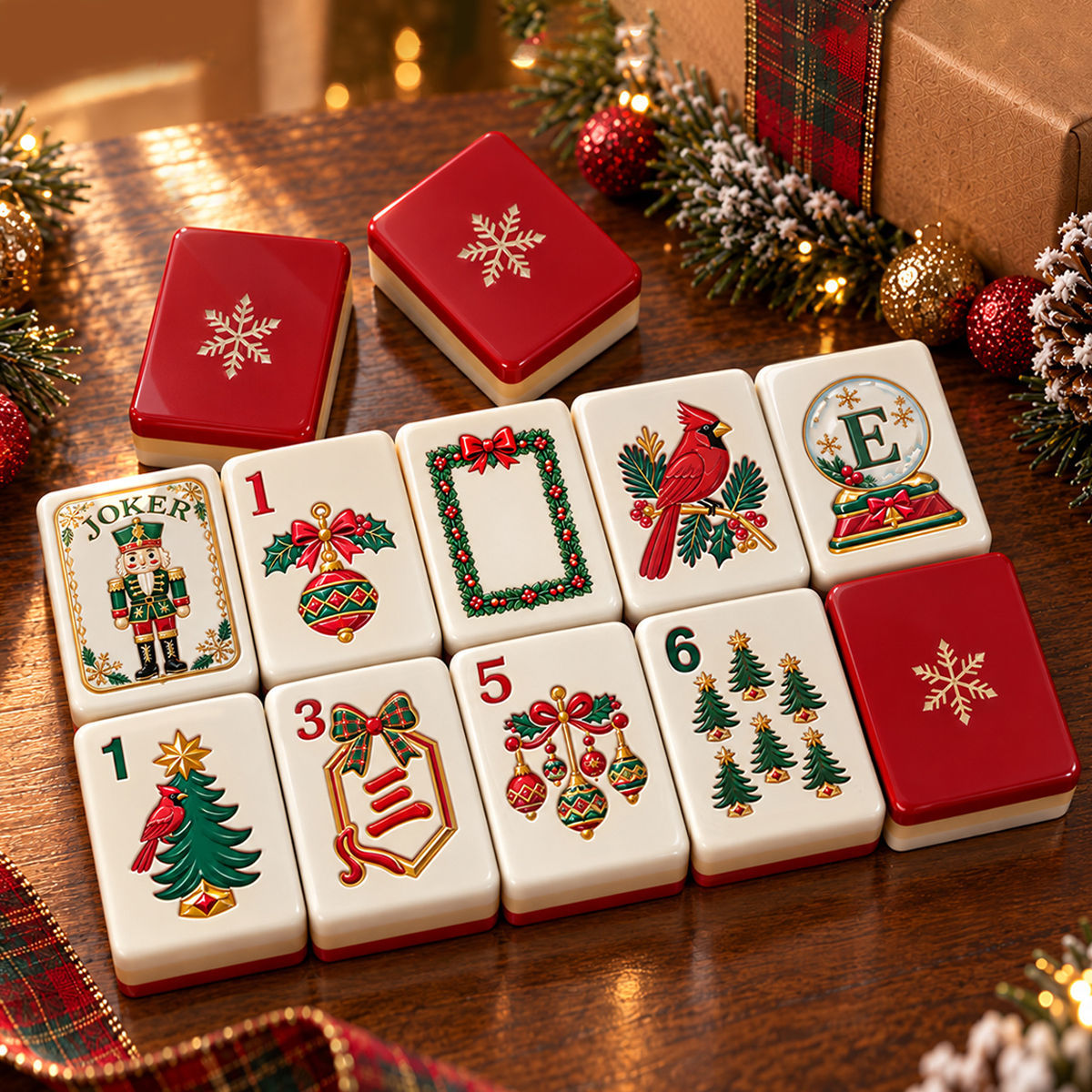
Mahjong lessons in Indianapolis are available through several channels: community centers (parks and recreation departments), public libraries, synagogues with adult programs, country clubs, and independent instructors advertised on local meetup boards and social media. Most beginner classes teach American mahjong—the variant using a 152-tile set, the current year's National Mah Jongg League card, and a tile-passing ritual called the Charleston. Expect to spend 4–8 weeks learning rules, hand patterns, and scoring; many groups meet weekly for 2–3 hours. Private instruction typically costs more but moves faster. To start now, search your city's parks department website for "mahjong" or "game classes," check library bulletin boards, or ask at local senior centers—they often know instructors. Bring a notebook, comfortable clothes, and patience with tile shuffling. Mahstead offers complete beginner-friendly sets with engraved tiles and mats that make learning and hosting easier.
Where do Indianapolis players actually find mahjong lessons?
Indianapolis mahjong instruction lives in three main spaces: city recreation departments, libraries, and community organizations. Start by contacting your neighborhood parks and recreation office—many offer seasonal game classes in community centers, especially September through spring. Libraries often host adult game clubs or can recommend local players; a phone call or online search of the Indianapolis Public Library system usually surfaces current offerings. Synagogues with active adult education programs frequently sponsor mahjong instruction, as do country clubs and senior centers. Search local meetup boards, Facebook groups, or Nextdoor for "Indianapolis mahjong" to find independent instructors and casual game groups forming now.
🀄 Shop best-selling mahjong sets →
What does a beginner mahjong class teach in the first four weeks?
Week one covers tile names (Bams, Craks, Dots, winds, dragons, flowers), set composition, and how to hold your tiles comfortably. Week two introduces the Charleston—the tile-passing ritual before every hand—and basic hand concepts from the National Mah Jongg League card. Week three dives into recognizing and calling exposed melds (pungs, kongs, quints, sextets), understanding joker placement rules, and practicing actual hand play. Week four covers melding strategy, discarding safely, and winning mechanics. A solid instructor will keep pace with your group's comfort; don't hesitate to ask for a second week on any topic. Learn the Charleston step-by-step if you're reviewing before your first class.

How do I know if an instructor or lesson is right for me?
Before signing up, ask three questions: (1) Does the class teach American mahjong? Confirm they use a 152-tile set and the current NMJL card—not Chinese, Hong Kong, or Riichi variants, which have different rules. (2) What's the class size and pace? Beginner groups work best at 4–6 students; larger classes move slower. Ask if the instructor adjusts for mixed skill levels. (3) What do I bring? Instructors often provide sets for the class, but you'll learn faster if you follow along with your own tiles and card. A reputable instructor will happily answer these before you commit.
Lesson Type | Best For | Time Commitment | What to Expect |
Community center class | Beginners on budget; social play | 4–8 weeks, 2–3 hrs/week | Group instruction, peer learning, casual play |
Private instruction | Faster learning; custom pace | 4–6 weeks, 1–2 hrs/week | One-on-one focus, corrected mistakes, faster progression |
Library or synagogue club | Ongoing casual play; friendships | Open-ended; 1–2 nights/week | Mix of levels, ongoing games, no grading |
Online group or virtual lesson | Remote learners; flexible schedule | Self-paced; 1–2 hours recorded | Screen-based play, rewindable instruction, limited feedback |
What equipment do I need to host my own game after lessons?
After your first lesson, you'll need a full 160-tile American mahjong set with enough spare jokers and blanks, a mat large enough for four racks and a 16-tile wall, and racks with pushers to hold your hand and allow smooth tile management. A quality mat prevents tiles from sliding during shuffles; consider a design that suits your hosting style—bold colors signal a serious game table, while neutral tones keep focus on play. Find your perfect mat and choose quality racks with pushers to create a comfortable, professional setup. Many new players buy a set, try a few casual games, then realize after 4–6 weeks that a dedicated mat and good racks transform the experience—don't wait to upgrade.
🎁 See our most-loved mahjong sets & accessories →

How do I transition from lessons to hosting regular games at home?
After 6–8 weeks of instruction, you're ready to host weekly games if you've absorbed Charleston, hand recognition, and basic strategy. Invite your lesson classmates or local friends who've played—a mix of skill levels (2–3 beginners and 1 experienced player) works well for early sessions. Set a fixed night (Tuesday or Thursday evenings are popular), clear a dining table or use a dedicated game mat, and stock snacks and tea. Agree on scoring stakes beforehand—casual games often use points only, no money. Host for three consecutive weeks before judging whether your group has rhythm; some groups gel immediately, others need a fourth session to find their groove. Use the current NMJL card available in your lesson materials or purchase one from your instructor; don't rely on apps or older cards. Read how to play American mahjong as a reference when you're hosting and rules questions arise.
What mistakes do new hosts make, and how do you avoid them?
New hosts often rush the Charleston or skip it (don't—it's required, not optional) and forget to confirm which NMJL card year everyone has (a 2025 card played with a 2026 group causes chaos). Another common error: mixing joker types in the wall (jokers with blanks instead of 8 jokers only) or adding extra tiles mid-game. Keep exactly 152 tiles and 8 jokers in play; spares stay in the box. Don't announce someone's winning hand before they've confirmed it with the card—let them claim the win. Avoid lengthy distractions between hands; shuffle quickly and keep pace. Many hosts also underestimate how much table space a proper game needs—a mahjong mat designed for four players ensures everyone reaches tiles comfortably and prevents accidental tile exposure. If you're using a regular tablecloth or no mat, tiles get bumped and arguments about "what was where" follow.
✨ Find your Mahstead set — free US shipping →
What to check before you buy your first set and mat
Confirm your set includes exactly 152 tiles plus spares (jokers and/or blanks beyond the 152 are never used in play—they're backups). Look for racks with pushers designed for American mahjong; bamboo or plastic racks that hold a tile-high hand and allow smooth pushing of tiles behind the rack make play smoother and faster. Choose a mat with clearly marked zones for the wall, dead wall, and discard pile—you won't need to explain setup each time. Engraved tiles (showing Bam, Crak, Dot names and wind/dragon glyphs) speed up recognition for beginners; unadorned tiles require you to memorize subtle pip differences. A mat with a carrying bag or a dedicated mahjong case means you'll actually transport the set to host games elsewhere. Free US shipping applies to all Mahstead orders, so there's no penalty for sizing up at checkout.

FAQ
Do I need to know American mahjong rules before my first lesson?
No—classes assume zero knowledge and build from tile names and shuffling. Watching a beginner video (5–10 minutes) on Charleston helps slightly, but instructors teach it live during week two anyway.
Can I learn mahjong online instead of an in-person class?
Online instruction works for learning rules and hand patterns, but the tactile experience—shuffling, calling tiles, managing racks and walls—is harder to master on screen. Many new players combine short online tutorials with one or two in-person sessions.
How much does a beginner mahjong class in Indianapolis typically cost?
Community center and library classes range widely based on class length and location; contact your local parks department or library for current fees. Private instruction costs more per session but compresses learning into fewer weeks.
What's the difference between American mahjong and other variants taught locally?
American mahjong uses a 152-tile set, the official NMJL card (which changes yearly), and a Charleston (tile-passing ritual). Chinese and Hong Kong mahjong use different tile counts and no card. Ask your instructor which variant they teach before enrolling.
Do I need to buy my own set before my first class?
Not always—most instructors provide sets for class. But purchasing your own set (or borrowing one) lets you practice Charleston and tile handling at home, which accelerates learning.
Can I host a game immediately after completing lessons?
After 6–8 weeks, yes—but invite players at a similar skill level for your first few games. Mixing beginners with experienced players works better once you've hosted 3–4 times and developed rhythm.
What's the minimum group size to play mahjong?
Standard American mahjong requires exactly four players. Two and three-player variants exist but use modified rules and are less common in Indianapolis groups.
How often do serious Indianapolis players meet?
Most regular groups meet weekly for 2–3 hours; some meet twice weekly or biweekly. Ask your instructor or local meetup contacts what frequency works for their group before committing.


View More
View More
View More
