
Mahjong Party Ideas in Indianapolis: Host & Play
Last updated: Nov 23, 2026
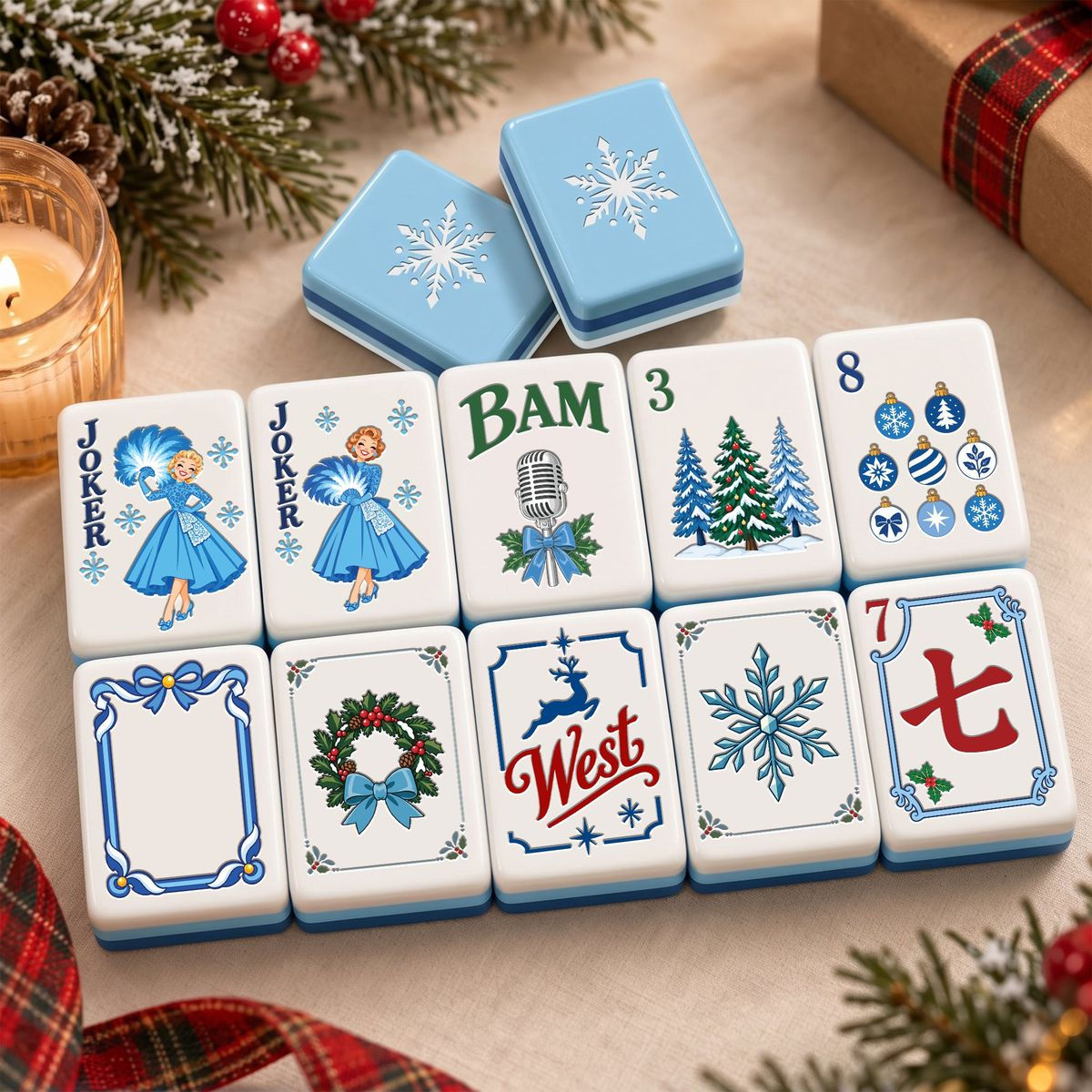
Mahjong parties in Indianapolis thrive at home, community centers, libraries, and country clubs—anywhere four players can gather around a steady table for 2–3 hours. The game uses 152 tiles (eight jokers, four suits), a shuffling ritual called the Charleston, and hands from the annual National Mah Jongg League card. A standard American game lasts 15–20 minutes per hand; plan two to four rounds per evening. To host: invite four players, set a date, provide or have guests bring a 160-tile American mahjong set (which includes spare tiles), a mat to protect the table surface, and racks with pushers so tiles don't scatter. Cost and complexity scale with your group's skill—beginners need patience and a printed card; veterans want speed and house rules. Mahstead best-selling mahjong sets come ready to unbox and play, with free US shipping. --- 🀄 Shop best-selling mahjong sets →
Where to host a mahjong party in Indianapolis?
Indianapolis offers multiple venues. Home games are easiest—a dining table, living room floor, or card table works. Community centers often host game nights; check your neighborhood rec department for open-play slots or host-your-own policies. Libraries frequently sponsor card and tile game meetups; ask the program coordinator about mahjong nights or bulletin boards. Country clubs, senior centers, synagogues, and churches with game ministries welcome mahjong groups—call ahead to reserve a quiet room. Check Meetup.com and local Facebook groups to find established Indianapolis mahjong circles already meeting weekly; newcomers are usually welcome. For a large event (8+ people), book a private space at a banquet hall or restaurant with an open-floor layout so two or more four-player tables run simultaneously. Every venue benefits from a dedicated mahjong mat to protect furniture and muffle tile noise.

What equipment do you actually need for a party?
A mahjong party requires: one 160-tile American set per four players (includes 152 playing tiles plus spares), one mat per table, optional racks with pushers to hold and sort tiles neatly, one printed National Mah Jongg League card (issued yearly in spring—download free from the National Mah Jongg League website), pen and paper or a scoring app for each table, snacks and drinks away from the tiles, and good overhead lighting so players read small tile faces clearly. If hosting five to eight players across two tables, you'll need two sets, two mats, and enough racks so all four players at each table have one. A travel bag or case keeps sets portable and protected if you're moving equipment between venues. Tiles shuffle easily; bag cases prevent pieces from spilling in transit. First-timers should print or share the card digitally so no one loses their copy mid-game.
How do you teach beginners the basic flow?
Start by explaining American mahjong's four core steps: (1) draw and discard (each player draws one tile, discards one unwanted tile face-up), (2) call or pass (if the discard matches your hand, call it; otherwise pass), (3) expose melds (pungs, kongs, quints—three, four, five identical tiles), and (4) declare mahjong when your 14 tiles form a valid hand from the current year's card. Show the card and point to one sample hand; highlight the five sections (Like Numbers, Consecutive Sets, Pairs, Dragons, Winds) so beginners see what "valid" means. Let a beginner try to build that exact hand from spare tiles on the table so they see the shape before playing for real. Explain the Charleston—the pre-game pass ritual—as "tile swapping to start fair and fun." Run a slow practice hand first; pause after each draw to let everyone check their hand against the card. Many newcomers relax after one round; confidence grows fast once they recognize one successful hand shape. Keep the printed card visible and rule questions friendly, not pedantic.
What themes and scoring setups work best for parties?
Party theme | Best for | Setup & why |
Beginner casual | First-timers, mixed ages | Play for pride only (no money). Use simple hand patterns. Slow play. Keep the card visible. Celebrate every mahjong call. Builds confidence in weeks 1–3. |
Competitive league-style | Experienced players | Follow National Mah Jongg League scoring exactly. Play 16 hands in four rounds. Track cumulative scores. Strict hand-checking and tile etiquette. High engagement for veteran groups. |
Social/themed night | Friends gathering | Add a theme (holiday colors, mahjong trivia prizes, pot-luck dinner). Play low-stress, shorter sessions (two rounds). Music, photos, relaxed dress code. Mahjong is the anchor, not the focus. |
Tournament format | Mixed skill, large group | Pair players into balanced foursomes. Run four simultaneous 90-minute blocks. Rank winners by points. Charge entry if benefiting charity. Requires racks, mats, and two sets per table minimum. |
Family night | Multigenerational | Teach kids (ages 10+) and adults together. Use house rules (e.g., no money, bonus for jokes). Short rounds (15 min max). Celebrate learning over winning. |
The beginner-casual model fits first-timers; the league-style suits Indianapolis's established circles. Themed nights keep social groups engaged beyond hardcore players.
🎁 See our most-loved mahjong sets & accessories →

What mistakes do Indianapolis hosts make?
Poor lighting ruins a party: tiles are small; harsh shadows or dim overhead lights frustrate tile-reading. Test your table's light two hours before guests arrive; add a desk lamp or string lights if needed. Crowded table layout forces players to lean; tiles tumble or scores get mixed up. Keep the mat clear, racks upright, and discards organized in a line so all four see every move. Forgetting the Charleston or rushing it confuses beginners; it's not optional—it's the pre-game ritual that randomizes starting tiles and levels the field. No backup card strands a table if the printed copy tears or gets sticky; have a printed spare or share a digital PDF on a tablet. Mixing American rules with other variants (Chinese, Hong Kong, Riichi) in one game creates chaos; choose one ruleset before play starts and stick to it. Allowing jokers in pairs or singles violates American rules; jokers can only fill spots inside melds (pungs, kongs, quints)—never as a pair or solo tile. Skipping hand verification when someone calls "mahjong" leads to disputes; always check the called hand against the card and the tiles on the table before counting points. Too many snacks near the tiles damages expensive sets; designate a separate snack zone at least two feet from the play area.
✨ Find your Mahstead set — free US shipping →
What about equipment quality and durability for repeated parties?
Hosting a regular weekly mahjong night stresses equipment. Acrylic tiles withstand hundreds of shuffles and shuffles better than bamboo or bone if players are rough; they're lighter on aging wrists and don't crack under pressure. Look for engraved American mahjong sets with clear, embossed markings so tile faces don't fade with handling—painted details chip. A high-quality mahjong mat protects both tiles and table; its rubber backing grips the surface so tiles don't slide during draws. Racks with smooth pushers let older players manage tiles one-handed; cheap racks jam and frustrate. For repeated hosting, buy one reliable set and one backup mat; store both in a protective bag or case to avoid dust, moisture, and tile chips. If your party runs monthly, tiles and mats last 2–3 years of heavy use; replace the mat sooner if it loses grip or shows wear. Engraved sets (e.g., personalized with a group name or joke) become keepsakes and conversation-starters—perfect if Indianapolis's group becomes a long-running tradition.
What to check before you buy a set for your first Indianapolis party
Tile count: Buy a 160-tile American set (includes 152 playable tiles plus spare jokers). Never a 144-tile Chinese set; they don't work for American rules.
Tile material: Acrylic is durable, lightweight, and affordable for frequent play. Inspect photos to confirm tile faces are engraved (not painted).
Racks and pusher quality: Smooth pushers ease tile management for all ages. Avoid plastic racks that warp or jam.
Mat thickness: A 1–2mm rubber-backed mat absorbs noise and grips tables; too thin and tiles shift during play.
Storage: A padded bag or case protects tiles during transport; loose sets in a box collect dust and chips.
Shipping: Free US shipping saves money; order early so equipment arrives before your party date.
How do you keep new players coming back?
Host a consistent day (e.g., first Thursday of every month) so word spreads and scheduling is predictable. Send a text or email reminder 48 hours before. Start and end on time; respect players' schedules. Celebrate every mahjong call loudly—beginners need positive feedback. Keep house rules written and visible; consistency builds trust. Pair beginner-intermediate players so experienced folks mentor without dominating. Offer tea, coffee, or snacks but enforce the no-food-near-tiles rule strictly—one spilled drink ruins a set. If a player struggles, don't lecture; quietly show them the card and smile. After three to four sessions, most beginners shift from anxious to confident. Indianapolis's mahjong community will grow if you make room for learners and veterans equally. The game has been played for centuries; newcomers become devoted players when a host shows patience and joy.

FAQ
Is mahjong legal to play for money in Indianapolis?
Indiana gaming law permits social games among friends in private spaces. Always verify current local ordinances before playing for money; house games are typically legal, but check with your venue's owner or manager first.
How many people should I invite to a mahjong party?
Invite four players per table (standard American mahjong). For a first party, start with one table of four close friends; as confidence grows, add a second table. Eight to twelve people max is ideal for a home party; larger groups need multiple tables and equipment.
Can I teach mahjong in one hour before the first game?
Yes, but prepare players beforehand. Send a one-page overview of the four steps (draw, discard, call, expose) and the Charleston a week prior. Review the hand card and a sample hand 20 minutes before playing; most grasps the basics in 30–45 minutes.
What's the difference between American and Chinese mahjong?
American mahjong uses 152 tiles, hands from an annual card, and jokers as wild tiles in melds. Chinese uses 144 tiles, memorized hand patterns, and different suit meanings. Don't mix them; pick one ruleset and teach that variant consistently.
Should I keep a house rulebook or score tracker?
Yes. Document your house rules (e.g., beginner friendly or strict league rules) in writing so every game is fair and disputes are rare. A shared spreadsheet (Google Sheets) or a printed score pad keeps cumulative tallies transparent and fun across multiple parties.
Do beginners need to know all hand patterns on the card before playing?
No. Beginners learn five to ten common patterns in their first session and gradually recognize more. Veterans memorize the card over months or years. The card is always visible during play; reading it is normal and encouraged, even for experienced players.
What's the best time of year to start a mahjong group in Indianapolis?
Fall (September–November) and January are ideal—cooler weather encourages indoor gathering, and New Year resolutions inspire hobby-starting. Summer is harder because hosting wanes and players scatter. Winter (December) works if the group is motivated and you can meet consistently.
Can I host a mahjong party in a restaurant or bar?
Yes, if the venue has a quiet, clean table space and permits it. Call ahead to reserve a booth or back room away from music and crowds. Bring your own mat to protect the table and minimize tile noise. Ask the venue's policy on food and drinks near your game. --- Return to Mahjong for Beginners →


View More
View More
View More
