
Mahjong Accessories for Seniors: Comfort, Clarity & Ease
Last updated: Nov 23, 2026
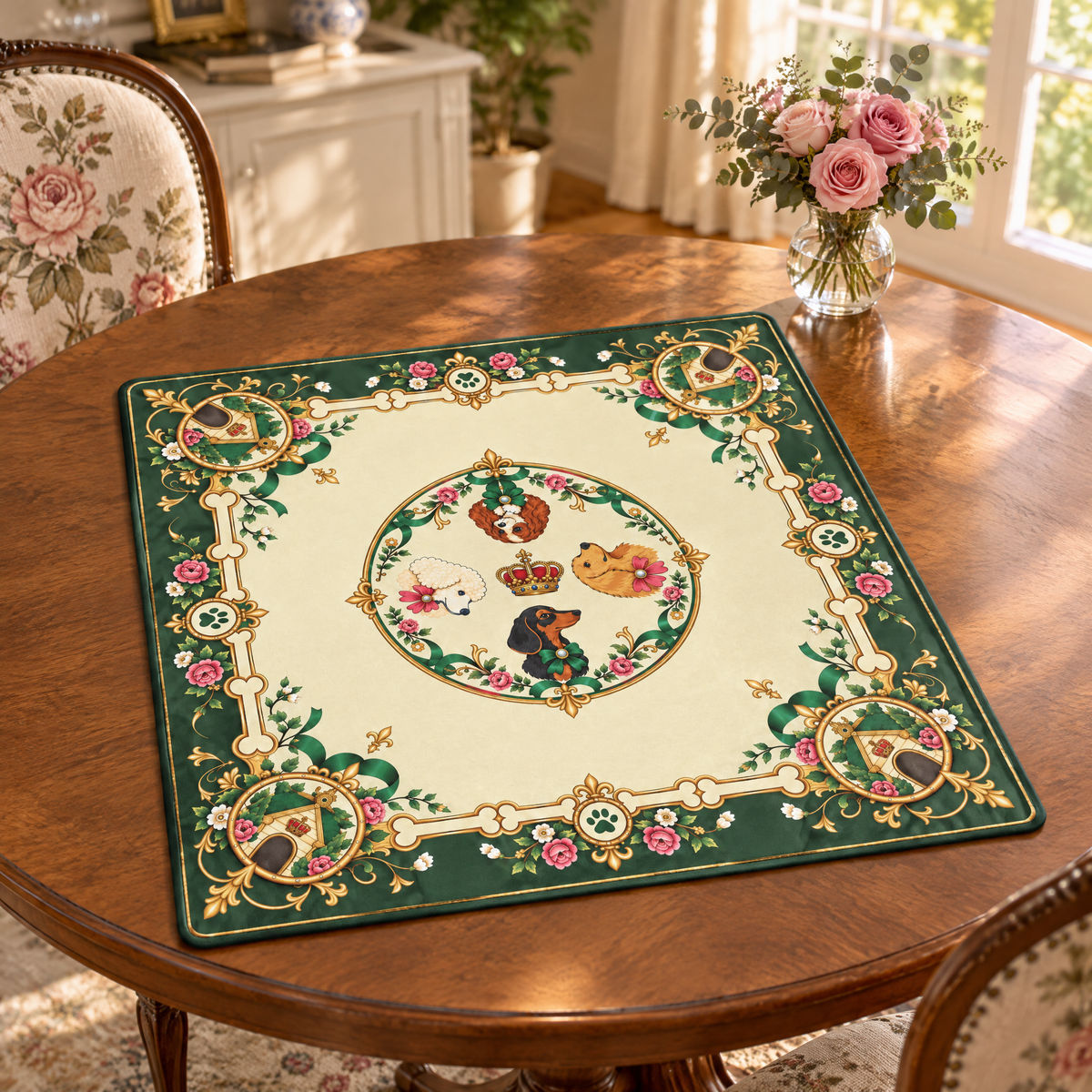
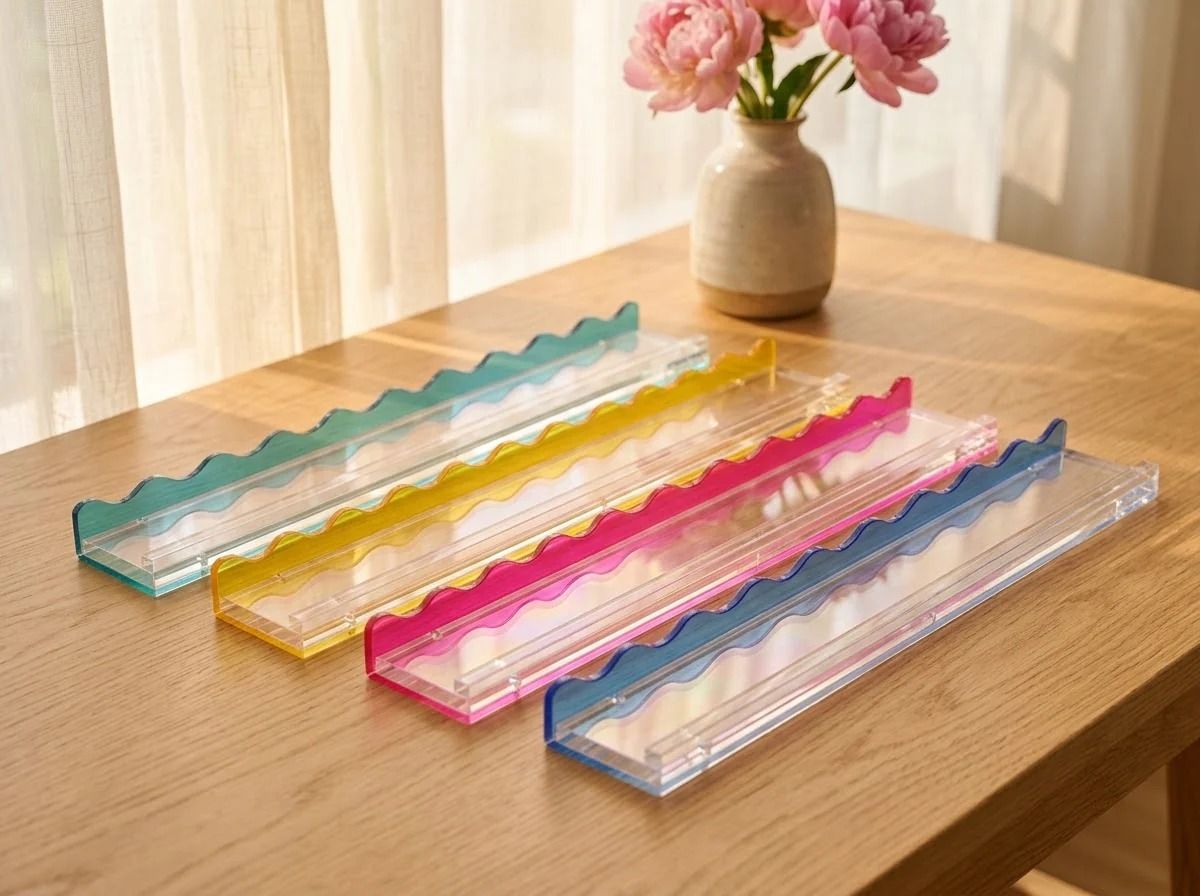
Mahjong accessories for seniors center on three needs: ease of play, comfort during long sessions, and clarity of tile reading. Key items include racks with pushers that keep tiles organized and reduce arm fatigue, cushioned or felt-backed mats that protect joints and prevent tile slip, specialized lighting or larger-print tiles for vision concerns, and sturdy travel cases if games happen in multiple homes. Our best-selling mahjong sets include options with clearer engraving and designs that work well for players prioritizing readability. Most seniors benefit most from combining a quality rack system, a padded mat, and a reliable carrying solution—items that stay in use every game week after week. Cost varies by product category; see our collections for current pricing on each type.
Seniors bring decades of mahjong skill to the table, yet standard equipment often causes unnecessary strain. A sore wrist from holding heavy tiles, a mat that slides during play, or small engraving that blurs mid-game can turn a beloved pastime into a chore. The good news: thoughtful accessory choices eliminate most of these frustrations without requiring new rules or learning curve.
We've hosted games with players in their seventies and eighties who play as sharply as anyone at the table—the difference is they've invested in gear that works for them, not against them.
What makes racks with pushers essential for senior players?
Racks with pushers let you organize tiles once, then push them smoothly as you draw and discard—your hands stay mostly flat and still. This beats holding tiles upright with finger strength, which causes fatigue and cramping after two hours. Pushers keep tiles aligned so you can read your hand without rotating your wrist. Many seniors report that a proper mahjong rack with pushers cuts hand pain in half, especially during longer games. The best ones have a smooth push mechanism and won't slip on most table surfaces.
🀄 Shop best-selling mahjong sets →
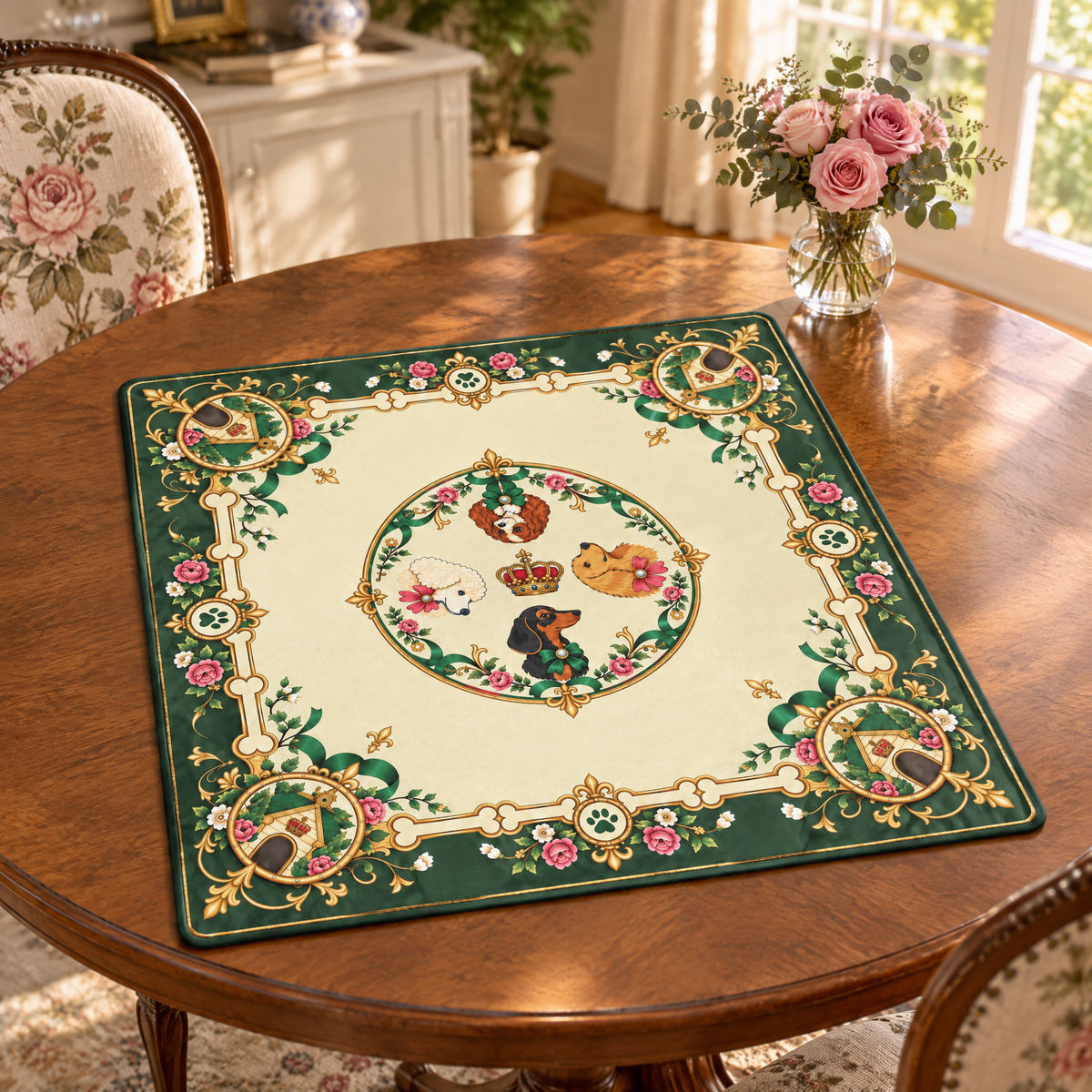
Why does a cushioned mat matter for joint comfort?
A thick, padded mat absorbs impact when tiles hit the play surface, reduces vibration that travels into your hands, and provides a soft rest point for wrists and elbows during play. Thin mats or bare tables transmit shock with every tile drawn and played—over a three-hour game, this compounds into joint ache. Felt or foam backing also prevents tiles from sliding unexpectedly, which means less grip strength needed to keep your hand stable. Mahjong mats designed for comfort typically include deeper cushioning and non-slip bases that anchor reliably. A good mat is an investment that reduces soreness week after week.
How do you choose tiles and designs that are easier to read?
Vision clarity is personal—some seniors need larger numerals, others benefit from high-contrast colors, and some prefer crisp etching over inlaid paint. Our engraved American mahjong sets feature clean, deep engraving that catches light and stays readable without magnification for most players. Avoid sets with shallow printing or light colors on light backgrounds. Request sets with clear character differentiation between suits and a font size that doesn't require close inspection. If two or three people at your table struggle with vision, suggesting a set upgrade becomes a group benefit—everyone plays faster and more confidently.
What's the best travel solution for seniors who play in multiple locations?
Carrying a full mahjong set between locations strains backs and wrists. A quality mahjong bag or case with a shoulder strap and sturdy handles prevents injury and protects your investment. Lightweight cases are worth the cost—they hold your tiles, mat, racks, dice, and card safely while remaining manageable for one person to carry. Some seniors rotate hosting duties among three or four homes; a dedicated case means setup is consistent, tiles aren't exposed to weather or loss, and no one has to reassemble a scattered set mid-week.
How do you build a "comfort checklist" before buying accessories?
Accessory Type | Who It Solves For | What to Check Before Buying |
Racks with pushers | Hand/wrist fatigue, arthritis | Smooth push action, non-slip base, tile capacity for 14–18 tiles |
Cushioned mat | Joint pain, tile slip, vibration sensitivity | Depth ≥1/4 inch, felt or foam backing, size fits your table |
High-contrast tiles | Vision difficulty, eye strain | Deep engraving or clear paint, suit colors differ noticeably, font legible at arm's length |
Travel case | Multiple venues, protection | Weight under 10 pounds when full, shoulder strap option, internal organization |
Dice and card holder | Dexterity, game flow | Large dice faces, secure card pocket, lightweight |
Start by identifying which pain point hits your group hardest—wrist strain, eye fatigue, or setup burden. Then prioritize the single accessory that solves it. Within a month, add one more. This staggered approach lets you test which items truly matter for your game style without overwhelming your budget or storage space.
🎁 See our most-loved mahjong sets & accessories →
What should you verify before ordering your first senior-friendly set?
Before you buy, ask yourself: Will this equipment reduce strain or improve comfort for my specific issue? If you're buying for someone else, involve them in the choice—comfort is individual. Check that racks and cases have good reviews mentioning durability and ease of use, not just style. Measure your table to ensure a mat fits without bunching. Confirm that sets you're considering come with clear tile markings (request samples or photos if ordering online). Verify that bags have comfortable handles if shoulders or arms are a concern. Order from vendors who stand behind their products and replace defects—a mat or rack is only useful if it lasts through dozens of games.
Our sets ship with spare tiles and jokers, so if a single tile chips during play, you have a replacement ready. That's the kind of practical detail seniors appreciate—no scrambling to find a replacement before your next game night.
✨ Find your Mahstead set — free US shipping →

FAQ
Can I use larger-tile mahjong sets if my group plays the standard American game?
Yes, as long as the set contains exactly 152 playing tiles plus 8 jokers. The tile count and suit/dragon/wind faces remain the same; only the physical size changes. Larger tiles reduce eye strain but take up more table space.
Do racks with pushers fit all mahjong sets?
Most racks accommodate standard American tiles comfortably. Before ordering, verify the rack's tile capacity (typically 13–18 tiles per rack) and check that the slot width matches your tile thickness. Acrylic tiles are standard and fit most racks designed for American mahjong.
Is a cushioned mat necessary, or will a thin cloth mat work?
A thin mat is better than no mat, but a cushioned mat (≥1/4 inch thick) genuinely reduces joint strain and prevents tiles from sliding during play. Seniors with arthritis or sensitive wrists notice the difference immediately. It's worth the upgrade if games happen weekly.
What's the lightest mahjong case that still protects tiles during transport?
Lightweight acrylic cases or reinforced canvas bags under 8 pounds are the sweet spot—protective enough for regular travel without straining shoulders. Soft cases are easier to carry than rigid boxes but offer less protection if dropped. Choose based on distance traveled and frequency.
How do I know if my mahjong tiles are too small to read comfortably?
If you find yourself holding tiles closer to your face, tilting your head, or asking others to confirm suit numbers, your tiles are too small or the engraving isn't crisp enough. Request a set with deeper or larger engravings. A side-by-side comparison at a game venue helps—bring a potential new set and test it against your current one under your regular lighting.
Can I add lighting to my mahjong table to improve tile visibility?
Yes. A clip-on LED work light or desk lamp positioned above the play surface (not in anyone's eyes) brightens tiles without glare. Seniors with mild vision changes often find good lighting alone solves half the problem. Pair it with clear tile engravings for best results.
Are engraved tiles better than printed tiles for durability?
Engraved tiles last longer in regular play—the markings won't wear off or fade. Printed markings can chip or fade after hundreds of games, especially if tiles are shuffled roughly. For seniors playing weekly year-round, engraved sets are the better long-term investment.


View More
View More
View More
