
Mahjong Joker Strategy Mistakes to Avoid
Last updated: Nov 23, 2026
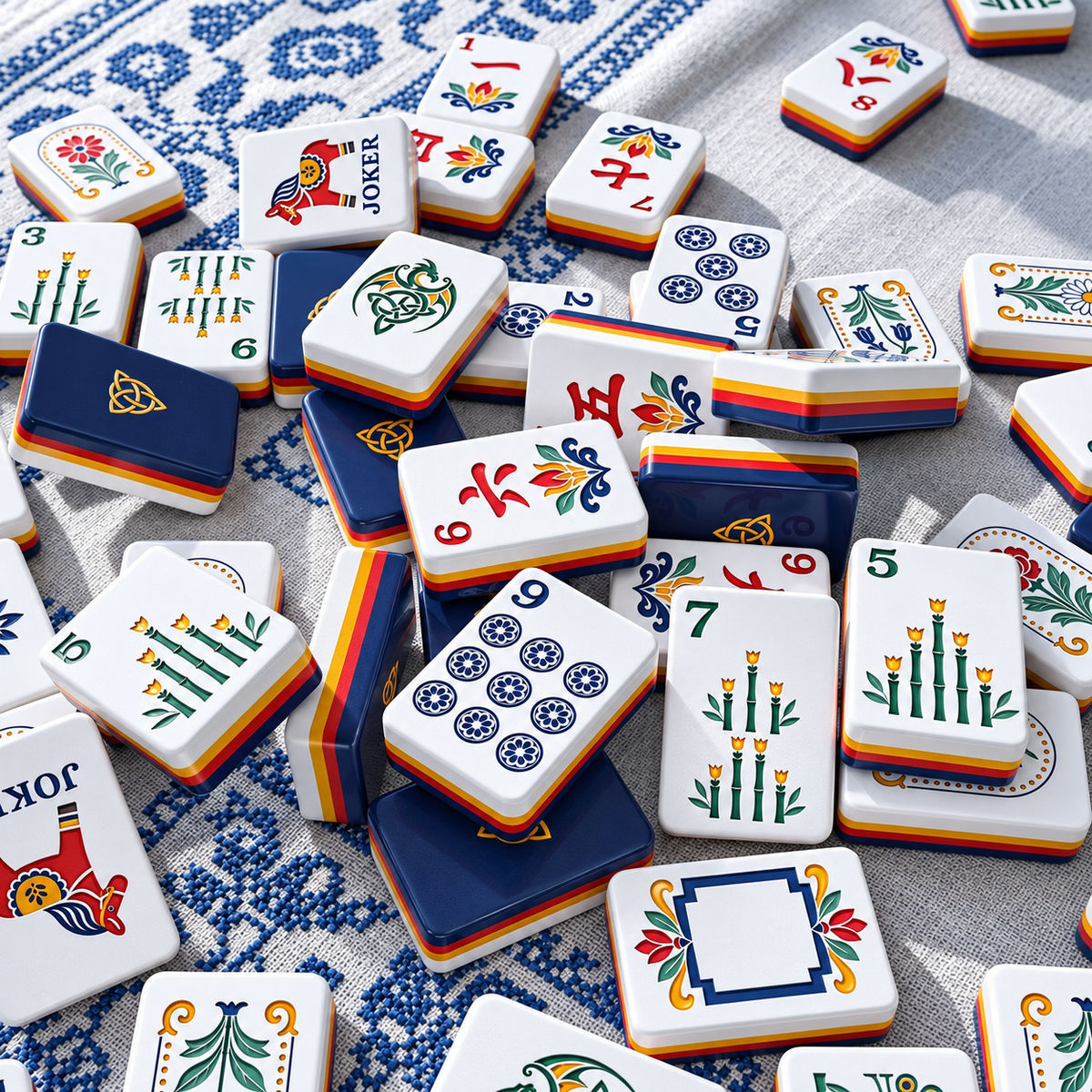
Jokers in American mahjong are wild tiles that substitute for any other tile in a pung, kong, quint or sextet—but never for a single tile or a pair. The game uses exactly 8 jokers with 152 tiles; a hand wins only when every tile matches the hand pattern from the National Mah Jongg League card for that year. Most players fail by treating jokers as emergency fills rather than strategic assets: they burn them too early, use them in weak melds, fail to track which tiles are already played, and don't reserve one for the final draw. The core mistake is playing reactively instead of asking, "Will I need this joker more later?" Before each game, learn how jokers work so you understand when a joker actually wins hands versus when it just postpones a bust.
How can jokers actually be used in American mahjong?
In American mahjong, a joker (marked as a special tile in what's in an American mahjong set) substitutes for exactly one missing tile in a pung, kong, quint, or sextet. A pung is three identical tiles; a kong is four. A joker can never replace a single tile by itself, and it can never be part of a pair. If you hold a pung of 5 Dots and need a 6 Dot to complete a kong, a joker fills that spot. The hand must match the current year's card exactly; jokers just fill gaps inside legal melds.
🀄 Shop best-selling mahjong sets →

Why do players burn jokers too early in the game?
New players see an open spot and panic. They throw a joker into a meld on turn three because they're worried they won't draw the real tile later. This is the single biggest waste of joker equity. Early in the hand, you have twelve more tiles coming—the odds of drawing what you need are strong. By turn twelve, jokers become precious because draw odds shrink. Experienced players hold jokers until the last three turns unless committing to a tile that closes a meld closer to winning. The rule: jokers are last-resort tools, not first-move solutions. Count your remaining draws before you spend one.
What's the difference between a weak and a strong joker play?
A weak joker play substitutes for a tile in an open or semi-open meld that doesn't move you closer to a specific winning hand on the card. For example, using a joker to complete a random pung of 2 Craks when you're still hunting for three different hand options wastes flexibility. A strong joker play closes a meld that commits you to a single winning pattern you can actually complete with your remaining tiles. Before laying the joker, ask: "If I use this joker here, do I still have a realistic path to win?" If the answer is "maybe," hold it. If you're locked into one winning hand and that joker fills a gap in that pattern, play it.
How do tracking played tiles and jokers connect?
Many players don't track which real tiles have already been discarded. When a tile hits the discard wall, it can't be drawn again—but players forget and gamble on getting it. If you see a 7 Bam discarded in turn two, don't hold a joker in reserve hoping to draw a real 7 Bam; it's gone. Track the racks of your opponents too. When the player across from you exposes a kong of 1 Dots with a joker as the fourth tile, you now know one fewer joker and one fewer real 1 Dot remain in play. This shrinks the real-draw pool and makes your joker more valuable. Write down which jokers were used in exposed melds and in what turn; you'll spot patterns in how many free tiles remain.
When should you reserve a joker for your final draw?
This is the decision that separates consistent winners from streaky players. In American mahjong, the last draw (your turn fourteen) is critical. If you're one tile away from mahjong and that tile hasn't been discarded, you must draw it—and your odds drop sharply if others have already drawn from the wall. Many pros keep exactly one joker "off the table" (unused) going into turns twelve and thirteen, so if their final draw misses, they can substitute it for the winning tile immediately. The frame: if your hand has only one winning pattern left and you're down to the last five draws, reserve a joker. If you have two or three viable patterns still open, spend jokers freely—you have backup options.
Timing | Joker Use | Risk Level | Why |
Turns 1–8 | Hold unless closing one hand | Low | High draw odds; flexibility > speed |
Turns 9–11 | Play in committed meldsonly | Medium | Draw pool shrinks; one pattern likely |
Turns 12–14 | Reserve ≥1 joker | High | Winning draw uncertain; final tile critical |
🎁 See our most-loved mahjong sets & accessories →

How does exposing a joker-filled meld hurt your hand?
When you expose a pung or kong with a joker inside, you announce to the table exactly which tile is missing—and your opponents now know you need it (or already have a substitute). This kills surprise and lets experienced players throw defensive tiles to block you. More subtly, exposing early locks you into one hand pattern. If a 4 Dot is exposed as a joker substitute in your first pung, you've signaled you're chasing a hand that includes 4 Dots, and the player to your left starts counting. Conservative players minimize early exposure. Pros expose only when they're forced (pursuing one winning hand with fewer than four draws left) or when the exposed meld is so generic it doesn't narrow their options. A pung of 5 Dots is vague; a pung of 5 Dots plus an exposed 6 Dot kong with a joker screams your hand type.
What's the hidden cost of jokers in pairs or singles?
This is an American-only rule many intermediate players forget: a joker cannot be used as a single tile or as part of a pair. If you're one tile short of mahjong and that tile is a pair in your hand (like 2 Dragons), you cannot swap a joker for it. Hands that rely on pairs as flexible elements become traps if you've burned all your jokers. Before discarding a real Dragon early, verify your winning hand doesn't need a Dragon pair. The same logic applies to wind and flower pairs. Jokers can't save you here—only the real tile will. This forces precision: don't assume jokers bail you out of every shortfall. They cover gaps in pungs, kongs, and higher melds only. Understanding how to read the mahjong card reveals which hands demand pairs; memorizing those shapes saves jokers you'd otherwise squander on impossible plays.
How do you recover after a joker mistake?
Once a joker is played, it's gone—but the hand isn't over. The recovery step is immediate re-evaluation. Recalculate which winning patterns remain possible without that joker. Count how many real tiles in your new path are still in the wall (not discarded). If four or fewer draws are left and your new path requires a tile unlikely to show, start building a backup hand now. Many hands tank because players cling to the original pattern after wasting a joker, instead of pivoting to a hand they can still complete. The second recovery move: track the jokers your opponents exposed. If two jokers hit the discard wall already and four remain, your draw odds improve for real tiles—use this to decide whether to hold or discard. Adaptation beats stubbornness every time.
What to check before you buy a new mahjong set
A quality set with clear tile markings and reliable jokers makes tracking and strategy play easier. Look for sets with durable engraved tiles so numbers and suit symbols stay visible through hundreds of hands—worn tiles invite mistakes. American mahjong sets should include exactly 152 playing tiles and 8 jokers; verify the count before opening. If you're hosting regularly, store your set in a proper case to keep tiles organized and jokers visible. A mahjong mat with clear zones also helps—designated spots for your hand, the wall, and discard pile reduce errors and speed up strategic thinking.
✨ Find your Mahstead set — free US shipping →

FAQ
Can a joker replace a tile in a pair?
No. Jokers work only in pungs, kongs, quints, and sextets—melds of three or more identical tiles. A joker can never be part of a pair or a single tile. This is a core American mahjong rule.
If I use a joker early and draw the real tile later, can I swap it back?
No. Once a joker is placed in a meld, it stays there for the rest of that hand. You can't substitute the real tile back in. Plan joker placement with this permanence in mind.
How many jokers should I hold in reserve going into the final draws?
Ideally, at least one. If you have only one realistic winning hand left and fewer than five draws remaining, reserve a joker so you can substitute it for the final tile if your draw misses. More than one reserved joker is rarely necessary.
Does exposing a meld with a joker in it give away which tile I need?
Yes. Opponents immediately know a real tile is missing from that meld. This narrows your hand pattern and lets them defend strategically. Minimize early exposure unless you're locked into one winning pattern.
What's the difference between a joker strategy mistake in American mahjong versus Chinese or Hong Kong mahjong?
American mahjong jokers are pure wildcards for fixed melds on the annual card; they're never called or chowed. Chinese mahjong treats jokers differently (varies by region) and allows sequences (chows). American strategy focuses on preserving jokers for committed hands late in the round; Chinese games reward earlier joker use in sequences. Always play by your table's variant rules.
If all 8 jokers are exposed in the first few rounds, what do I do?
Count them as "dead"—they won't help you. Shift focus entirely to hands that use only real tiles. This happens rarely but forces pure pattern matching for the rest of the hand. Experienced players have backup hands ready.


View More
View More
View More
