
Mahjong Starter Kit for Beginners: What to Buy First
Last updated: Nov 23, 2026
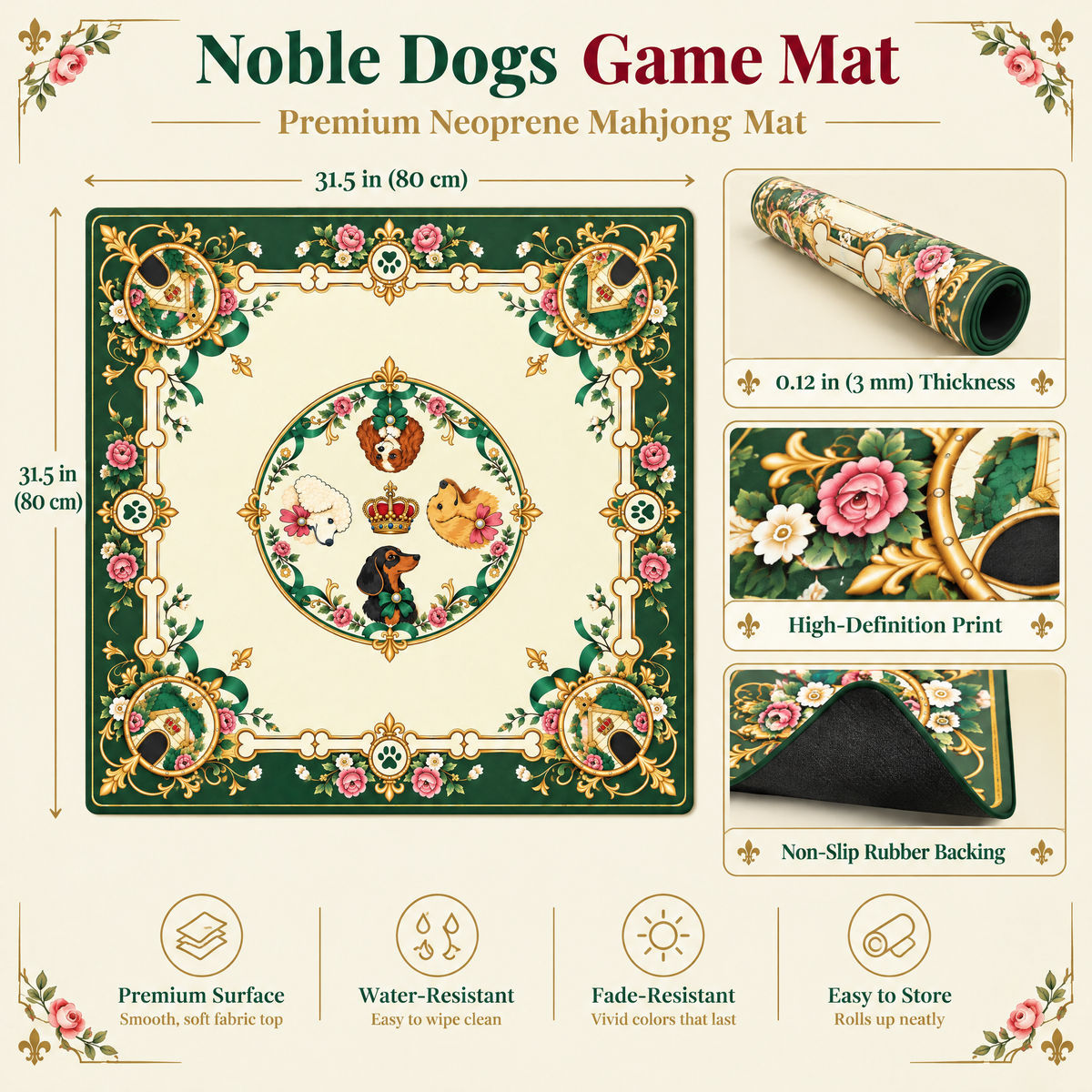
A mahjong starter kit for beginners contains a 160-tile American mahjong set (152 playing tiles plus spares), a felt mat with wind markers, a set of racks with pushers for organizing tiles, and the current National Mah Jongg League card. Most kits from our best-selling collection ship as a complete package with free US delivery. Budget ranges from entry-level cloth sets to engraved acrylic designs. The essentials are non-negotiable: without the card, you cannot play American mahjong. Without racks, you'll struggle to hold and sort tiles during the Charleston and play. A mat protects tiles and keeps wind assignments clear. Start with a standard acrylic set—durable, affordable, and ideal for learning before you upgrade to engraved or specialty designs. Avoid purchasing tiles and accessories separately; a kit saves money and ensures all pieces fit together properly. 🀄 Shop best-selling mahjong sets →
Do I really need a mat, racks, and a card, or just tiles?
You need all three. Tiles alone won't let you play. The card is the rulebook and hand reference rolled into one—without it, you cannot identify winning hands. Racks hold and angle tiles so you can see your hand and pass tiles during the Charleston. A mat defines seats, marks winds, and gives you a clean play surface. Many beginners skip the mat thinking it's optional; it isn't. The mat makes calling hands audible (racks click clearly on felt) and keeps the game organized visually. All three are so foundational that buying them separately costs more and often ships slower than a kit.

What's the difference between acrylic, bamboo, and bone sets?
American mahjong sets vary in material, weight, and durability. Acrylic is lightweight, affordable, and ideal for beginners—tiles are uniform and durable through dozens of games. Bamboo and bone sets are heavier, more traditional-feeling, and generally pricier; they're better for players who've mastered the game and want authenticity. Weight matters: bamboo and bone feel substantial during play but require careful storage. Acrylic is forgiving if you drop a tile. Bamboo can crack if exposed to humidity. For your first kit, acrylic is the smart choice: it plays identically, lasts years, and keeps your investment manageable while you learn.
Should I buy an engraved set or a plain one for my first kit?
Plain or minimally decorated sets teach the game just as well as engraved designs and cost less. Engraved sets shine when you host regularly, gift sets to friends, or join a formal group—they're personal touches and conversation starters. For a first kit, buy plain acrylic. Play 10–20 times. Then, if you love the game, upgrade to an engraved design from our collection of mahjong titles that reflects your style or group name. This staged approach lets you confirm mahjong is "your game" before investing in a premium set. Many beginners discover after a few weeks that they prefer other hobbies; spending less upfront saves regret.
What should a complete starter kit actually include—comparison table
Component | Minimum | Recommended | Why It Matters |
Tile set (160-tile) | Acrylic, undecorated | Acrylic, clear indexing | Acrylic is durable and plays identically to premium materials. 160-tile includes spares. |
Mat | Felt, wind-marked | Felt or fabric, 4-color winds | Protects tiles, marks seating, clarifies wind rotations. 2–3 mm thick is standard. |
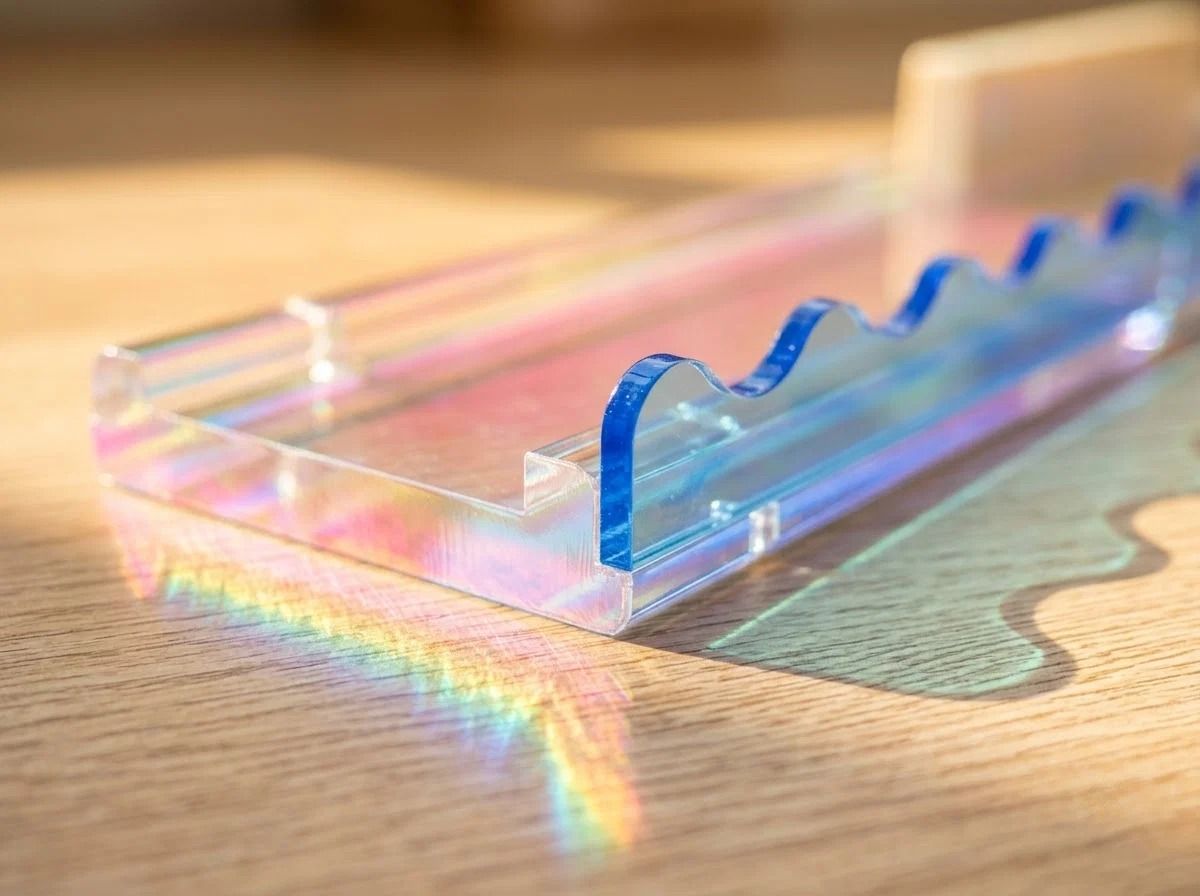
Racks with pushers | 4 racks, basic design | 4 racks, ergonomic grip | Racks keep tiles organized and hidden. Pushers move tiles without dropping. Essential for learning. |
Current-year card | Included in kit | Included in kit | Non-negotiable. Card issued each spring. Older cards are invalid. |
Dice | 2 standard | 2 standard | Determine East wind and first discard. Included in most kits. |
Bag or case | Cloth pouch | Padded travel bag | Optional but highly useful for storage and transport. |
A beginner who owns all recommended components can host a full 4-player game immediately and doesn't need to buy anything else for months.
How much should I spend, and what's worth extra cost?
Entry-level kits from our best-selling collection deliver everything needed to play competitively. Spending more on materials (heavier acrylic, bamboo, bone, jade) improves feel but doesn't change how you learn or score. Spending more on decoration (engraving, custom colors, themed designs) is a luxury, not a necessity. The worthwhile extra costs are a padded travel bag if you move your set between homes or cars, and a backup set after 2–3 years if you play weekly—that's for redundancy, not for starting out. Never buy cheap knockoffs claiming to be "mahjong-compatible"; they often have missing tiles or misaligned suits, making hands impossible to recognize. Stick with a recognized kit. A solid starter setup will serve you for years.
I'm buying as a gift—should I choose differently?
Yes. A gift kit should include a carrying solution and be immediately playable. If the recipient doesn't own racks or a mat, bundle a complete set with both. If they're new to mahjong, include a printed or digital guide to the rules. If they're an experienced player joining a new group, an engraved design or a premium material upgrade shows respect. Gift-givers often ask: should I also buy the National Mah Jongg League card? Yes—buyers must obtain the current-year card separately from the National Mah Jongg League (issued each spring). Mention this in a gift note so they know. For holiday gifting, check our Christmas mahjong collection for themed sets and packaging. A complete gift kit eliminates the recipient's barrier to playing immediately; they unbox and play within an hour.
What do I check before ordering a starter kit?
Before purchasing, verify:
Tile count: Confirm the set includes 160 tiles (152 playing tiles plus spares). American mahjong is always played with exactly 152 tiles; anything else won't work.
Suit labels: Confirm tiles are labeled "Bam," "Crak," and "Dot"—not foreign language variants, which cause confusion in English-speaking groups.
Mat size: Standard mats are 28" × 28" or larger. Measure your table; a mat smaller than 28" × 28" leaves no room for four hands and the wall.
Rack count: Kits include 4 racks. Confirm all four are present before ordering.
Card included: The current National Mah Jongg League card must be included or noted as a separate purchase. Without it, you cannot play.
Shipping timeline: Mahstead ships free across the US. Confirm arrival date fits your play schedule.
Spare tiles and jokers: Kits include extra jokers and (sometimes) blank tiles for replacement. Confirm the listing describes what spares are included.
Spend 2 minutes reviewing the product description. It prevents ordering the wrong size or incomplete set.
🎁 See our most-loved mahjong sets & accessories →
What's the fastest way to learn once I have my kit?
Read how to play American mahjong and how to read the mahjong card before your first game. Both take 20 minutes. Join a beginner-friendly group—community centers, libraries, synagogues, and country clubs often host open game nights. Watch the Charleston happen live before you try it yourself. Play three times without worrying about scoring; focus on tile recognition and calling hands. Scoring comes naturally after.
Do I need more than one set if I host weekly?
No. One 160-tile set and mat serve any number of players and games in one evening. Host backup racks and a second mat if multiple 4-player games run simultaneously in your home. Buying a second set makes sense only if you want a decorative display set or backup tiles after 2+ years of weekly play.
✨ Find your Mahstead set — free US shipping →

FAQ
Can I start with a 144-tile set instead of 160?
No. American mahjong uses exactly 152 tiles in play. Mahstead sells only 160-tile sets (152 playing tiles plus spare tiles). Sets smaller than 160 will not work for American mahjong.
Do I need a pushcart or table cover, or just a mat?
A mat is sufficient for most players. A table cover protects your table from wear; a pushcart aids transport if you move your set regularly. Both are optional add-ons, not starter essentials.
Should I buy digital or printed versions of the National Mah Jongg League card?
Either works. Digital cards are portable and searchable; printed cards are easier to read across the table during play. Many players keep both. The card is issued each spring and changes yearly—confirm the current year before purchase.
What's the best way to store my kit between games?
Use a padded travel bag or case to keep tiles, racks, mat, and card together. Store in a cool, dry place. Acrylic tiles don't require humidity control like bamboo. A cloth pouch works for occasional players; a hard case is better for frequent use or transport.
Can I play American mahjong with friends who learned a different variant (Chinese, Hong Kong, Riichi)?
No. American mahjong rules, tiles, and scoring are incompatible with other variants. The hand structures, permissible melds, and card system are entirely different. Ensure all players learn American mahjong before playing together.
Is there a way to try mahjong before buying a full starter kit?
Yes. Many community centers and clubs loan or rent sets for group lessons. Ask locally before purchasing. If you buy and decide mahjong isn't for you, the tiles, racks, and mat have resale value in secondhand markets.


View More
View More
View More
