
Mahjong in Canada: Where to Play, Learn & Get Sets
Last updated: Nov 23, 2026
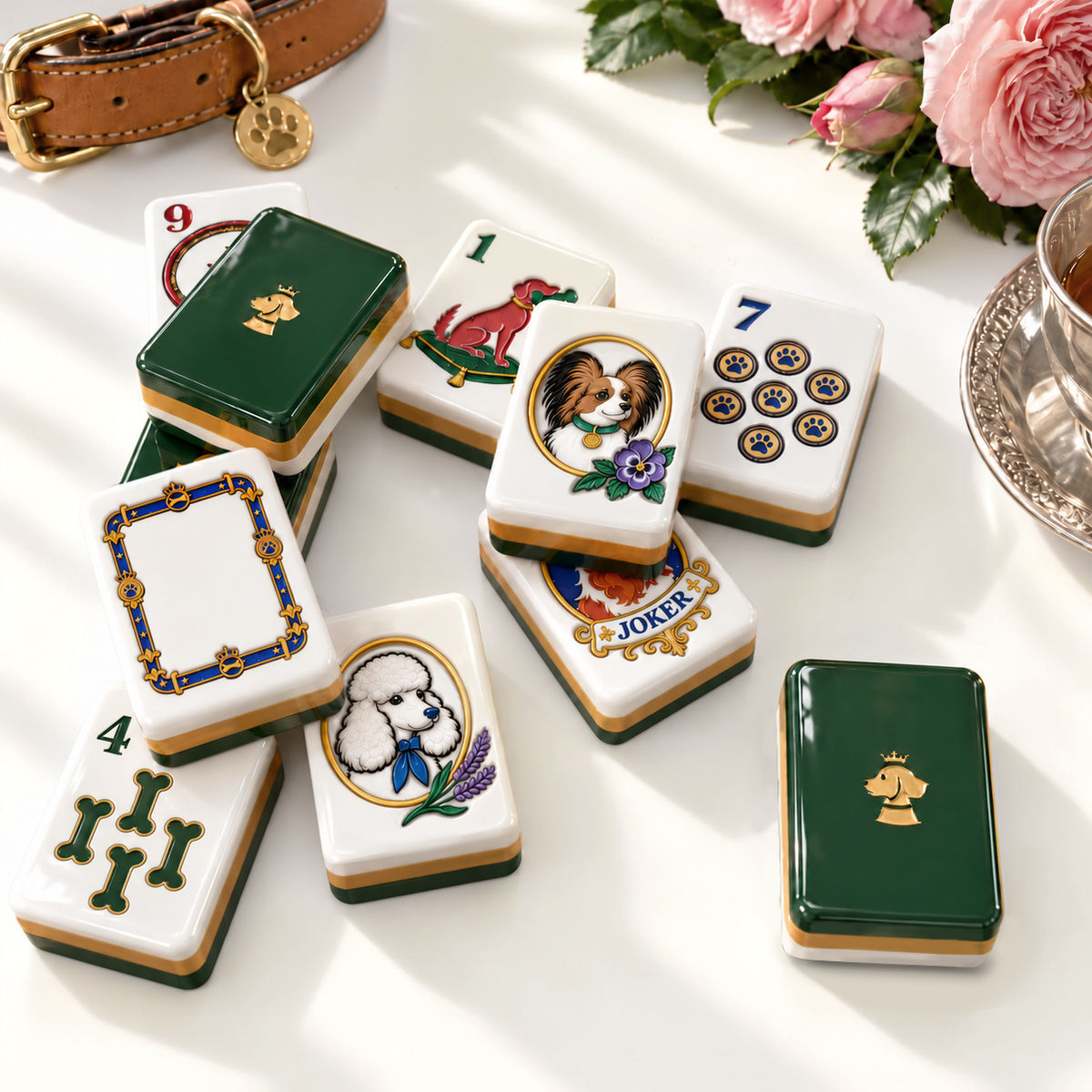
Mahjong thrives in Canada through community centers, synagogues, libraries, and private clubs in major cities—especially in areas with large Chinese and Jewish populations. Most Canadian players follow American mahjong rules, using 152 tiles plus 8 jokers and hands from the current National Mah Jongg League card. Games run year-round indoors; seasonal outdoor play is rare due to climate. Learning typically takes 4–8 weeks of weekly play. You can join drop-in games, sign up for lessons at community hubs, or host your own weekly game at home. Mahstead ships quality acrylic American mahjong sets free across Canada, with durable tiles and complete accessories to get started immediately.
Mahjong has a devoted following across Canada, from Vancouver to Toronto to Montreal. Most Canadian players follow American mahjong rules, using 152 tiles plus 8 jokers and hands from the current National Mah Jongg League card. Games run year-round indoors; seasonal outdoor play is rare due to climate. Learning typically takes 4–8 weeks of weekly play. You can join drop-in games, sign up for lessons at community hubs, or host your own weekly game at home. Mahstead ships quality acrylic American mahjong sets free across Canada, with durable tiles and complete accessories to get started immediately.
Where do Canadians play mahjong?
Community centers, synagogues, libraries, and country clubs are your main entry points in most provinces. Vancouver, Toronto, Montreal, and Calgary all host regular games through these venues. Search online for "[your city] + mahjong club" or contact your local community center recreation desk directly. Many run drop-in sessions on weekday afternoons and weekends. Synagogues are particularly active hubs because mahjong has deep cultural roots in Jewish communities. Don't overlook Meetup boards or Facebook community groups—Canadians often organize informal home games and advertise there.

What's the difference between American mahjong and other variants?
American mahjong stands apart because you call hands only from the current year's official card (issued each spring), and you cannot form chows or sequences—only pungs (3 identical tiles), kongs (4 identical), quints (5), and sextets (6). Jokers are wild but cannot be used in a single tile or a pair. Chinese mahjong, played in some Canadian communities, uses sequences and different scoring. Hong Kong and Riichi (Japanese) mahjong have their own rule sets. Most Canadian clubs teach American rules because they're standardized by the National Mah Jongg League; that consistency makes it easier to drop in anywhere and play with confidence.
How do you start playing if you're a beginner?
Attend a lesson or join a beginner-friendly drop-in group—do not teach yourself from a book alone. Your first session should cover hand-reading, the Charleston (the tile-passing ritual before each game), and how the mahjong card works. Play 4–6 games to internalize rhythm and pacing. Bring a notebook to write down common hands. Watch experienced players call discards and notice what makes a pung, a kong, and a complete hand. Within 3–4 weeks, the mechanics click. Most hosts provide sets, but owning your own—especially if you host—builds confidence and speeds learning. Our best-selling sets include everything: tiles, rack, pushers, dice, card holder, and case.
🀄 Shop best-selling mahjong sets →
What equipment do you need to set up a home game in Canada?
One complete 160-tile set per game, a mat or table cover to protect surfaces, one or more racks with pushers per player, a case for storage, and a bag for transport if you travel between homes. Winter weather and heating in Canadian homes can dry out tiles—store them in their case, away from direct heat. Acrylic tiles resist warping better than bamboo in these conditions. If you host weekly games, a durable mat rated for high traffic is essential; mats get heavy use and show wear quickly. Compare mat styles before choosing. Many home players also invest in racks with pushers because they reduce hand strain during long sessions and keep tiles organized visibly.
Setup Item | Why It Matters | For Whom |
160-tile set | Complete game, includes jokers & spare tiles | All players |
Mat or cover | Protects table, defines play zone, quiets tile noise | Home hosts, weekly groups |
Racks with pushers | Reduces hand strain, organizes tiles, speeds play | Regular players, anyone with arthritis |
Bag or case | Protects tiles during travel, keeps accessories organized | Frequent travelers, hosts who visit others |
Card holder | Keeps current year's card visible, speeds hand lookup | Beginners, players with vision strain |
🎁 See our most-loved mahjong sets & accessories →

How cold and dry Canadian winters affect your tiles and game
Canadian heating systems and low winter humidity can crack and warp bamboo tiles. Acrylic sets resist this damage far better because they don't absorb moisture and don't swell or shrink. If you play outdoors in winter (rare but possible), bring sets indoors 30 minutes before play to let them adjust to room temperature—sudden changes stress the material. Store sets in their case with a silica packet if you live in a very dry region. Check your tiles annually for cracks or loose jokers; a damaged set ruins the game for everyone at the table. Mahstead's acrylic sets are designed to withstand temperature swings and heavy play; the tiles are injection-molded and won't chip or fade as easily as older bamboo.
What about tournaments and competitive play in Canada?
Some Canadian cities host sanctioned tournaments, but they're less frequent than in the US. Your best bet is to ask at your local community center or synagogue—they often know about regional competitions and organized leagues. The National Mah Jongg League (US-based) publishes the official card each spring; Canadian clubs use it. Some players compete in informal ladder leagues within their weekly groups, tracking wins and organizing playoffs. If you want to play seriously, ask your host about tournaments in your province or nearby. Building a steady home game is the foundation—tournament play follows naturally after 6–12 months.
What should you check before buying a Canadian shipment of mahjong sets?
Confirm the seller ships free across Canada—many US sellers exclude it or charge border fees. Verify the set includes 160 tiles (152 playing tiles plus 8 jokers and spare tiles), not fewer; some imported sets come with fewer jokers. Check tile material (acrylic vs. bamboo) and whether the case and mat are included—incomplete sets require extra purchases and shipping delays. Ask if replacements ship free if a tile arrives damaged. Read reviews from other Canadian players if possible. Mahstead includes free shipping on all acrylic sets to any Canadian address, and replacements are handled quickly.
✨ Find your Mahstead set — free US shipping →
Honest note: What to know before your first game
Show up 15 minutes early to learn the table setup and tile handling. Bring reading glasses if you use them—the symbols on tiles are small. Don't play money games until you're confident; most Canadian clubs run friendly, low-stakes or no-money games anyway. Respect the pace—if someone calls a pung quickly, don't delay your discard. Most hosts are patient with beginners, but moving quickly keeps the game enjoyable for all four players. If you're hosting, stock your case with spare jokers and a backup rack in case something cracks. Have the current year's card printed and laminated so it survives coffee spills.

FAQ
Can I play American mahjong with a Chinese mahjong set?
No. American mahjong requires exactly 152 tiles plus 8 jokers; Chinese sets lack jokers and flowers. The tile counts and symbols also differ. Always use a set designed for the variant you're playing.
How long does it take to learn American mahjong well enough to join a drop-in game?
Most players are comfortable after 3–4 weeks of weekly play. You'll understand hand-reading, the Charleston, and basic strategy. Mastery takes years, but the learning curve to play is gentle if you attend lessons first.
Do I need to buy my own set if I play casually at a club?
No. Clubs and hosts usually provide sets. Buying your own makes sense if you host, travel between games, or want to practice alone. It's also a good gift for someone interested in learning.
What's the best mahjong set for Canadian weather?
Acrylic sets resist cracking from dry heat and temperature swings better than bamboo. They also withstand heavy play and spills. Store any set in its case away from direct heating vents.
Where can I find the current year's mahjong card in Canada?
Ask your local club or host—they usually have printed copies. You can also order the card from the National Mah Jongg League website. Many hosts have digital versions available to share. Some players laminate the card to protect it during play.
Is mahjong more popular in certain Canadian cities?
Yes. Vancouver, Toronto, and Montreal have the most active communities because they have large Chinese and Jewish populations with long mahjong traditions. Smaller cities often have games at community centers or synagogues, but you may need to ask around or search online to find them.
Can I play mahjong online with Canadians?
Yes. Several platforms host online mahjong games. However, most Canadian players prefer in-person play because the social aspect and the tactile experience of handling tiles are central to the game. Online play is useful for practicing between sessions or connecting with players far away.
What's the typical cost to join a drop-in game?
Most Canadian community center drop-in games are free or charge a small fee (under a café-level amount) to cover table rental. Money games exist but are uncommon in casual clubs. Ask the host before you arrive.


View More
View More
View More
