
Is American Mahjong Different from Chinese Mahjong?
Last updated: Nov 23, 2026
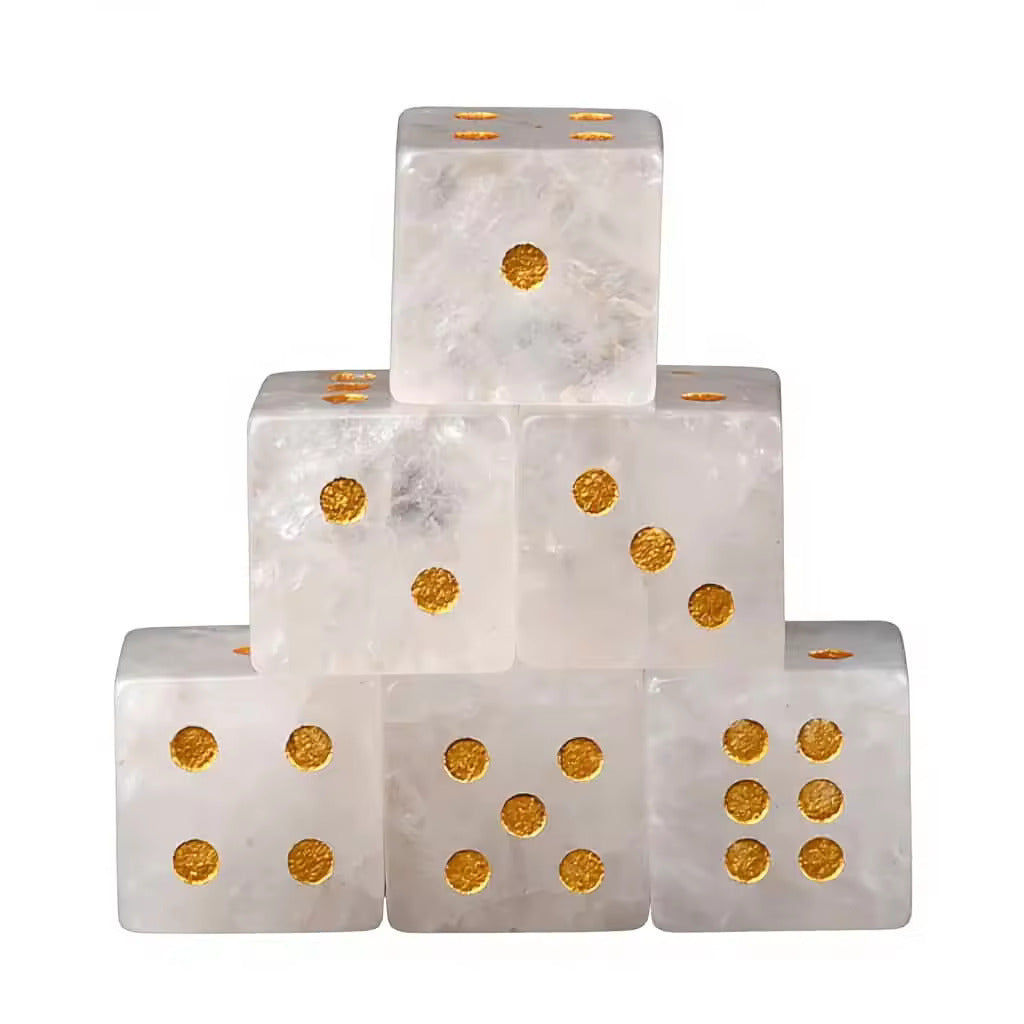
American mahjong and Chinese mahjong are distinct games, not variants. American uses exactly 152 tiles (no sequences or "chows"), hands come only from the current year's National Mah Jongg League card, and players pass tiles in a ritual called the Charleston before each hand. Chinese mahjong uses 144 tiles, allows sequences (1-2-3 runs of the same suit), has no yearly card, no Charleston, and different winning patterns and scoring. Hong Kong mahjong adds bonus tiles and faster play. Taiwanese mahjong introduces colored dragons and hand variations. Riichi mahjong (Japanese) uses 136 tiles and a melds-first strategy. We recommend starting with beginner-friendly American sets and the National League card reference to understand American rules before exploring other variants. 🀄 Shop best-selling mahjong sets →
What tiles are in each game?
American mahjong contains three suits (Bams, Craks, Dots) numbered 1–9 with four copies each, 16 winds (four of each direction), 12 dragons (Red with Craks, Green with Bams, White with Dots), 8 flowers, and 8 jokers. Chinese mahjong holds 144 tiles: three suits 1–9 in fours, 16 winds, 12 dragons, and no flowers or jokers—sequences are core to winning. The tile count alone reshapes strategy: American players hunt for identical sets of three or four; Chinese players build runs. American jokers serve as wild tiles in groups; Chinese mahjong forbids them entirely, forcing rigid hand construction.

How do hands form—card vs. tradition?
American mahjong hands are only valid if they match the current year's National Mah Jongg League card, issued each spring. A new card appears annually, making hands rotate and refreshing gameplay. Chinese mahjong has no yearly card—winning patterns are fixed by regional tradition and agreed rules before play begins. This means an American player cannot claim a hand their card doesn't list; a Chinese player follows memorized patterns or a house rule sheet. American games are highly standardized; Chinese games vary by region and table. If you're learning American, read the card first—it's your rulebook.
Can you call and expose tiles mid-game?
American mahjong lets you expose only pungs (three identical tiles), kongs (four identical), quints (five), and sextets (six)—never sequences. You call these aloud to claim a discard. Chinese mahjong allows sequences (chows) and exposes all melds openly; players build longer, more visible combinations. American games feel more private—hands stay mostly hidden until a win or meld call. Chinese games are louder, more visual, with tiles constantly flipping face-up. Jokers change this too: American jokers can fill any spot in an exposed group; Chinese play forbids them, so every tile must be natural. The flow is fundamentally different.
How does the Charleston shape American play?
Before the first hand, American players perform the Charleston: a coordinated three-pass ritual where each player passes 14 tiles right, then left, then across the table to swap hands strategically. This pre-game exchange has no Chinese equivalent. The Charleston randomizes initial hands and adds a skill layer—players read what others are passing and adjust their strategy. Chinese mahjong draws tiles in turn; no exchange phase exists. The Charleston is quintessentially American and unique enough that visitors often ask how it works. Learn the Charleston step-by-step before your first American game.

What about scoring and winning?
American mahjong scoring is based on the National League card: each hand lists a point value (usually 20–80 points), and you score points for winning that exact hand. Chinese mahjong awards points by hand type and bonuses (winning quickly, drawing a tile, certain patterns). American games use a static hand list; Chinese play evolves based on bonuses and luck. American scoring feels like checklist-driven puzzle solving; Chinese scoring rewards aggressive play and reading the table. Riichi mahjong (Japanese) introduces a third model: point thresholds and meld patterns scored differently than both American and Chinese. Learn American scoring rules if you're starting fresh.
🎁 See our most-loved mahjong sets & accessories →
Quick Comparison: American vs. Chinese at a Glance
Aspect | American | Chinese |
Tile count | 152 (+ 8 jokers) | 144 (no jokers) |
Sequences allowed | No | Yes (core mechanic) |
Winning patterns | Current year's League card | Fixed regional tradition |
Pre-game exchange | Charleston ritual (3 passes) | None |
Exposed melds | Pungs, kongs, quints, sextets only | Pungs, kongs, chows (sequences) |
Scoring method | Static hand-based points | Bonus-driven combinations |
Skill balance | Hand reading + card knowledge | Speed + pattern recognition |
What to check before you buy
Decide your game variant first. If you're learning in a club or with friends, ask what they play. American mahjong sets look similar to Chinese, but the tile count differs. A 160-tile American set includes 152 playing tiles plus spares; Chinese sets are typically 144. Confirm your group plays American before buying—mixing sets creates confusion mid-game.
Check the National League card. American players always refer to the current year's card. Order or print it free from the National Mah Jongg League before your first session. Without the card, you cannot verify a winning hand or learn hand patterns.
Pick a mat if you host. American games flow best on a cloth mat with a designated wall and spaces for the Charleston pass. Mahjong mats reduce tile noise and organize play—especially useful if you host weekly games. Chinese players often use table covers or bare tables.
Consider racks and pushers. American players favor racks with pushers to keep tiles upright and hidden during the Charleston. Chinese players may not use racks as often.
Verify tile size and material. American sets come in acrylic or bone; Chinese sets vary widely. Acrylic sets stay consistent and ship well. If you're ordering for travel, look for a matching bag or case.
Where to learn each variant
American mahjong: Start with our beginner guide. Join a local club (check community centers, libraries, synagogues, or Meetup boards in your city). Most clubs loan sets and teach free; a few charge small dues. American mahjong is social and welcoming to newcomers.
Chinese mahjong: Search YouTube for regional rulesets (Cantonese, Shanghai, Sichuan). Chinese mahjong culture is online-heavy; many groups meet via virtual tables. Starter books and apps exist, but house rules vary—learn from locals or a coach.
Riichi and Taiwanese variants: These have smaller US player bases. Online forums (Mah-Jongg Q&A, Reddit r/Mahjong) connect you to coaches. Riichi has a competitive scene; Taiwanese mahjong is less common outside Asia.
✨ Find your Mahstead set — free US shipping →

FAQ
Can I play American mahjong with a Chinese set?
No. American uses 152 tiles plus 8 jokers; Chinese uses 144 with no jokers. Jokers are essential to American hands. The tile count mismatch breaks play.
Do I need the National League card to play American?
Yes. The card lists all valid hands for that year. Without it, you cannot verify a win or learn hands. Clubs provide cards; players can print them free online.
Is American mahjong harder than Chinese?
Different, not harder. American requires card literacy and pattern recognition; Chinese demands hand memorization and speed. Start with your community's preference.
Can I learn both games at once?
We recommend mastering one first. The tile counts, melds, and terminology overlap confusingly. Play one variant for several months, then explore others.
How long does an American game take?
Typically 1–2 hours for four players. Chinese games vary by region—usually 45 minutes to 2 hours. Practice rounds take less time as players learn.
Do I need special furniture or a mat?
A mat helps organize American play and reduces noise, especially if you host. Chinese games work on any table. Mats are optional but improve the experience.
Where can I find American mahjong players near me?
Search Meetup for "mahjong" in your city, call community centers or libraries, check synagogue bulletin boards, or ask at local country clubs. Most areas have weekly or monthly groups.
What's the biggest difference between American and Chinese mahjong?
American mahjong uses a yearly card to define winning hands; Chinese mahjong uses fixed, memorized patterns. This single difference reshapes strategy, tile passing, and how you learn.


View More
View More
View More
